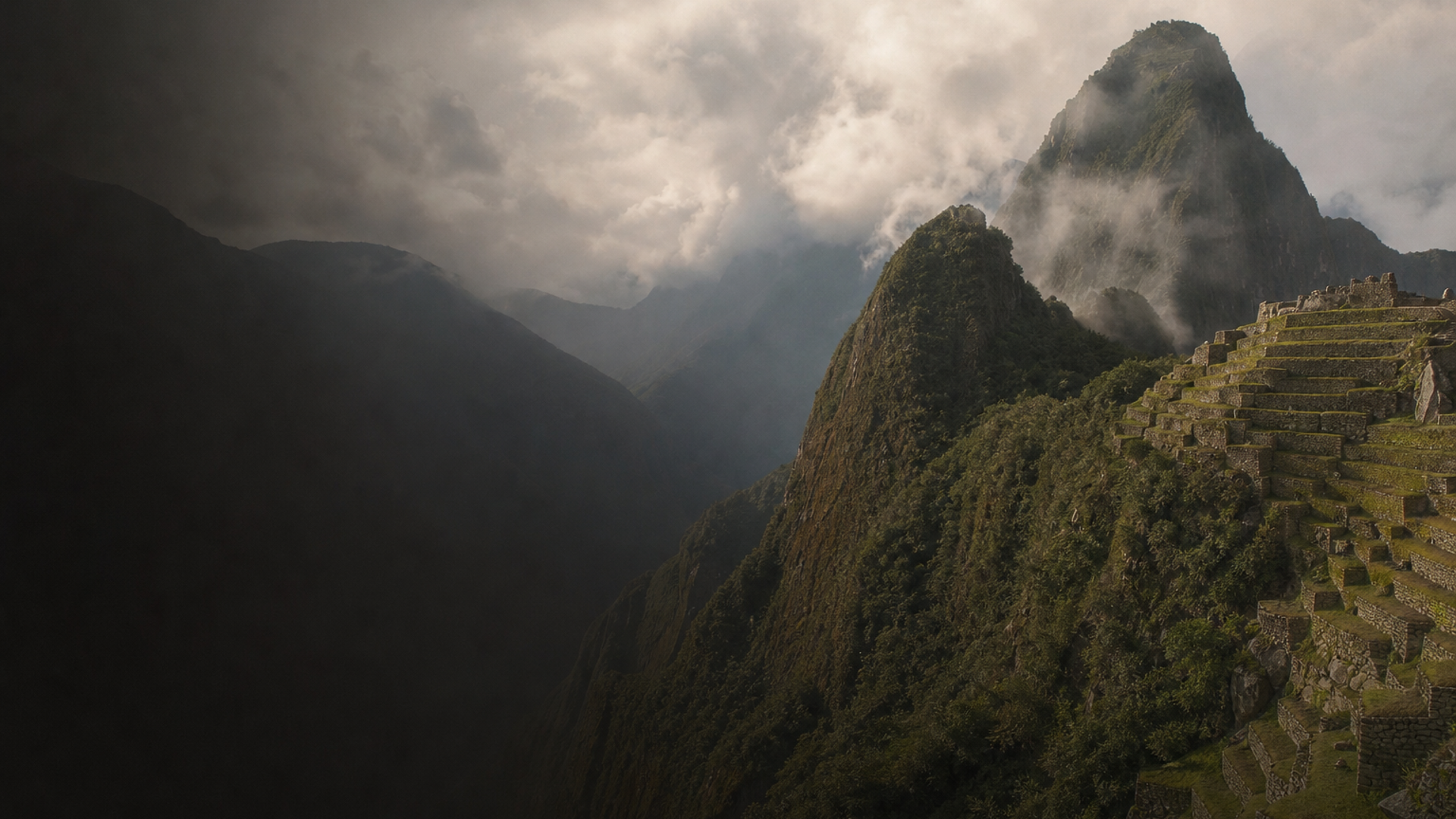
Stone plazas, finely cut masonry, and terraced fields frame a daily life shaped by altitude and state organization. Archaeological evidence from Machu Picchu includes domestic sectors, specialized craft areas, storage facilities, and ritual precincts — features that suggest a community of mixed roles: cultivators, artisans, religious specialists, and administrators. Diet reconstructions and botanical remains point to maize, tubers, quinoa, and highland tuber cultivation, supplemented by camelid herding and trade goods brought along Andean roads.
Social life likely reflected Inca administrative hierarchies but also local kin networks. Burials and mortuary treatment vary across the site, indicating differences in status or origin. Isotopic studies elsewhere in the region show mobility between ecological zones; at Machu Picchu, such mobility would have supplied foods, labor, and cultural exchange. Interpretations should remain tentative: preservation biases and the localized scope of excavations mean that everyday practices at Machu Picchu may not mirror all Andean settlements.