انتقل إلى المحتوى الرئيسي
ملفات الحمض النووي

Queensland Coast — Pre‑European Peoples

Coastal lifeways in North Queensland reconstructed from archaeology and sparse DNA evidence

410 CE - 1788 CE
North Queensland, Australia (Cairns, Mulgrave District; Weipa)

القصة

Archaeological and ancient-DNA data from three pre‑European individuals (410–1788 CE) from Cairns (Mulgrave) and Weipa illuminate coastal foraging lifeways in North Queensland. Limited samples suggest deep maternal continuity (mtDNA P, M) and a single paternal lineage (Y F); conclusions remain preliminary.

Time Period

410–1788 CE

Region

North Queensland, Australia (Cairns, Mulgrave District; Weipa)

Common Y-DNA

F (1 sample, limited)

Common mtDNA

P (2), M (1)

الخط الزمني

1788 CE

Intensifying European contact

European colonization processes accelerate in eastern Australia, initiating disruption of coastal lifeways and land tenure across the continent.

Origins & Emergence

The people represented by these three samples lived along the tropical coastlines and river systems of North Queensland during the final centuries before broad European disruption. Archaeological data indicate long-term human presence in the region, with continuity of coastal foraging, shellfish processing, and stone‑tool traditions that tie into much older Sahul occupations.

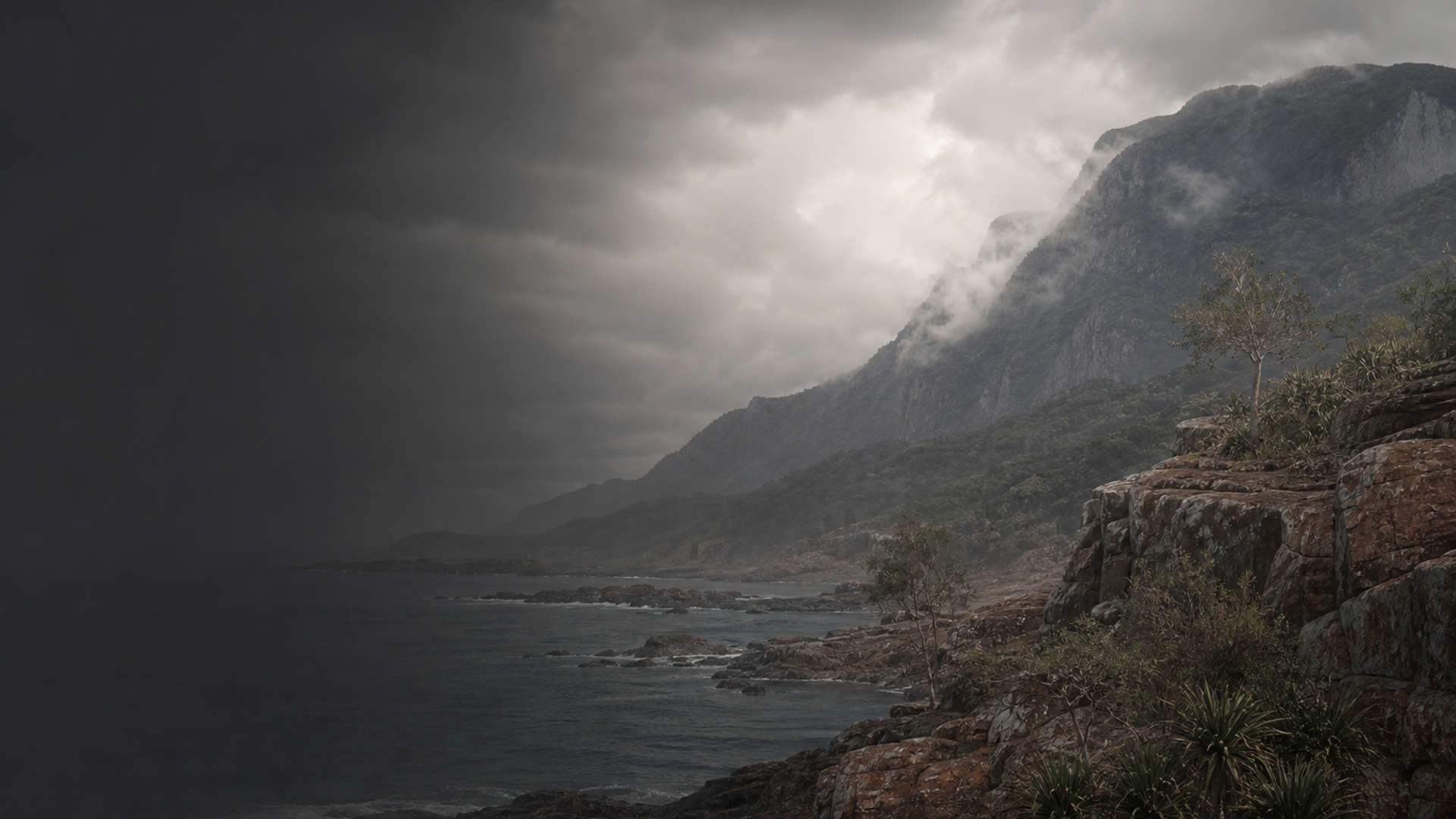
Sites tied to these samples — the Mulgrave District near Cairns and locations around Weipa on the Cape York margin — sit in landscapes rich in mangroves, estuaries, and reef-associated resources. Limited evidence suggests seasonal rounds that combined fishing, the gathering of shellfish and edible plants, and inland excursions for stone and plant resources. Radiocarbon-dated material associated with human deposits aligns with the 410–1788 CE span assigned to the genetic samples.

Because only three individuals were sequenced, these data provide a tentative glimpse rather than a definitive origin story. Archaeological continuity at named localities supports long-term residence, while the genetic signatures hint at maternal lineages that have deep roots in the Sahul population. Further integrated excavation and community-led sampling are essential to build a fuller picture.

  • Samples dated 410–1788 CE from Cairns (Mulgrave) and Weipa
  • Archaeology indicates coastal foraging, shell middens, and regional mobility
  • Conclusions are preliminary due to small sample size

Daily Life & Society

Daily life along North Queensland’s coast unfolded in rhythms set by tides, monsoon seasons, and reef cycles. Archaeological traces — shell middens, bone and fish‑hook fragments, ground stone tools and pigment residues — point to diets heavy in fish, shellfish, and seasonal plant foods, supplemented by terrestrial game. Rock shelters and open coastal camps provided nodes for social exchange, ritual activity, and the production of ochre and bark materials that fed long-distance networks.

Material culture implies a finely tuned ecological knowledge: tidal fish traps, spear and hook technologies, and plant processing tools. Decorative practices recorded in pigment fragments and portable art echo broader Aboriginal aesthetic traditions. Spatial patterns of artifacts and food debris show repeated use of favored estuarine and reef-edge locales, suggesting stable territorial areas and well-known resource calendars.

Ethnographic and archaeological perspectives together emphasize the social importance of coastal places as both subsistence zones and cultural landscapes. Yet many specifics of social organization, language groups, and ritual practice for these particular sites remain archaeologically thin and require collaboration with descendant communities for fuller interpretation.

  • Coastal foraging focused on fish, shellfish, and seasonal plants
  • Shell middens and toolkits indicate repeated, long-term use of estuaries

Genetic Profile

Genetic data from three pre‑European individuals provide a narrow but informative window into maternal and paternal lineages in North Queensland. Two individuals carry mtDNA haplogroup P and one carries M. Haplogroup P is known from ancient and present-day Aboriginal Australian populations and is often interpreted as a deep Sahul maternal lineage. Haplogroup M likewise represents an ancient branch found across Australia and nearby regions.

The single male Y‑chromosome recovered belongs to haplogroup F. Because F is a broad, deep clade that branches into many downstream groups, a single F result cannot reliably characterize regional paternal diversity; many Aboriginal Australian Y lineages elsewhere belong to C, K, or S lineages, and the absence of those in this tiny sample may simply reflect chance.

Crucial caveats: with only three genomes, statistical power is extremely limited. Archaeogenetic insights are best treated as hypotheses that align with archaeological continuity rather than definitive demographic statements. Nonetheless, the maternal continuity suggested by two P lineages corroborates local persistence of deep Sahul ancestry in North Queensland. Future, ethically guided sampling with Indigenous partnership will be necessary to test population structure, sex-biased mobility, and connections to neighbouring Aboriginal North Queensland groups.

  • mtDNA: P (2 samples) and M (1) suggest deep maternal Sahul lineages
  • Y‑DNA: single F haplogroup — insufficient to define paternal diversity

Legacy & Modern Connections

The archaeological and genetic traces from Cairns-Mulgrave and Weipa are threads that tie past lifeways to living Aboriginal communities of North Queensland. Material continuities — place names, resource knowledge, and artistic traditions — persist in oral histories and contemporary practice. Genetic signals of deep maternal lineages reinforce a long-standing presence on these landscapes, but they do not replace the authority of living cultural knowledge.

Any interpretation of ancient DNA must respect Indigenous sovereignty, cultural priorities, and the right of descendant communities to guide research and repatriation. These three samples offer a cinematic glimpse: echoes of reef tides, mangrove smoke, and the resilient human knowledge systems that shaped them. Yet the story remains incomplete; collaborative, community-centered research is essential to honor both scientific rigor and cultural continuity.

  • Findings suggest long-term presence but must be interpreted alongside descendant knowledge
  • Ethical, community-led research is essential for future genetic and archaeological work

مساعد الذكاء الاصطناعي

مساعد الذكاء الاصطناعي من DNA Genics

فتح هذه الميزة
اطرح أسئلة عن ثقافة Queensland Coast — Pre‑European Peoples. يمكن للمساعد شرح النتائج الجينية والسياق التاريخي والأدلة الأثرية والصلات بالعصر الحديث.
مثال على تحليل بالذكاء الاصطناعي

لمحة عن ثقافة Queensland Coast — Pre‑European Peoples

تساعد عينات الحمض النووي القديم الباحثين على دراسة أنماط الهجرة والعلاقات الجينية بين المجموعات السكانية القديمة.

هذه معاينة للتحليل. يتيح المساعد الكامل استكشاف الموضوعات التالية:

  • التركيب الجيني والأصول
  • أنماط الهجرة والأصول
  • الحياة اليومية والممارسات الثقافية
  • الإرث الجيني المعاصر