Central Saka of the Tian Shan

下载的 PDF 是图像副本。如需可选中文本及更好的辅助技术支持,请使用打印功能。

Central Saka of the Tian Shan

揭开一个失落的文明

正在加载考古记录……

正在收集古代记录

跳转到主内容
Central Saka of the Tian Shan
文明焦点

Central Saka of the Tian Shan

Iron Age nomads of Kazakhstan — where steppe archaeology meets ancient DNA

810 CE - 400 BCE
Tian Shan & Central Steppe, Kazakhstan
滚动开始
Chapter I

剧情

了解 Central Saka of the Tian Shan 文化

Preliminary ancient DNA from three Central Saka samples (810–400 BCE) from the Tian Shan and central Kazakh steppe reveals a mosaic of maternal East–West lineages and mixed paternal signals, echoing archaeological traces of mobile, mounted pastoralism. Findings are tentative due to small sample size.

Time Period

810–400 BCE (Central Saka)

Region

Tian Shan & Central Steppe, Kazakhstan

Common Y-DNA

E, R

Common mtDNA

C, U, H10

Chapter II

时间线

这种文化历史上的关键时刻

810 BCE

Earliest dated Central Saka samples

Radiocarbon dates place sampled individuals in the early Iron Age (around 810 BCE) in the Tian Shan / central steppe region of Kazakhstan.

Chapter III

Origins & Emergence

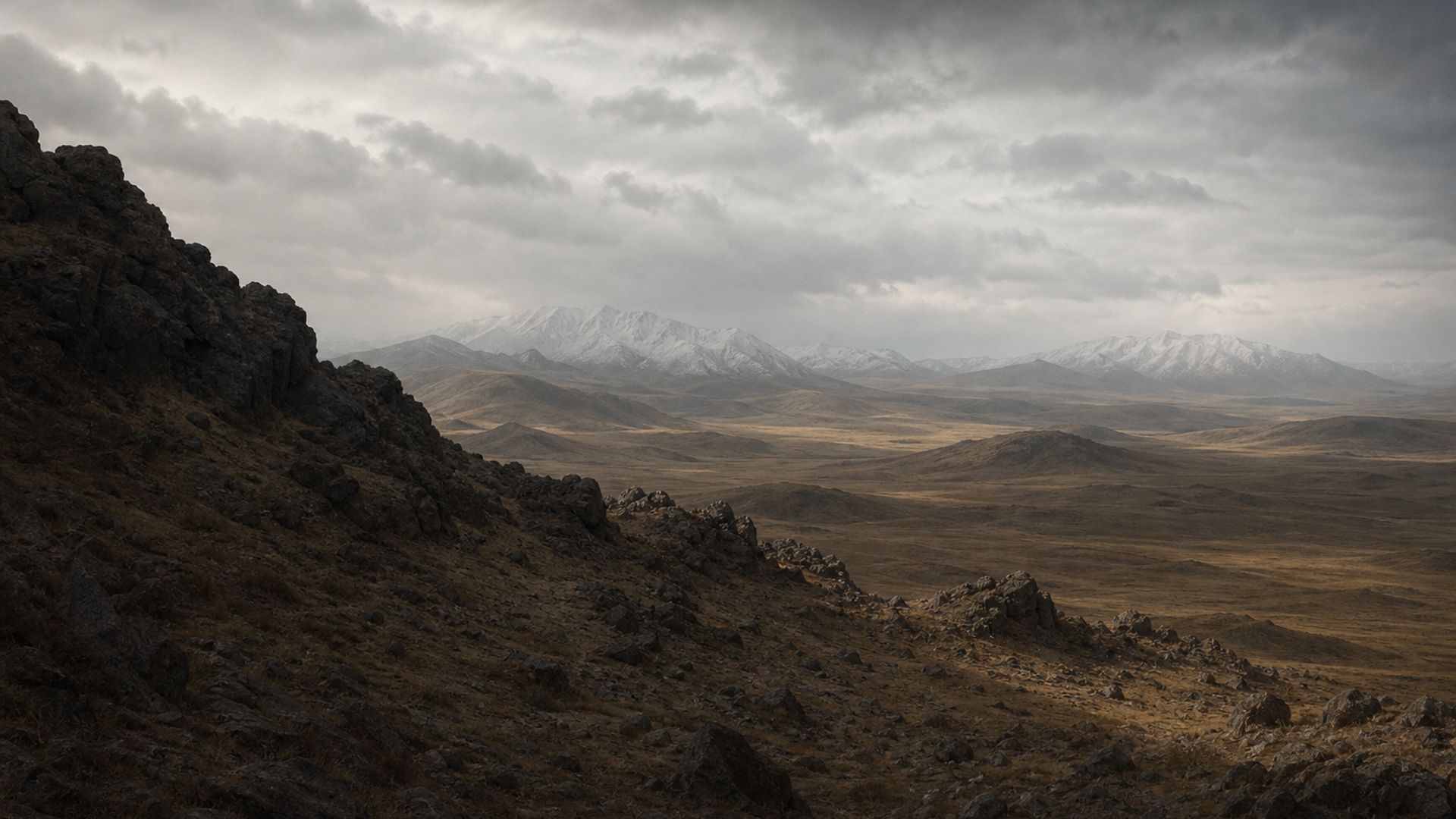
Archaeological data indicates that communities identified with the Central Saka inhabited the central Kazakh steppe and lower Tian Shan foothills during the early first millennium BCE. In the cinematic sweep of open grasslands and jagged mountain silhouettes, these groups appear in the record as mobile pastoralists who used kurgan burials, mounted horse culture, and distinctive metalwork motifs that later observers grouped under the broader Saka/Scythian horizon. Radiocarbon-dated materials from the region place this activity within the 9th to 5th centuries BCE, consistent with the dated range of our genetic samples (810–400 BCE).

Limited evidence suggests the Central Saka emerged from a patchwork of local Bronze Age traditions and long-distance contacts across the steppe belt. The archaeological picture shows networks of exchange — horses, weaponry, and luxury metalwork — moving along ecological corridors between the Tian Shan and the wider Eurasian steppe. The landscape of origins is thus not a single point but a braided story of local continuity and external influence.

Because the genetic dataset for this specific group is small (three individuals), interpretations about population formation remain preliminary and should be tested with broader sampling and more sites across Kazakhstan.

  • Active in central Kazakhstan and Tian Shan foothills, early 1st millennium BCE
  • Archaeological markers: kurgan interments, horse gear, metalwork linked to Saka traditions
  • Emergence likely reflects local continuity plus long-distance steppe contacts
Chapter IV

Daily Life & Society

Archaeological traces paint a vivid portrait of a mobile, equestrian society adapted to the vast steppe margins. Seasonal movement between summer pastures and wintering grounds would have structured herding cycles, with sheep, horses, and cattle at the economy’s core. The visual culture preserved in metal ornaments and weaponry — swirling animal motifs and gilded accents known across Central Saka contexts — suggests elite display and a society where status was expressed through portable wealth.

Burial architecture and grave goods in the region point to complex social differentiation: some kurgans contain opulent grave assemblages while others are modest. Such contrasts imply hierarchical social structures, possibly with warrior elites who derived prestige from mounted raiding, hunting, and control of trade routes. Craft specialization in metallurgy and leatherworking likely accompanied pastoral production, creating a mixed economy of mobile herding and artisan exchange.

Archaeological data indicates ritual behavior tied to landscape features: ritual deposits along river corridors and mountain passes document routes of memory and movement. Yet many everyday activities — family structures, seasonal camp organization, language — remain poorly preserved, and must be inferred cautiously from material culture and comparative ethnographic models.

  • Mobile pastoralism centered on horses, sheep, and cattle
  • Social differentiation visible in varied kurgan grave goods
Chapter V

Genetic Profile

Genetic results from three Central Saka individuals offer a tantalizing but tentative glimpse of ancestry on the Tian Shan frontier. Among the Y-chromosome results there are two distinct haplogroups recorded: one individual carrying a lineage labeled E and one carrying R. On the maternal side, mitochondrial haplogroups observed include C, U, and H10 — each represented once across the three samples.

This mix carries an evocative signal: mtDNA C is often associated with eastern Eurasian maternal ancestry, while U and H10 are typically western Eurasian lineages. The coexistence of eastern and western maternal markers aligns with broader patterns in Iron Age steppe populations, which frequently show a blend of ancestries reflecting east–west contacts across the plains. The presence of Y haplogroup R fits expected steppe paternal diversity. By contrast, a Y haplogroup labeled E is notable because it is comparatively uncommon in published steppe datasets; this could reflect long-range mobility, under-sampled regional variation, or the need for higher-resolution analysis.

Crucially, with only three samples these genetic observations are preliminary. Small sample counts (<10) restrict robust population-level inferences: frequencies may shift as more individuals and sites are studied. Future sampling across multiple kurgans, valleys, and chronological layers in Kazakhstan will be essential to test whether the observed east–west maternal mosaic and mixed paternal signals represent local population structure or idiosyncratic outcomes from a few individuals.

  • Maternal mix: C (east Eurasian), U and H10 (west Eurasian) — suggests mixed ancestry
  • Paternal signals include R and an unexpected E lineage; interpretations are tentative
Chapter VI

Legacy & Modern Connections

The Central Saka helped shape the genetic and cultural tapestry of the Kazakh steppe. Their material styles influenced later nomadic groups, and archaeological landscapes — kurgans and ritual routes — remain visible across the Tian Shan margins. Genetic echoes of east–west admixture seen in these samples mirror broader patterns that contributed to the formation of later Central Asian populations.

Because the dataset is small, any direct links to modern groups must be made cautiously. Nonetheless, the combination of eastern and western maternal lineages alongside mixed paternal markers underscores the steppe’s long role as a corridor of movement and mixture. Future ancient DNA sampling will clarify how these early Iron Age communities contributed to the deep ancestry of peoples across Kazakhstan and beyond.

  • Material and genetic traces fit a long history of steppe mobility and mixture
  • Modern connections plausible but require larger ancient DNA datasets to confirm
AI 电源

AI 助手

就 Central Saka of the Tian Shan 文化提问

AI 助手 由DNAGENICS公司制作

解锁此特性
Ask questions about the Central Saka of the Tian Shan culture. Our AI assistant can explain genetic findings, historical context, archaeological evidence, and modern connections.
AI 样本分析

Central Saka of the Tian Shan 文化是人类历史中值得了解的一章……

遗传分析揭示了与早期种群的联系,同时显示了独特的适应和文化创新的证据。 古代DNA样本提供了对迁徙模式、社会结构以及古代种群之间的生物关系的深刻见解。

这是人工智能分析的预览。 解锁全AI 助手, 以探索关于:

  • 遗传组成和祖先
  • 移徙模式和起源
  • 日常生活和文化习俗
  • 现代遗传遗产

探索更古老的文化

揭开古代世界文明的故事

使用优惠码 可减免 35% • 11月12日 到期




