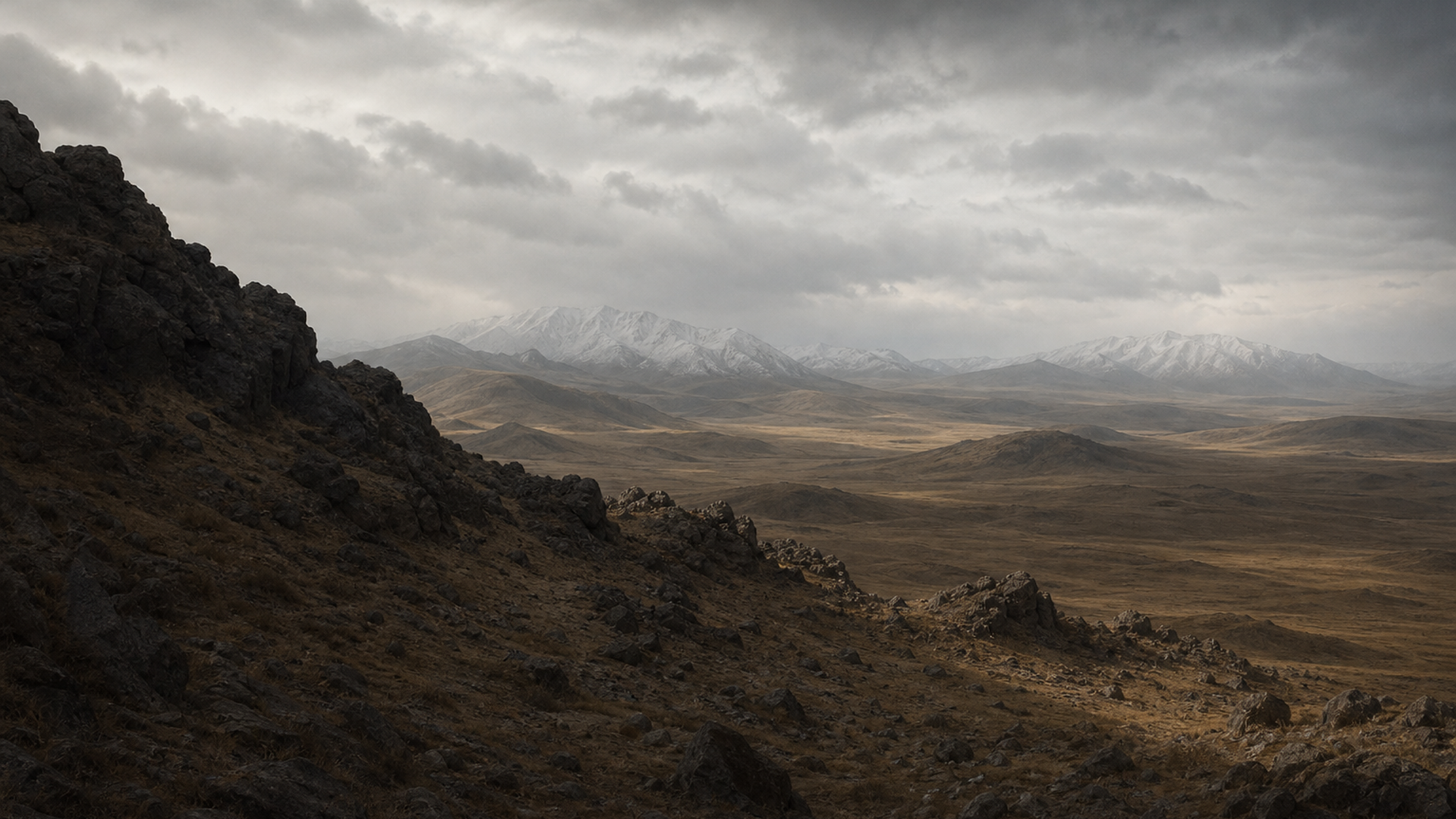
Archaeological traces paint a vivid portrait of a mobile, equestrian society adapted to the vast steppe margins. Seasonal movement between summer pastures and wintering grounds would have structured herding cycles, with sheep, horses, and cattle at the economy’s core. The visual culture preserved in metal ornaments and weaponry — swirling animal motifs and gilded accents known across Central Saka contexts — suggests elite display and a society where status was expressed through portable wealth.
Burial architecture and grave goods in the region point to complex social differentiation: some kurgans contain opulent grave assemblages while others are modest. Such contrasts imply hierarchical social structures, possibly with warrior elites who derived prestige from mounted raiding, hunting, and control of trade routes. Craft specialization in metallurgy and leatherworking likely accompanied pastoral production, creating a mixed economy of mobile herding and artisan exchange.
Archaeological data indicates ritual behavior tied to landscape features: ritual deposits along river corridors and mountain passes document routes of memory and movement. Yet many everyday activities — family structures, seasonal camp organization, language — remain poorly preserved, and must be inferred cautiously from material culture and comparative ethnographic models.