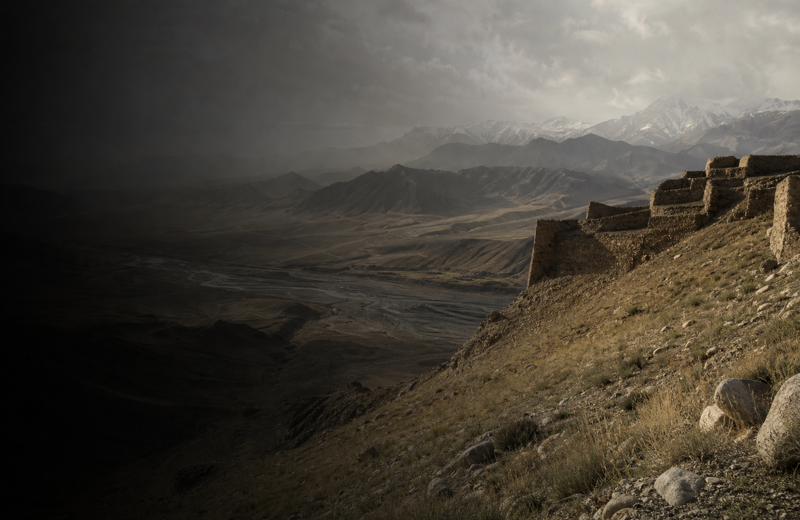
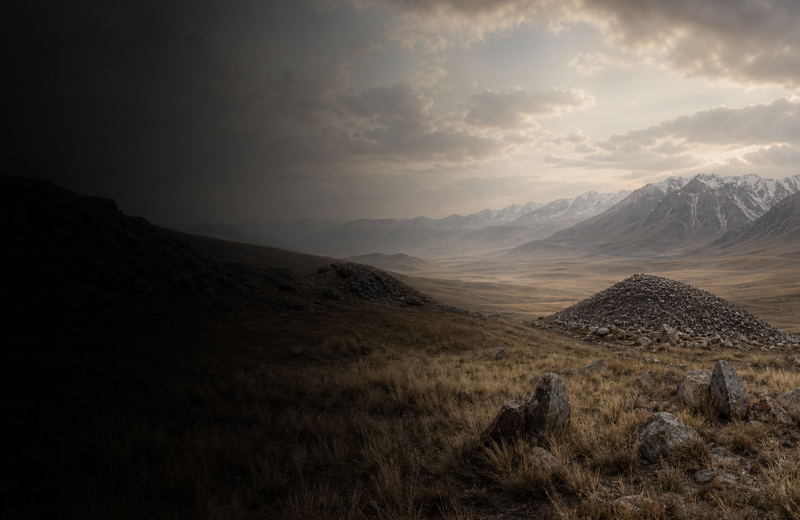
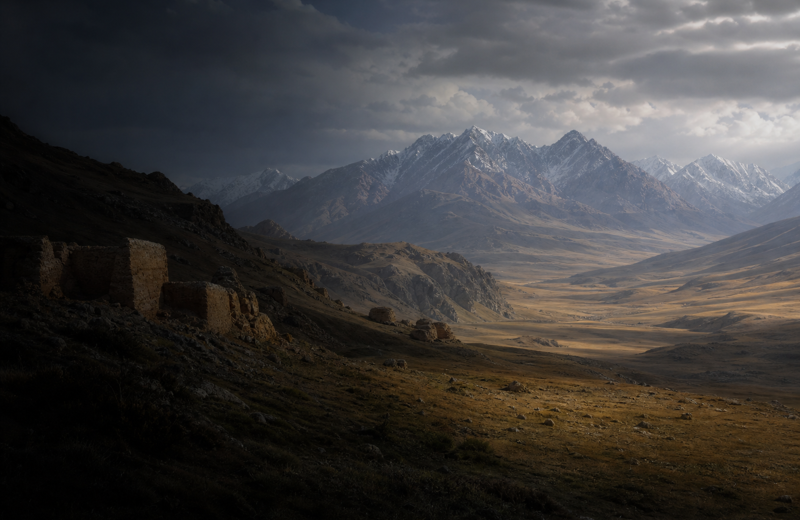
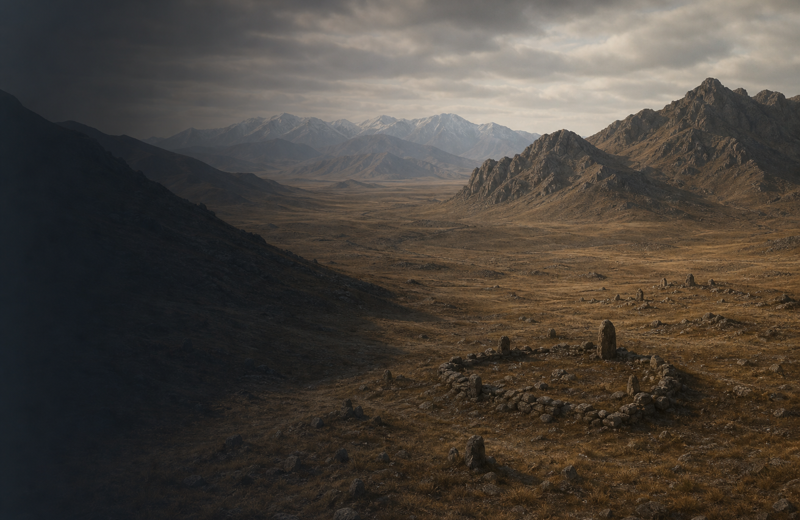
Alai Valley Iron Age Echoes Nine genomes from the Tuyuk mounds illuminate a crossroads of steppe, mountain, and southern influences. 749 BCE - 415 CE Alai Valley, Osh Province, Kyrgyzstan
Kara-Djigach: Black Death–Era Kyrgyz DNA Five medieval burials from a Christian cemetery in Chüy reveal a fragile genetic portrait of pandemic-era Central Asia. 1248 CE - 1379 CE Chüy Region, Kyrgyzstan (Ysyk‑Ata District)
Tian Shan Medieval Nomads Fragmentary ancient DNA from Kyrgyzstan links mobile steppe life to eastern Eurasian lineages 1030 CE - 1278 CE Tian Shan, Central Steppe (Kyrgyzstan)
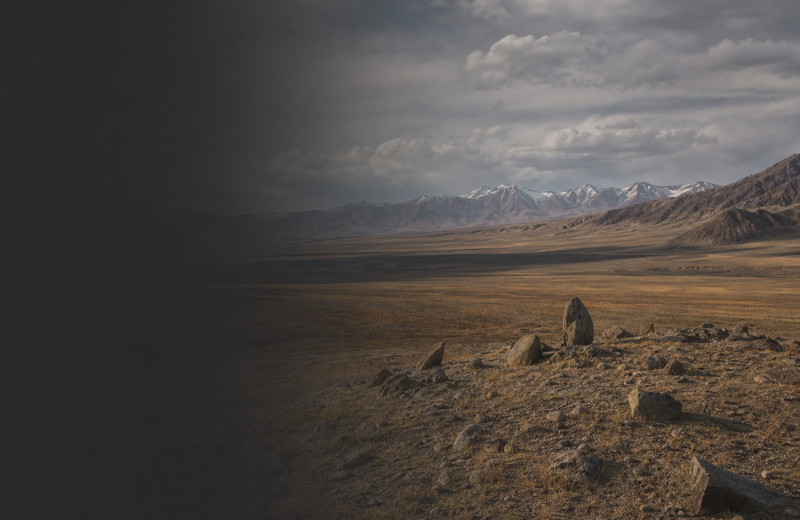
Issyk‑Kul Saka: Chilpek & Ken‑Su Burials A cinematic glimpse into Iron Age Saka lifeways on the shores of Issyk‑Kul, revealed by archaeology and ancient DNA. 751 BCE - 884 CE Issyk‑Kul region, Kyrgyzstan
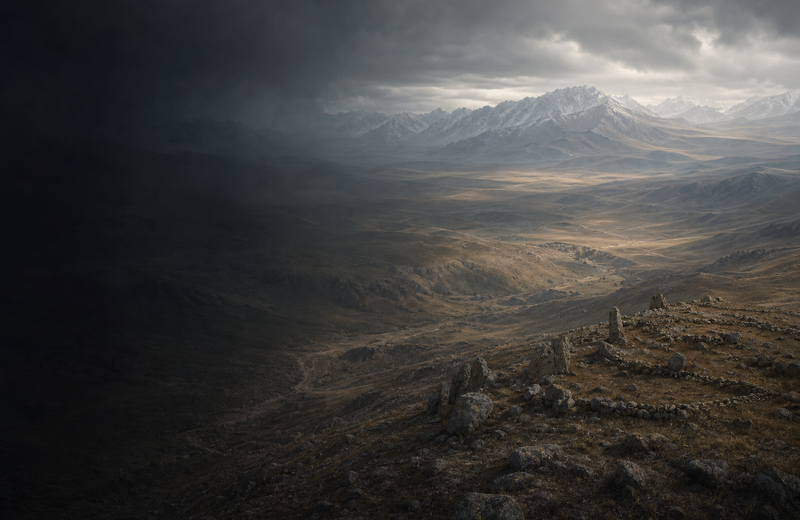
Tian Shan Huns: Echoes of the Steppe Hun-period communities of the Kyrgyz Tian Shan, 1–700 CE — archaeology meets ancient DNA 1 CE - 700 CE Tian Shan, Central Steppe (Kyrgyzstan)
Tian Shan Saka: Steppe Voices Iron Age horsemen of the Kyrgyz Tian Shan—where graves and genomes meet 650 BCE - 100 CE Tian Shan, Central Steppe, Kyrgyzstan
Echoes of Modern Kyrgyzstan A concise archaeological and genetic snapshot of Kyrgyzstan in 2000 CE 2000 CE Kyrgyzstan
Kyrgyzstan_Saka_IA Whispers of the Steppe Horseborn nomads of the Scythian–Saka world across Central Asia 1499 BCE - 884 CE Kyrgyzstan, Kazakhstan, Xinjiang (China), Russia
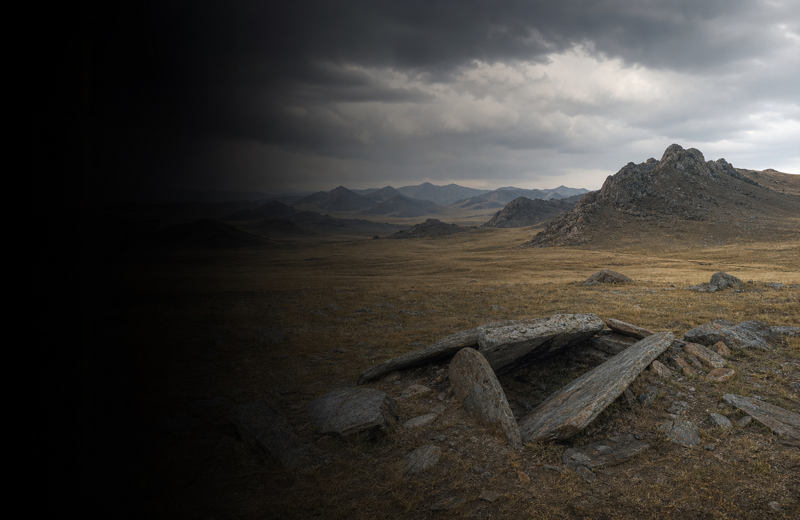
Mongolia_EIA_SlabGrave_1 Nomadic Steppe Cultures — Hunnic Horizon Mobile horse societies of the Eurasian steppe traced through archaeology and ancient DNA 1650 BCE - 1500 CE Mongolia, Kyrgyzstan, Kazakhstan