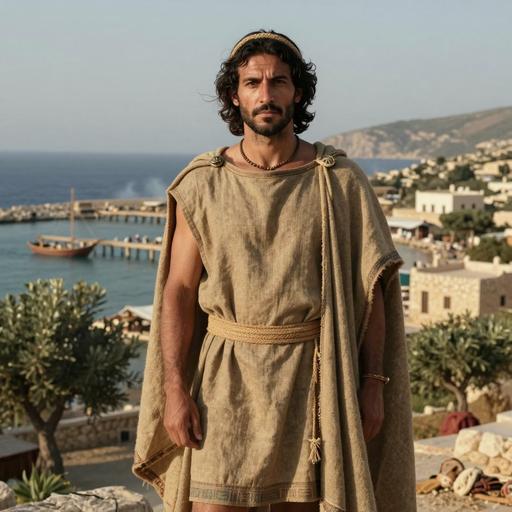
The Middle Bronze Age in Lebanon, traditionally dated between 2000 and 1550 BCE, represents a vibrant period in the ancient Near East, particularly within the territory historically known as Canaan. This era is characterized by significant cultural, social, and technological developments, revealing a complex society underpinned by both indigenous traditions and a tapestry of external influences.
Geographic and Environmental Context
Lebanon, with its strategic position along the eastern coast of the Mediterranean, served as a crucial intersection for trade and cultural exchange. The country is known for its diverse topography, including the fertile Bekaa Valley and the rugged Lebanon and Anti-Lebanon mountain ranges, which contributed to varied agricultural practices and facilitated the development of prosperous city-states.
Societal and Political Structures
During the Middle Bronze Age, Lebanon was predominantly organized into city-states, each operating as an independent political entity. These city-states, such as Byblos, Sidon, and Tyre, were typically ruled by kings or local chieftains and were centers of trade, administration, and culture. This era witnessed the rise of powerful urban centers characterized by complex social hierarchies, with a governing elite that wielded significant influence over political and economic life.
Economy and Trade
The economy of Middle Bronze Age Lebanon was varied and robust, centered primarily on agriculture, craft production, and trade. The fertile lands supported the cultivation of crops such as wheat, barley, olives, and grapes, while the coastal location facilitated trade across the Mediterranean. Lebanese cities became key trading hubs, engaging in extensive exchange networks with Egypt, Mesopotamia, Anatolia, Cyprus, and the Aegean, among others. Items traded included cedar wood, known for its quality and mentioned in numerous ancient texts, as well as olive oil, wine, and luxury goods such as textiles, metalwork, and pottery.
Culture and Religion
Canaanite religion during this period was polytheistic, with a pantheon that included gods such as El, Baal, and Astarte. Religious practices were an integral part of daily life, often centered around temples that formed the focal point of city-states. Rituals and offerings played a significant role in maintaining societal harmony and appeasing the deities.
The cultural life of the Canaanites was rich and diverse, evidenced by the archaeological remnants of art, architecture, and writing. The Middle Bronze Age saw the development of monumental architecture, including fortified city walls and elaborate palaces. Artistic expression was manifested through pottery, sculpture, and jewelry, often reflecting both local and foreign influences.
Technological and Architectural Advancements
The Middle Bronze Age was marked by several technological innovations, particularly in metallurgy and construction. The ability to work with bronze, an alloy of copper and tin, represented a significant technological leap. The impact of this advancement was seen in improved tools, weapons, and artistic artifacts.
Architecturally, the era was notable for the construction of massive fortifications around city-states, demonstrating advanced engineering skills and the societal importance of defense and security. Buildings such as palaces and temples were elaborately designed, showcasing the wealth and power of the ruling elite.
External Influences and Interactions
Lebanon's interaction with neighboring cultures had a profound influence on the development of its Middle Bronze Age society. The Egyptian presence, for example, is well-documented, with evidence of diplomatic and trade relations. The cultural borrowings from Mesopotamia and Anatolia are evident in religious practices, art motifs, and administrative systems.
End of the Era
The transition from the Middle to the Late Bronze Age was characterized by a series of upheavals, including shifts in trade routes, climatic changes, and possibly foreign invasions. These changes led to the decline of some city-states while paving the way for new cultural and political dynamics in the region.
In conclusion, the Middle Bronze Age of Lebanon, encapsulated within the broader Canaanite culture, represents a period of dynamic growth and exchange. This era laid the foundations for future developments in the ancient Near East and left a legacy of cultural richness and historical significance that continues to intrigue scholars and historians today.