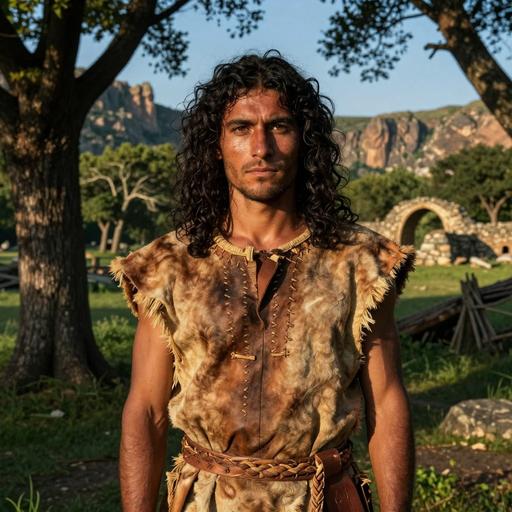
The Kotias Period Georgia, referring to the era of Caucasian hunter-gatherers, is a fascinating epoch in the prehistoric narrative of the Caucasus region. This period is characterized by its unique adaptation strategies, technological advancements, and complex social structures amidst the challenging geographical and climatic conditions of the region.
Geography and Environment
Kotias Period Georgia unfolds in the rich and varied landscapes of the Caucasus, a region known for its diverse topography, ranging from alpine mountain ranges to dense forests and fertile valleys. During this time, the climate was undergoing significant fluctuations, transitioning from the last phases of the Ice Age into more temperate conditions. These environmental changes provided both challenges and opportunities to the hunter-gatherer communities.
Subsistence and Adaptation
The Kotias hunter-gatherers exhibited sophisticated strategies for subsistence, relying heavily on the rich biodiversity of the Caucasus. Their diet included hunting large and small game, such as deer, boar, and aurochs, complemented by foraging for nuts, berries, and edible plants. The abundance of rivers and streams also made fishing an essential part of their diet. The hunter-gatherer groups expertly adapted to seasonal migrations of animals and changing plant availability, demonstrating an acute understanding of their natural surroundings.
Tool Technology
During this period, there was a significant evolution in tool-making techniques, with a marked shift from simple flake tools to more specialized implements. The Kotias people were adept at crafting microliths – small, sharp stone tools – which were likely used as composite tools for hunting and processing plants. These technological advancements indicate a level of innovation and skill that facilitated more efficient exploitation of available resources.
Social Structure and Organization
The Kotias Period communities likely organized themselves into small, familial bands, which were predominantly egalitarian. Social structures were possibly flexible, allowing for the mobility needed in a hunter-gatherer society. Evidence suggests that communal living was centered around seasonal camps, which were strategically located to maximize access to resources. The social life of these communities may have been rich with traditions and oral histories, facilitating a strong sense of identity and continuity.
Cultural and Spiritual Life
Though direct evidence of spiritual life from this period is scarce, it can be inferred that the Kotias hunter-gatherers held complex belief systems interconnected with nature. Artifacts such as carved figurines and decorative items suggest a symbolic or ritualistic aspect to their culture. These communities might have engaged in shamanistic practices or ancestral worship, seeing themselves as an integral part of the natural world.
Interaction and Trade
There is some evidence to suggest that the Kotias people engaged in trade or interaction with neighboring groups. Exchange networks may have facilitated the spread of ideas, technology, and materials across regions, fostering a dynamic cultural landscape. Such interactions would have been pivotal in the dissemination of innovations and the establishment of social ties beyond immediate kinship groups.
Conclusion
The Kotias Period in Georgia represents a remarkable chapter in the prehistoric Caucasus, showcasing the resilience and adaptability of early human societies. Through their ingenious subsistence strategies, technological innovations, and rich cultural milieus, these ancient hunter-gatherers left an indelible mark on the region's history, laying foundational aspects for subsequent cultural developments. Their legacy is echoed in the archaeological record, offering valuable insights into the human capacity for adaptation in diverse and changing environments.