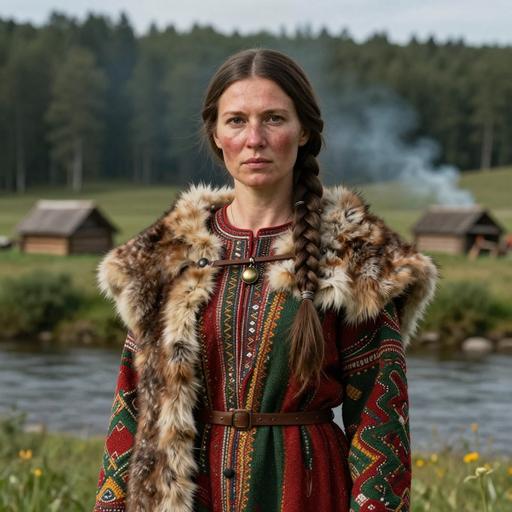
The Kusnarenkovo-Karajakupovo culture is an archaeological culture that is part of the larger Finno-Ugric cultural and ethnic complex. It is located primarily in the region that is now modern-day Russia and dates back to the medieval period. This culture is identified with the scattered remains and artifacts found near the villages of Kusnarenkovo and Karajakupovo, among other sites. The culture is noted for its unique blend of influences due to its geographical location, where it interacted with various surrounding peoples and cultures.
Geographic and Temporal Context
The Kusnarenkovo-Karajakupovo culture flourished roughly between the 6th and the 14th centuries AD. It was situated predominantly in the forest-steppe and forest zones along the Volga and Kama rivers, areas rich in resources that supported a primarily agrarian way of life, but also allowed for hunting, fishing, and gathering. These geographical features contributed to the development of a culture that was both self-sufficient and integrally connected to nature.
Economic Practices
Agriculture was the backbone of the Kusnarenkovo-Karajakupovo economy. The culture practiced a form of slash-and-burn agriculture, which involved clearing parts of the forest and using the ash as a nutrient-rich soil amendment. They grew primarily rye, barley, and oats. In addition to farming, the community engaged in animal husbandry, raising livestock such as cattle, sheep, and pigs, which provided both food and raw materials like wool and hides.
Fishing and hunting also played significant roles in their economy, taking advantage of the abundant water resources and forests. The proximity to rivers served as transport routes that facilitated trade, leading to interactions with other groups and the exchange of goods, which included tools, ornaments, and raw materials.
Material Culture and Artifacts
The material culture of the Kusnarenkovo-Karajakupovo people is characterized by distinctive pottery, textiles, and metalwork. Pottery often included undecorated or simply decorated vessels made of clay, used as everyday items for storage, cooking, and serving food. The artifacts reveal a society skilled in crafting with bronze and iron, including tools, weapons, and decorative items such as jewelry.
Textiles were typically made from wool and flax, with techniques such as weaving and embroidery documented by archaeologists through surviving remnants. Clothing styles likely included tunics, cloaks, and headwear, reflecting both practical needs and cultural aesthetics.
Social Structure and Settlement Patterns
The social organization of the Kusnarenkovo-Karajakupovo culture was likely kin-based and tribal, with settlements comprising small villages or clusters of family units. Archaeological evidence suggests these communities were comprised of semi-permanent dwellings such as log houses or earthen dugouts. Villages were strategically located near water sources or fertile lands, ensuring easy access to the resources needed for survival.
Religious Beliefs and Practices
The religious beliefs of the Kusnarenkovo-Karajakupovo culture are less well-documented but likely involved animistic elements common among Finno-Ugric peoples. Nature worship, spirituality connected to the land and environment, and reverence for ancestral spirits would have been integral to their spiritual worldview. Burial practices provide insight into their beliefs about the afterlife, often indicating a community that valued the protection and veneration of their deceased.
Interaction with Other Cultures
Due to its location, the Kusnarenkovo-Karajakupovo culture engaged with several neighboring peoples and cultures, including Slavic, Turkic, and other Finno-Ugric groups. These interactions brought changes and adaptations, evident in the material culture and technological innovations adopted by the Kusnarenkovo-Karajakupovo.
Overall, the medieval Kusnarenkovo-Karajakupovo culture represents a fascinating blend of traditional Finno-Ugric elements and the influences of surrounding peoples. They thrived through an adaptive lifestyle that balanced agricultural activity with hunting and trade, maintaining their cultural identity amid a dynamic and changing landscape.