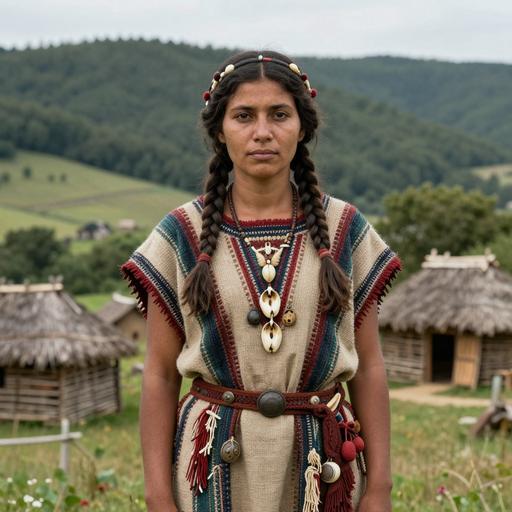
The Iclod Culture is a lesser-known but fascinating Neolithic culture that emerged during the Danubian era, primarily situated around the Upper Danube basin in Central Europe. This culture, which thrived approximately between 5000 and 4500 BCE, is a part of the broader Neolithic Revolution period, characterized by the rapid spread of agriculture, sedentism, and significant technological advancements.
Geographic Setting
The Iclod Culture was centered in the Pannonian Basin, which includes present-day Hungary, Romania, Serbia, and Austria. This area is defined by its fertile plains, river systems, and temperate climate, making it an ideal location for early agricultural communities. The Danube River, Europe's second-longest river, provided a crucial conduit for trade, travel, and cultural exchange, further enhancing the growth and prosperity of the Iclod Culture.
Agricultural Practices
The Iclod Culture was built on an agricultural foundation, like many other Neolithic societies. This era saw significant advancements in farming technology. The introduction of polished stone tools, such as sickles and grinding stones, facilitated the efficient cultivation and harvesting of crops. The people of the Iclod Culture primarily grew cereals such as wheat and barley, along with pulses like lentils and peas. They also engaged in animal husbandry, raising domesticated animals like cattle, sheep, and goats, which provided not only meat but also milk, wool, and hides.
Settlement Patterns
The Iclod communities were predominantly composed of small to medium-sized settlements, often situated on elevated terrains or near riverbanks to minimize the risk of flooding. The villages typically consisted of longhouses built using local materials like timber, clay, and straw. These structures served both as family dwellings and storage areas for surplus goods. The settlement pattern reflects a tightly-knit community with kinship ties central to social organization.
Social Structure and Organization
The social structure of the Iclod Culture remains an area ripe for research, but archaeological evidence suggests a relatively egalitarian society. There is little evidence of pronounced social stratification, such as palaces or elaborate burials indicating a hierarchical elite. Instead, the culture likely functioned on a tribal basis, with decisions made by consensus or through the leadership of elders or respected individuals.
Material Culture
The material remains of the Iclod Culture reveal a sophisticated artistic expression. Pottery was a significant aspect of their material culture, often decorated with geometric patterns, lines, and spirals—reflective of aesthetic values and possibly symbolic meanings. Stone tools crafted with meticulous precision demonstrate their technological prowess, while clay figurines suggest a possible ritualistic or religious component to their culture. The existence of personal adornments, such as beads made from bone and shell, indicates an appreciation for personal decoration and status markers.
Trade and Economy
Situated along the Danube, the Iclod Culture engaged in trade with neighboring communities and cultural groups. The exchange network facilitated the movement of goods like obsidian, flint, and raw materials not locally available. Trade played a crucial role in cultural interaction, allowing for the exchange of ideas, technologies, and cultural practices, contributing to the dynamic nature of the Iclod Culture.
Religious Beliefs and Practices
Although concrete evidence of the specific religious beliefs of the Iclod people is sparse, the presence of figurines and symbolic pottery motifs suggests a spiritual component. These artifacts, along with burial practices involving grave goods, imply a belief in an afterlife or spiritual realm. Shamans or spiritual leaders might have held significant roles within the community, conducting rituals to ensure successful harvests or protection from adverse forces.
Conclusion
The Iclod Culture represents an intriguing chapter in the broader narrative of Neolithic Europe. Through the remnants of their settlements, agricultural practices, and material culture, they demonstrate a society that was innovative, interconnected, and rich in cultural expression. The Iclod Culture adds depth to our understanding of the Neolithic era, highlighting the regional variations and complexities of early agrarian societies in the Danubian basin.