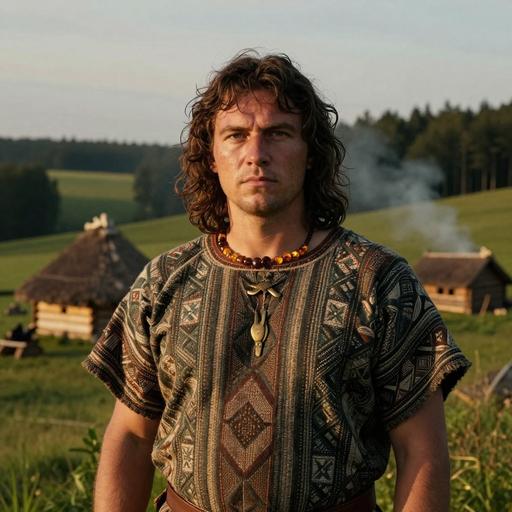
The Bronze Age in Lithuania, part of the broader Baltic region, spans approximately from 2000 BCE to 500 BCE, a period marked by significant cultural development and external influences. While detailed historical records from this era are sparse, archaeological findings offer a glimpse into the lives of the people inhabiting this region during the Bronze Age.
Geographic and Environmental Context:
Bronze Age Lithuania was characterized by its diverse geography, including lush forests, numerous rivers, and access to the Baltic Sea's coastlines. This environment influenced the lifestyle and subsistence strategies of its inhabitants. The region's rich natural resources, such as amber, played a crucial role in trade, while the fertile land supported agricultural activities.
Cultural and Social Structures:
Settlement Patterns:
- Inhabitants lived in small, often semi-permanent, communities typically located near rivers or other water sources. These settlements were primarily composed of wooden structures and were organized around family units or small kin groups.
- Evidence suggests some degree of societal stratification, likely based on wealth, access to resources, and role in the community.
Economy and Trade:
- Agriculture was central, with communities cultivating crops such as barley, wheat, and rye, alongside livestock raising, including cattle, pigs, and sheep.
- The Baltic Sea and inland waterways facilitated trade routes, allowing for the exchange of goods like amber, fur, and crafted items with neighboring regions and distant cultures.
- Amber, abundant in the area, became a highly valued commodity traded across Europe, providing a vital economic link to the cultures of Central and Western Europe, as well as the Mediterranean.
Technology and Craftsmanship:
- The introduction and utilization of bronze significantly impacted tool and weapon manufacturing, enhancing agricultural efficiency and military capability.
- Metallurgical skills were advanced, with evidence of local smelting and forging of bronze into weapons, tools, and decorative items.
- Pottery became more refined, with distinct styles emerging that likely held cultural or regional significance.
Rituals and Beliefs:
- Religious practices in Bronze Age Lithuania were heavily animistic, worshipping natural elements and involving rituals conducted at sacred sites such as groves, springs, and rivers.
- Burial customs varied, with some evidence of cremations and tumulus burials, suggesting a developing complexity in beliefs regarding death and the afterlife.
- The artifacts found in graves indicate a belief in an afterlife, as personal possessions, weapons, and ornaments often accompanied the deceased.
Cultural Interactions:
- Lithuania's location facilitated interactions with a variety of cultures, including those from Scandinavia, the Central European Urnfield culture, and the expansive Indo-European peoples.
- These interactions brought new cultural elements and technologies, influencing local practices while contributing to the area's unique cultural synthesis.
Decline and Transition:
By the end of the Bronze Age, the region experienced significant changes, underscored by shifting trade patterns, climatic changes, and the gradual transition into what would become the Iron Age. These factors, combined with evolving cultural and technological advancements, laid the groundwork for the later historical development of the Baltic tribes, particularly the Balts.
The Bronze Age left an indelible mark on Lithuania's cultural landscape, setting the stage for its subsequent historical evolution. Though much remains to be discovered about this era, the archaeological record provides essential insights into the transitional journey from a prehistoric to a more organized and interconnected society.