انتقل إلى المحتوى الرئيسي
Y-DNA · سلالة أبوية

E1B1B1

Y-DNA Haplogroup E1B1B1

ملف مرجعي لفرع واحد من السلالة. لا تثبت المجموعات الفردانية المشتركة صلة عائلية ولا تحدّد الهوية الثقافية.

الملف المرجعي

خلفية الفرع

السياق التاريخي لفرع E1B1B1 من سلالة Y-DNA

Origins and Evolution

Y-DNA haplogroup E1B1B1 (E-M35) is a primary branch of the parent clade E1B1B (E-M215). It likely formed in Northeast Africa in the Late Pleistocene to early Holocene (roughly ~22 kya, with uncertainty across dating methods). From this ancestral node E-M35 diversified into multiple downstream lineages that spread northward into North Africa and the Near East and west and north into the Mediterranean and parts of Europe. Genetic and phylogeographic evidence indicates that E-M35 experienced subsequent pulses of expansion during the Holocene, particularly associated with post-glacial re-colonization, Neolithic demic diffusion, and later historical migrations.

Subclades

E-M35 has several well-characterized subclades that show distinct geographic and temporal patterns. Important lineages include:

  • E-M78: Frequently found in Northeast Africa, the Levant, and parts of Southeastern Europe; associated with Holocene expansions and localized European sub-branches.
  • E-V13 (a subclade of M78): Common in the Balkans and parts of Europe, often interpreted as a European Neolithic/post-Neolithic expansion signal.
  • E-M81: Predominant in Northwest Africa and closely associated with Berber-speaking populations; a strong regional marker of North African paternal ancestry.
  • E-V22 / E-V65 and other branches: Found with varying frequencies across the Horn of Africa, North Africa and the Near East, reflecting complex migration and contact events.

These subclades demonstrate how E-M35 diversified regionally after originating in Northeast Africa and then contributed to local paternal gene pools in different ways.

Geographical Distribution

E-M35 shows a broad, discontinuous distribution reflecting multiple dispersal episodes:

  • High frequencies in parts of the Horn of Africa and Northeast Africa, where deep local lineages persist.
  • High to moderate frequencies across North Africa, often dominated regionally by E-M81 in the Maghreb.
  • Moderate frequencies in the Near East and Levant, where E-M35 lineages intermingle with other West Eurasian haplogroups.
  • Present at variable frequencies in southern Europe, especially the Balkans, Italy and parts of Iberia—reflecting prehistoric Mediterranean contacts and later historical movements (e.g., Phoenician, Greek, Roman, Arab periods).
  • Detectable at low levels in western/central Europe and in the Americas where present as a result of historical migrations and the African diaspora.

Historical and Cultural Significance

E-M35 and its subclades have been implicated in several archaeological and historical processes:

  • Neolithic and Maritime Neolithic dispersals: Some E-M35 lineages likely moved with early farmers and maritime colonists across the Mediterranean (e.g., Cardial/Impressed Ware horizons), contributing to the genetic make-up of southern European populations.
  • North African/Levantine interactions: E-M35 lineages are tied to long-term connections across the southern Mediterranean, visible during Phoenician colonization, Greek and Roman eras, and later Islamic expansions.
  • Berber identity and northwestern African structure: E-M81 (a daughter lineage within the broader E-M35 complex) is strongly associated with Berber-speaking populations and regional demographic history in the Maghreb.
  • Horn of Africa continuity: Deep-branching E-M35 lineages in Ethiopia, Somalia and neighboring areas reflect ancient local continuity and later gene flow with Near Eastern groups.
  • Trans-Saharan and Atlantic slave-trade impacts: E-M35 appears in the Americas and parts of the Atlantic world as a component of African-derived paternal ancestry resulting from historical slave trade.

Conclusion

E1B1B1 (E-M35) is a pivotal clade for understanding paternal gene flow between Africa and Eurasia during the Late Pleistocene and Holocene. Its diverse subclades record regional differentiations—North African, Horn of Africa, Near Eastern and Mediterranean European—that reflect both prehistoric expansions (notably Neolithic and Holocene demographic processes) and later historical movements (trade, colonization, and migration). As such, E-M35 is central to reconstructing the genetic and demographic history of populations bordering the Mediterranean and the Horn of Africa.

أبرز النقاط

  • Origins and Evolution
  • Subclades
  • Geographical Distribution
  • Historical and Cultural Significance
  • Conclusion
الملف المرجعي

شجرة السلالة والفروع المرتبطة

موضع الفرع في شجرة السلالة وفروعه الفرعية

مسار تفرّع السلالة

تتبّع الفروع الأصلية المسجّلة وصولًا إلى E1B1B1. التواريخ تقديرية وقد تتغيّر عند تحديث البيانات المرجعية.

خطوات التفرّع المجموعة الفردانية العمر التقديري الحقبة الأثرية المدة المنقضية الفروع المباشرة العينات الحديثة المختبَرة الارتباطات القديمة
1 E1B1B1 الفرع الحالي ~22,000 years ago Mesolithic 22,000 سنة 2 1,055 0
2 E1B1B ~26,000 years ago Paleolithic 26,000 سنة 1 1,116 2
3 E1B1 ~28,000 years ago Paleolithic 28,000 سنة 2 1,572 0
4 E1B ~30,000 years ago Paleolithic 30,000 سنة 1 1,583 0
5 E1 ~50,000 years ago Paleolithic 50,000 سنة 2 1,667 2
6 E ~50,000 years ago Paleolithic 50,000 سنة 3 1,813 3
الملف المرجعي

أماكن وجود الفرع

التوزيع الجغرافي والوجود الحالي

الأصل المسجّل

NorthEast Africa

التوزيع الحالي

The populations where Y-DNA haplogroup E1B1B1 is found include:

  1. Berber (Amazigh) groups of North Africa
  2. Ethiopian, Somali and other Horn of Africa populations
  3. Egyptian and Nile Valley populations
  4. Levantine and Near Eastern populations (e.g., Palestinians, Lebanese)
  5. Southern European populations, especially the Balkans, Italy and parts of Iberia
  6. Sahel and some East African pastoralist groups
  7. Jewish communities (at variable frequencies in some Levantine and Mediterranean groups)
  8. African-descended populations in the Americas and Caribbean (resulting from the transatlantic slave trade)

الوجود حسب المنطقة

North Africa High
East Africa (Horn) High
Near East Moderate
Southern Europe Moderate
Western Europe Low
Eastern Europe / Balkans Low
Western Asia (Arabian Peninsula) Low
North America (diaspora) Low
Northeast Africa High
Horn of Africa High
North Africa High
West Africa / Sahel Low
السياق التاريخي

تاريخ الفرع

تقدير زمن نشأة الفرع ضمن تسلسل تاريخي عام. توفّر الفترات سياقًا زمنيًا دون إثبات صلة بثقافات بعينها.

  1. ~22k سنة مضت

    المجموعة الفردانية E1B1B1

    تقدير نشأة فرع Y-DNA. التواريخ والمواقع تقديرات مرجعية.

    هذا الفرع
  2. ~20k سنة مضت

    ذروة العصر الجليدي الأخير

    بلغ التجلّد ذروته وانعزلت مجموعات سكانية

  3. ~10k سنة مضت

    ثورة العصر الحجري الحديث

    ظهور الزراعة وتشكّل المجتمعات المستقرّة

  4. ~5k سنة مضت

    العصر البرونزي

    صناعة المعادن والكتابة والحضارات المبكرة

  5. ~3k سنة مضت

    العصر الحديدي

    أدوات الحديد واتّساع شبكات التجارة

  6. ~2.5k سنة مضت

    العصور الكلاسيكية القديمة

    ازدهار الحضارتين اليونانية والرومانية

  7. Present

    الحاضر

    العصر الحديث

الملف المرجعي

السياق الأثري

الارتباطات الأثرية المسجّلة لفرع E1B1B1 من Y-DNA

الارتباطات المسجّلة

تصف هذه التسميات السياقات الأثرية المسجّلة للعينات المرجعية المرتبطة بـ E1B1B1. لا يثبت الارتباط انتماء جميع حاملي الفرع إلى ثقافة بعينها أو اتّباعهم مسار هجرة محدّدًا.

Algeria_Afalou_Paleolithic Early Avar Moroccan Transitional Natufian PPNB Tell Atchana Tisza Culture
يستند تصنيف الثقافات إلى السياق الأثري لعينات الحمض النووي القديم، وقد يعكس ارتباطات إقليمية خلال فترات محدّدة.
الملف المرجعي

فهرس العينات

عينات المجموعة الفردانية E1B1B1: 1 مطابقة مباشرة و@downstreamCount من الفروع الفرعية

10 معروضة · 27 عينة مطابقة

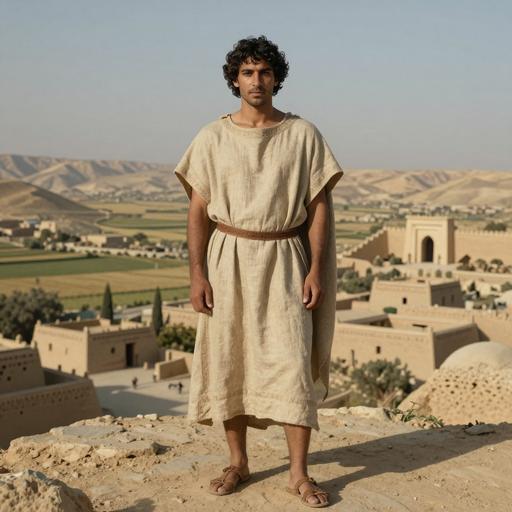
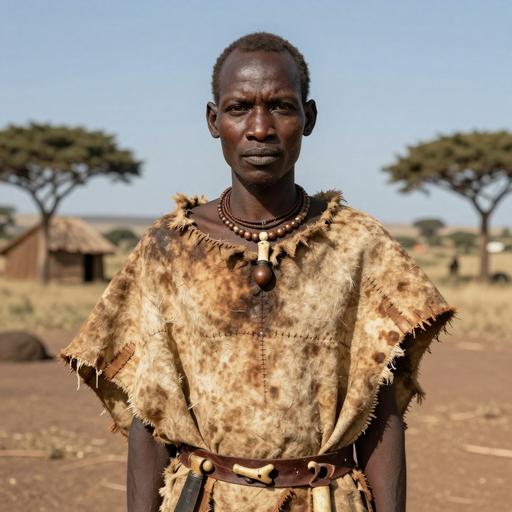
الصور الشخصية رسوم مولّدة بالذكاء الاصطناعي. تحدّد أسماء العينات ومعرّفات الإيداع السجلات المرجعية.

الصورة الشخصية العينة البلد الحقبة التاريخ الثقافة Y-DNA نوع التطابق
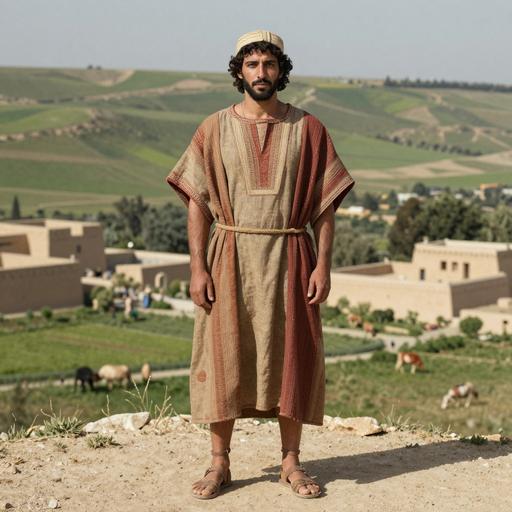
صورة توضيحية مولّدة بالذكاء الاصطناعي للعينة MLBA individual, Hatay. Tell Atchana (Alalakh), Turkey (2,000-1,200 BCE)
معرّف العينة: ALA136
Turkey Middle to Late Bronze Age Tell Atchana, Turkey 2000-1200 BCE Tell Atchana E1b1b1 تطابق مباشر
صورة توضيحية مولّدة بالذكاء الاصطناعي للعينة Pastoral N individual, Gishimangeda Cave, Tanzania (47-113 BCE)
معرّف العينة: I13977
Tanzania Prehistoric in Tanzania 47 calBCE - 113 calCE (2005±20 BP, PSUAMS-5652) Tanzanian Prehistoric E1b1b1b2b2 فرع فرعي
صورة توضيحية مولّدة بالذكاء الاصطناعي للعينة LSA individual, Victoria Nyanza. Kisumu. Jawuoyo Rockshelter, Kenya (84-211 BCE)
معرّف العينة: I8808
Kenya Kenya LSA 119-216 calCE (1895±15 BP, PSUAMS-4783) LSA Kenya E1b1b1a1b2 فرع فرعي
صورة توضيحية مولّدة بالذكاء الاصطناعي للعينة Pastoral N IA-o individual, Gishimangeda Cave, Tanzania (200-1 BCE)
معرّف العينة: I13762
Tanzania Prehistoric and Iron Age in Tanzania 163-59 calBCE (2140±15 BP, PSUAMS-5458) Tanzania Multi-Period E1b1b1b2b2a1 فرع فرعي
صورة توضيحية مولّدة بالذكاء الاصطناعي للعينة Pastoral N individual, Nyandarua. Ol Kalou, Kenya (215-326 BCE)
معرّف العينة: I12384
Kenya Kenya PastoralN 229-358 calCE (1800±20 BP, PSUAMS-4940) Pastoral Neolithic E1b1b1b2b2a1 فرع فرعي
صورة توضيحية مولّدة بالذكاء الاصطناعي للعينة Pastoral N individual, Gishimangeda Cave, Tanzania (245-368 CE)
معرّف العينة: I13972
Tanzania Prehistoric in Tanzania 245-368 calCE (1780±25 BP, PSUAMS-5651) Tanzanian Prehistoric E1b1b1b2b2 فرع فرعي
صورة توضيحية مولّدة بالذكاء الاصطناعي للعينة Alt Inden Early Medieval-o Levant individual, North Rhine-Westphalia. Alt-Inden, Germany (400-800 CE)
معرّف العينة: IND009
Germany Saxon Early Medieval Alt Inden, Germany 400-800 CE Saxon Culture E1b1b1a1b1a فرع فرعي
صورة توضيحية مولّدة بالذكاء الاصطناعي للعينة Pastoral N individual, Molo Cave. GoJi3, Kenya (437-600 BCE)
معرّف العينة: MOL001
Kenya Molo Cave Pastoral Neolithic in Kenya 541-637 calCE (1532±21 BP, OxA-37360) Molo Cave Culture E1b1b1b2b فرع فرعي
صورة توضيحية مولّدة بالذكاء الاصطناعي للعينة Pastoral N individual, Hyrax Hill. GrJj25, Kenya (513-386 BCE)
معرّف العينة: HYR002
Kenya Hyrax Hill Pastoral Neolithic in Kenya 415-202 calBCE (2354±23 BP, OxA-37352) Hyrax Hill E1b1b1b2b فرع فرعي
صورة توضيحية مولّدة بالذكاء الاصطناعي للعينة Piedmont North Early Medieval Lombards-3 individual, Piedmont. Collegno, Italy (580-630 CE)
معرّف العينة: CL38
Italy Early Medieval Langobards, Northern Italy 550-650 CE Langobard E1b1b1a1b1a3 فرع فرعي
أبوية · الحمض النووي القديم

خريطة الأدلة القديمة للسلالة

تتبّع الفروع الأصلية المؤدية إلى هذا الفرع واستكشف مواقع العثور على العينات القديمة المرتبطة به.

جارٍ تحميل السجلات القديمة…

تشير العلامات إلى مواقع الاكتشافات الأثرية. يشير الخط المتقطّع إلى انتقال جغرافي محتمل بين فرعين متتاليين تدعمه عدة سجلات مؤرّخة. لا يحدّد مسارًا دقيقًا أو مكان نشأة ولا يثبت انحدارًا مباشرًا. قد تنتمي عينات الفروع الأصلية إلى فروع متفرّعة أخرى. تبقى الفجوات حيث لا تكفي الأدلة. تختلف تواريخ العينات عن تواريخ نشأة المجموعات الفردانية.

الملف المرجعي

خريطة توزيع العينات

التوزيع الجغرافي لعينات الحمض النووي القديم المطابقة مباشرةً للمجموعة E1B1B1 أو لفروعها الفرعية. عدد العينات: 27

عينة مطابقة مباشرةً عينة من فرع فرعي
التصفية حسب الفترة
جميع الفترات
تُعرض جميع العينات
الملف المرجعي

التوزيع الزمني

توزيع العينات عبر الفترات الأثرية

الملف المرجعي

التوزيع الجغرافي

عدد العينات حسب بلدها المسجّل. تعكس الأعداد العينات المرجعية المتاحة دون قياس تواتر المجموعات الفردانية بين السكان.

الملف المرجعي

توزيع العينات حسب البلد والحقبة

قارن أعداد العينات المسجّلة حسب البلدان والفترات الأثرية. اختر خلية تحتوي على نتائج للاطّلاع على إحدى العينات.

البيانات

البيانات ومصادرها

معلومات المصادر وجودة البيانات

آخر تحديث 2026-06-15
درجة الثقة 50/100
التغطية Low

مصدر البيانات

يعكس التصنيف والتواريخ التقديرية والسياق الجغرافي البيانات المرجعية المسجّلة، وقد تتغيّر مع مراجعة الأدلة. تختلف تغطية العينات، ولا تثبت المواقع المسجّلة والارتباطات الأثرية الأصول الشخصية أو الهوية الثقافية.