Aller au contenu principal
Y-DNA · lignée Paternelle

E1B1B1

Y-DNA Haplogroup E1B1B1

Profil de référence pour une branche de lignée. Des haplogroupes partagés n'établissent pas de lien familial ni d'identité culturelle.

Profil de référence

Contexte de la branche

Contexte historique de la branche de lignée Y-DNA E1B1B1

Origins and Evolution

Y-DNA haplogroup E1B1B1 (E-M35) is a primary branch of the parent clade E1B1B (E-M215). It likely formed in Northeast Africa in the Late Pleistocene to early Holocene (roughly ~22 kya, with uncertainty across dating methods). From this ancestral node E-M35 diversified into multiple downstream lineages that spread northward into North Africa and the Near East and west and north into the Mediterranean and parts of Europe. Genetic and phylogeographic evidence indicates that E-M35 experienced subsequent pulses of expansion during the Holocene, particularly associated with post-glacial re-colonization, Neolithic demic diffusion, and later historical migrations.

Subclades

E-M35 has several well-characterized subclades that show distinct geographic and temporal patterns. Important lineages include:

  • E-M78: Frequently found in Northeast Africa, the Levant, and parts of Southeastern Europe; associated with Holocene expansions and localized European sub-branches.
  • E-V13 (a subclade of M78): Common in the Balkans and parts of Europe, often interpreted as a European Neolithic/post-Neolithic expansion signal.
  • E-M81: Predominant in Northwest Africa and closely associated with Berber-speaking populations; a strong regional marker of North African paternal ancestry.
  • E-V22 / E-V65 and other branches: Found with varying frequencies across the Horn of Africa, North Africa and the Near East, reflecting complex migration and contact events.

These subclades demonstrate how E-M35 diversified regionally after originating in Northeast Africa and then contributed to local paternal gene pools in different ways.

Geographical Distribution

E-M35 shows a broad, discontinuous distribution reflecting multiple dispersal episodes:

  • High frequencies in parts of the Horn of Africa and Northeast Africa, where deep local lineages persist.
  • High to moderate frequencies across North Africa, often dominated regionally by E-M81 in the Maghreb.
  • Moderate frequencies in the Near East and Levant, where E-M35 lineages intermingle with other West Eurasian haplogroups.
  • Present at variable frequencies in southern Europe, especially the Balkans, Italy and parts of Iberia—reflecting prehistoric Mediterranean contacts and later historical movements (e.g., Phoenician, Greek, Roman, Arab periods).
  • Detectable at low levels in western/central Europe and in the Americas where present as a result of historical migrations and the African diaspora.

Historical and Cultural Significance

E-M35 and its subclades have been implicated in several archaeological and historical processes:

  • Neolithic and Maritime Neolithic dispersals: Some E-M35 lineages likely moved with early farmers and maritime colonists across the Mediterranean (e.g., Cardial/Impressed Ware horizons), contributing to the genetic make-up of southern European populations.
  • North African/Levantine interactions: E-M35 lineages are tied to long-term connections across the southern Mediterranean, visible during Phoenician colonization, Greek and Roman eras, and later Islamic expansions.
  • Berber identity and northwestern African structure: E-M81 (a daughter lineage within the broader E-M35 complex) is strongly associated with Berber-speaking populations and regional demographic history in the Maghreb.
  • Horn of Africa continuity: Deep-branching E-M35 lineages in Ethiopia, Somalia and neighboring areas reflect ancient local continuity and later gene flow with Near Eastern groups.
  • Trans-Saharan and Atlantic slave-trade impacts: E-M35 appears in the Americas and parts of the Atlantic world as a component of African-derived paternal ancestry resulting from historical slave trade.

Conclusion

E1B1B1 (E-M35) is a pivotal clade for understanding paternal gene flow between Africa and Eurasia during the Late Pleistocene and Holocene. Its diverse subclades record regional differentiations—North African, Horn of Africa, Near Eastern and Mediterranean European—that reflect both prehistoric expansions (notably Neolithic and Holocene demographic processes) and later historical movements (trade, colonization, and migration). As such, E-M35 is central to reconstructing the genetic and demographic history of populations bordering the Mediterranean and the Horn of Africa.

Points clés

  • Origins and Evolution
  • Subclades
  • Geographical Distribution
  • Historical and Cultural Significance
  • Conclusion
Profil de référence

Arbre et relations

Contexte phylogénétique et sous-clades

Voie évolutive

Suivez les branches parentes consignées jusqu'à E1B1B1. Les dates sont des estimations et peuvent évoluer lorsque les données de référence sont révisées.

Étapes Haplogroupe Âge estimé Époque archéologique Temps écoulé Descendants immédiats Descendants modernes testés Liens anciens
1 E1B1B1 Actuel ~22,000 years ago Mesolithic 22,000 ans 2 1,055 0
2 E1B1B ~26,000 years ago Paleolithic 26,000 ans 1 1,116 2
3 E1B1 ~28,000 years ago Paleolithic 28,000 ans 2 1,572 0
4 E1B ~30,000 years ago Paleolithic 30,000 ans 1 1,583 0
5 E1 ~50,000 years ago Paleolithic 50,000 ans 2 1,667 2
6 E ~50,000 years ago Paleolithic 50,000 ans 3 1,813 3
Profil de référence

Dans le monde

Distribution géographique et présence moderne

Origine consignée

NorthEast Africa

Distribution moderne

The populations where Y-DNA haplogroup E1B1B1 is found include:

  1. Berber (Amazigh) groups of North Africa
  2. Ethiopian, Somali and other Horn of Africa populations
  3. Egyptian and Nile Valley populations
  4. Levantine and Near Eastern populations (e.g., Palestinians, Lebanese)
  5. Southern European populations, especially the Balkans, Italy and parts of Iberia
  6. Sahel and some East African pastoralist groups
  7. Jewish communities (at variable frequencies in some Levantine and Mediterranean groups)
  8. African-descended populations in the Americas and Caribbean (resulting from the transatlantic slave trade)

Présence régionale

North Africa High
East Africa (Horn) High
Near East Moderate
Southern Europe Moderate
Western Europe Low
Eastern Europe / Balkans Low
Western Asia (Arabian Peninsula) Low
North America (diaspora) Low
Northeast Africa High
Horn of Africa High
North Africa High
West Africa / Sahel Low
Contexte historique

Une branche dans le temps

Formation estimée sur une chronologie historique large. Les repères de période servent de contexte et n'impliquent pas de lien avec des cultures particulières.

  1. Il y a ~22k ans

    Haplogroupe E1B1B1

    Formation estimée de cette branche Y-DNA ; les dates et les lieux sont des estimations de référence.

    Cette branche
  2. Il y a ~20k ans

    Dernier maximum glaciaire

    Apogée de la dernière période glaciaire, populations isolées

  3. Il y a ~10k ans

    Révolution néolithique

    Début de l'agriculture et émergence de communautés sédentaires

  4. Il y a ~5k ans

    Âge du bronze

    Travail des métaux, écriture et premières civilisations

  5. Il y a ~3k ans

    Âge du fer

    Outils en fer, réseaux d'échanges élargis

  6. Il y a ~2.5k ans

    Antiquité classique

    Floraison des civilisations grecque et romaine

  7. Aujourd'hui

    Aujourd'hui

    Époque moderne

Profil de référence

Contexte archéologique

Associations archéologiques consignées pour la branche Y-DNA E1B1B1

Associations consignées

Ces libellés décrivent des contextes archéologiques consignés pour des échantillons de référence liés à E1B1B1. Une association n'établit pas que tous les porteurs appartenaient à une culture ni qu'ils ont suivi une route migratoire précise.

Algeria_Afalou_Paleolithic Early Avar Moroccan Transitional Natufian PPNB Tell Atchana Tisza Culture
Les attributions culturelles reposent sur le contexte archéologique des échantillons d'ADN ancien et peuvent refléter des associations régionales à certaines périodes.
Profil de référence

Catalogue d'échantillons

1 porteur direct et 26 porteurs de sous-clade de l'haplogroupe E1B1B1

10 affiché(s) · 27 échantillons correspondants

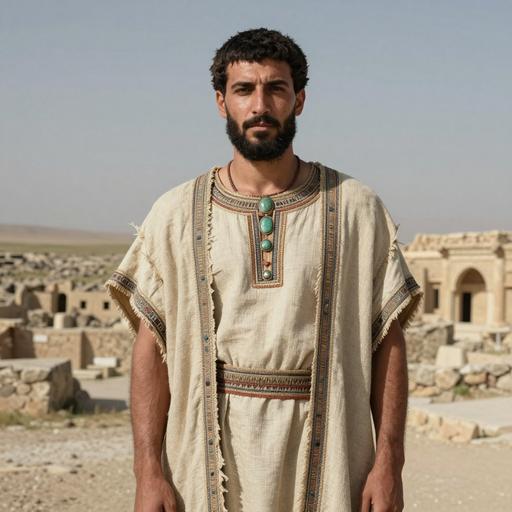
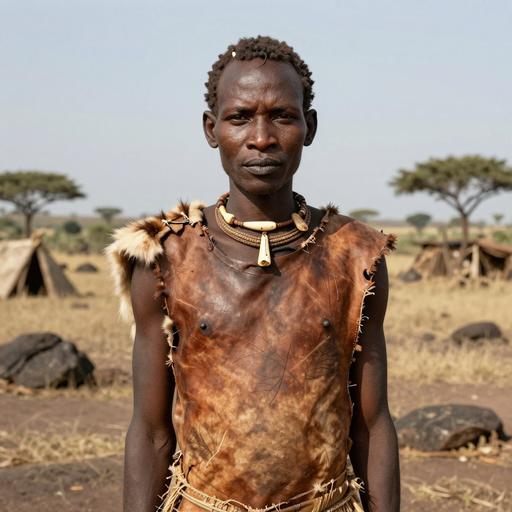
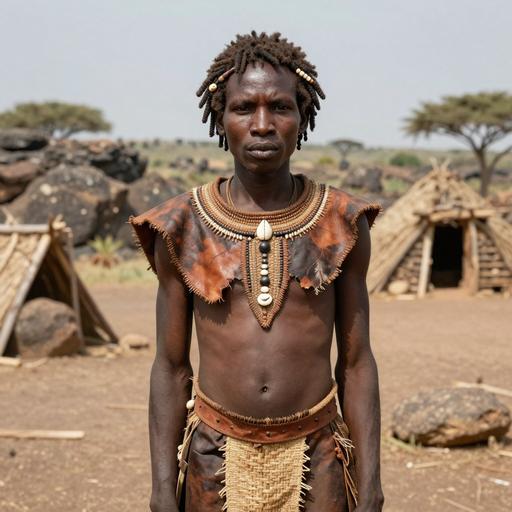
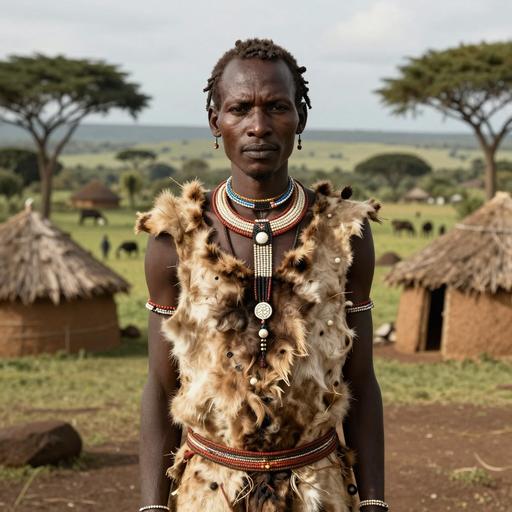
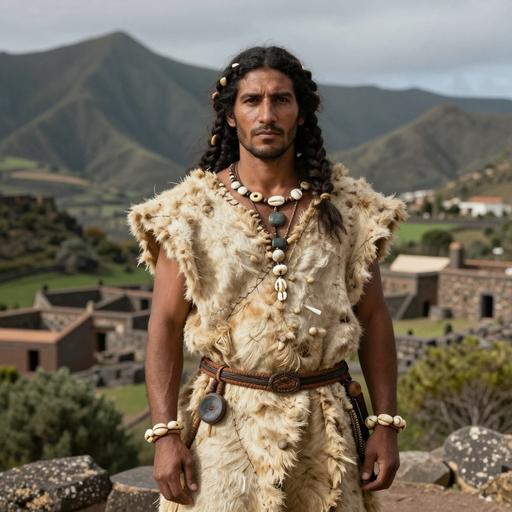
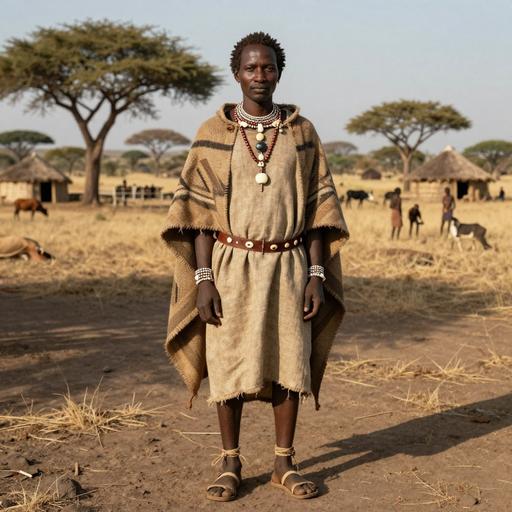
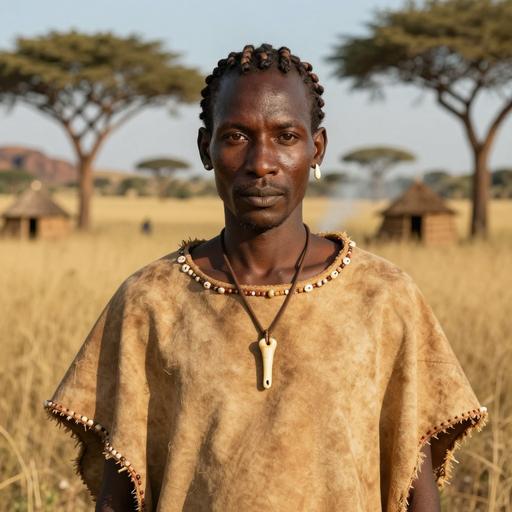
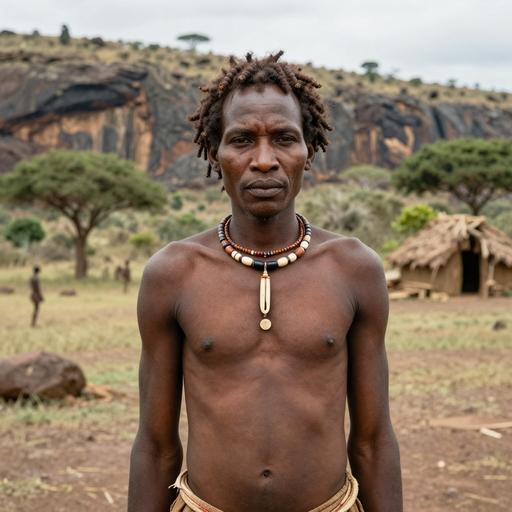
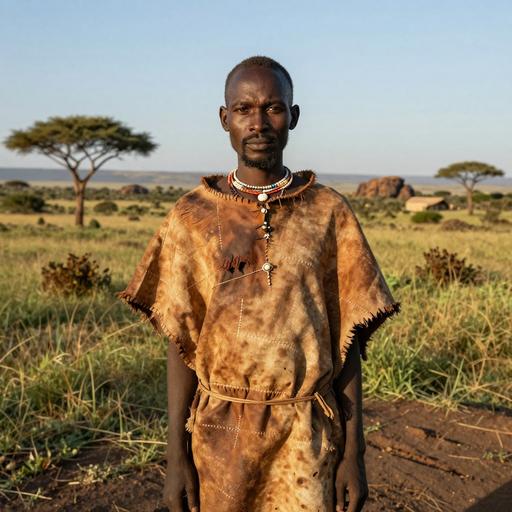
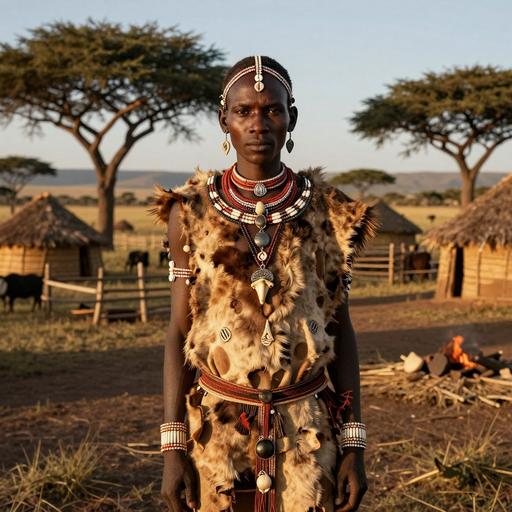
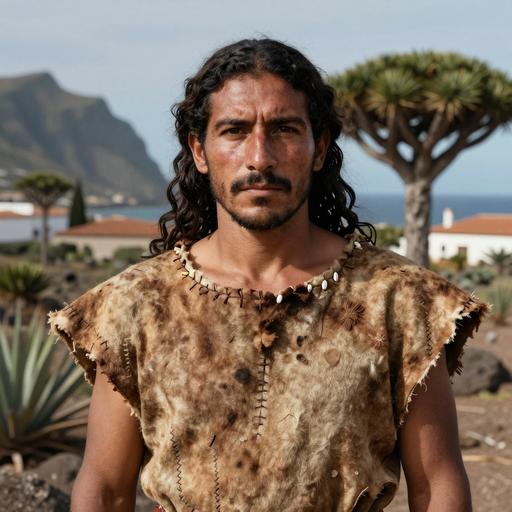
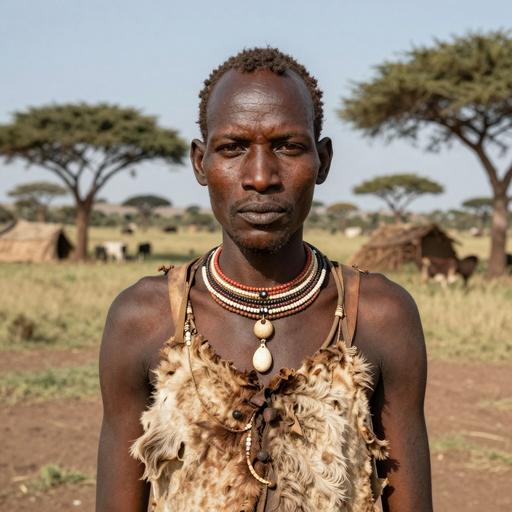
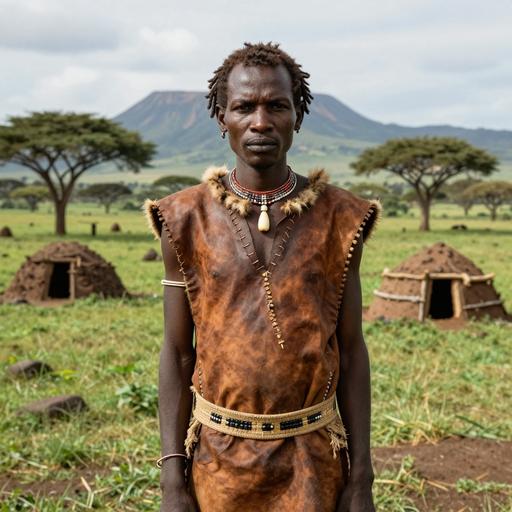
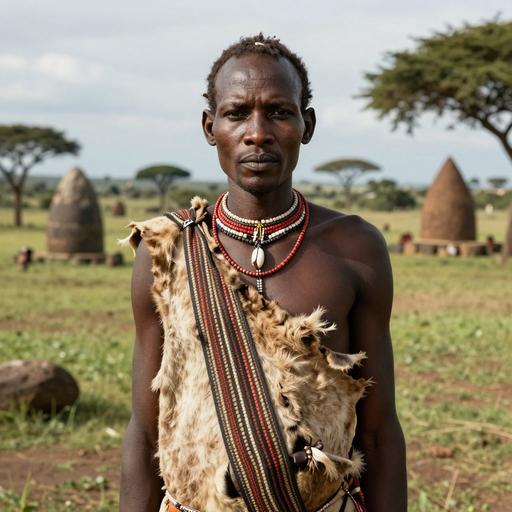
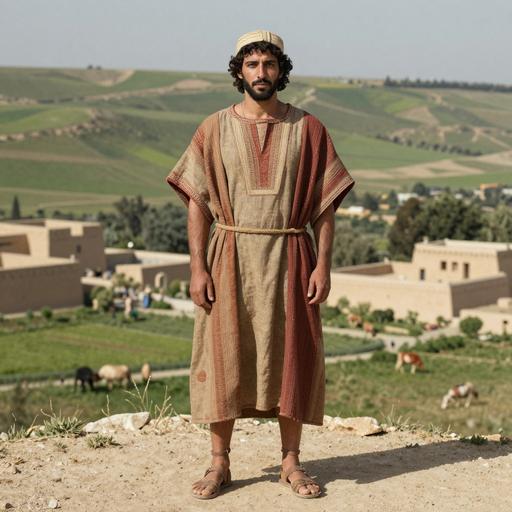
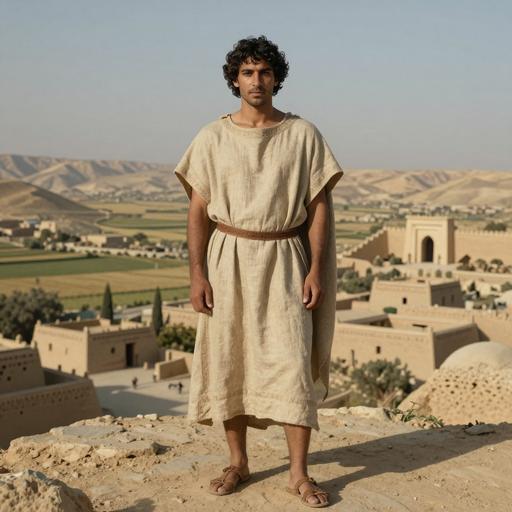
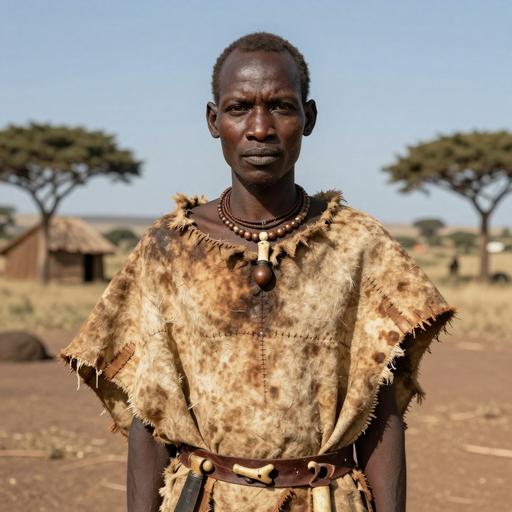
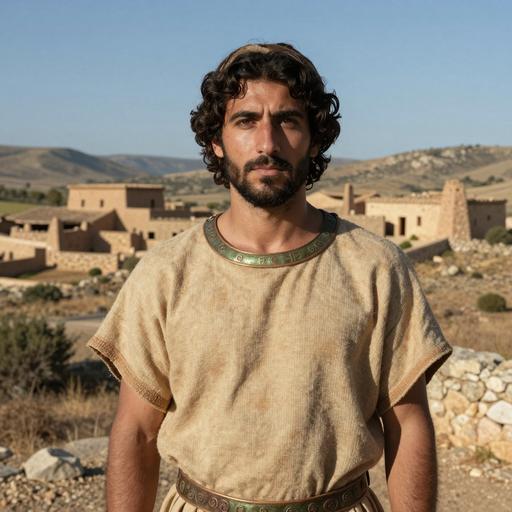
Les portraits sont des illustrations générées par IA. Les libellés d'échantillon et identifiants d'accès désignent les enregistrements de référence.

Portrait Échantillon Pays Époque Date Culture Y-DNA Correspondance
Portrait illustratif généré par IA de MLBA individual, Hatay. Tell Atchana (Alalakh), Turkey (2,000-1,200 BCE)
Identifiant d'échantillon : ALA136
Turkey Middle to Late Bronze Age Tell Atchana, Turkey 2000-1200 BCE Tell Atchana E1b1b1 Direct
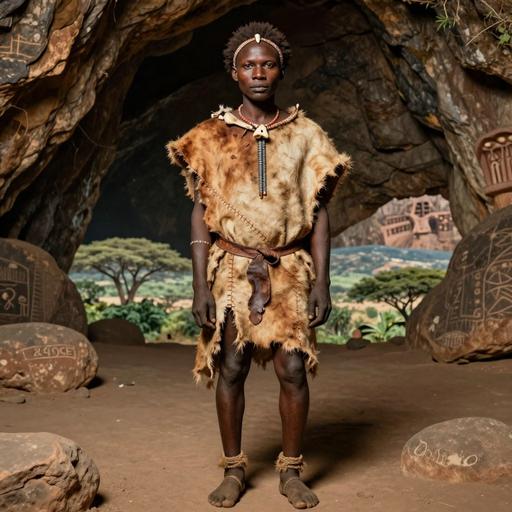
Portrait illustratif généré par IA de Pastoral N individual, Gishimangeda Cave, Tanzania (47-113 BCE)
Identifiant d'échantillon : I13977
Tanzania Prehistoric in Tanzania 47 calBCE - 113 calCE (2005±20 BP, PSUAMS-5652) Tanzanian Prehistoric E1b1b1b2b2 Sous-clade
Portrait illustratif généré par IA de LSA individual, Victoria Nyanza. Kisumu. Jawuoyo Rockshelter, Kenya (84-211 BCE)
Identifiant d'échantillon : I8808
Kenya Kenya LSA 119-216 calCE (1895±15 BP, PSUAMS-4783) LSA Kenya E1b1b1a1b2 Sous-clade
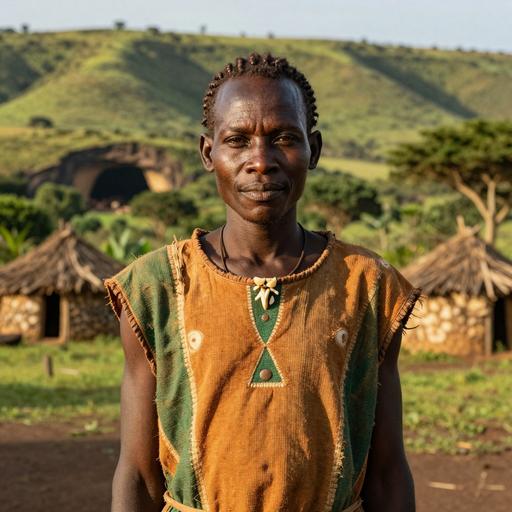
Portrait illustratif généré par IA de Pastoral N IA-o individual, Gishimangeda Cave, Tanzania (200-1 BCE)
Identifiant d'échantillon : I13762
Tanzania Prehistoric and Iron Age in Tanzania 163-59 calBCE (2140±15 BP, PSUAMS-5458) Tanzania Multi-Period E1b1b1b2b2a1 Sous-clade
Portrait illustratif généré par IA de Pastoral N individual, Nyandarua. Ol Kalou, Kenya (215-326 BCE)
Identifiant d'échantillon : I12384
Kenya Kenya PastoralN 229-358 calCE (1800±20 BP, PSUAMS-4940) Pastoral Neolithic E1b1b1b2b2a1 Sous-clade
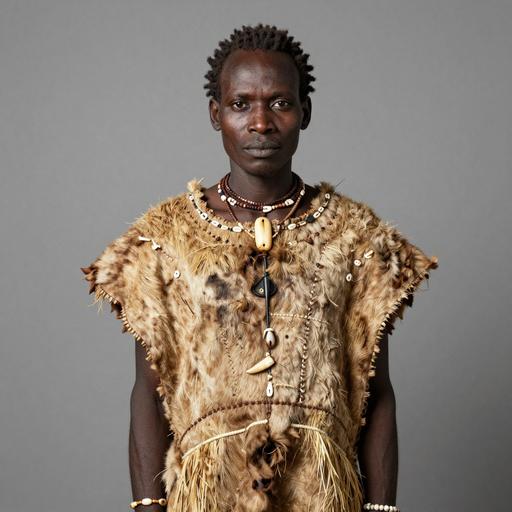
Portrait illustratif généré par IA de Pastoral N individual, Gishimangeda Cave, Tanzania (245-368 CE)
Identifiant d'échantillon : I13972
Tanzania Prehistoric in Tanzania 245-368 calCE (1780±25 BP, PSUAMS-5651) Tanzanian Prehistoric E1b1b1b2b2 Sous-clade
Portrait illustratif généré par IA de Alt Inden Early Medieval-o Levant individual, North Rhine-Westphalia. Alt-Inden, Germany (400-800 CE)
Identifiant d'échantillon : IND009
Germany Saxon Early Medieval Alt Inden, Germany 400-800 CE Saxon Culture E1b1b1a1b1a Sous-clade
Portrait illustratif généré par IA de Pastoral N individual, Molo Cave. GoJi3, Kenya (437-600 BCE)
Identifiant d'échantillon : MOL001
Kenya Molo Cave Pastoral Neolithic in Kenya 541-637 calCE (1532±21 BP, OxA-37360) Molo Cave Culture E1b1b1b2b Sous-clade
Portrait illustratif généré par IA de Pastoral N individual, Hyrax Hill. GrJj25, Kenya (513-386 BCE)
Identifiant d'échantillon : HYR002
Kenya Hyrax Hill Pastoral Neolithic in Kenya 415-202 calBCE (2354±23 BP, OxA-37352) Hyrax Hill E1b1b1b2b Sous-clade
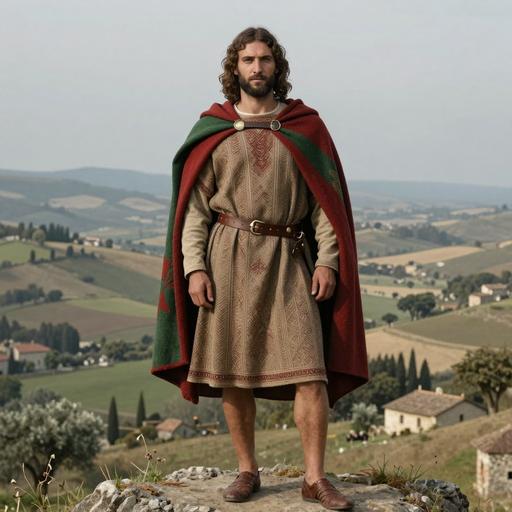
Portrait illustratif généré par IA de Piedmont North Early Medieval Lombards-3 individual, Piedmont. Collegno, Italy (580-630 CE)
Identifiant d'échantillon : CL38
Italy Early Medieval Langobards, Northern Italy 550-650 CE Langobard E1b1b1a1b1a3 Sous-clade
LIGNÉE PATERNELLE · ADN ANTIQUE

Carte des preuves de lignées antiques

Suivez les clades parents jusqu'à cette branche et explorez où des porteurs antiques ont été identifiés.

Chargement des observations antiques…

Les marqueurs indiquent des lieux de découvertes archéologiques. Un trait pointillé représente une transition géographique proposée et incertaine entre branches consécutives, appuyée sur plusieurs observations datées ; ce n'est pas un itinéraire exact, un lieu de naissance ni une preuve de descendance directe. Des échantillons de clades parents peuvent appartenir à d'autres branches descendantes. Des lacunes subsistent lorsque les preuves sont insuffisantes. Les dates d'échantillon diffèrent des dates de formation des haplogroupes.

Profil de référence

Carte de répartition des porteurs

Répartition géographique de 27 échantillons d'ADN ancien (porteurs directs et de sous-clade de E1B1B1)

Porteur direct Porteur de sous-clade
Filtre de période
Toutes les périodes
Affichage de tous les échantillons
Profil de référence

Répartition temporelle

Répartition des porteurs selon les périodes archéologiques

Profil de référence

Répartition géographique

Effectifs par pays d'échantillon consigné. Ils reflètent la sélection de référence disponible, pas des fréquences de population.

Profil de référence

Répartition pays × époque

Comparez les effectifs d'échantillons consignés selon les pays et les périodes archéologiques. Sélectionnez une cellule renseignée pour examiner un échantillon.

Données

Données et provenance

Informations sur les sources et qualité des données

Dernière mise à jour 2026-06-15
Score de confiance 50/100
Couverture Low

Source des données

La classification, les dates estimées et le contexte géographique reflètent les données de référence consignées et peuvent évoluer lorsque les éléments sont révisés. La couverture d'échantillons est inégale ; les lieux consignés et les associations archéologiques n'établissent pas une origine personnelle ni une identité culturelle.