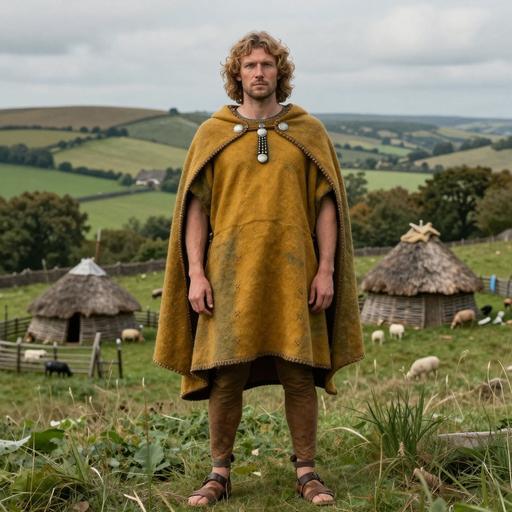
ملف مرجعي لفرع واحد من السلالة. لا تثبت المجموعات الفردانية المشتركة صلة عائلية ولا تحدّد الهوية الثقافية.
الملف المرجعي
خلفية الفرع
السياق التاريخي لفرع R1B1A1B1A1 من سلالة Y-DNA
Origins and Evolution
Y-DNA haplogroup R1b1a1b1a1 is a deep subclade within the broader R1b paternal lineage, which is one of the major Y-chromosome branches of western Eurasia. Because it sits beneath earlier R1b nodes and above many of the well-known later expansions, it is best understood as an old regional offshoot that likely formed during the late Upper Paleolithic or early Holocene, before the major demographic expansions associated with Bronze Age R1b lineages.
The estimated origin for the broader ancestral context is around 14 thousand years ago, in West Eurasia, possibly spanning areas influenced by post-glacial hunter-gatherer and early Holocene populations. Its present-day rarity suggests that it did not participate in the large founder expansions that made some later R1b branches highly frequent in western Europe, but instead persisted at low frequency in multiple regions.
Subclades
As an intermediate and relatively deep branch, R1b1a1b1a1 is important for connecting ancestral and derived lineages in the R1b tree. Its internal structure may contain additional rare branches, but public datasets and broad population surveys often have limited resolution for very low-frequency clades. This means the haplogroup is frequently discussed in relation to its parent lineages and neighboring subclades rather than through a large, well-characterized star-like expansion.
Geographical Distribution
This haplogroup is generally found at low frequency across a wide arc of Eurasia, reflecting ancient continuity and localized survival rather than a dominant migration pattern. Reported occurrences are compatible with:
Western Europe, including the British Isles, France, Iberia, and the Low Countries
Southern Europe, including Italy and the Balkans
Southwest Asia, especially the Caucasus, Anatolia, and parts of the Levant
North Africa, likely through historical gene flow from the Mediterranean and Near East
Central Asia and steppe-adjacent populations, where older western Eurasian paternal lineages can persist at low levels
The broad but sparse distribution is typical of a lineage that predates later ethnolinguistic expansions and has been retained through drift, founder effects, and regional continuity in several populations.
Historical and Cultural Significance
Unlike high-frequency R1b branches associated with major Bronze Age demographic events, R1b1a1b1a1 is not strongly tied to a single archaeological culture. Instead, it is best interpreted as part of the deep ancestral background of western Eurasian male lineages that may have been present among late hunter-gatherer groups and early Holocene populations before the rise of farming and steppe-derived expansions.
Its sporadic presence in modern populations may reflect a combination of:
survival of pre-Bronze Age paternal diversity
later assimilation into expanding farming and pastoralist societies
regional persistence in geographically structured populations
occasional founder effects in isolated communities
In a historical context, such lineages are valuable because they preserve genetic evidence for the complex paternal landscape of ancient Eurasia, which included many rare branches later overshadowed by large successful lineages.
Conclusion
R1b1a1b1a1 is a rare, deep subclade of R1b that likely emerged in West Eurasia around the late Pleistocene to early Holocene transition. Its low-frequency, broad distribution across Europe, the Near East, the Caucasus, and nearby regions points to long-term survival of ancient paternal diversity rather than a major population expansion.
Interpretation in Population Genetics
From a population genetics perspective, this haplogroup is significant because it helps reconstruct the fine structure of early R1b diversification. While much public attention focuses on later dominant R1b branches, rare clades such as R1b1a1b1a1 provide important evidence for the deeper and more heterogeneous ancestry of western Eurasian male populations.
أبرز النقاط
Origins and Evolution
Subclades
Geographical Distribution
Historical and Cultural Significance
Conclusion
الملف المرجعي
شجرة السلالة والفروع المرتبطة
موضع الفرع في شجرة السلالة وفروعه الفرعية
مسار تفرّع السلالة
تتبّع الفروع الأصلية المسجّلة وصولًا إلى R1B1A1B1A1. التواريخ تقديرية وقد تتغيّر عند تحديث البيانات المرجعية.
The populations where Y-DNA haplogroup R1b1a1b1a1 is found include:
Irish and British populations
French, Iberian, and Low Countries populations
Italian and Balkan populations
Caucasus and Anatolian populations
Levantine and North African populations
Some Central Asian and steppe-related populations
الوجود حسب المنطقة
Western EuropeHigh
Southern Europe (Iberia)High
Central EuropeModerate
Eastern EuropeLow
North Africa (coastal)Low
Near East / CaucasusLow
Central AsiaLow
North America (diaspora)Low
North AfricaLow
السياق التاريخي
تاريخ الفرع
تقدير زمن نشأة الفرع ضمن تسلسل تاريخي عام. توفّر الفترات سياقًا زمنيًا دون إثبات صلة بثقافات بعينها.
~20k سنة مضت
ذروة العصر الجليدي الأخير
بلغ التجلّد ذروته وانعزلت مجموعات سكانية
~14k سنة مضت
المجموعة الفردانية R1B1A1B1A1
تقدير نشأة فرع Y-DNA. التواريخ والمواقع تقديرات مرجعية.
هذا الفرع
~10k سنة مضت
ثورة العصر الحجري الحديث
ظهور الزراعة وتشكّل المجتمعات المستقرّة
~5k سنة مضت
العصر البرونزي
صناعة المعادن والكتابة والحضارات المبكرة
~3k سنة مضت
العصر الحديدي
أدوات الحديد واتّساع شبكات التجارة
~2.5k سنة مضت
العصور الكلاسيكية القديمة
ازدهار الحضارتين اليونانية والرومانية
Present
الحاضر
العصر الحديث
الملف المرجعي
السياق الأثري
الارتباطات الأثرية المسجّلة لفرع R1B1A1B1A1 من Y-DNA
الارتباطات المسجّلة
تصف هذه التسميات السياقات الأثرية المسجّلة للعينات المرجعية المرتبطة بـ R1B1A1B1A1. لا يثبت الارتباط انتماء جميع حاملي الفرع إلى ثقافة بعينها أو اتّباعهم مسار هجرة محدّدًا.
Bell BeakerCorded WareEarly Bronze Age SwissLingolsheim CultureLos MillaresYamnaya
يستند تصنيف الثقافات إلى السياق الأثري لعينات الحمض النووي القديم، وقد يعكس ارتباطات إقليمية خلال فترات محدّدة.
الملف المرجعي
فهرس العينات
عينات المجموعة الفردانية R1B1A1B1A1: 2 مطابقة مباشرة و@downstreamCount من الفروع الفرعية
10 معروضة · 50 عينة مطابقة
لا توجد عينات تطابق عوامل التصفية. جرّب تسمية أو موقعًا أو فترة أخرى.
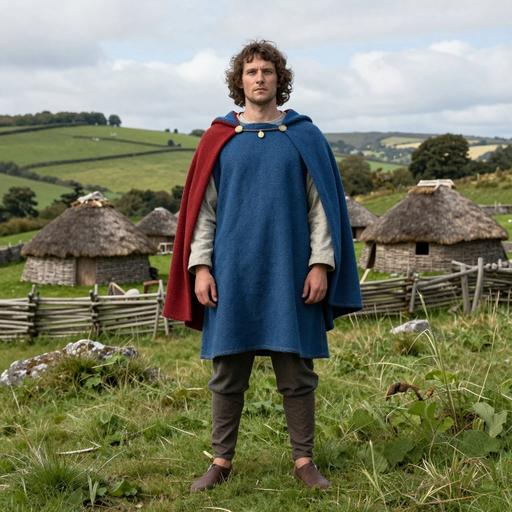
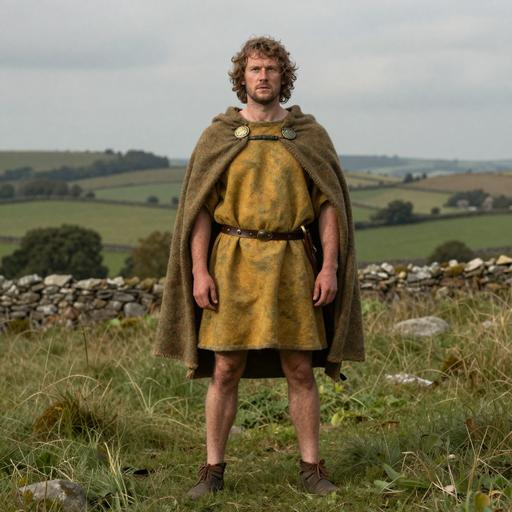
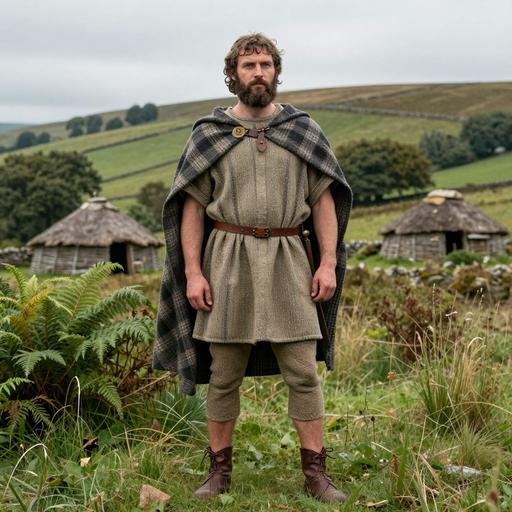
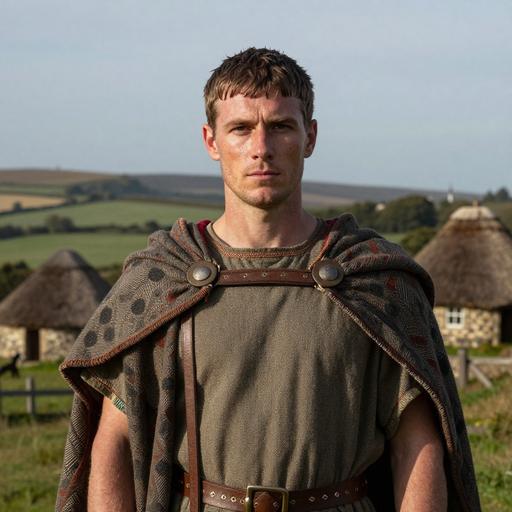
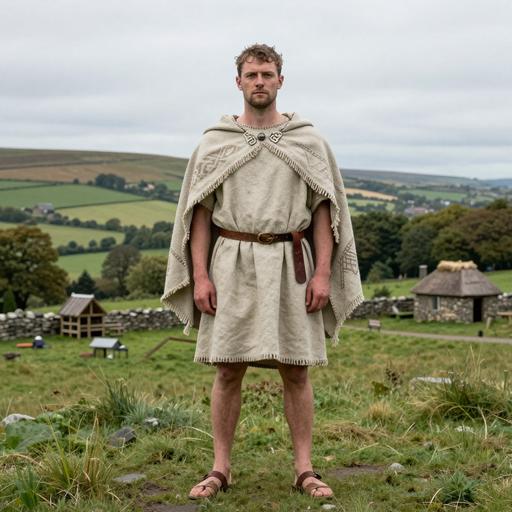
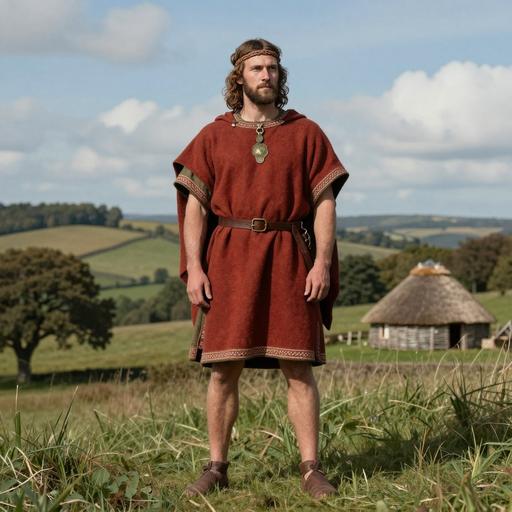
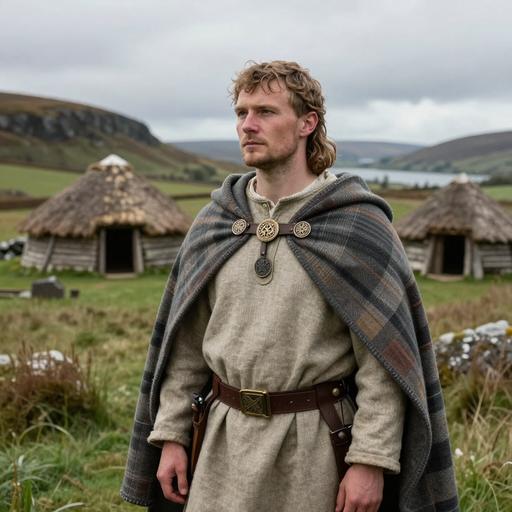
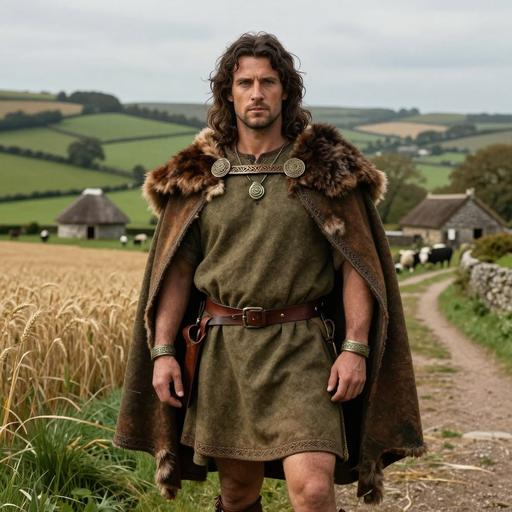
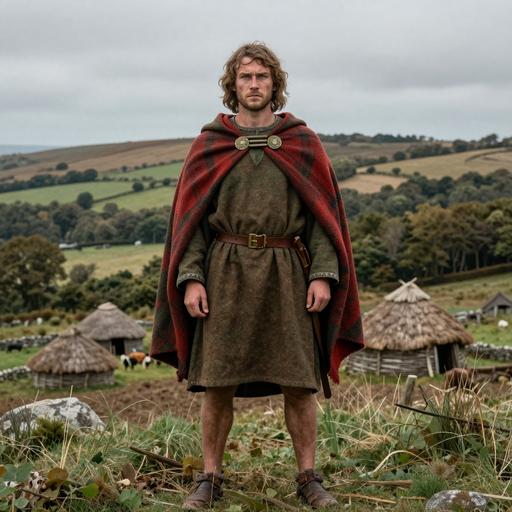
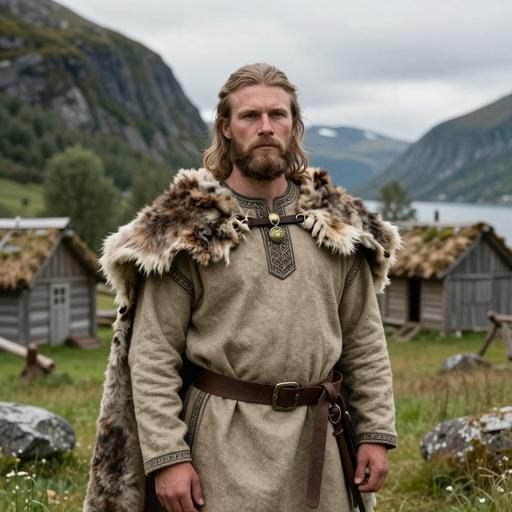
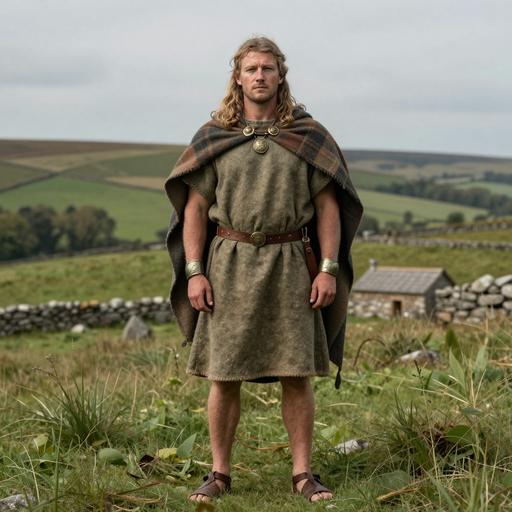
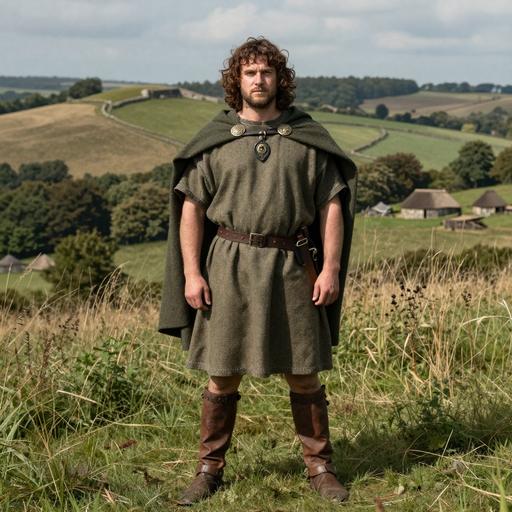
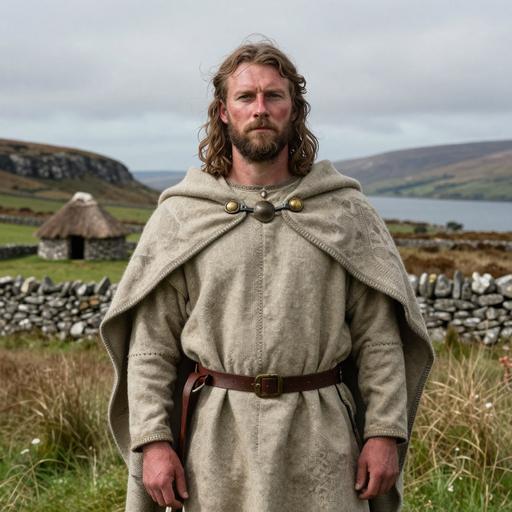
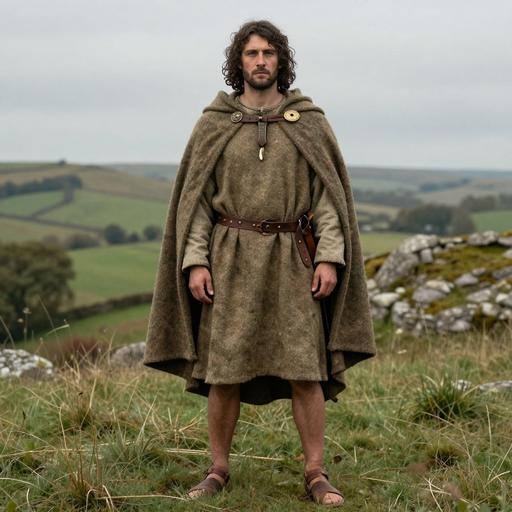
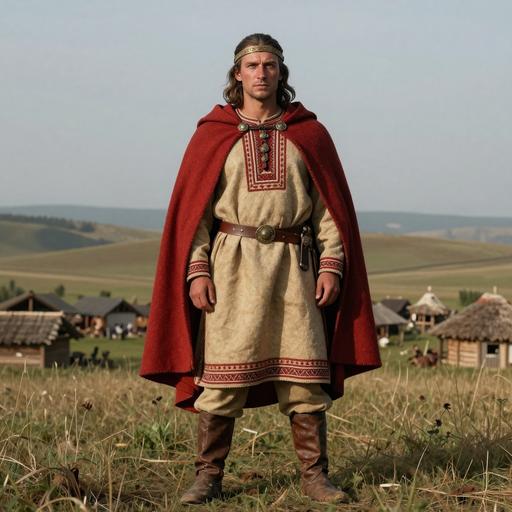
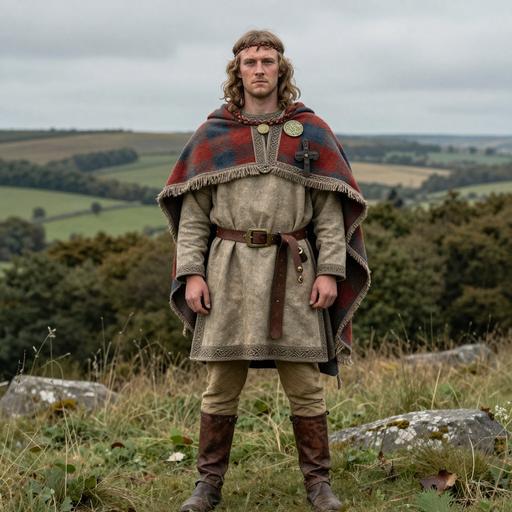
الصور الشخصية رسوم مولّدة بالذكاء الاصطناعي. تحدّد أسماء العينات ومعرّفات الإيداع السجلات المرجعية.
Middle to Late Iron Age England - United Kingdom - England. Wiltshire. Battlesbury Bowl
United Kingdom Middle to Late Iron Age England 346-52 calBCE (2134±27 BP, SUERC-97430)
R1b1a1b1a1تطابق مباشر
معرّف العينة: I3083
Middle Iron Age England - United Kingdom - England. London. River Thames. Putney Foreshore
United Kingdom England MIA 387-201 calBCE (2232±29 BP, OxA-14730)
R1b1a1b1a1تطابق مباشر
معرّف العينة: I16504
Iron Age Scotland - United Kingdom - Scotland. East Lothian. Broxmouth
United Kingdom Scotland IA 42 calBCE - 116 calCE (1983±24 BP, SUERC-97411)
R1b1a1b1a1a2c1فرع فرعي
معرّف العينة: I3568
Late Iron Age Scotland - United Kingdom - Scotland. Highland. Applecross
United Kingdom Scotland LIA 8-155 calCE (1946±22 BP) [R_combine: (1980±28 BP, SUERC-73992), (1901±32 BP, SUERC-67661)]
R1b1a1b1a1a2c1a4b2b1فرع فرعي
معرّف العينة: I27385
Late Iron Age Scotland - United Kingdom - Scotland. West Lothian. House of Binns
United Kingdom Scotland LIA 43 calBCE - 117 calCE (1984±28 BP, SUERC-50519)
R1b1a1b1a1a2c1فرع فرعي
معرّف العينة: I21302
Late Iron Age England - United Kingdom - England. South Somerset. South Cadbury
United Kingdom England LIA 46 calBCE - 117 calCE (1989±30 BP, SUERC-94994)
R1b1a1b1a1a2c1فرع فرعي
معرّف العينة: I22062
Late Iron Age East Yorkshire, England - United Kingdom - England. East Riding of Yorkshire. Thornholme. Town Pasture
United Kingdom Late Iron Age East Yorkshire, England 50 calBCE - 116 calCE (1997±31 BP, SUERC-52038)
R1b1a1b1a1a2c1فرع فرعي
معرّف العينة: I12927
Late Iron Age England - United Kingdom - England. Gloucestershire. Bishop's Cleeve. Cleevelands
United Kingdom England LIA 50-200 CE
R1b1a1b1a1a2c1a6a1فرع فرعي
معرّف العينة: 6DT3
Iron Age to Roman England - United Kingdom - England. Yorkshire. Driffield Terrace
United Kingdom Iron Age to Roman England 50 CE - 350 CE
R1b1a1b1a1a1c1a1فرع فرعي
معرّف العينة: 6DT21
Iron Age to Roman England - United Kingdom - England. Yorkshire. Driffield Terrace
United Kingdom Iron Age to Roman England 50 CE - 350 CE
R1b1a1b1a1a2c1b1فرع فرعي
معرّف العينة: 6DT22
Iron Age to Roman England - United Kingdom - England. Yorkshire. Driffield Terrace
United Kingdom Iron Age to Roman England 50 CE - 350 CE
R1b1a1b1a1a2b1فرع فرعي
معرّف العينة: 6DT18
Iron Age to Roman England - United Kingdom - England. Yorkshire. Driffield Terrace
United Kingdom Iron Age to Roman England 50 CE - 350 CE
R1b1a1b1a1a2c1a1iفرع فرعي
معرّف العينة: 3DT16
Iron Age to Roman England - United Kingdom - England. Yorkshire. Driffield Terrace
United Kingdom Iron Age to Roman England 50 CE - 350 CE
R1b1a1b1a1a1c1a2فرع فرعي
معرّف العينة: 6DT23
Iron Age to Roman England - United Kingdom - England. Yorkshire. Driffield Terrace
United Kingdom Iron Age to Roman England 50 CE - 350 CE
R1b1a1b1a1a2e1فرع فرعي
معرّف العينة: VK203
The Viking Age in Scotland - United Kingdom - Scotland. Orkney. Brough Road Birsay
United Kingdom Scotland Viking 54 CE - 668 CE
R1b1a1b1a1a2c1فرع فرعي
معرّف العينة: I27384
Late Iron Age Scotland - United Kingdom - Scotland. West Lothian. House of Binns
United Kingdom Scotland LIA 90 calBCE - 110 calCE (2010±30 BP, SUERC-50518)
R1b1a1b1a1a2c1فرع فرعي
معرّف العينة: I14096
Late Iron Age England - United Kingdom - England. North Yorkshire. Scorton Quarry
United Kingdom England LIA 101 calBCE - 59 calCE (2035±22 BP) [R_combine: (2056±30 BP, SUERC-95019), (2013±31 BP, SUERC-52144)]
R1b1a1b1a1a2c1فرع فرعي
معرّف العينة: I0156
Iron Age to Early Roman England - United Kingdom - England. South Cambridgeshire. East Anglia. Hinxton
United Kingdom Iron Age to Early Roman England 149 calBCE - 60 calCE (2039±27 BP, OxA-29573)
R1b1a1b1a1a2c1فرع فرعي
معرّف العينة: I11144
Late Iron Age England - United Kingdom - England. Somerset. North Perrott. North Perrott Manor
United Kingdom England LIA 149 calBCE - 65 calCE (2035±30 BP, SUERC-94968)
R1b1a1b1a1a2c1a1i3فرع فرعي
معرّف العينة: I2799
Late Iron Age Scotland - United Kingdom - Scotland. Orkney. Howe of Howe
United Kingdom Scotland LIA 152 calBCE - 22 calCE (2052±26 BP, SUERC-68732)
R1b1a1b1a1a2c1a1aفرع فرعي
معرّف العينة: I14097
Late Iron Age England - United Kingdom - England. North Yorkshire. Scorton Quarry
United Kingdom England LIA 162 calBCE - 26 calCE (2051±32 BP, SUERC-56654)
R1b1a1b1a1a2b1فرع فرعي
معرّف العينة: I0160
Iron Age England - United Kingdom - England. South Cambridgeshire. East Anglia. Hinxton
United Kingdom England IA 166 calBCE - 116 calCE (2029±49 BP, Wk- - 12599)
R1b1a1b1a1a2c1a5b1a1aفرع فرعي
معرّف العينة: I11145
Late Iron Age England - United Kingdom - England. Somerset. North Perrott. North Perrott Manor
United Kingdom England LIA 166 calBCE - 14 calCE (2064±30 BP, SUERC-94969)
R1b1a1b1a1a2c1فرع فرعي
معرّف العينة: I3566
Late Iron Age Scotland - United Kingdom - Scotland. Highland. Applecross
United Kingdom Scotland LIA 170 BCE - 10 BCE
R1b1a1b1a1a2c1فرع فرعي
معرّف العينة: I3567
Late Iron Age Scotland - United Kingdom - Scotland. Highland. Applecross
United Kingdom Scotland LIA 173 BCE - 8 BCE
R1b1a1b1a1a2c1فرع فرعي
معرّف العينة: I27379
Late Iron Age England - United Kingdom - England. Sussex. North Bersted
United Kingdom England LIA 174-51 calBCE (2109±17 BP, SUERC-80747)
R1b1a1b1a1a2c1فرع فرعي
معرّف العينة: I5502
Late Iron Age East Yorkshire, England - United Kingdom - England. East Riding of Yorkshire. Nunburnholme Wold
United Kingdom Late Iron Age East Yorkshire, England 196-4 calBCE (2090±30 BP, Beta-520210)
R1b1a1b1a1a2فرع فرعي
معرّف العينة: I11142
Late Iron Age England - United Kingdom - England. Somerset. Worlebury
United Kingdom England LIA 197-44 calBCE (2103±27 BP, SUERC-94960)
R1b1a1b1a1a2c1a6a1فرع فرعي
معرّف العينة: I2693
Late Iron Age Scotland - United Kingdom - Scotland. East Lothian. Broxmouth
United Kingdom Scotland LIA 197 calBCE - 1 calCE (2095±30 BP, SUERC-24248)
R1b1a1b1a1aفرع فرعي
معرّف العينة: I12785
Late Iron Age England - United Kingdom - England. Gloucestershire. Bourton-on-the-water. Greystones Farm
United Kingdom England LIA 200-1 BCE
R1b1a1b1a1a2c1a5فرع فرعي
معرّف العينة: I16450
Middle to Late Iron Age England - United Kingdom - England. Cornwall. Newquay. Trethellan Farm
United Kingdom Middle to Late Iron Age England 300 BCE - 100 CE
R1b1a1b1a1a2aفرع فرعي
معرّف العينة: I16455
Middle to Late Iron Age England - United Kingdom - England. Cornwall. Newquay. Trethellan Farm
United Kingdom Middle to Late Iron Age England 300 BCE - 100 CE
R1b1a1b1a1a2cفرع فرعي
معرّف العينة: I16458
Middle to Late Iron Age England - United Kingdom - England. Cornwall. Newquay. Trethellan Farm
United Kingdom Middle to Late Iron Age England 300 BCE - 100 CE
R1b1a1b1a1a2c1a6aفرع فرعي
معرّف العينة: I16387
Middle to Late Iron Age England - United Kingdom - England. Cornwall. Newquay. Trethellan Farm
United Kingdom Middle to Late Iron Age England 300 BCE - 100 CE
R1b1a1b1a1a2فرع فرعي
معرّف العينة: VK418
Iron Age Norway - Norway - Nor North. Nordland
Norway Norway IA 300 CE - 400 CE
R1b1a1b1a1a1bفرع فرعي
معرّف العينة: I16499
Middle to Late Iron Age Scotland - United Kingdom - Scotland. East Lothian. North Berwick. Law Road
United Kingdom Middle to Late Iron Age Scotland 337-43 calBCE (2103±30 BP, SUERC-94958)
R1b1a1b1a1a2c1a1aفرع فرعي
معرّف العينة: I14327
East Yorkshire Iron Age - United Kingdom - England. East Riding of Yorkshire. Thornholme. East Coast Pipeline (field 16)
United Kingdom East Yorkshire Iron Age 340-47 calBCE (2113±29 BP, SUERC-52028)
R1b1a1b1a1a2aفرع فرعي
معرّف العينة: I22060
East Yorkshire Iron Age - United Kingdom - England. East Riding of Yorkshire. East Coast Pipeline (field 9)
United Kingdom East Yorkshire Iron Age 343-1 calBCE (2105±35 BP, SUERC-33543)
R1b1a1b1a1a2c1a1a1a1aفرع فرعي
معرّف العينة: I11992
Middle to Late Iron Age England - United Kingdom - England. Somerset. Worlebury
United Kingdom Middle to Late Iron Age England 343-50 calBCE (2122±30 BP, SUERC-94963)
R1b1a1b1a1a2c1فرع فرعي
معرّف العينة: I21312
Middle to Late Iron Age England - United Kingdom - England. Wiltshire. Casterley Camp
United Kingdom Middle to Late Iron Age England 343-51 calBCE (2124±27 BP, SUERC-97418)
R1b1a1b1a1a2c1فرع فرعي
معرّف العينة: I16416
Middle to Late Iron Age Scotland - United Kingdom - Scotland. East Lothian. Broxmouth
United Kingdom Middle to Late Iron Age Scotland 346-51 calBCE (2130±30 BP, SUERC-21991)
R1b1a1b1a1a2فرع فرعي
معرّف العينة: I11991
Middle to Late Iron Age England - United Kingdom - England. Somerset. Worlebury
United Kingdom Middle to Late Iron Age England 349-50 calBCE (2133±30 BP, SUERC-94962)
R1b1a1b1a1a2c1فرع فرعي
معرّف العينة: I14353
Middle to Late Iron Age England - United Kingdom - England. West Yorkshire. Wattle Syke
United Kingdom Middle to Late Iron Age England 349-51 calBCE (2135±30 BP, SUERC-27295)
R1b1a1b1a1a2c1فرع فرعي
معرّف العينة: I16503
Middle to Late Iron Age Scotland - United Kingdom - Scotland. East Lothian. Broxmouth
United Kingdom Middle to Late Iron Age Scotland 349-51 calBCE (2135±30 BP, SUERC-24257)
R1b1a1b1a1a2فرع فرعي
معرّف العينة: A181023
Early Hun Period Sarmatian Transtisza, Hungary - Hungary - Transtisza region. Hajdúnánás-Fürj-halom-dűlő 2. site. M3/40A
Hungary Early Hun Period Sarmatian Transtisza, Hungary 350-450 CE
R1b1a1b1a1a2bفرع فرعي
معرّف العينة: I22065
East Yorkshire Iron Age - United Kingdom - England. East Riding of Yorkshire. Burstwick
United Kingdom East Yorkshire Iron Age 351-55 calBCE (2147±24 BP, SUERC-80670)
R1b1a1b1a1a2فرع فرعي
معرّف العينة: I21306
Late Iron Age England - United Kingdom - England. Somerset. Tickenham. Diamond Cottage
United Kingdom England LIA 351-54 calBCE (2146±24 BP, SUERC-104564)
R1b1a1b1a1a2a1a2فرع فرعي
معرّف العينة: I13726
Middle to Late Iron Age England - United Kingdom - England. Somerset. Worlebury
United Kingdom Middle to Late Iron Age England 351-52 calBCE (2141±30 BP, SUERC-94964)
R1b1a1b1a1a2c1فرع فرعي
معرّف العينة: I20628
Middle to Late Iron Age England - United Kingdom - England. Derbyshire. Fin Cop
United Kingdom Middle to Late Iron Age England 351-52 calBCE (2140±30 BP, SUERC-31499)
R1b1a1b1a1a2c1a5cفرع فرعي
معرّف العينة: I11143
Middle to Late Iron Age England - United Kingdom - England. Somerset. Worlebury
United Kingdom Middle to Late Iron Age England 352-53 calBCE (2146±30 BP, SUERC-94961)
R1b1a1b1a1a2aفرع فرعي
أبوية · الحمض النووي القديم
خريطة الأدلة القديمة للسلالة
تتبّع الفروع الأصلية المؤدية إلى هذا الفرع واستكشف مواقع العثور على العينات القديمة المرتبطة به.
جارٍ تحميل السجلات القديمة…
الحركة المخفّضة مفعّلة. استخدم التسلسل الزمني أو زر عرض الكل للاستكشاف بالسرعة التي تناسبك.
اعرض السجلات في جدول
السجلات القديمة المعروضة حسب الفرع والفترة ومنتصف النطاق الزمني
الفرع
الفترة
النطاق الزمني
العينة
معرّف العينة
الموقع
المجموعة الفردانية
نوع الارتباط
تشير العلامات إلى مواقع الاكتشافات الأثرية. يشير الخط المتقطّع إلى انتقال جغرافي محتمل بين فرعين متتاليين تدعمه عدة سجلات مؤرّخة. لا يحدّد مسارًا دقيقًا أو مكان نشأة ولا يثبت انحدارًا مباشرًا. قد تنتمي عينات الفروع الأصلية إلى فروع متفرّعة أخرى. تبقى الفجوات حيث لا تكفي الأدلة. تختلف تواريخ العينات عن تواريخ نشأة المجموعات الفردانية.
يجمع التصنيف حسب الحقبة التاريخية العينات من جميع فروع هذه السلسلة وفق زمن عيش كل شخص قديم. لا يمثّل تسلسل هجرة أو مسارًا زمنيًا لشخص عبر الحقب.
الملف المرجعي
خريطة توزيع العينات
التوزيع الجغرافي لعينات الحمض النووي القديم المطابقة مباشرةً للمجموعة R1B1A1B1A1 أو لفروعها الفرعية. عدد العينات: 100
عينة مطابقة مباشرةً عينة من فرع فرعي
التصفية حسب الفترة
جميع الفترات
تُعرض جميع العينات
الملف المرجعي
التوزيع الزمني
توزيع العينات عبر الفترات الأثرية
الملف المرجعي
التوزيع الجغرافي
عدد العينات حسب بلدها المسجّل. تعكس الأعداد العينات المرجعية المتاحة دون قياس تواتر المجموعات الفردانية بين السكان.
الملف المرجعي
توزيع العينات حسب البلد والحقبة
قارن أعداد العينات المسجّلة حسب البلدان والفترات الأثرية. اختر خلية تحتوي على نتائج للاطّلاع على إحدى العينات.
البيانات
البيانات ومصادرها
معلومات المصادر وجودة البيانات
آخر تحديث2026-06-17
درجة الثقة50/100
التغطيةLow
مصدر البيانات
يعكس التصنيف والتواريخ التقديرية والسياق الجغرافي البيانات المرجعية المسجّلة، وقد تتغيّر مع مراجعة الأدلة. تختلف تغطية العينات، ولا تثبت المواقع المسجّلة والارتباطات الأثرية الأصول الشخصية أو الهوية الثقافية.