Ein Referenzprofil für einen Abstammungszweig. Gemeinsame Haplogruppen begründen weder eine familiäre Beziehung noch eine kulturelle Identität.
Referenzprofil
Hintergrund des Zweigs
Historischer Kontext für den Y-DNA-Abstammungszweig R1B1A1B1A1
Origins and Evolution
Y-DNA haplogroup R1b1a1b1a1 is a deep subclade within the broader R1b paternal lineage, which is one of the major Y-chromosome branches of western Eurasia. Because it sits beneath earlier R1b nodes and above many of the well-known later expansions, it is best understood as an old regional offshoot that likely formed during the late Upper Paleolithic or early Holocene, before the major demographic expansions associated with Bronze Age R1b lineages.
The estimated origin for the broader ancestral context is around 14 thousand years ago, in West Eurasia, possibly spanning areas influenced by post-glacial hunter-gatherer and early Holocene populations. Its present-day rarity suggests that it did not participate in the large founder expansions that made some later R1b branches highly frequent in western Europe, but instead persisted at low frequency in multiple regions.
Subclades
As an intermediate and relatively deep branch, R1b1a1b1a1 is important for connecting ancestral and derived lineages in the R1b tree. Its internal structure may contain additional rare branches, but public datasets and broad population surveys often have limited resolution for very low-frequency clades. This means the haplogroup is frequently discussed in relation to its parent lineages and neighboring subclades rather than through a large, well-characterized star-like expansion.
Geographical Distribution
This haplogroup is generally found at low frequency across a wide arc of Eurasia, reflecting ancient continuity and localized survival rather than a dominant migration pattern. Reported occurrences are compatible with:
Western Europe, including the British Isles, France, Iberia, and the Low Countries
Southern Europe, including Italy and the Balkans
Southwest Asia, especially the Caucasus, Anatolia, and parts of the Levant
North Africa, likely through historical gene flow from the Mediterranean and Near East
Central Asia and steppe-adjacent populations, where older western Eurasian paternal lineages can persist at low levels
The broad but sparse distribution is typical of a lineage that predates later ethnolinguistic expansions and has been retained through drift, founder effects, and regional continuity in several populations.
Historical and Cultural Significance
Unlike high-frequency R1b branches associated with major Bronze Age demographic events, R1b1a1b1a1 is not strongly tied to a single archaeological culture. Instead, it is best interpreted as part of the deep ancestral background of western Eurasian male lineages that may have been present among late hunter-gatherer groups and early Holocene populations before the rise of farming and steppe-derived expansions.
Its sporadic presence in modern populations may reflect a combination of:
survival of pre-Bronze Age paternal diversity
later assimilation into expanding farming and pastoralist societies
regional persistence in geographically structured populations
occasional founder effects in isolated communities
In a historical context, such lineages are valuable because they preserve genetic evidence for the complex paternal landscape of ancient Eurasia, which included many rare branches later overshadowed by large successful lineages.
Conclusion
R1b1a1b1a1 is a rare, deep subclade of R1b that likely emerged in West Eurasia around the late Pleistocene to early Holocene transition. Its low-frequency, broad distribution across Europe, the Near East, the Caucasus, and nearby regions points to long-term survival of ancient paternal diversity rather than a major population expansion.
Interpretation in Population Genetics
From a population genetics perspective, this haplogroup is significant because it helps reconstruct the fine structure of early R1b diversification. While much public attention focuses on later dominant R1b branches, rare clades such as R1b1a1b1a1 provide important evidence for the deeper and more heterogeneous ancestry of western Eurasian male populations.
Wichtige Punkte
Origins and Evolution
Subclades
Geographical Distribution
Historical and Cultural Significance
Conclusion
Referenzprofil
Baum und Verwandtschaft
Phylogenetischer Kontext und Subkladen
Entwicklungsweg
Folgen Sie den erfassten übergeordneten Zweigen bis R1B1A1B1A1. Die Daten sind Schätzungen und können sich ändern, wenn Referenzdaten überarbeitet werden.
The populations where Y-DNA haplogroup R1b1a1b1a1 is found include:
Irish and British populations
French, Iberian, and Low Countries populations
Italian and Balkan populations
Caucasus and Anatolian populations
Levantine and North African populations
Some Central Asian and steppe-related populations
Regionale Präsenz
Western EuropeHigh
Southern Europe (Iberia)High
Central EuropeModerate
Eastern EuropeLow
North Africa (coastal)Low
Near East / CaucasusLow
Central AsiaLow
North America (diaspora)Low
North AfricaLow
Historischer Kontext
Ein Zweig durch die Zeit
Geschätzte Entstehung in einer breiten historischen Zeitleiste. Zeitmarken liefern Kontext und implizieren keine Verbindung zu bestimmten Kulturen.
~20k Jahre zurück
Letztes glaziales Maximum
Höhepunkt der letzten Eiszeit, isolierte Bevölkerungen
~14k Jahre zurück
Haplogruppe R1B1A1B1A1
Geschätzte Entstehung dieses Y-DNA-Zweigs; Daten und Orte sind Referenzschätzungen.
Dieser Zweig
~10k Jahre zurück
Neolithische Revolution
Beginn der Landwirtschaft und feste Siedlungen
~5k Jahre zurück
Bronzezeit
Metallverarbeitung, Schrift und frühe Zivilisationen
~3k Jahre zurück
Eisenzeit
Eisenwerkzeuge und ausgedehnte Handelsnetze
~2.5k Jahre zurück
Klassische Antike
Blüte griechischer und römischer Kulturen
Gegenwart
Gegenwart
Moderne Zeit
Referenzprofil
Archäologischer Kontext
Erfasste archäologische Zuordnungen für den Y-DNA-Zweig R1B1A1B1A1
Erfasste Zuordnungen
Diese Bezeichnungen beschreiben archäologische Kontexte erfasster Referenzproben mit Bezug zu R1B1A1B1A1. Eine Zuordnung bedeutet nicht, dass alle Träger einer Kultur angehörten oder einer bestimmten Migrationsroute folgten.
Bell BeakerCorded WareEarly Bronze Age SwissLingolsheim CultureLos MillaresYamnaya
Kulturzuordnungen basieren auf dem archäologischen Kontext antiker DNA-Proben und können regionale Verknüpfungen in bestimmten Zeiträumen widerspiegeln.
Referenzprofil
Probencatalog
2 direkte Träger und 98 Subkladen-Träger der Haplogruppe R1B1A1B1A1
10 angezeigt · 50 passende Proben
Keine Proben entsprechen diesen Filtern. Versuchen Sie eine andere Bezeichnung, einen anderen Ort oder eine andere Epoche.
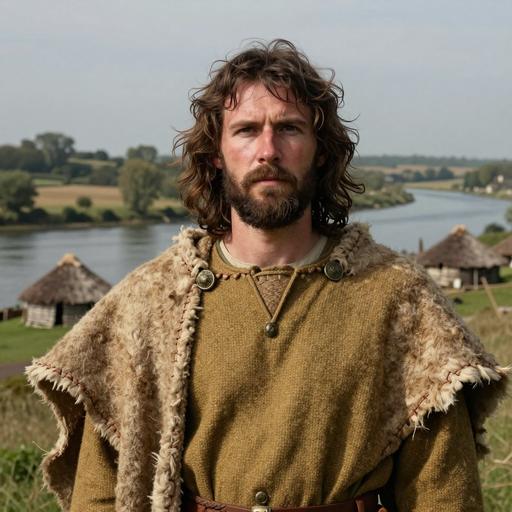
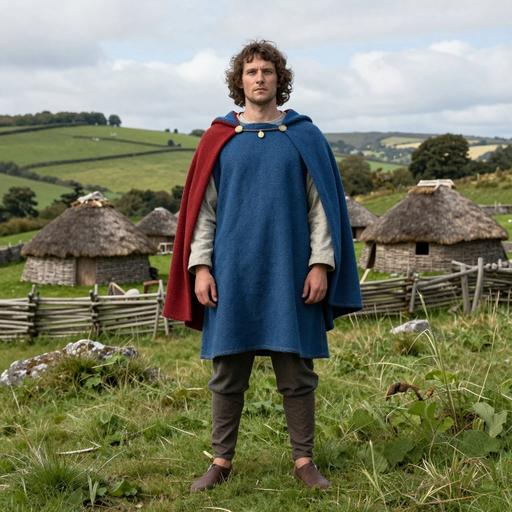
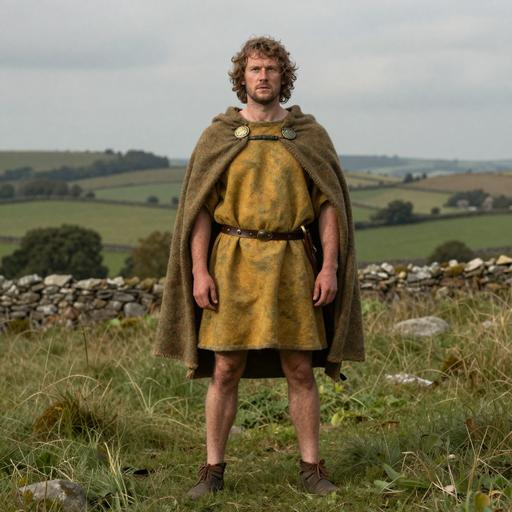
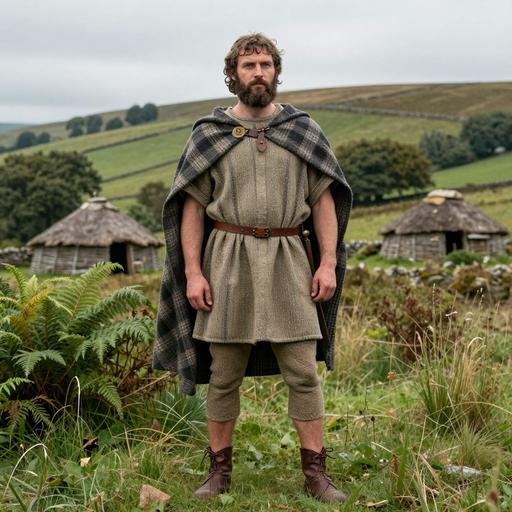
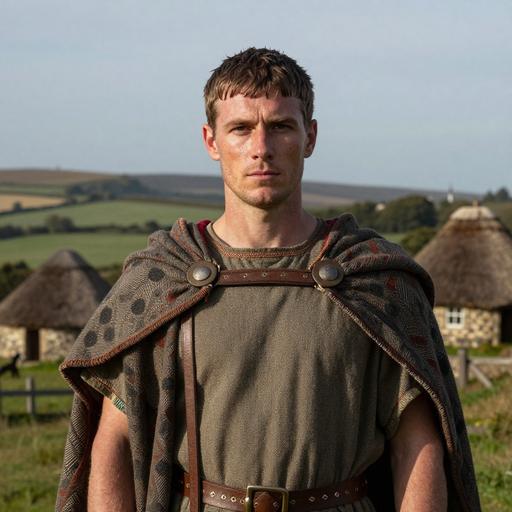
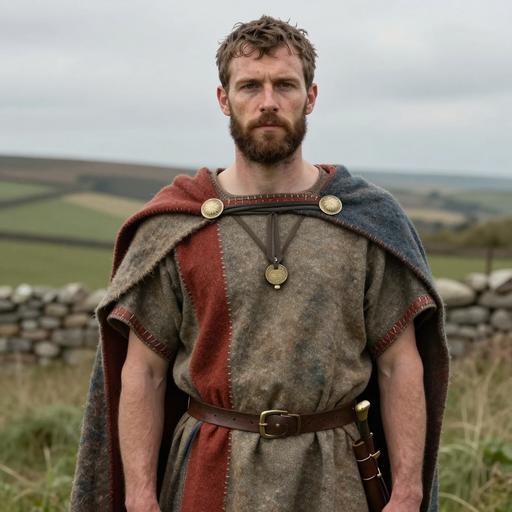
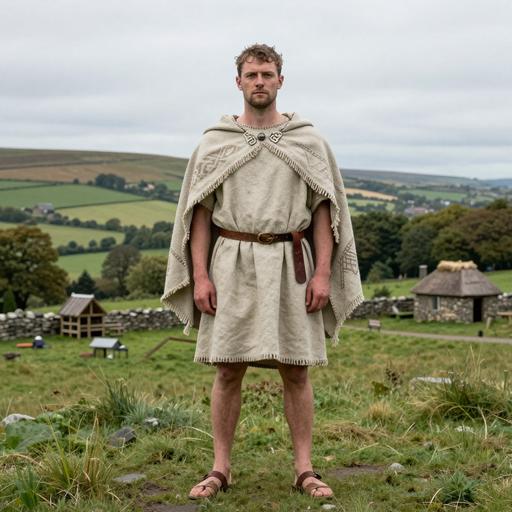
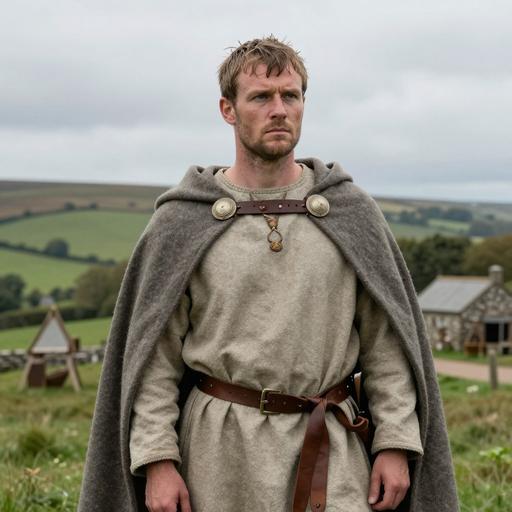
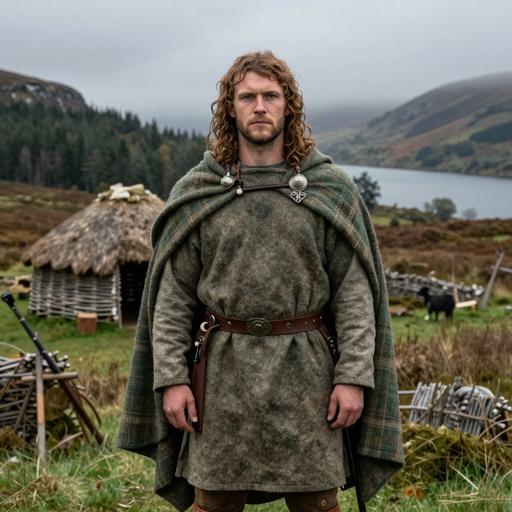
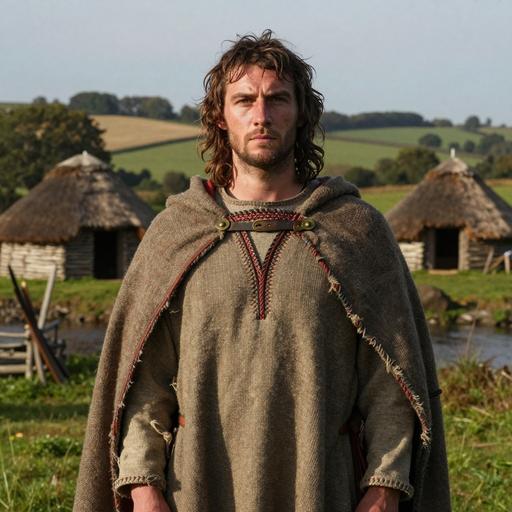
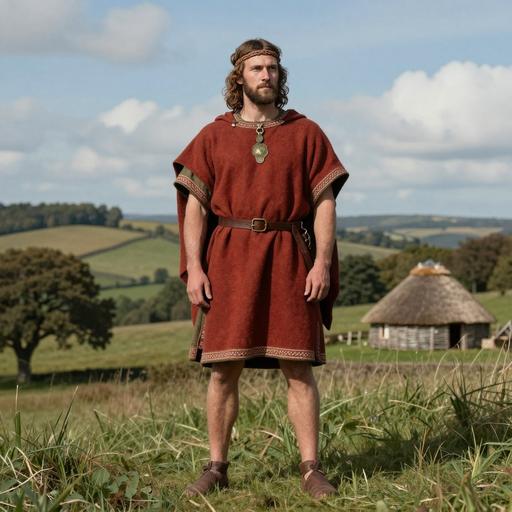
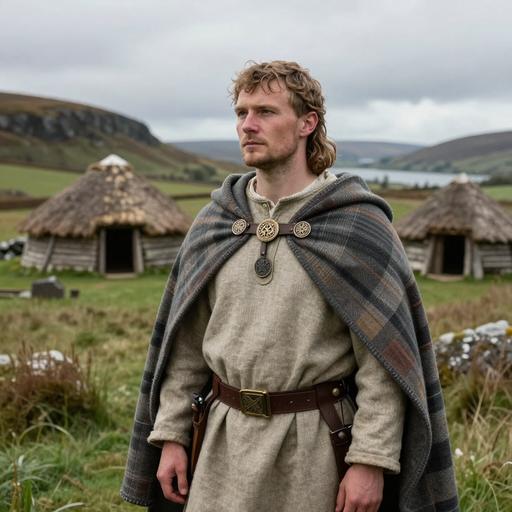
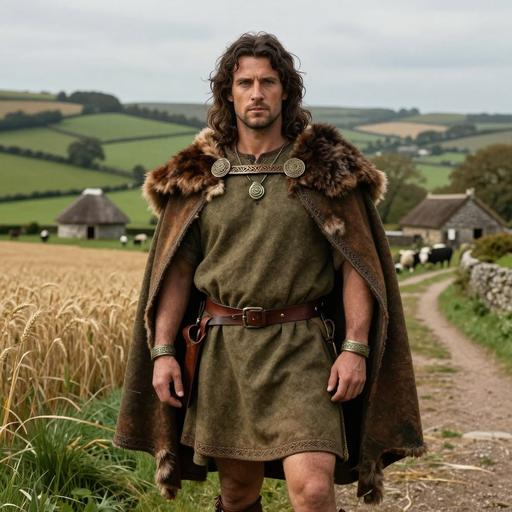
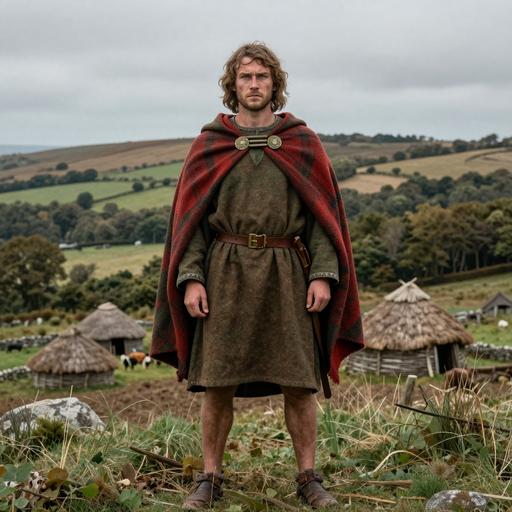
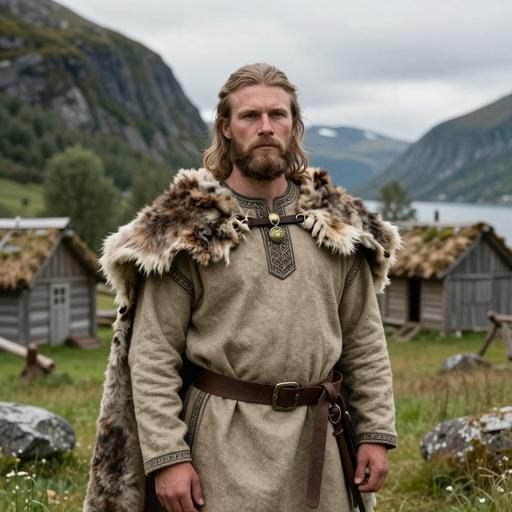
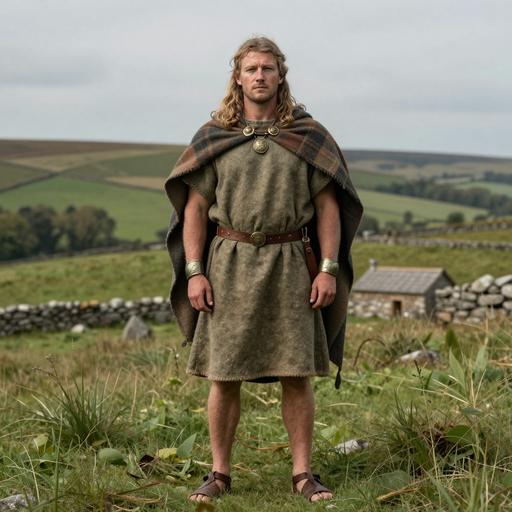
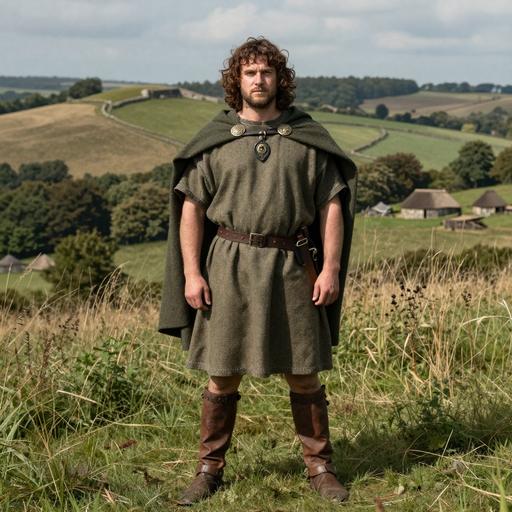
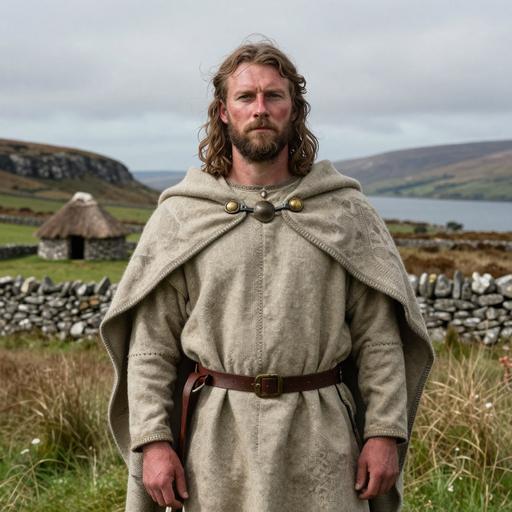
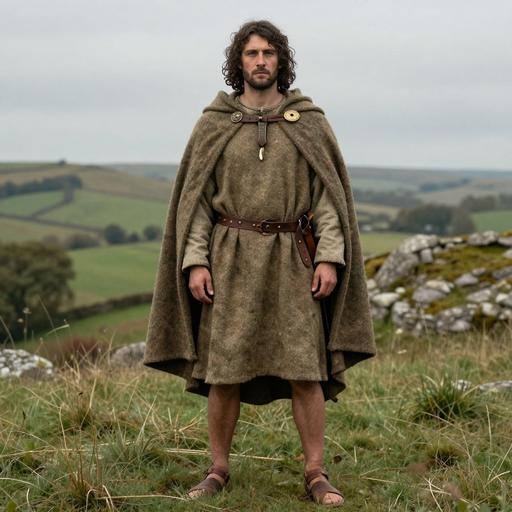
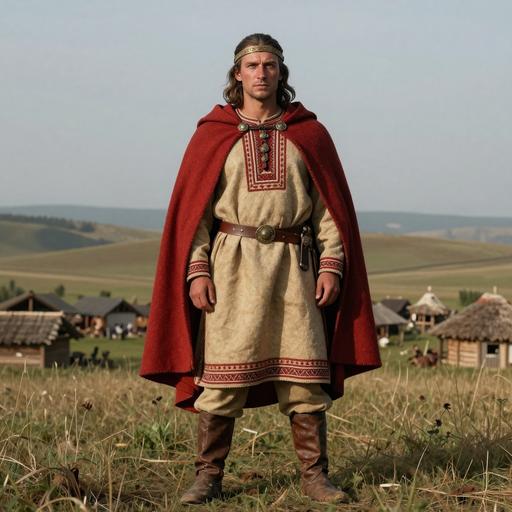
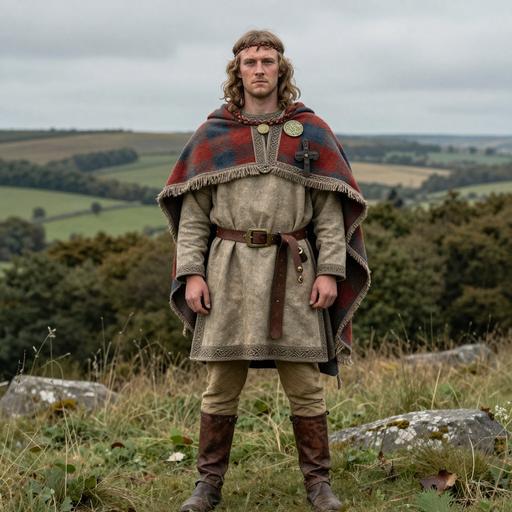
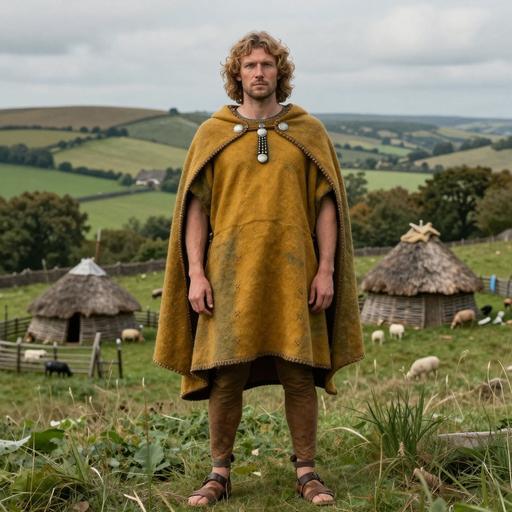
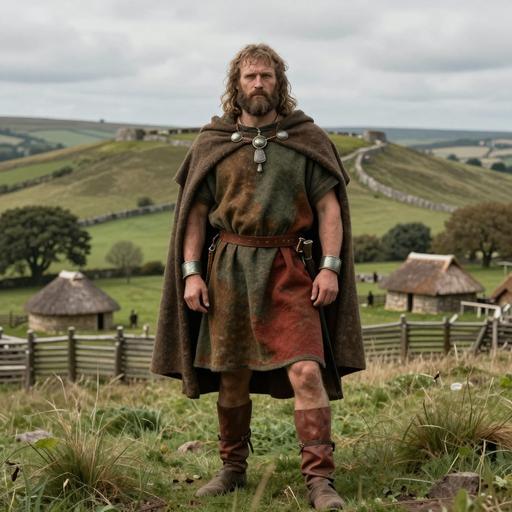
Porträts sind KI-generierte Illustrationen. Probenbezeichnungen und Zugangs-IDs identifizieren die Referenzdatensätze.
Middle to Late Iron Age England - United Kingdom - England. Wiltshire. Battlesbury Bowl
United Kingdom Middle to Late Iron Age England 346-52 calBCE (2134±27 BP, SUERC-97430)
R1b1a1b1a1Direkt
Proben-ID: I3083
Middle Iron Age England - United Kingdom - England. London. River Thames. Putney Foreshore
United Kingdom England MIA 387-201 calBCE (2232±29 BP, OxA-14730)
R1b1a1b1a1Direkt
Proben-ID: I16504
Iron Age Scotland - United Kingdom - Scotland. East Lothian. Broxmouth
United Kingdom Scotland IA 42 calBCE - 116 calCE (1983±24 BP, SUERC-97411)
R1b1a1b1a1a2c1Subklade
Proben-ID: I3568
Late Iron Age Scotland - United Kingdom - Scotland. Highland. Applecross
United Kingdom Scotland LIA 8-155 calCE (1946±22 BP) [R_combine: (1980±28 BP, SUERC-73992), (1901±32 BP, SUERC-67661)]
R1b1a1b1a1a2c1a4b2b1Subklade
Proben-ID: I27385
Late Iron Age Scotland - United Kingdom - Scotland. West Lothian. House of Binns
United Kingdom Scotland LIA 43 calBCE - 117 calCE (1984±28 BP, SUERC-50519)
R1b1a1b1a1a2c1Subklade
Proben-ID: I21302
Late Iron Age England - United Kingdom - England. South Somerset. South Cadbury
United Kingdom England LIA 46 calBCE - 117 calCE (1989±30 BP, SUERC-94994)
R1b1a1b1a1a2c1Subklade
Proben-ID: I22062
Late Iron Age East Yorkshire, England - United Kingdom - England. East Riding of Yorkshire. Thornholme. Town Pasture
United Kingdom Late Iron Age East Yorkshire, England 50 calBCE - 116 calCE (1997±31 BP, SUERC-52038)
R1b1a1b1a1a2c1Subklade
Proben-ID: I12927
Late Iron Age England - United Kingdom - England. Gloucestershire. Bishop's Cleeve. Cleevelands
United Kingdom England LIA 50-200 CE
R1b1a1b1a1a2c1a6a1Subklade
Proben-ID: 6DT3
Iron Age to Roman England - United Kingdom - England. Yorkshire. Driffield Terrace
United Kingdom Iron Age to Roman England 50 CE - 350 CE
R1b1a1b1a1a1c1a1Subklade
Proben-ID: 6DT21
Iron Age to Roman England - United Kingdom - England. Yorkshire. Driffield Terrace
United Kingdom Iron Age to Roman England 50 CE - 350 CE
R1b1a1b1a1a2c1b1Subklade
Proben-ID: 6DT22
Iron Age to Roman England - United Kingdom - England. Yorkshire. Driffield Terrace
United Kingdom Iron Age to Roman England 50 CE - 350 CE
R1b1a1b1a1a2b1Subklade
Proben-ID: 6DT18
Iron Age to Roman England - United Kingdom - England. Yorkshire. Driffield Terrace
United Kingdom Iron Age to Roman England 50 CE - 350 CE
R1b1a1b1a1a2c1a1iSubklade
Proben-ID: 3DT16
Iron Age to Roman England - United Kingdom - England. Yorkshire. Driffield Terrace
United Kingdom Iron Age to Roman England 50 CE - 350 CE
R1b1a1b1a1a1c1a2Subklade
Proben-ID: 6DT23
Iron Age to Roman England - United Kingdom - England. Yorkshire. Driffield Terrace
United Kingdom Iron Age to Roman England 50 CE - 350 CE
R1b1a1b1a1a2e1Subklade
Proben-ID: VK203
The Viking Age in Scotland - United Kingdom - Scotland. Orkney. Brough Road Birsay
United Kingdom Scotland Viking 54 CE - 668 CE
R1b1a1b1a1a2c1Subklade
Proben-ID: I27384
Late Iron Age Scotland - United Kingdom - Scotland. West Lothian. House of Binns
United Kingdom Scotland LIA 90 calBCE - 110 calCE (2010±30 BP, SUERC-50518)
R1b1a1b1a1a2c1Subklade
Proben-ID: I14096
Late Iron Age England - United Kingdom - England. North Yorkshire. Scorton Quarry
United Kingdom England LIA 101 calBCE - 59 calCE (2035±22 BP) [R_combine: (2056±30 BP, SUERC-95019), (2013±31 BP, SUERC-52144)]
R1b1a1b1a1a2c1Subklade
Proben-ID: I0156
Iron Age to Early Roman England - United Kingdom - England. South Cambridgeshire. East Anglia. Hinxton
United Kingdom Iron Age to Early Roman England 149 calBCE - 60 calCE (2039±27 BP, OxA-29573)
R1b1a1b1a1a2c1Subklade
Proben-ID: I11144
Late Iron Age England - United Kingdom - England. Somerset. North Perrott. North Perrott Manor
United Kingdom England LIA 149 calBCE - 65 calCE (2035±30 BP, SUERC-94968)
R1b1a1b1a1a2c1a1i3Subklade
Proben-ID: I2799
Late Iron Age Scotland - United Kingdom - Scotland. Orkney. Howe of Howe
United Kingdom Scotland LIA 152 calBCE - 22 calCE (2052±26 BP, SUERC-68732)
R1b1a1b1a1a2c1a1aSubklade
Proben-ID: I14097
Late Iron Age England - United Kingdom - England. North Yorkshire. Scorton Quarry
United Kingdom England LIA 162 calBCE - 26 calCE (2051±32 BP, SUERC-56654)
R1b1a1b1a1a2b1Subklade
Proben-ID: I0160
Iron Age England - United Kingdom - England. South Cambridgeshire. East Anglia. Hinxton
United Kingdom England IA 166 calBCE - 116 calCE (2029±49 BP, Wk- - 12599)
R1b1a1b1a1a2c1a5b1a1aSubklade
Proben-ID: I11145
Late Iron Age England - United Kingdom - England. Somerset. North Perrott. North Perrott Manor
United Kingdom England LIA 166 calBCE - 14 calCE (2064±30 BP, SUERC-94969)
R1b1a1b1a1a2c1Subklade
Proben-ID: I3566
Late Iron Age Scotland - United Kingdom - Scotland. Highland. Applecross
United Kingdom Scotland LIA 170 BCE - 10 BCE
R1b1a1b1a1a2c1Subklade
Proben-ID: I3567
Late Iron Age Scotland - United Kingdom - Scotland. Highland. Applecross
United Kingdom Scotland LIA 173 BCE - 8 BCE
R1b1a1b1a1a2c1Subklade
Proben-ID: I27379
Late Iron Age England - United Kingdom - England. Sussex. North Bersted
United Kingdom England LIA 174-51 calBCE (2109±17 BP, SUERC-80747)
R1b1a1b1a1a2c1Subklade
Proben-ID: I5502
Late Iron Age East Yorkshire, England - United Kingdom - England. East Riding of Yorkshire. Nunburnholme Wold
United Kingdom Late Iron Age East Yorkshire, England 196-4 calBCE (2090±30 BP, Beta-520210)
R1b1a1b1a1a2Subklade
Proben-ID: I11142
Late Iron Age England - United Kingdom - England. Somerset. Worlebury
United Kingdom England LIA 197-44 calBCE (2103±27 BP, SUERC-94960)
R1b1a1b1a1a2c1a6a1Subklade
Proben-ID: I2693
Late Iron Age Scotland - United Kingdom - Scotland. East Lothian. Broxmouth
United Kingdom Scotland LIA 197 calBCE - 1 calCE (2095±30 BP, SUERC-24248)
R1b1a1b1a1aSubklade
Proben-ID: I12785
Late Iron Age England - United Kingdom - England. Gloucestershire. Bourton-on-the-water. Greystones Farm
United Kingdom England LIA 200-1 BCE
R1b1a1b1a1a2c1a5Subklade
Proben-ID: I16450
Middle to Late Iron Age England - United Kingdom - England. Cornwall. Newquay. Trethellan Farm
United Kingdom Middle to Late Iron Age England 300 BCE - 100 CE
R1b1a1b1a1a2aSubklade
Proben-ID: I16455
Middle to Late Iron Age England - United Kingdom - England. Cornwall. Newquay. Trethellan Farm
United Kingdom Middle to Late Iron Age England 300 BCE - 100 CE
R1b1a1b1a1a2cSubklade
Proben-ID: I16458
Middle to Late Iron Age England - United Kingdom - England. Cornwall. Newquay. Trethellan Farm
United Kingdom Middle to Late Iron Age England 300 BCE - 100 CE
R1b1a1b1a1a2c1a6aSubklade
Proben-ID: I16387
Middle to Late Iron Age England - United Kingdom - England. Cornwall. Newquay. Trethellan Farm
United Kingdom Middle to Late Iron Age England 300 BCE - 100 CE
R1b1a1b1a1a2Subklade
Proben-ID: VK418
Iron Age Norway - Norway - Nor North. Nordland
Norway Norway IA 300 CE - 400 CE
R1b1a1b1a1a1bSubklade
Proben-ID: I16499
Middle to Late Iron Age Scotland - United Kingdom - Scotland. East Lothian. North Berwick. Law Road
United Kingdom Middle to Late Iron Age Scotland 337-43 calBCE (2103±30 BP, SUERC-94958)
R1b1a1b1a1a2c1a1aSubklade
Proben-ID: I14327
East Yorkshire Iron Age - United Kingdom - England. East Riding of Yorkshire. Thornholme. East Coast Pipeline (field 16)
United Kingdom East Yorkshire Iron Age 340-47 calBCE (2113±29 BP, SUERC-52028)
R1b1a1b1a1a2aSubklade
Proben-ID: I22060
East Yorkshire Iron Age - United Kingdom - England. East Riding of Yorkshire. East Coast Pipeline (field 9)
United Kingdom East Yorkshire Iron Age 343-1 calBCE (2105±35 BP, SUERC-33543)
R1b1a1b1a1a2c1a1a1a1aSubklade
Proben-ID: I11992
Middle to Late Iron Age England - United Kingdom - England. Somerset. Worlebury
United Kingdom Middle to Late Iron Age England 343-50 calBCE (2122±30 BP, SUERC-94963)
R1b1a1b1a1a2c1Subklade
Proben-ID: I21312
Middle to Late Iron Age England - United Kingdom - England. Wiltshire. Casterley Camp
United Kingdom Middle to Late Iron Age England 343-51 calBCE (2124±27 BP, SUERC-97418)
R1b1a1b1a1a2c1Subklade
Proben-ID: I16416
Middle to Late Iron Age Scotland - United Kingdom - Scotland. East Lothian. Broxmouth
United Kingdom Middle to Late Iron Age Scotland 346-51 calBCE (2130±30 BP, SUERC-21991)
R1b1a1b1a1a2Subklade
Proben-ID: I11991
Middle to Late Iron Age England - United Kingdom - England. Somerset. Worlebury
United Kingdom Middle to Late Iron Age England 349-50 calBCE (2133±30 BP, SUERC-94962)
R1b1a1b1a1a2c1Subklade
Proben-ID: I14353
Middle to Late Iron Age England - United Kingdom - England. West Yorkshire. Wattle Syke
United Kingdom Middle to Late Iron Age England 349-51 calBCE (2135±30 BP, SUERC-27295)
R1b1a1b1a1a2c1Subklade
Proben-ID: I16503
Middle to Late Iron Age Scotland - United Kingdom - Scotland. East Lothian. Broxmouth
United Kingdom Middle to Late Iron Age Scotland 349-51 calBCE (2135±30 BP, SUERC-24257)
R1b1a1b1a1a2Subklade
Proben-ID: A181023
Early Hun Period Sarmatian Transtisza, Hungary - Hungary - Transtisza region. Hajdúnánás-Fürj-halom-dűlő 2. site. M3/40A
Hungary Early Hun Period Sarmatian Transtisza, Hungary 350-450 CE
R1b1a1b1a1a2bSubklade
Proben-ID: I22065
East Yorkshire Iron Age - United Kingdom - England. East Riding of Yorkshire. Burstwick
United Kingdom East Yorkshire Iron Age 351-55 calBCE (2147±24 BP, SUERC-80670)
R1b1a1b1a1a2Subklade
Proben-ID: I21306
Late Iron Age England - United Kingdom - England. Somerset. Tickenham. Diamond Cottage
United Kingdom England LIA 351-54 calBCE (2146±24 BP, SUERC-104564)
R1b1a1b1a1a2a1a2Subklade
Proben-ID: I13726
Middle to Late Iron Age England - United Kingdom - England. Somerset. Worlebury
United Kingdom Middle to Late Iron Age England 351-52 calBCE (2141±30 BP, SUERC-94964)
R1b1a1b1a1a2c1Subklade
Proben-ID: I20628
Middle to Late Iron Age England - United Kingdom - England. Derbyshire. Fin Cop
United Kingdom Middle to Late Iron Age England 351-52 calBCE (2140±30 BP, SUERC-31499)
R1b1a1b1a1a2c1a5cSubklade
Proben-ID: I11143
Middle to Late Iron Age England - United Kingdom - England. Somerset. Worlebury
United Kingdom Middle to Late Iron Age England 352-53 calBCE (2146±30 BP, SUERC-94961)
R1b1a1b1a1a2aSubklade
PATERNAL LINEAGE · ANCIENT DNA
Ancient lineage evidence map
Follow parent clades toward this branch and explore where ancient carriers were found.
Loading ancient observations…
Reduced motion is enabled. Use the timeline or Show all to explore at your own pace.
Read observations as a table
Displayed ancient observations by branch, period and date midpoint
Branch
Period
Date range
Sample
Sample ID
Location
Haplogroup
Relationship
Markers are archaeological find locations. A dashed connector is an uncertain, proposed geographic transition between consecutive branches supported by multiple dated observations; it is not an exact travel route, birthplace or proof of direct descent. Parent-clade samples may belong to other descendant branches. Gaps remain where evidence is insufficient. Sample dates differ from haplogroup formation dates.
Grouping by historical period reflects when each ancient individual lived, combined across every branch on this lineage chain; it is not a migration sequence or a personal timeline between periods.
Referenzprofil
Trägerverteilungskarte
Geografische Verteilung von 100 antiken DNA-Proben (direkte und Subkladen-Träger von R1B1A1B1A1)
Direkter Träger Subkladen-Träger
Zeitraumfilter
Alle Zeiträume
Alle Proben werden angezeigt
Referenzprofil
Zeitliche Verteilung
Verteilung der Träger über archäologische Epochen
Referenzprofil
Geografische Verteilung
Anzahlen nach erfasstem Probenland. Sie spiegeln die verfügbare Referenzauswahl wider, nicht Bevölkerungshäufigkeiten.
Referenzprofil
Verteilung Land × Epoche
Vergleichen Sie erfasste Probenanzahlen nach Ländern und archäologischen Epochen. Wählen Sie eine belegte Zelle, um eine Probe anzusehen.
Daten
Daten und Herkunft
Quellenangaben und Datenqualität
Zuletzt aktualisiert2026-06-17
Konfidenzwert50/100
AbdeckungLow
Datenquelle
Klassifikation, geschätzte Daten und geografischer Kontext spiegeln die erfassten Referenzdaten wider und können sich bei überarbeiteten Belegen ändern. Die Probenabdeckung ist ungleichmäßig; erfasste Orte und archäologische Zuordnungen begründen weder persönliche Herkunft noch kulturelle Identität.