Arkhangai Xiongnu: Steppe Lives Revealed
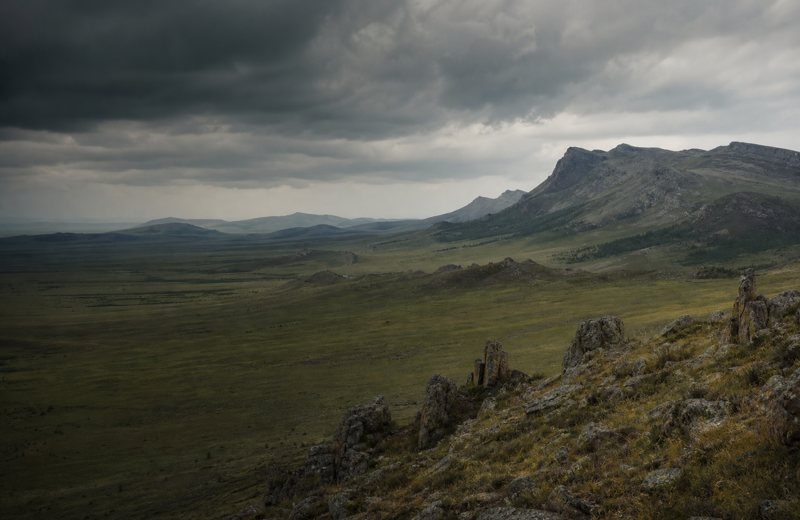
Five ancient genomes from Arkhangai portray a small, mixed frontier within the Xiongnu horizon.
تعرّف على أماكن عينات الحمض النووي القديم وفتراتها والأبحاث المنشورة حولها، واستكشف الثقافات المرتبطة بها.
تصفّح المجموعةالنتائج من 1 إلى 12 من أصل 14
Five ancient genomes from Arkhangai portray a small, mixed frontier within the Xiongnu horizon.
Burials from Tamiryn Ulaan Khoshuu reveal a tangled steppe inheritance, 150 BCE–450 CE
Three genomes from Bulgan (200 BCE–100 CE) connect Xiongnu archaeology with East Eurasian lineages.
A provisional portrait of three individuals from Khentii (200 BCE–100 CE), where archaeology meets ancient DNA
Four genomes from Khovd reveal threads of steppe movement, trade, and mixed ancestry
11 genomes from Salkhityn Am reveal a Steppe frontier of blended east–west ancestries.
A portrait of maternal ancestries at a northern Mongolian frontier (1250–1450 CE)
Fragments of lives from Uguumur Uul connect steppe archaeology with ancient DNA
Genetic and archaeological glimpses of late Xiongnu-era people in Sukhbaatar, Mongolia
Eleven genomes from Ulaanzuukh trace millennia of steppe continuity and change
Genomes and graves trace a frontier from Early Iron Age horizons through Xiongnu and Late Medieval lives.
Nomads of Mongolia whose graves echo long-distance connections