They were not primitive. They were not brutish. They were human—in every way that matters.
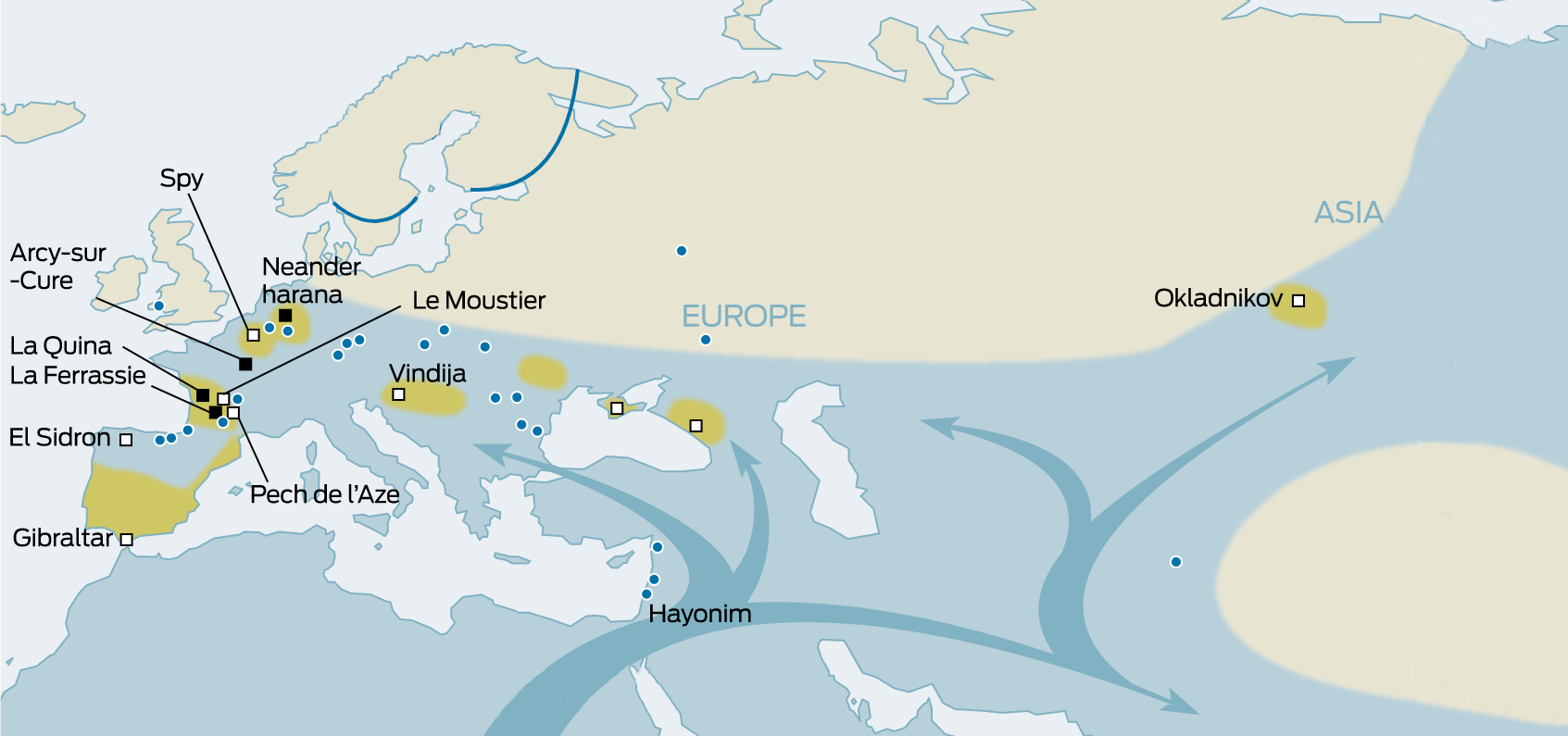
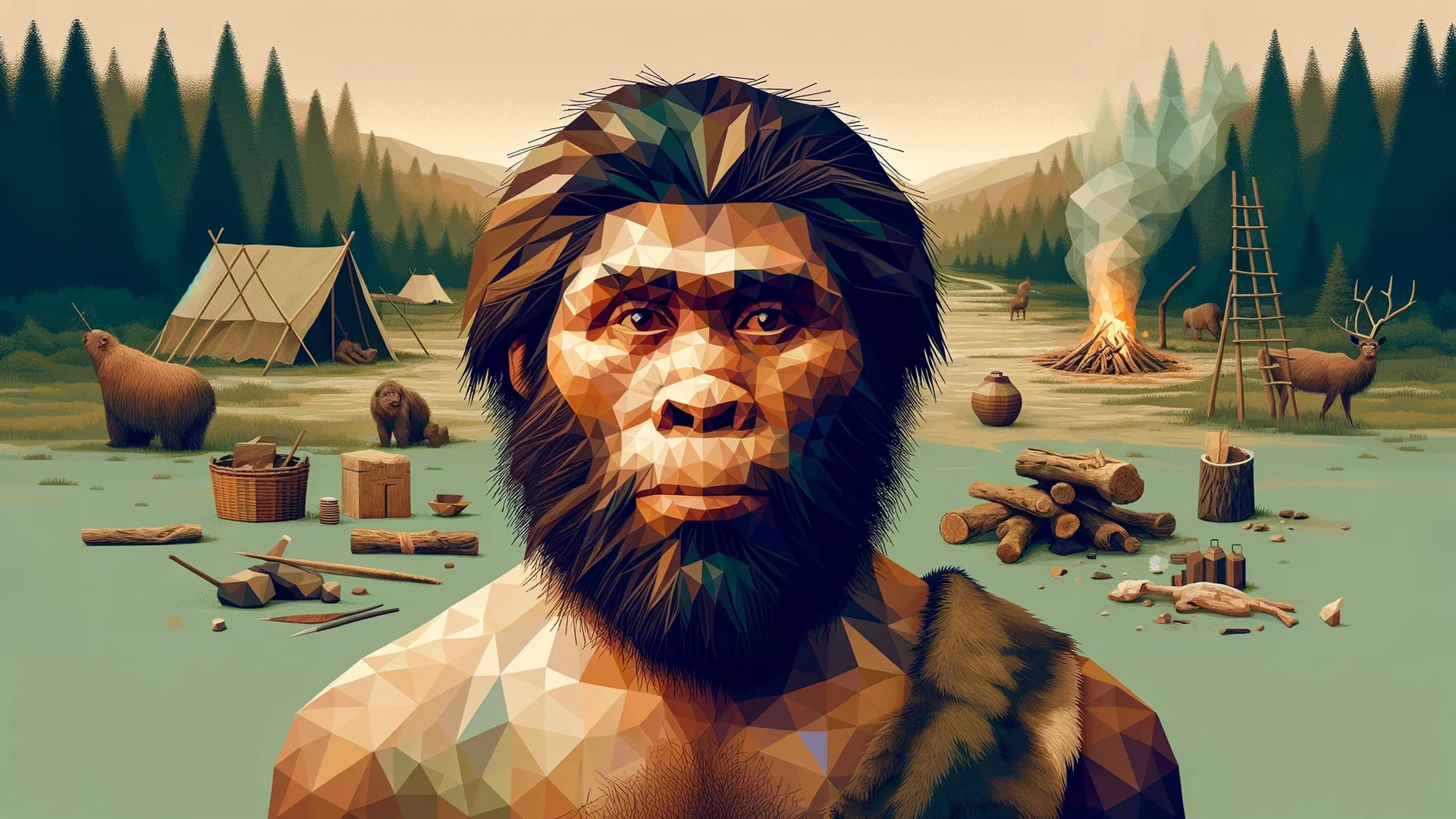
For over 300,000 years, Neanderthals inhabited the vast landscapes of Europe and western Asia. They endured ice ages that would have destroyed lesser beings. They built shelters, controlled fire, and crafted tools with precision that still astonishes archaeologists today.
They buried their dead with flowers. They cared for their sick and elderly—bones show individuals who survived severe injuries, healed and fed by their families for years. They made jewelry, painted caves, and likely spoke a language as complex as our own.
Between 60,000 and 40,000 years ago, when modern humans arrived in their world, something unexpected happened. Instead of conflict, there was connection. Two lineages of humanity—separated for hundreds of thousands of years—found each other. That union lives on in your DNA today.
"They buried their dead. They cared for their sick. They are part of you."