Haplogroup B is an mtDNA lineage derived from the macro-haplogroup R and is estimated to have arisen in East to Southeast Asia during the Upper Paleolithic (roughly around 40–60 thousand years ago). After its origin, B diversified into multiple subclades which expanded locally within continental East Asia and more broadly into Island Southeast Asia and Oceania. Several of its descendant lineages are associated with major Holocene demographic movements, including the Austronesian expansion and the peopling of the Americas.
Subclades
Haplogroup B is subdivided into a number of well-documented subclades (commonly referenced as B4, B5 and their downstream branches). Notable subclades include the Polynesian-related B4a1a1 (often referred to as the "Polynesian motif") which is frequent in Island Southeast Asia and across Polynesia, and the Native American branch commonly labeled B2, a distinct American subclade derived from Asian B lineages. Different subclades show distinct geographic and temporal signatures reflecting bottlenecks, founder effects, and later demographic expansions.
Geographical Distribution
Today, haplogroup B and its subclades are found at appreciable frequencies across East Asia and Southeast Asia, are prominent in many Austronesian-speaking populations (including Taiwanese indigenous groups, Filipinos, and island Melanesians/Polynesians), and occur throughout the Pacific where the Polynesian motif is common. A derived American clade (B2) is one of the primary maternal lineages of indigenous peoples across Central and South America and is present in many North American indigenous groups at varying frequencies, reflecting the initial Late Pleistocene/Early Holocene peopling of the Americas.
Historical and Cultural Significance
Haplogroup B has been linked in population genetic studies to several major prehistoric movements. The distribution of certain B subclades strongly tracks the Austronesian expansion out of Taiwan and through Island Southeast Asia into Remote Oceania (and the associated Lapita cultural complex). The presence of a distinct B-derived lineage (B2) in Native Americans provides genetic evidence for an Asian origin of at least part of the founding maternal pool of the Americas. In addition, the Polynesian motif within B has been used as a genetic marker for long-distance voyaging and island colonization in the Pacific.
Conclusion
mtDNA haplogroup B is a geographically broad and temporally deep maternal lineage originating in East/Southeast Asia during the Upper Paleolithic. Its diversity and distribution capture key episodes of human prehistory in Asia, Island Southeast Asia, Oceania, and the Americas, making it a focal haplogroup for studies of migration, island colonization, and the initial peopling of the New World.
关键点
Origins and Evolution
Subclades
Geographical Distribution
Historical and Cultural Significance
Conclusion
参考简介
树形关系( N)
phylgenetic 上下文和子拼写
进化路径
沿已记录的上级分支追溯至 B。年代为估计值,可能随参考数据更新而调整。
步骤
单倍群
年龄估计
考古时代
时间流逝
直系后裔
被测试的现代后裔
古代连接
1
B
当前
~50,000 years ago
Paleolithic
50,000 years
0
0
75
Subclades (0)
终端分支 -没有记录的子密钥
参考简介
哪里是这个世界
地理分布和现代存在
记录来源
East / Southeast Asia
现代发行
The populations where mtDNA haplogroup B is found include:
Han Chinese and other East Asian populations (China, Korea, Japan)
Southeast Asian groups (Vietnamese, Thai, Malay peoples, Filipino)
Melanesian populations (in parts of Island Melanesia)
Indigenous peoples of the Americas (especially Central and South America — Native American B2 lineage)
Indigenous North American groups at lower frequencies
Coastal and island populations involved in prehistoric maritime dispersals
历史背景
分枝穿越时间
大致历史时间范围内的估计形成情况:周期标志提供了背景,并不意味着与特定文化的联系。
~70k 年前
离开非洲
现代人大规模迁出非洲
~50k 年前
上旧石器
高级工具制造、艺术和文化爆炸
~50k 年前
Haplogroup B
此 mtDNA 分支的形成时间为推定值,日期和地点仅作参考。
这个分支
~20k 年前
上一个冰川最大值
上一个冰河时代的高峰,人口隔离
~10k 年前
新石器革命
农业开始,定居社区形成
~5k 年前
青铜时代
金属加工、书写和早期文明
~3k 年前
铁器时代
铁工具,扩大贸易网络
~2.5k 年前
古典时代
希腊和罗马文明蓬勃发展
现
现日
现代时代
参考简介
考古学背景
已记录的 mtDNA 分支 B 考古关联
有记录的协会
这些标签描述与 B 相关的参考样本所处的考古背景。仅凭这种关联,无法判断所有携带者都属于某种文化或沿同一路线迁徙。
Ancient BeringianArgentina_Cordoba_4100BP_ComechingonesChinese PaleolithicHuaca PrietaKaingang SambaquiLapa do SantoMesolithic BritishTianyuan CultureTrail Creek Culture
文化任务基于古代DNA样本的考古背景,可能代表特定时期的区域协会.
参考简介
样本目录
单倍群 B 的子分支携带者 75 名(当前选定的参考样本中没有直接携带者)
10 显示 ^ 50 匹配样本
没有匹配这些过滤器的样本。请尝试其它标签、 位置或周期 。
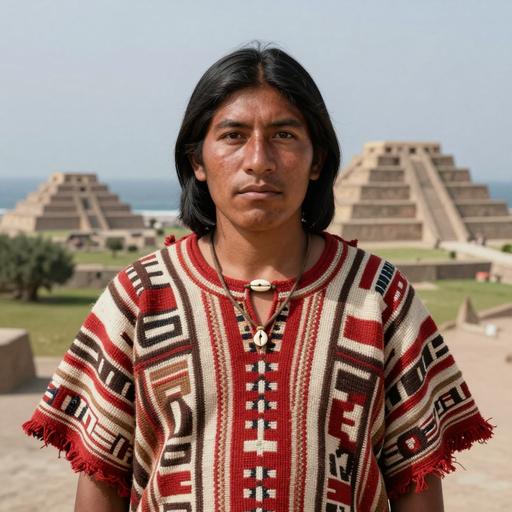
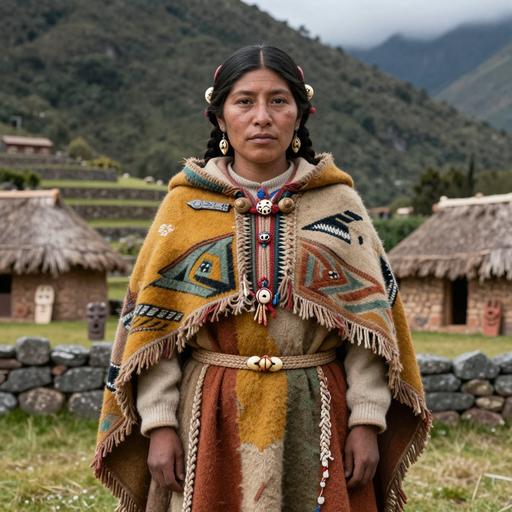
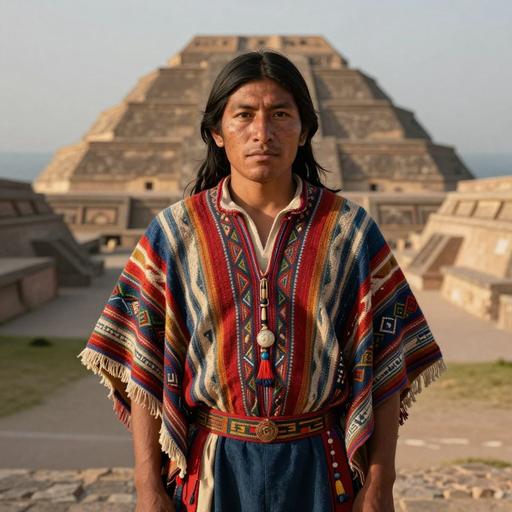
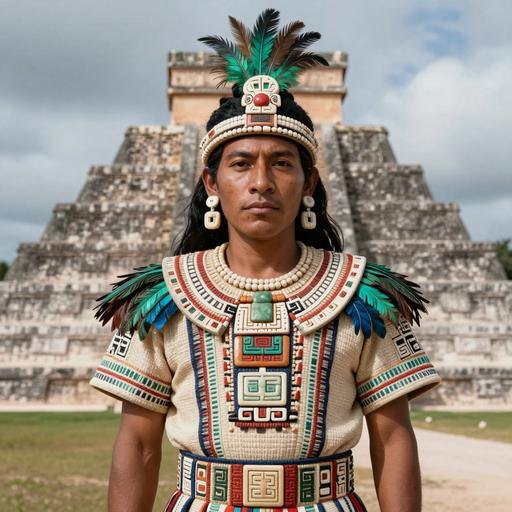
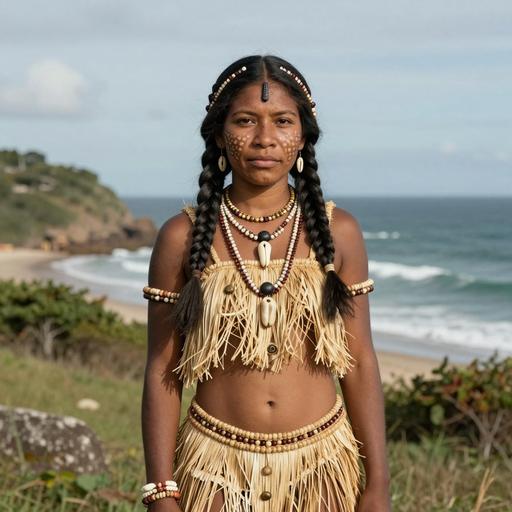
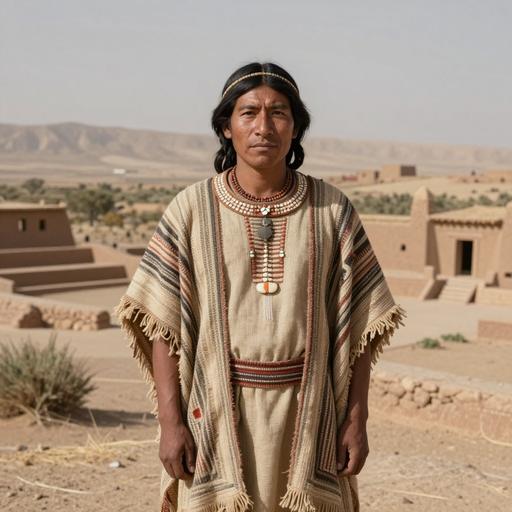
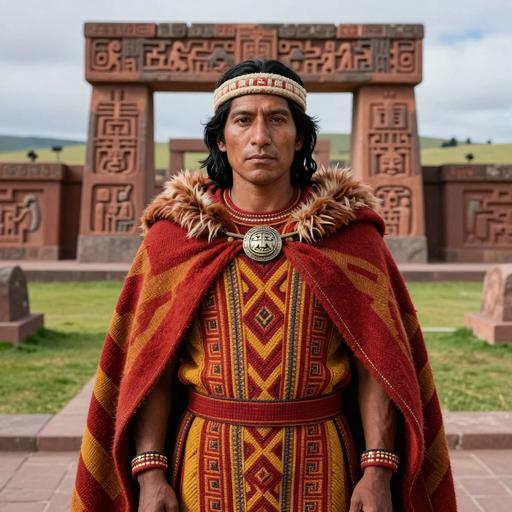
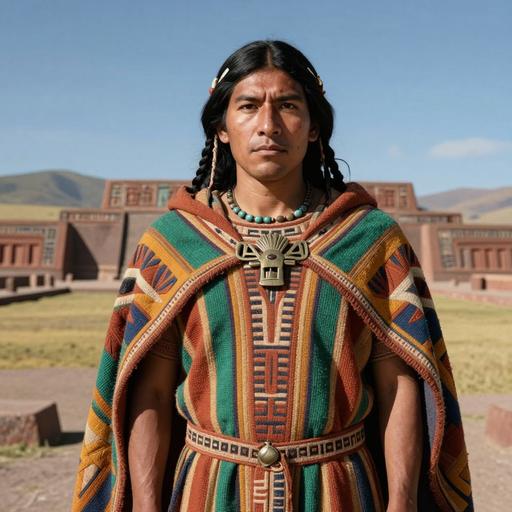
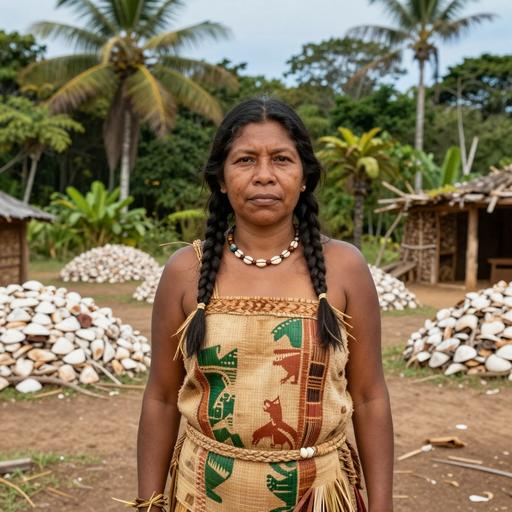
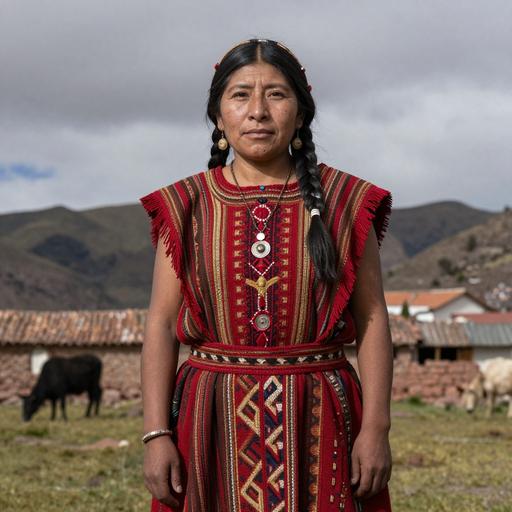
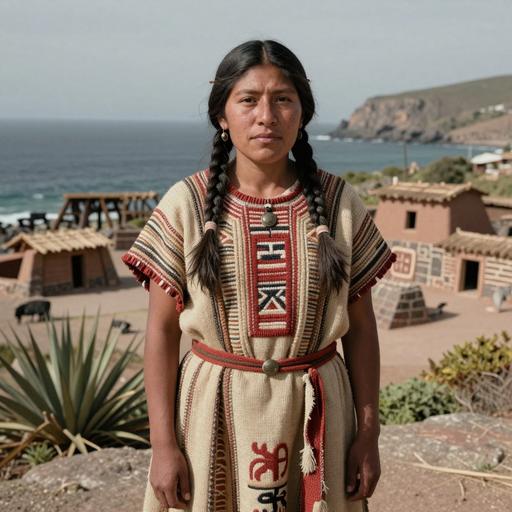
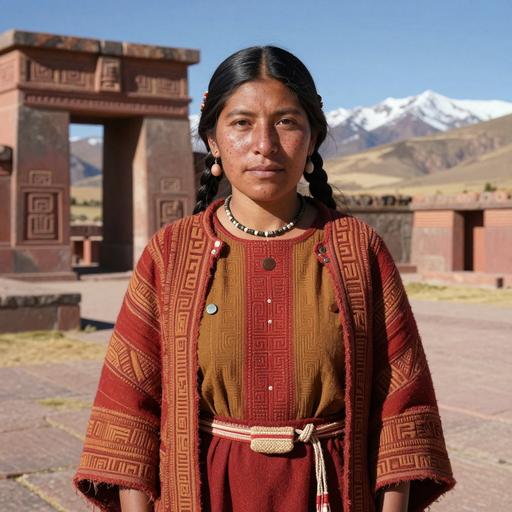
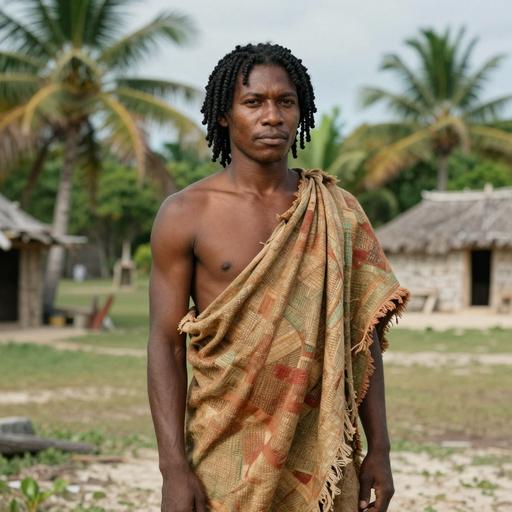
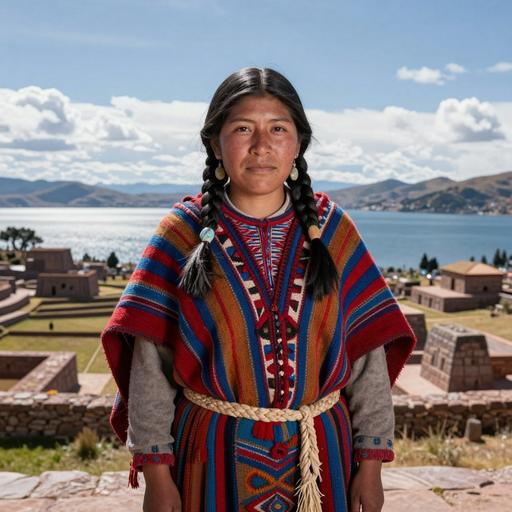
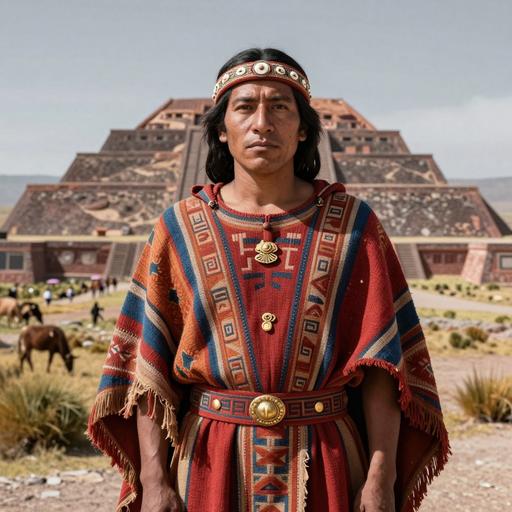
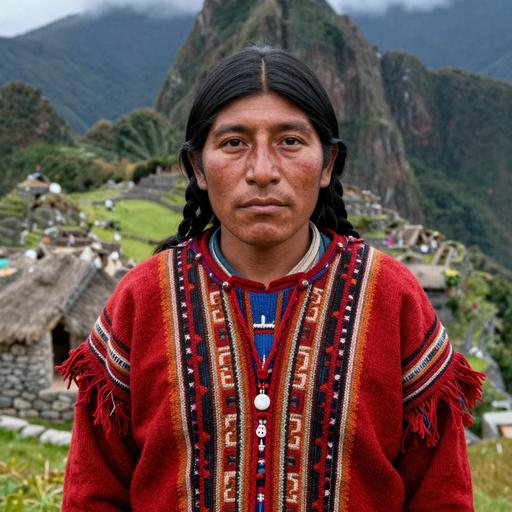
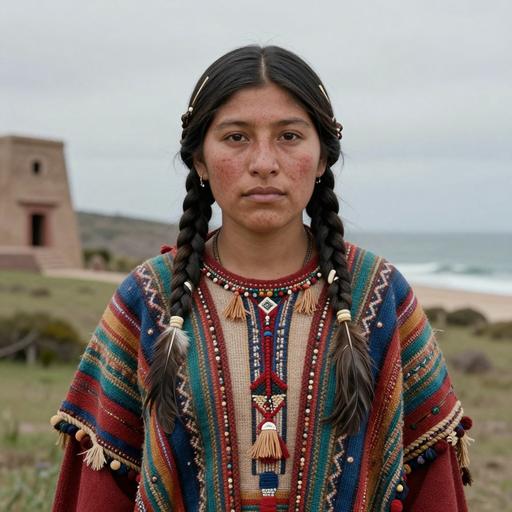
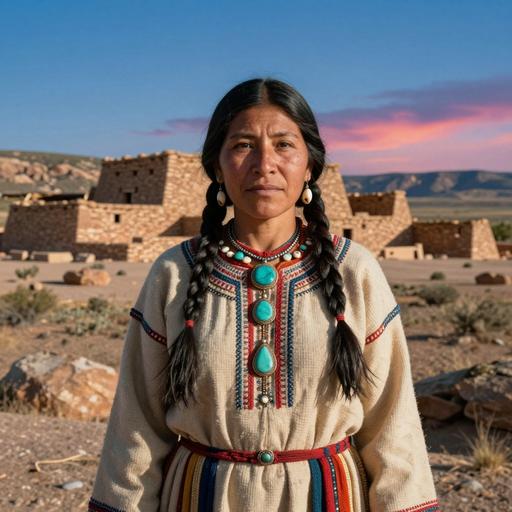
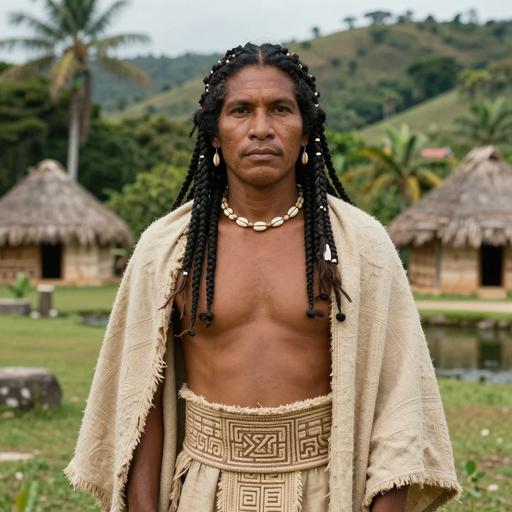
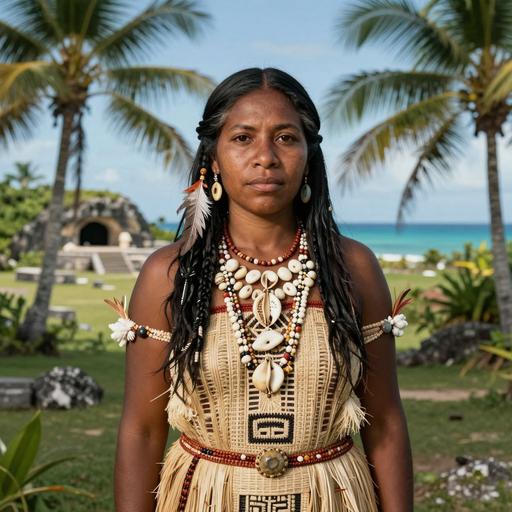
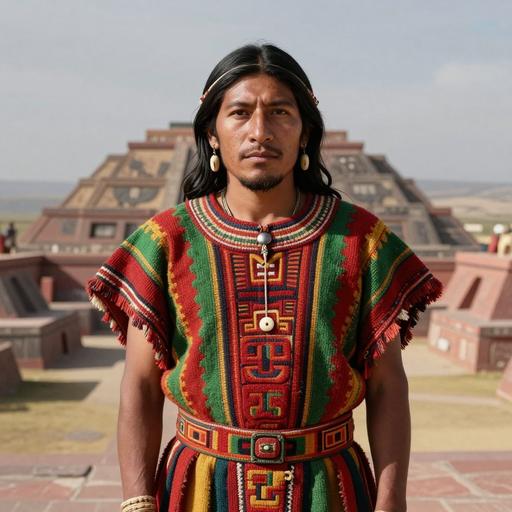
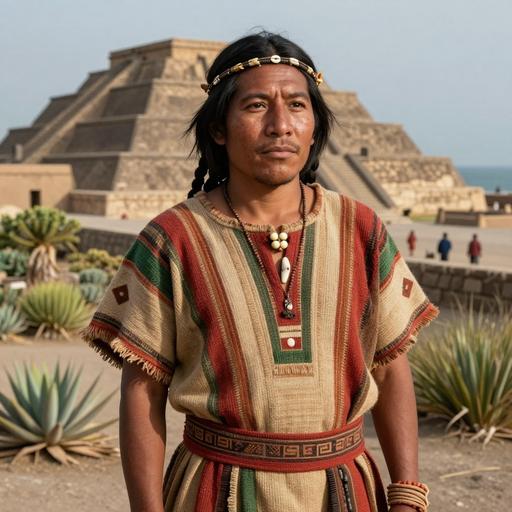
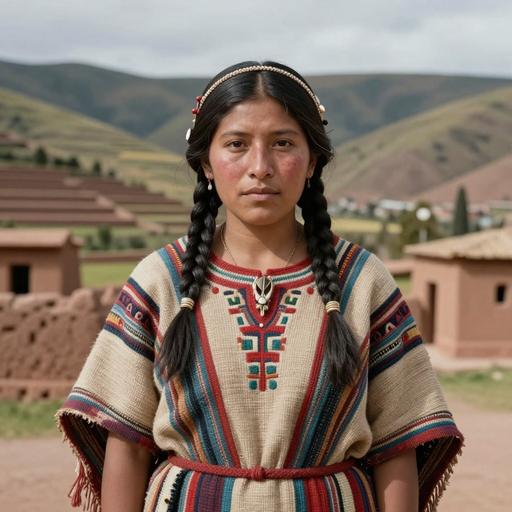
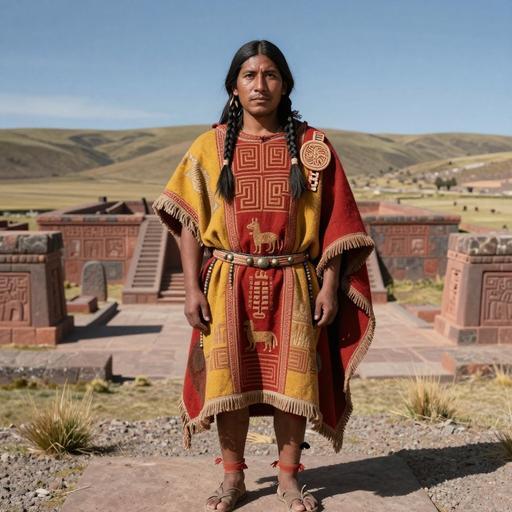
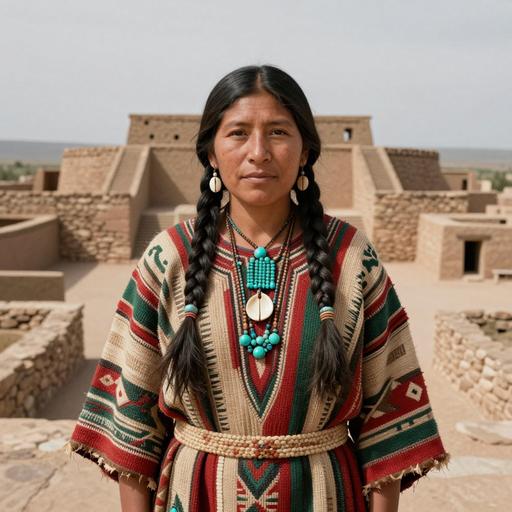
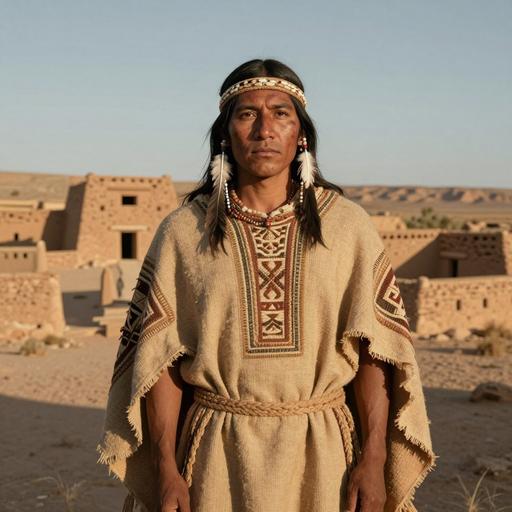
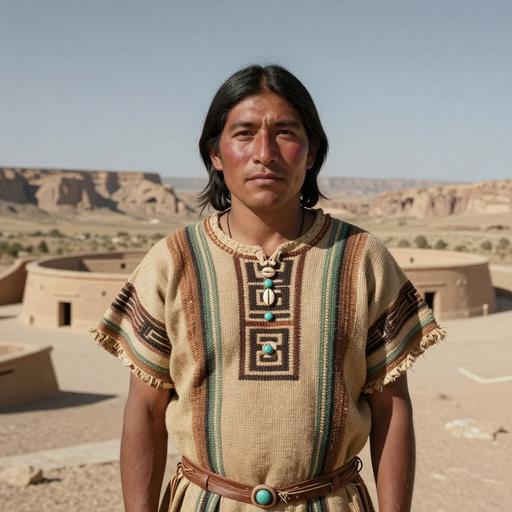
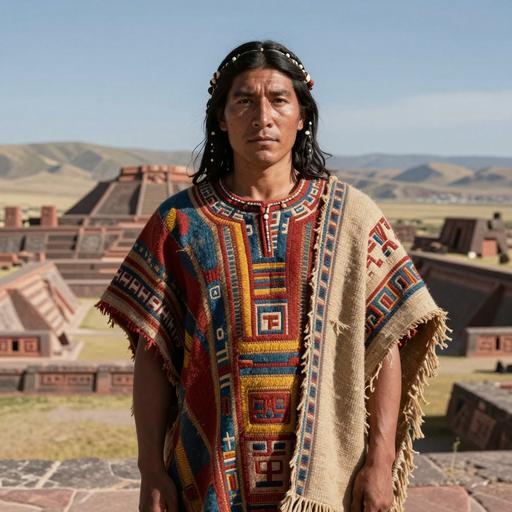
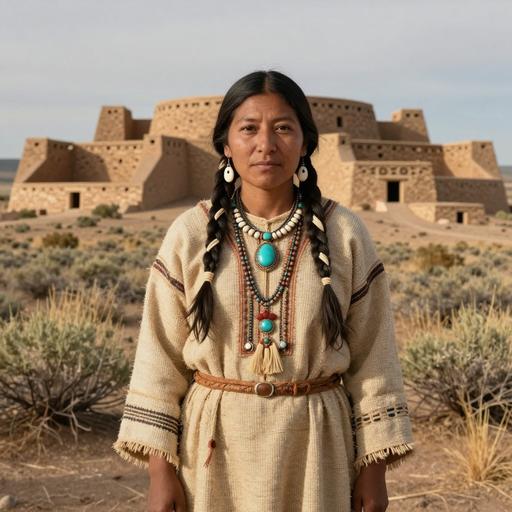
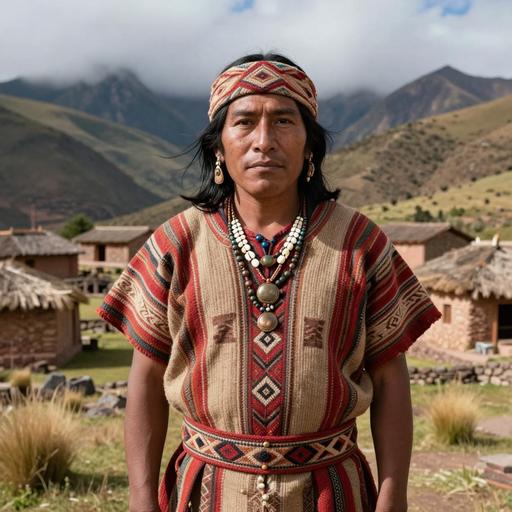
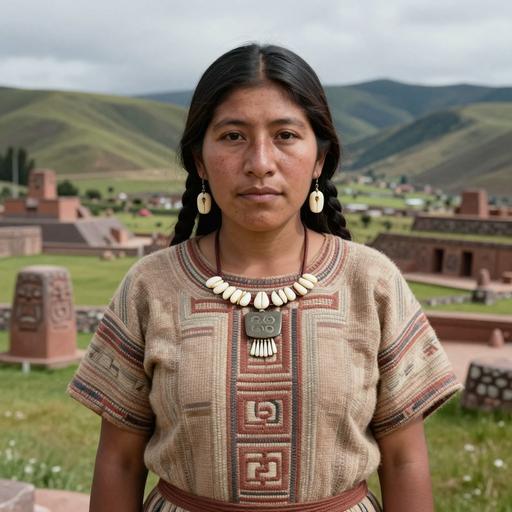
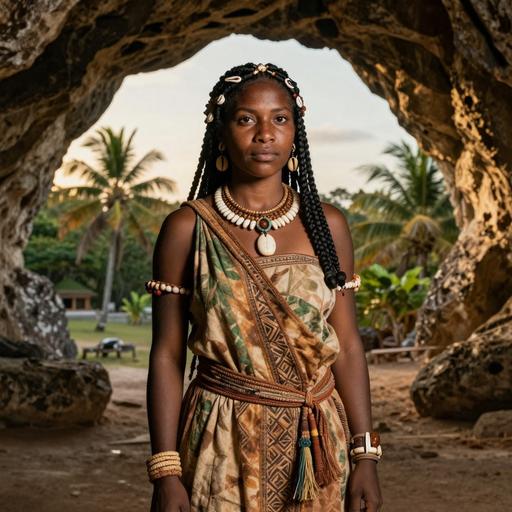
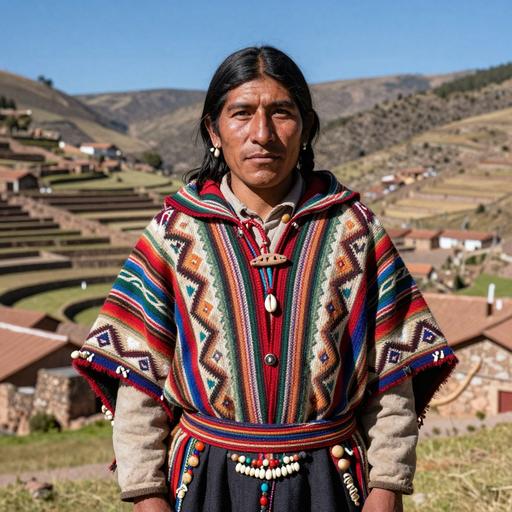
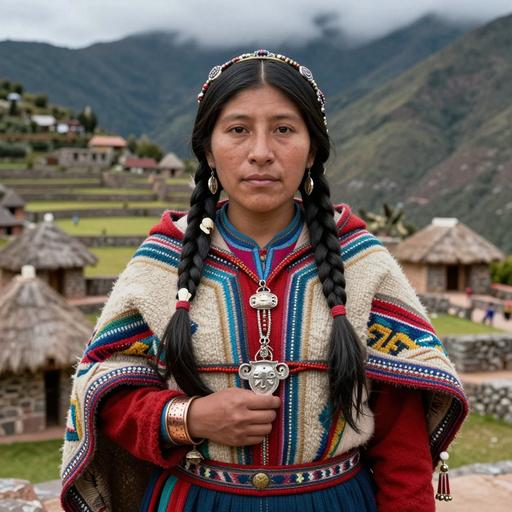
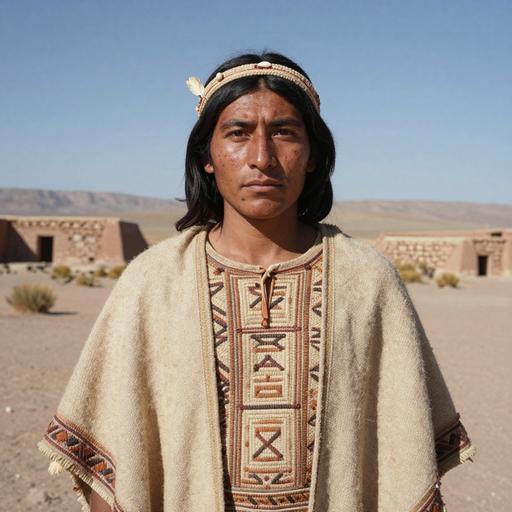
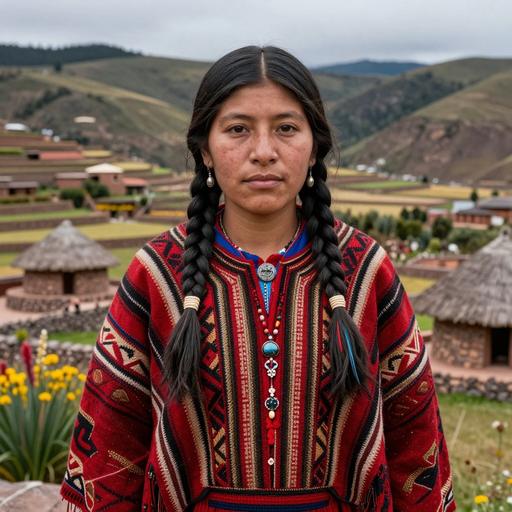
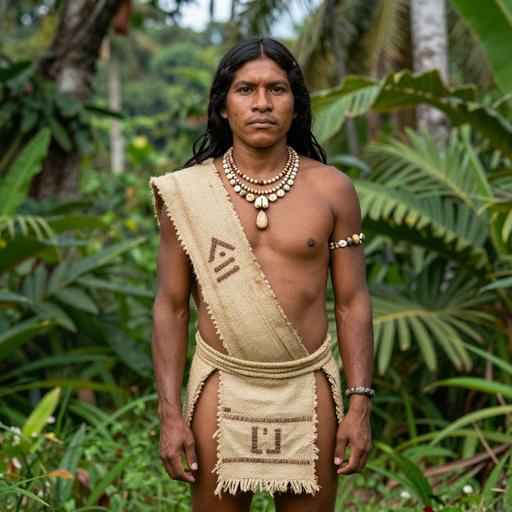
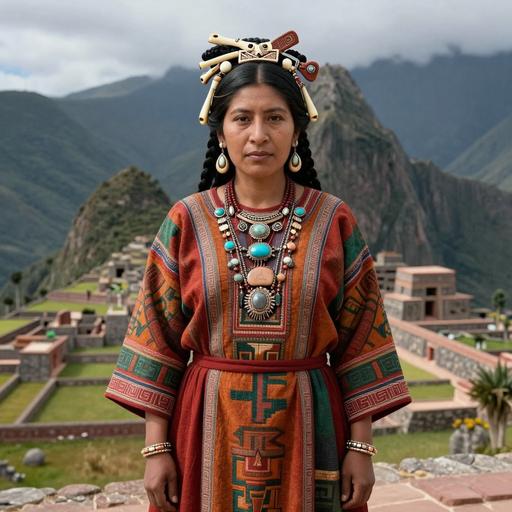
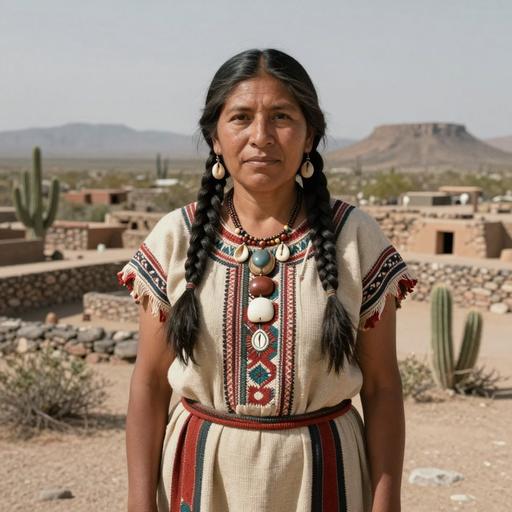
Portraits是AI生成的插图,样本标签和加入ID识别参考记录.
纵向
样本
国家
大纪元
日期
文化
mtDNA
匹配
Sample ID: I0045
Peru
Early Intermediate Period Lima Culture, Peru 1,450 Years Ago
100-650 CE
Lima Culture
B2
下游分支
Sample ID: IL3
Peru
Rio Uncallane, Peru 1,600 Years Ago
140 CE - 338 CE
Rio Uncallane
B2
下游分支
Sample ID: IL3
Peru
Pre-Columbian South America
140 CE - 338 CE
B2
下游分支
Sample ID: I0974
Peru
Early Intermediate Period Lima Culture, Peru 1,450 Years Ago
200-700 CE
Lima Culture
B2
下游分支
Sample ID: E8CdV
Mexico
Mexico Guanajuato Medieval
500-700 CE
Loma San Gabriel
B2
下游分支
Sample ID: YCH057
Mexico
Maya Lowland Classic
550 CE - 1200 CE
Maya Classic
B2
下游分支
Sample ID: YCH057
Mexico
Maya Lowland Classic
550 CE - 1200 CE
Maya Classic
B2
下游分支
Sample ID: JBT019
Brazil
Sambaqui Culture of Jabuticabeira II
553-646 calCE (1498±23, MAMS-28359)
Jabuticabeira II Sambaqui
B2
下游分支
Sample ID: I2558
Peru
Early Intermediate Period Ullujaya, Peru 1,350 Years Ago