Profil de référence pour une branche de lignée. Des haplogroupes partagés n'établissent pas de lien familial ni d'identité culturelle.
Profil de référence
Contexte de la branche
Contexte historique de la branche de lignée mtDNA B
Origins and Evolution
Haplogroup B is an mtDNA lineage derived from the macro-haplogroup R and is estimated to have arisen in East to Southeast Asia during the Upper Paleolithic (roughly around 40–60 thousand years ago). After its origin, B diversified into multiple subclades which expanded locally within continental East Asia and more broadly into Island Southeast Asia and Oceania. Several of its descendant lineages are associated with major Holocene demographic movements, including the Austronesian expansion and the peopling of the Americas.
Subclades
Haplogroup B is subdivided into a number of well-documented subclades (commonly referenced as B4, B5 and their downstream branches). Notable subclades include the Polynesian-related B4a1a1 (often referred to as the "Polynesian motif") which is frequent in Island Southeast Asia and across Polynesia, and the Native American branch commonly labeled B2, a distinct American subclade derived from Asian B lineages. Different subclades show distinct geographic and temporal signatures reflecting bottlenecks, founder effects, and later demographic expansions.
Geographical Distribution
Today, haplogroup B and its subclades are found at appreciable frequencies across East Asia and Southeast Asia, are prominent in many Austronesian-speaking populations (including Taiwanese indigenous groups, Filipinos, and island Melanesians/Polynesians), and occur throughout the Pacific where the Polynesian motif is common. A derived American clade (B2) is one of the primary maternal lineages of indigenous peoples across Central and South America and is present in many North American indigenous groups at varying frequencies, reflecting the initial Late Pleistocene/Early Holocene peopling of the Americas.
Historical and Cultural Significance
Haplogroup B has been linked in population genetic studies to several major prehistoric movements. The distribution of certain B subclades strongly tracks the Austronesian expansion out of Taiwan and through Island Southeast Asia into Remote Oceania (and the associated Lapita cultural complex). The presence of a distinct B-derived lineage (B2) in Native Americans provides genetic evidence for an Asian origin of at least part of the founding maternal pool of the Americas. In addition, the Polynesian motif within B has been used as a genetic marker for long-distance voyaging and island colonization in the Pacific.
Conclusion
mtDNA haplogroup B is a geographically broad and temporally deep maternal lineage originating in East/Southeast Asia during the Upper Paleolithic. Its diversity and distribution capture key episodes of human prehistory in Asia, Island Southeast Asia, Oceania, and the Americas, making it a focal haplogroup for studies of migration, island colonization, and the initial peopling of the New World.
Points clés
Origins and Evolution
Subclades
Geographical Distribution
Historical and Cultural Significance
Conclusion
Profil de référence
Arbre et relations
Contexte phylogénétique et sous-clades
Voie évolutive
Suivez les branches parentes consignées jusqu'à B. Les dates sont des estimations et peuvent évoluer lorsque les données de référence sont révisées.
Étapes
Haplogroupe
Âge estimé
Époque archéologique
Temps écoulé
Descendants immédiats
Descendants modernes testés
Liens anciens
1
B
Actuel
~50,000 years ago
Paleolithic
50,000 ans
0
0
75
Sous-clades (0)
Branche terminale, aucune sous-clade consignée
Profil de référence
Dans le monde
Distribution géographique et présence moderne
Origine consignée
East / Southeast Asia
Distribution moderne
The populations where mtDNA haplogroup B is found include:
Han Chinese and other East Asian populations (China, Korea, Japan)
Southeast Asian groups (Vietnamese, Thai, Malay peoples, Filipino)
Melanesian populations (in parts of Island Melanesia)
Indigenous peoples of the Americas (especially Central and South America — Native American B2 lineage)
Indigenous North American groups at lower frequencies
Coastal and island populations involved in prehistoric maritime dispersals
Contexte historique
Une branche dans le temps
Formation estimée sur une chronologie historique large. Les repères de période servent de contexte et n'impliquent pas de lien avec des cultures particulières.
Il y a ~70k ans
Sortie d'Afrique
Grande migration des humains modernes hors d'Afrique
Il y a ~50k ans
Paléolithique supérieur
Outils avancés, art et essor culturel
Il y a ~50k ans
Haplogroupe B
Formation estimée de cette branche mtDNA ; les dates et les lieux sont des estimations de référence.
Cette branche
Il y a ~20k ans
Dernier maximum glaciaire
Apogée de la dernière période glaciaire, populations isolées
Il y a ~10k ans
Révolution néolithique
Début de l'agriculture et émergence de communautés sédentaires
Il y a ~5k ans
Âge du bronze
Travail des métaux, écriture et premières civilisations
Il y a ~3k ans
Âge du fer
Outils en fer, réseaux d'échanges élargis
Il y a ~2.5k ans
Antiquité classique
Floraison des civilisations grecque et romaine
Aujourd'hui
Aujourd'hui
Époque moderne
Profil de référence
Contexte archéologique
Associations archéologiques consignées pour la branche mtDNA B
Associations consignées
Ces libellés décrivent des contextes archéologiques consignés pour des échantillons de référence liés à B. Une association n'établit pas que tous les porteurs appartenaient à une culture ni qu'ils ont suivi une route migratoire précise.
Ancient BeringianArgentina_Cordoba_4100BP_ComechingonesChinese PaleolithicHuaca PrietaKaingang SambaquiLapa do SantoMesolithic BritishTianyuan CultureTrail Creek Culture
Les attributions culturelles reposent sur le contexte archéologique des échantillons d'ADN ancien et peuvent refléter des associations régionales à certaines périodes.
Profil de référence
Catalogue d'échantillons
75 porteurs de sous-clade de l'haplogroupe B (aucun porteur direct dans la sélection de référence actuelle)
10 affiché(s) · 50 échantillons correspondants
Aucun échantillon ne correspond à ces filtres. Essayez un autre libellé, lieu ou période.
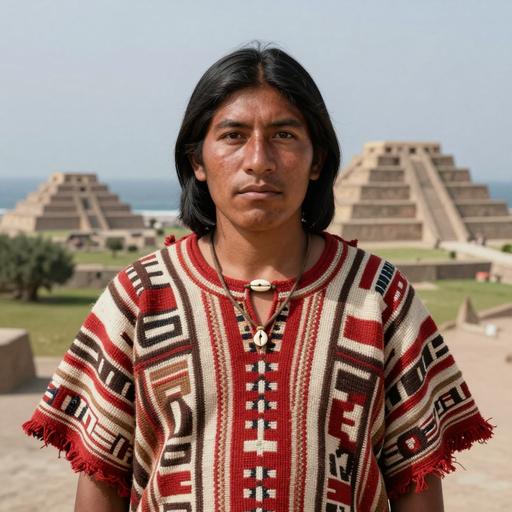
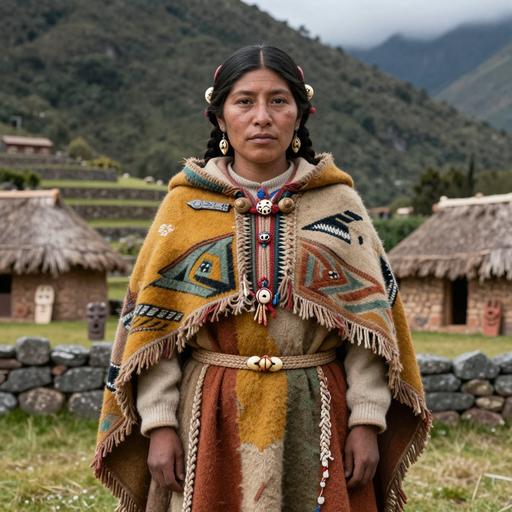
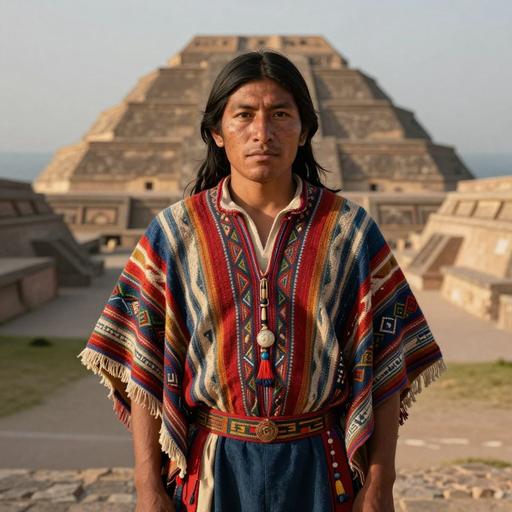
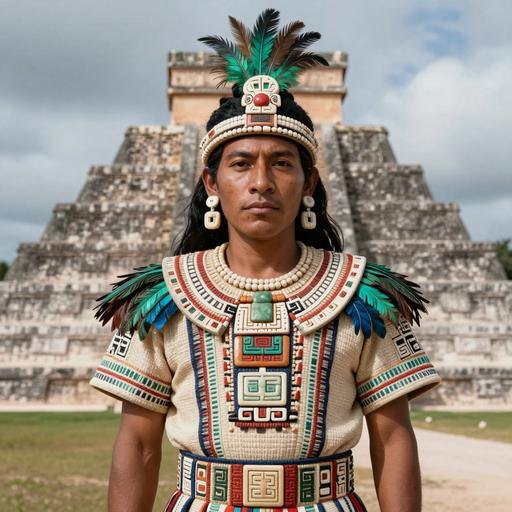
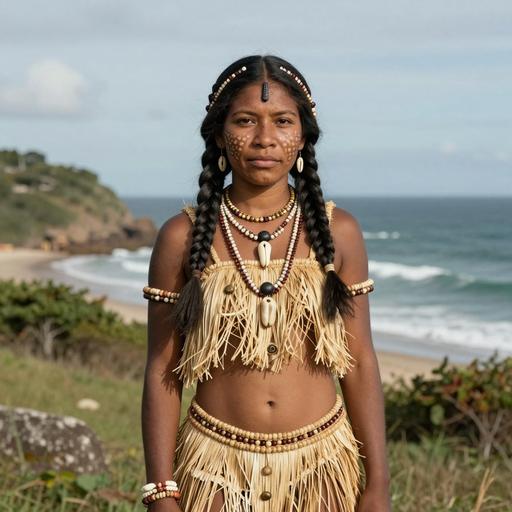
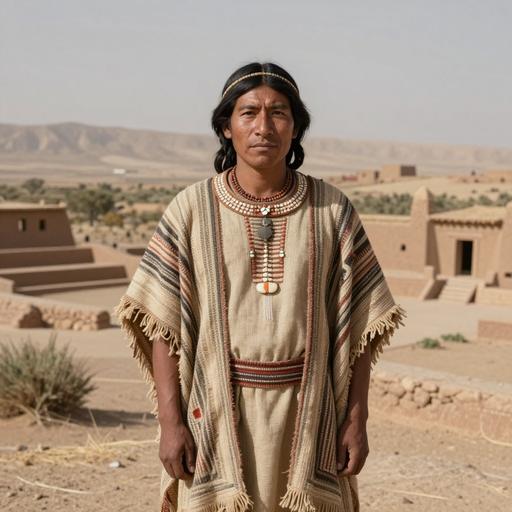
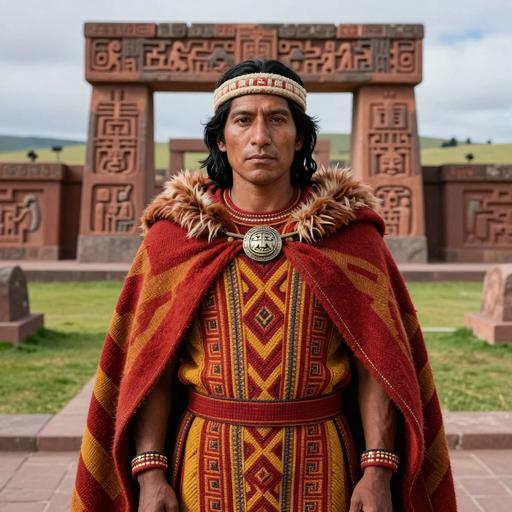
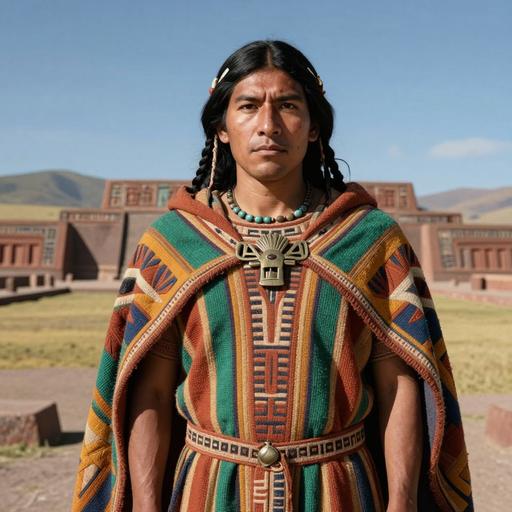
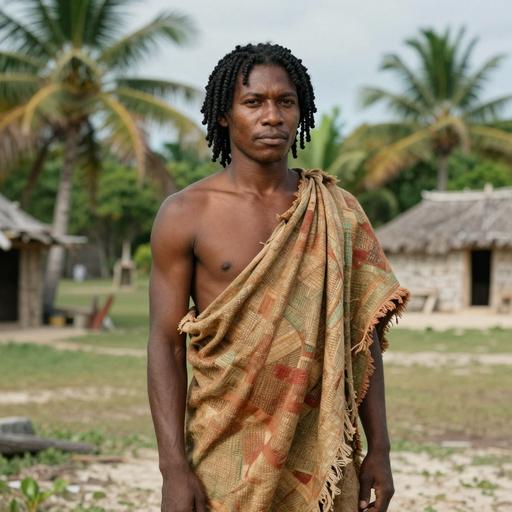
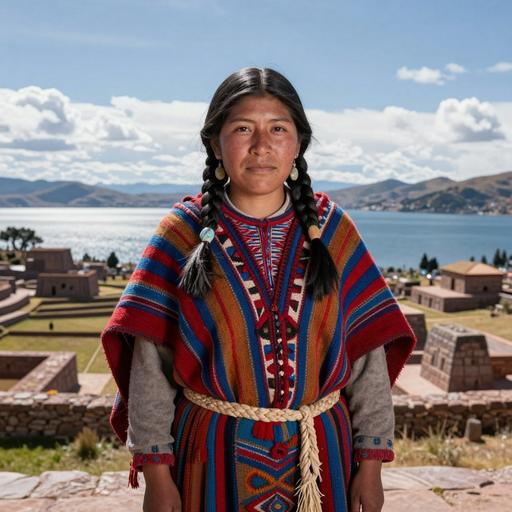
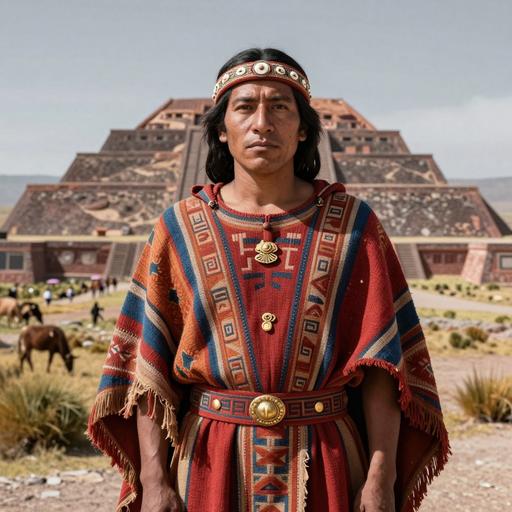
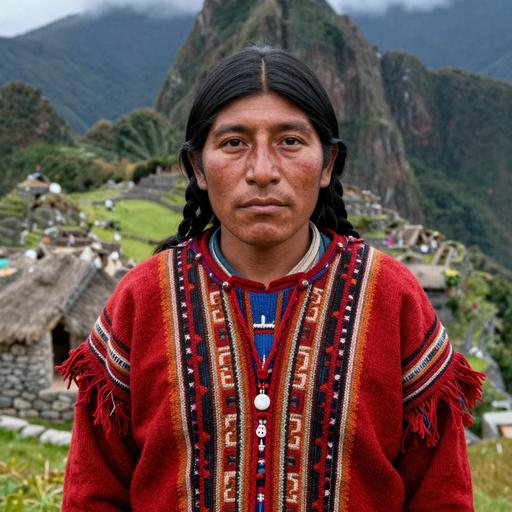
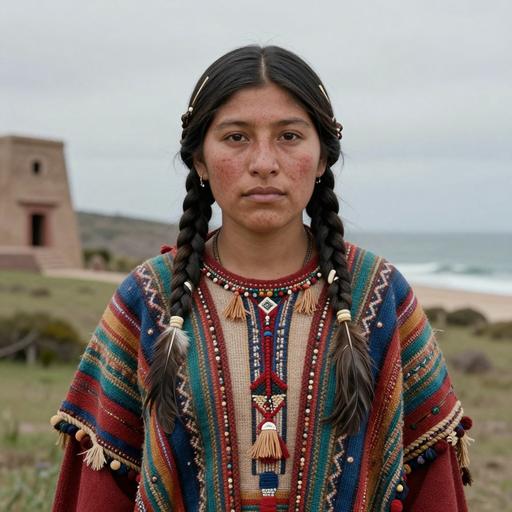
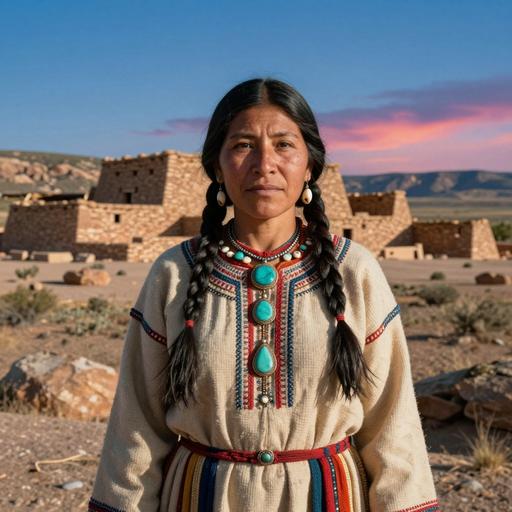
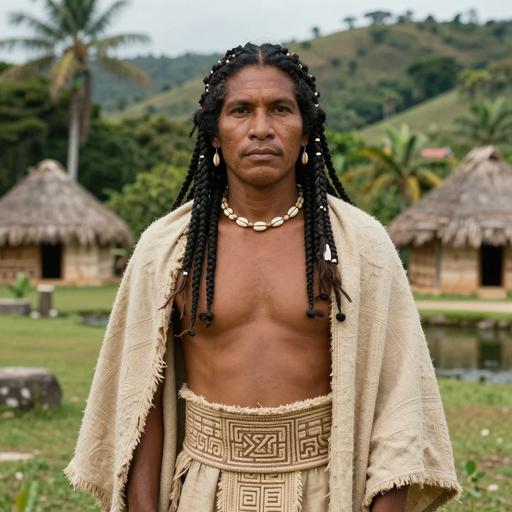
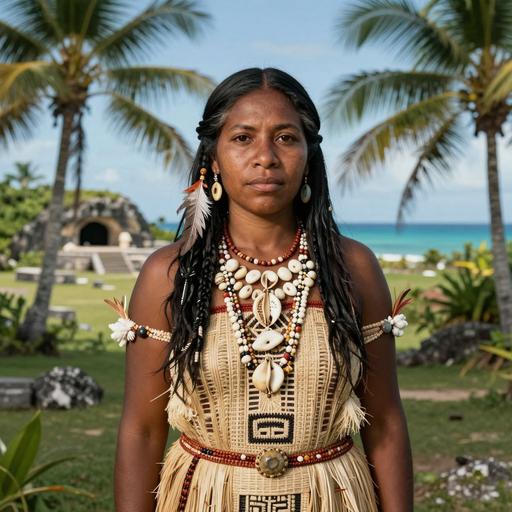
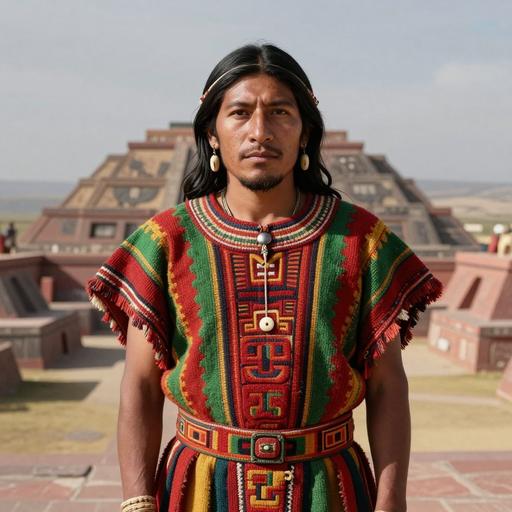
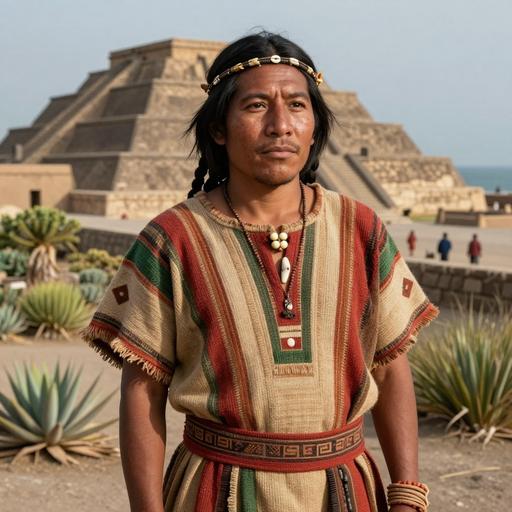
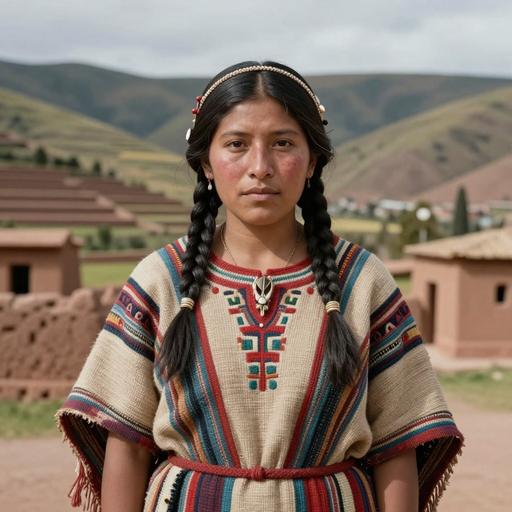
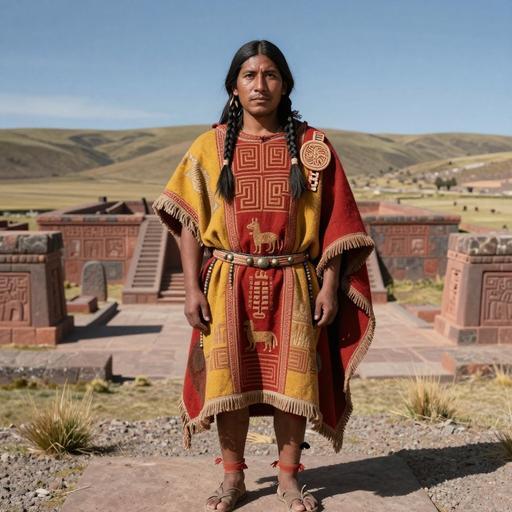
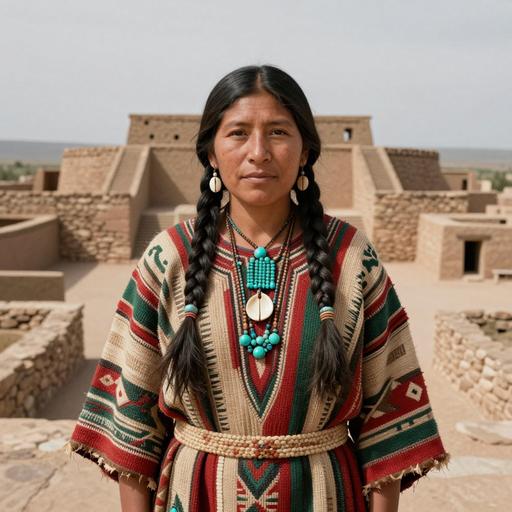
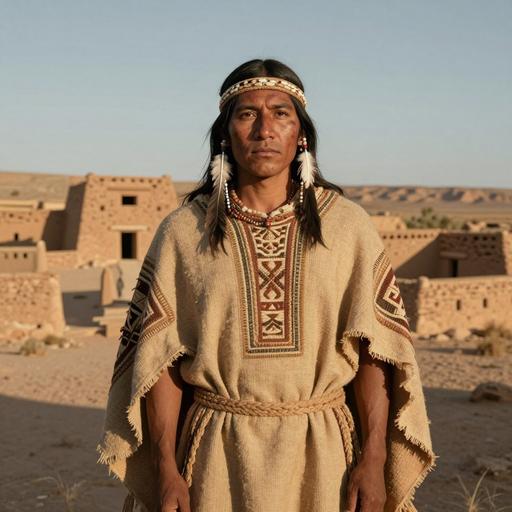
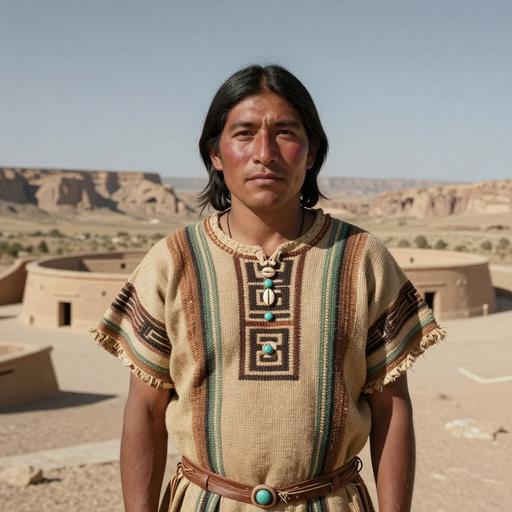
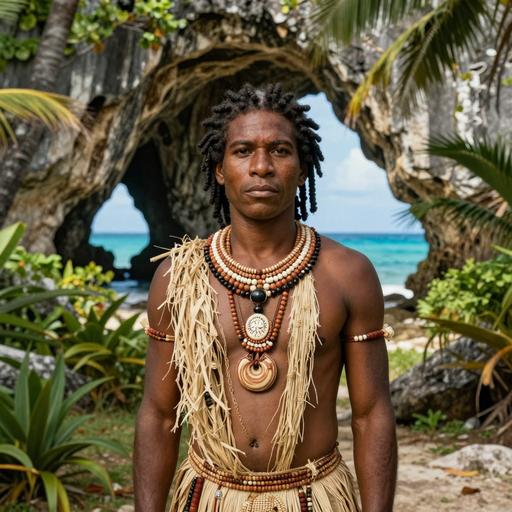
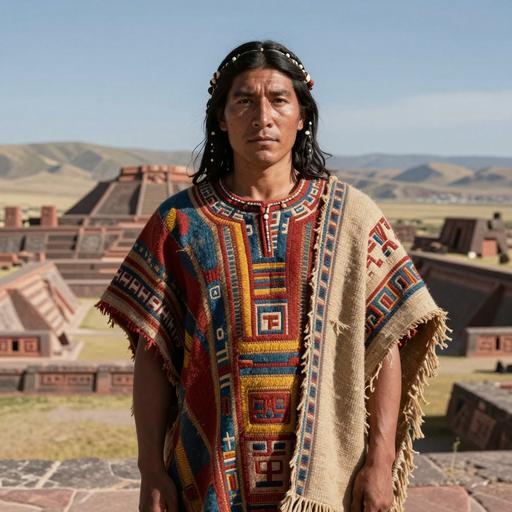
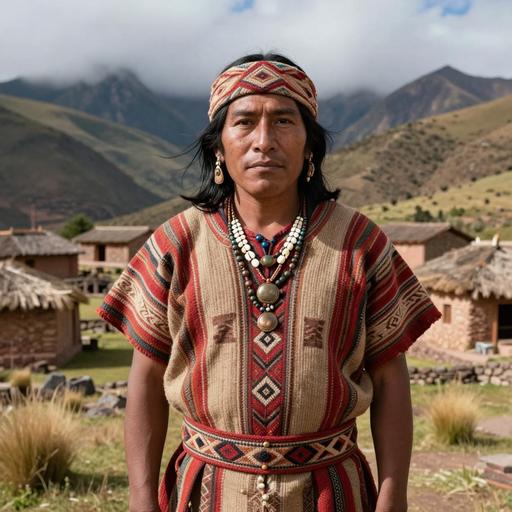
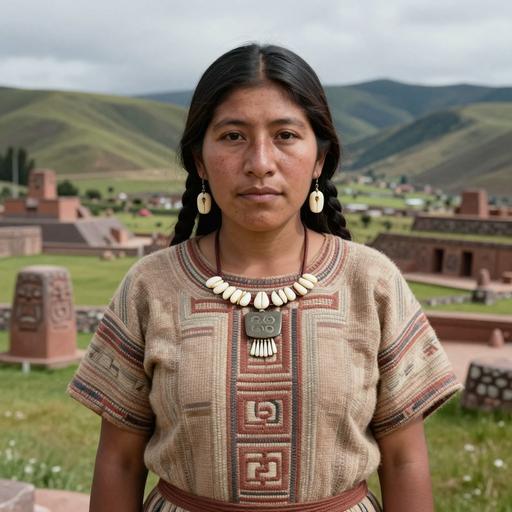
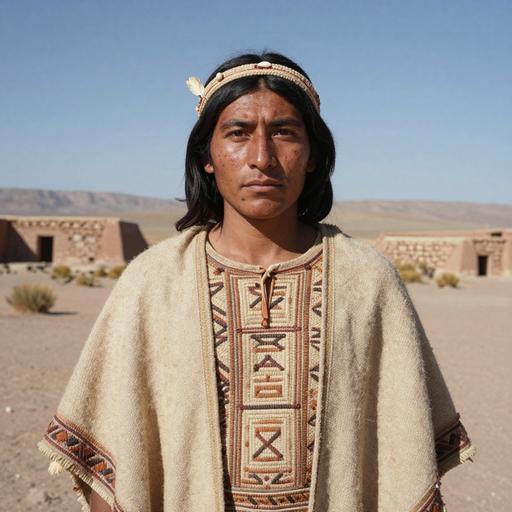
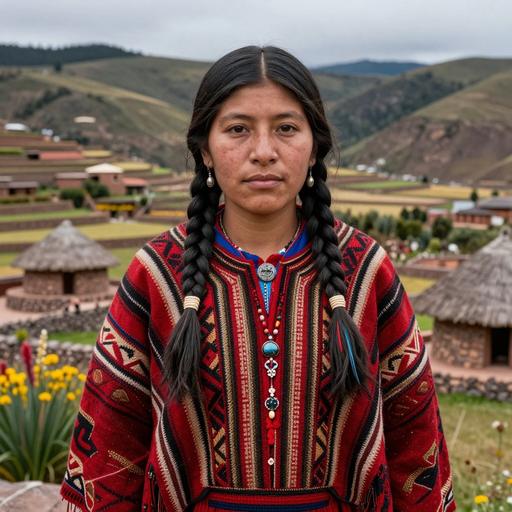
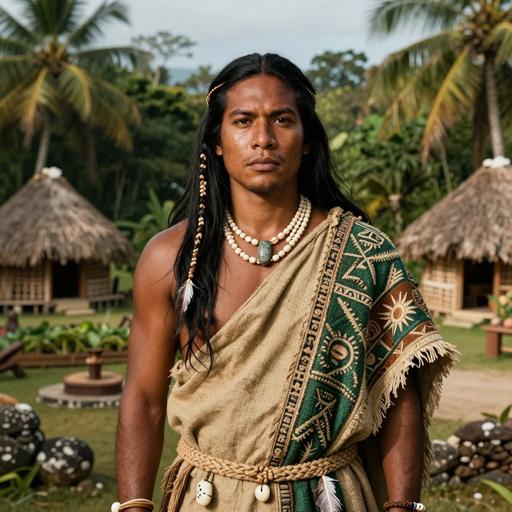
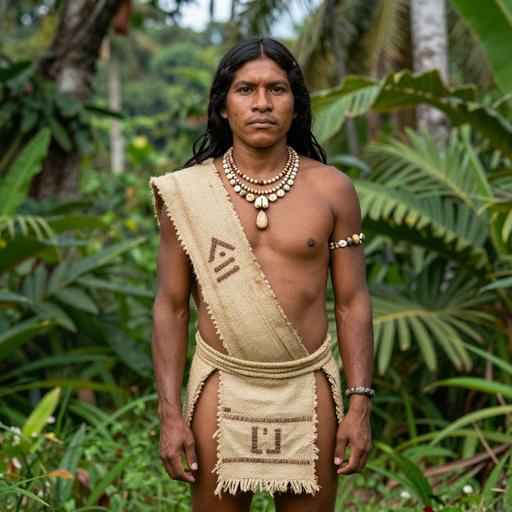
Les portraits sont des illustrations générées par IA. Les libellés d'échantillon et identifiants d'accès désignent les enregistrements de référence.
Portrait
Échantillon
Pays
Époque
Date
Culture
mtDNA
Correspondance
Identifiant d'échantillon : I0045
Peru
Early Intermediate Period Lima Culture, Peru 1,450 Years Ago
100-650 CE
Lima Culture
B2
Sous-clade
Identifiant d'échantillon : IL3
Peru
Rio Uncallane, Peru 1,600 Years Ago
140 CE - 338 CE
Rio Uncallane
B2
Sous-clade
Identifiant d'échantillon : IL3
Peru
Pre-Columbian South America
140 CE - 338 CE
B2
Sous-clade
Identifiant d'échantillon : I0974
Peru
Early Intermediate Period Lima Culture, Peru 1,450 Years Ago
200-700 CE
Lima Culture
B2
Sous-clade
Identifiant d'échantillon : E8CdV
Mexico
Mexico Guanajuato Medieval
500-700 CE
Loma San Gabriel
B2
Sous-clade
Identifiant d'échantillon : YCH057
Mexico
Maya Lowland Classic
550 CE - 1200 CE
Maya Classic
B2
Sous-clade
Identifiant d'échantillon : YCH057
Mexico
Maya Lowland Classic
550 CE - 1200 CE
Maya Classic
B2
Sous-clade
Identifiant d'échantillon : JBT019
Brazil
Sambaqui Culture of Jabuticabeira II
553-646 calCE (1498±23, MAMS-28359)
Jabuticabeira II Sambaqui
B2
Sous-clade
Identifiant d'échantillon : I2558
Peru
Early Intermediate Period Ullujaya, Peru 1,350 Years Ago
Ceramic Period Eleuthera Island, Bahamas - Bahamas - North Eleuthera. Preacher's Cave
Bahamas Ceramic Period Eleuthera Island, Bahamas 1047 CE - 1220 CE
B2Sous-clade
Identifiant d'échantillon : PCV002
Ceramic Period Eleuthera Island, Bahamas - Bahamas - Preacher's Cave (Eleuthera, North part of island)
Bahamas Ceramic Period Eleuthera Island, Bahamas 1047-1220 calCE (890±23 BP, MAMS-39633)
B2Sous-clade
Identifiant d'échantillon : I14878
Bahamas EleutheraIsl Ceramic dup.I14878 - North Eleuthera. Preacher's Cave
Bahamas The First Peoples of the Caribbean 1047 CE - 1220 CE
B2Sous-clade
Identifiant d'échantillon : I1484
Laramate, Peru 900 Years Ago - Peru - Botigiriayocc. Laramate. Highlands
Peru Laramate, Peru 900 Years Ago 1050-1220 calCE (920±20 BP, PSUAMS-1615)
B2Sous-clade
Identifiant d'échantillon : I2544
Late Intermediate Period Chanka Culture, Peru - Peru - Charrangochayoc
Peru Late Intermediate Period Chanka Culture, Peru 1100-1450 CE
B2Sous-clade
Identifiant d'échantillon : I14009
Late Intermediate Period Pukara, Chile 700 Years Ago - Chile - Atacama Desert. Precordillera
Chile Late Intermediate Period Pukara, Chile 700 Years Ago 1155-1260 calCE (890±20 BP, PSUAMS-6819)
B2Sous-clade
Identifiant d'échantillon : I2563
Late Intermediate Period Chanka Culture, Peru - Peru - Chanka
Peru Late Intermediate Period Chanka Culture, Peru 1200-1400 CE
B2Sous-clade
Identifiant d'échantillon : I13190
Ceramic Period El Soco, Dominican Republic - Dominican Republic - El Soco
Dominican Republic Ceramic Period El Soco, Dominican Republic 1212-1271 calCE (815±20 BP, PSUAMS-8977)
B2Sous-clade
Identifiant d'échantillon : I8118
Ceramic Period El Soco, Dominican Republic - Dominican Republic - El Soco
Dominican Republic Ceramic Period El Soco, Dominican Republic 1276-1384 calCE (690±20 BP, PSUAMS-7288)
B2Sous-clade
Identifiant d'échantillon : I14876
Ceramic Period Eleuthera Island, Bahamas - Bahamas - North Eleuthera. Blue Hole
Bahamas Ceramic Period Eleuthera Island, Bahamas 1278 CE - 1388 CE
B2Sous-clade
Identifiant d'échantillon : I14876
Bahamas The First Peoples of the Caribbean 1278 CE - 1388 CE
B2Sous-clade
Identifiant d'échantillon : CO193
Tiwanaku Culture Cotahuasi, Peru - Peru - Cotahuasi
Peru Peru Cotahuasi Tiwanaku 1285-1387 calCE (714±20 BP, Wk-49176)
B2Sous-clade
Identifiant d'échantillon : I23709
Trincheras Culture La Playa 600 Before Present - Mexico - La Playa (Sonora, Cerro Trincheras, Terraza B7)
Mexico Trincheras Culture La Playa 600 Before Present 1285-1390 calCE (655±20 BP, PSUAMS-12582)
B2Sous-clade
LIGNÉE MATERNELLE · ADN ANTIQUE
Carte des preuves de lignées antiques
Suivez les clades parents jusqu'à cette branche et explorez où des porteurs antiques ont été identifiés.
Chargement des observations antiques…
La réduction des animations est activée. Utilisez la chronologie ou Tout afficher pour explorer à votre rythme.
Lire les observations sous forme de tableau
Observations antiques affichées par branche, période et date médiane
Branche
Période
Plage de dates
Échantillon
Identifiant d'échantillon
Emplacement
Haplogroupe
Relation
Les marqueurs indiquent des lieux de découvertes archéologiques. Un trait pointillé représente une transition géographique proposée et incertaine entre branches consécutives, appuyée sur plusieurs observations datées ; ce n'est pas un itinéraire exact, un lieu de naissance ni une preuve de descendance directe. Des échantillons de clades parents peuvent appartenir à d'autres branches descendantes. Des lacunes subsistent lorsque les preuves sont insuffisantes. Les dates d'échantillon diffèrent des dates de formation des haplogroupes.
Le regroupement par période historique reflète quand chaque individu antique a vécu, en combinant toutes les branches de cette chaîne de lignée ; ce n'est pas une séquence migratoire ni une chronologie personnelle entre périodes.
Profil de référence
Carte de répartition des porteurs
Répartition géographique de 75 échantillons d'ADN ancien (porteurs directs et de sous-clade de B)
Porteur de sous-clade
Filtre de période
Toutes les périodes
Affichage de tous les échantillons
Profil de référence
Répartition temporelle
Répartition des porteurs selon les périodes archéologiques
Profil de référence
Répartition géographique
Effectifs par pays d'échantillon consigné. Ils reflètent la sélection de référence disponible, pas des fréquences de population.
Profil de référence
Répartition pays × époque
Comparez les effectifs d'échantillons consignés selon les pays et les périodes archéologiques. Sélectionnez une cellule renseignée pour examiner un échantillon.
Données
Données et provenance
Informations sur les sources et qualité des données
Dernière mise à jour2026-02-09
Source des données
La classification, les dates estimées et le contexte géographique reflètent les données de référence consignées et peuvent évoluer lorsque les éléments sont révisés. La couverture d'échantillons est inégale ; les lieux consignés et les associations archéologiques n'établissent pas une origine personnelle ni une identité culturelle.