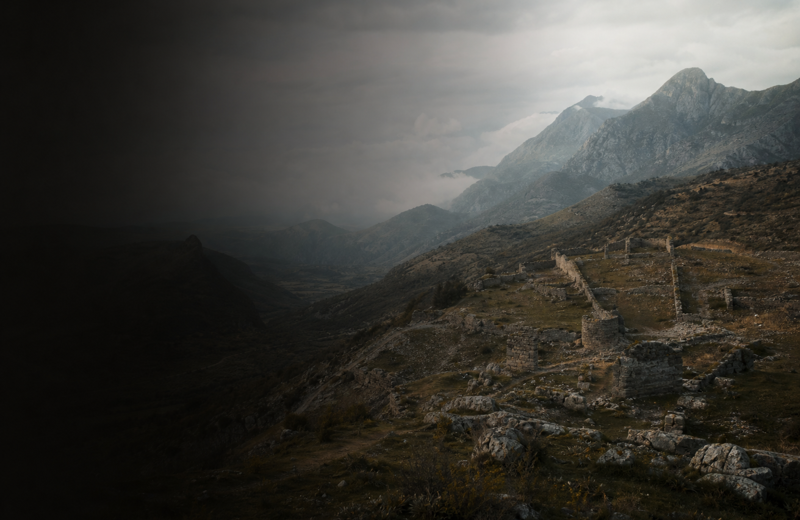
Albania (1400–1700): Maternal Threads Late medieval–early modern Albanian communities seen through archaeology and maternal DNA 1400 CE - 1700 CE Albania (Kukes District, Central sites)
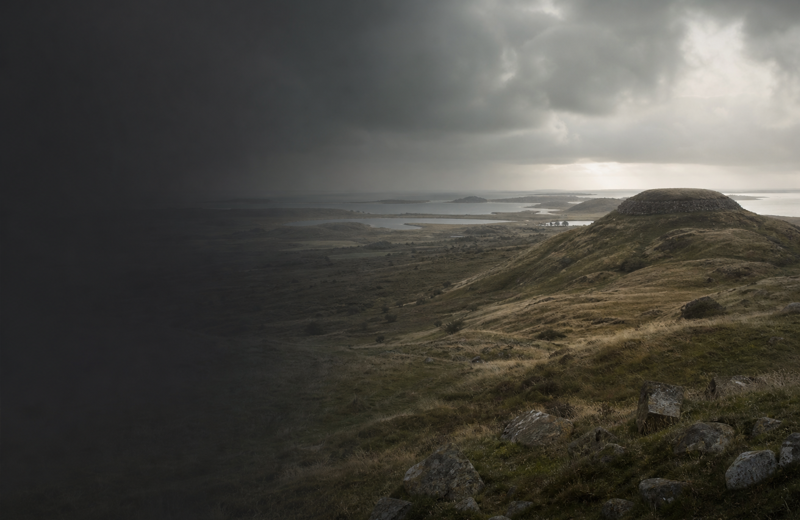
Bones & Belonging: Medieval Denmark Graveyards in Aalborg, Randers and Holbæk reveal centuries of life and lineage, 1000–1800 CE 1000 CE - 1800 CE Denmark (Aalborg, Randers, Holbæk)
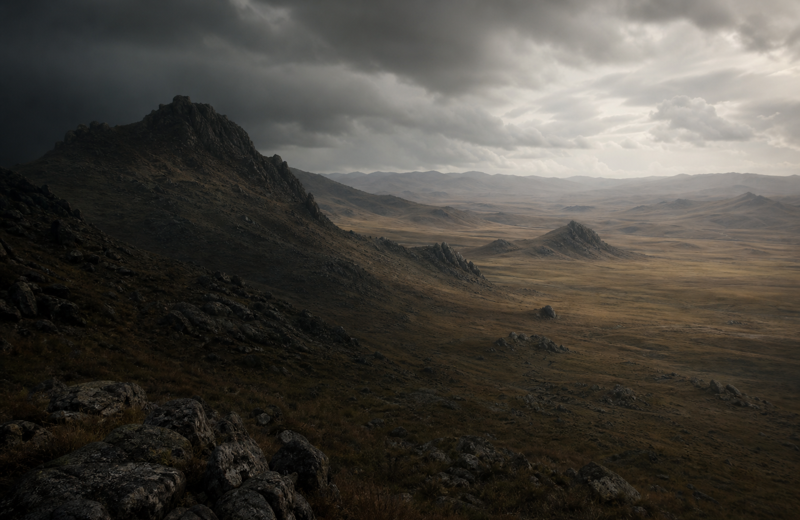
Arkhangai Late Medieval Horizon A fleeting glimpse of pastoral life in central Mongolia, 1000–1500 CE 1000 CE - 1500 CE Arkhangai Province, Mongolia
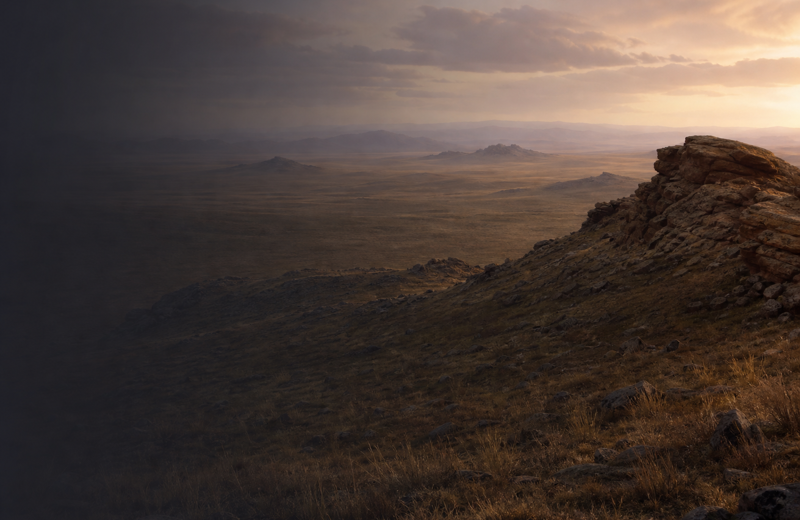
Dornod Late Medieval Steppe Burials at Tsagaan Chuluut and Ugoomor illuminate Mongolian frontiers, 1000–1500 CE 1000 CE - 1500 CE Dornod province, Mongolia (Tsagaan Chuluut; Ugoomor)
Buural Uul — Selenge Late Medieval A portrait of maternal ancestries at a northern Mongolian frontier (1250–1450 CE) 1250 CE - 1450 CE Selenge, northern Mongolia (Buural Uul)
Selenge: Late Medieval Steppe Echoes Genetic glimpses from Burgaldain Khundii and Karnikovyn Am (1000–1500 CE), northern Mongolia 1000 CE - 1500 CE Selenge Province, Mongolia
Sukhbaatar Late Medieval Steppe Burials from Sukhbaatar (1000–1500 CE) show steppe lives tied to northern and East Asian ancestries 1000 CE - 1500 CE Mongolia (Sukhbaatar Province)
Tuv Late‑Medieval Steppe Echoes Bones and genomes from Argali Mountain whisper of mobile life on the Mongolian plateau. 1000 CE - 1500 CE Tuv Province, Mongolia
Umungobi: Late Medieval Mongol Steppe A fragmentary portrait of pastoral life and shifting genetics on Mongolia’s Umungobi plateau (1000–1500 CE) 1000 CE - 1500 CE Umungobi, Mongolia
Chandman Uvs: Echoes of the Steppe Genomes and graves trace a frontier from Early Iron Age horizons through Xiongnu and Late Medieval lives. 400 BCE - 1500 CE Uvs Province, Mongolia
Lithuania_Bailuliai_BarrowCulture Echoes of the Baltic Bronze Age Archaeology and DNA reveal shifting peoples from 2100 BCE to the late medieval Baltic shores. 2100 BCE - 1625 CE Estonia, Latvia, Lithuania (Baltics)