


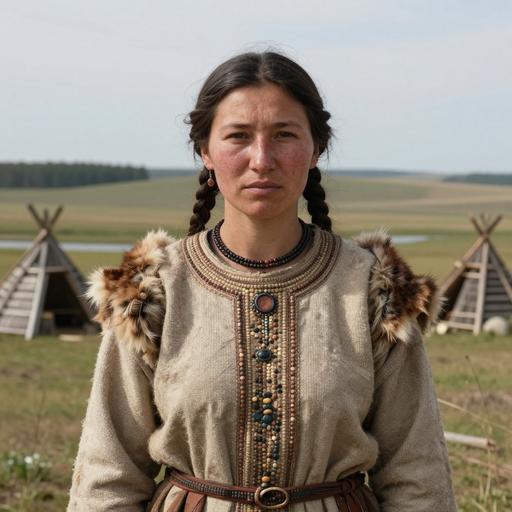
I0944
Petrovka Culture
2026 BCE
Stepnoe VII Cemetery, Russia
I1781
Bronze Age Gonur
2014 BCE
Gonur, Turkmenistan
I1782
Bronze Age Gonur
2289 BCE
Gonur, Turkmenistan
I1787
Bronze Age Gonur
2140 BCE
Gonur, Turkmenistan
I1788
Bronze Age Gonur
2130 BCE
Gonur, Turkmenistan
I1789
Bronze Age Gonur
2282 BCE
Gonur, Turkmenistan
I1790
Bronze Age Gonur
2135 BCE
Gonur, Turkmenistan
I1792
Bronze Age Gonur
2456 BCE
Gonur, Turkmenistan
I1793
Bronze Age Gonur
2195 BCE
Gonur, Turkmenistan
I2085
Bronze Age Gonur
2020 BCE
Gonur, Turkmenistan
I2087
Bronze Age Gonur
2197 BCE
Gonur, Turkmenistan
I2116
Bronze Age Gonur
2123 BCE
Gonur, Turkmenistan
| Sample ID | Culture/Period | Date | Location | Action |
|---|---|---|---|---|
| I0944 | Petrovka Culture | 2026 BCE | Stepnoe VII Cemetery, Russia | View |
| I1781 | Bronze Age Gonur | 2014 BCE | Gonur, Turkmenistan | View |
| I1782 | Bronze Age Gonur | 2289 BCE | Gonur, Turkmenistan | View |
| I1787 | Bronze Age Gonur | 2140 BCE | Gonur, Turkmenistan | View |
| I1788 | Bronze Age Gonur | 2130 BCE | Gonur, Turkmenistan | View |
| I1789 | Bronze Age Gonur | 2282 BCE | Gonur, Turkmenistan | View |
| I1790 | Bronze Age Gonur | 2135 BCE | Gonur, Turkmenistan | View |
| I1792 | Bronze Age Gonur | 2456 BCE | Gonur, Turkmenistan | View |
| I1793 | Bronze Age Gonur | 2195 BCE | Gonur, Turkmenistan | View |
| I2085 | Bronze Age Gonur | 2020 BCE | Gonur, Turkmenistan | View |
| I2087 | Bronze Age Gonur | 2197 BCE | Gonur, Turkmenistan | View |
| I2116 | Bronze Age Gonur | 2123 BCE | Gonur, Turkmenistan | View |
| I2121 | Bronze Age Gonur | 2204 BCE | Gonur, Turkmenistan | View |
| I2122 | Bronze Age Gonur | 2140 BCE | Gonur, Turkmenistan | View |
| I2123 | Bronze Age Gonur | 2451 BCE | Gonur, Turkmenistan | View |
| I2125 | Bronze Age Gonur | 2138 BCE | Gonur, Turkmenistan | View |
| I2128 | Bronze Age Gonur | 2199 BCE | Gonur, Turkmenistan | View |
| I2922 | Chalcolithic Tepe Hissar | 2198 BCE | Tepe Hissar, Iran | View |
| I2927 | Chalcolithic Tepe Hissar | 2575 BCE | Tepe Hissar, Iran | View |
| I2928 | Chalcolithic Tepe Hissar | 2857 BCE | Tepe Hissar, Iran | View |
I6712
Afanasievo Culture
2857 BCE
Middle Yenisei region. Afanasieva Gora, Russia
I6711
Afanasievo Culture
2950 BCE
Middle Yenisei region. Afanasieva Gora, Russia
I6713
Afanasievo Culture
3000 BCE
Middle Yenisei region. Afanasieva Gora, Russia
I6715
Afanasievo Culture
3300 BCE
Altai Mountains. Yenisey River. left bank of Karasuk tributary. Karasuk III, Russia
I2069
Afanasievo Culture
3331 BCE
Altai Autonomous Republic. Ust-Kanski. Altai Mountains. Kaminnaya Cave, Russia
I2071
Afanasievo Culture
3088 BCE
Altai Mountains. Ust'-Kuyum, Russia
I3951
Afanasievo Culture
2881 BCE
Altai Mountains. Yenisey River. left bank of Karasuk tributary. Karasuk III, Russia
I3954
Afanasievo Culture
2874 BCE
Altai Mountains. Yenisey River. left bank of Karasuk tributary. Karasuk III, Russia
I1829
Afanasievo Culture
3011 BCE
Altai Mountains. Saldyar-1 cemetery, Russia
I3952
Afanasievo Culture
2868 BCE
Altai Mountains. Yenisey River. left bank of Karasuk tributary. Karasuk III, Russia
I5269
Afanasievo Culture
3016 BCE
Elo 1, Russia
I5270
Afanasievo Culture
3323 BCE
Elo 1, Russia
| Sample ID | Culture/Period | Date | Location | Action |
|---|---|---|---|---|
| I6712 | Afanasievo Culture | 2857 BCE | Middle Yenisei region. Afanasieva Gora, Russia | View |
| I6711 | Afanasievo Culture | 2950 BCE | Middle Yenisei region. Afanasieva Gora, Russia | View |
| I6713 | Afanasievo Culture | 3000 BCE | Middle Yenisei region. Afanasieva Gora, Russia | View |
| I6715 | Afanasievo Culture | 3300 BCE | Altai Mountains. Yenisey River. left bank of Karasuk tributary. Karasuk III, Russia | View |
| I2069 | Afanasievo Culture | 3331 BCE | Altai Autonomous Republic. Ust-Kanski. Altai Mountains. Kaminnaya Cave, Russia | View |
| I2071 | Afanasievo Culture | 3088 BCE | Altai Mountains. Ust'-Kuyum, Russia | View |
| I3951 | Afanasievo Culture | 2881 BCE | Altai Mountains. Yenisey River. left bank of Karasuk tributary. Karasuk III, Russia | View |
| I3954 | Afanasievo Culture | 2874 BCE | Altai Mountains. Yenisey River. left bank of Karasuk tributary. Karasuk III, Russia | View |
| I1829 | Afanasievo Culture | 3011 BCE | Altai Mountains. Saldyar-1 cemetery, Russia | View |
| I3952 | Afanasievo Culture | 2868 BCE | Altai Mountains. Yenisey River. left bank of Karasuk tributary. Karasuk III, Russia | View |
| I5269 | Afanasievo Culture | 3016 BCE | Elo 1, Russia | View |
| I5270 | Afanasievo Culture | 3323 BCE | Elo 1, Russia | View |
| I5271 | Afanasievo Culture | 3011 BCE | Elo 1, Russia | View |
| I5272 | Afanasievo Culture | 3006 BCE | Elo Bashi, Russia | View |
| I5273 | Afanasievo Culture | 3011 BCE | Lower Tyumechin 1, Russia | View |
| I5277 | Afanasievo Culture | 3092 BCE | Elo Bashi, Russia | View |
| I5278 | Afanasievo Culture | 3082 BCE | Lower Tyumechin 1, Russia | View |
| I5279 | Afanasievo Culture | 3011 BCE | Lower Tyumechin 1, Russia | View |
| I3387 | Afanasievo Culture | 2950 BCE | Middle Yenisei region. Afanasieva Gora, Russia | View |
| I10565 | Afanasievo Culture | 2889 BCE | Middle Yenisei region. Afanasieva Gora, Russia | View |