


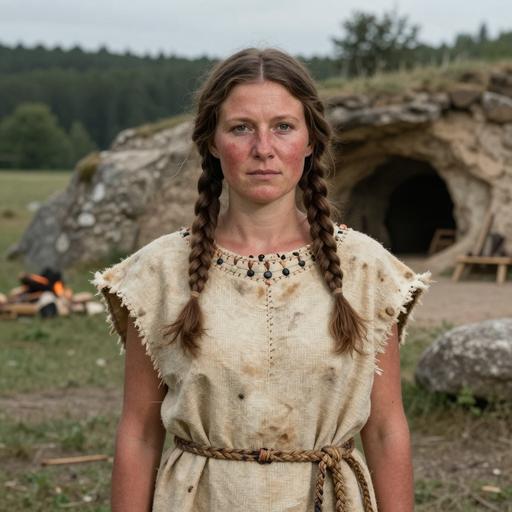
Yana1
Upper Paleolithic Yana, Russia
30250 BCE
Yana RHS, Russia
Kolyma1
Medieval Kolyma, Russia
7952 BCE
Duvanni Yar, Russia
Yana2
Upper Paleolithic Yana, Russia
30250 BCE
Yana RHS, Russia
NEO240
Neolithic Devil's Cave, Russia
5625 BCE
Devil's Gate Cave, Russia
NEO236
Neolithic Devil's Cave, Russia
5830 BCE
Devil's Gate Cave, Russia
Yana_young
Medieval Yana, Russia
1053 CE
Yana River, Russia
I11280
Magadan Bronze Age
1265 BCE
Ol'skaia. shore of Okhotsk Sea, Russia
NEO235
Neolithic Devil's Cave, Russia
5802 BCE
Devil's Gate Cave, Russia
NEO232
Ust-Belaya Angara Culture, Russia
3007 BCE
Baikal Region. Angara river basin. Mouth of the Belaya River, Russia
I11278
Magadan Bronze Age
1300 BCE
Ol'skaia. shore of Okhotsk Sea, Russia
NEO229
Ust-Belaya Angara Culture, Russia
4785 BCE
Baikal Region. Angara river basin. Mouth of the Belaya River, Russia
NEO238
Neolithic Devil's Cave, Russia
5712 BCE
Devil's Gate Cave, Russia
| Sample ID | Culture/Period | Date | Location | Action |
|---|---|---|---|---|
| Yana1 | Upper Paleolithic Yana, Russia | 30250 BCE | Yana RHS, Russia | View |
| Kolyma1 | Medieval Kolyma, Russia | 7952 BCE | Duvanni Yar, Russia | View |
| Yana2 | Upper Paleolithic Yana, Russia | 30250 BCE | Yana RHS, Russia | View |
| NEO240 | Neolithic Devil's Cave, Russia | 5625 BCE | Devil's Gate Cave, Russia | View |
| NEO236 | Neolithic Devil's Cave, Russia | 5830 BCE | Devil's Gate Cave, Russia | View |
| Yana_young | Medieval Yana, Russia | 1053 CE | Yana River, Russia | View |
| I11280 | Magadan Bronze Age | 1265 BCE | Ol'skaia. shore of Okhotsk Sea, Russia | View |
| NEO235 | Neolithic Devil's Cave, Russia | 5802 BCE | Devil's Gate Cave, Russia | View |
| NEO232 | Ust-Belaya Angara Culture, Russia | 3007 BCE | Baikal Region. Angara river basin. Mouth of the Belaya River, Russia | View |
| I11278 | Magadan Bronze Age | 1300 BCE | Ol'skaia. shore of Okhotsk Sea, Russia | View |
| NEO229 | Ust-Belaya Angara Culture, Russia | 4785 BCE | Baikal Region. Angara river basin. Mouth of the Belaya River, Russia | View |
| NEO238 | Neolithic Devil's Cave, Russia | 5712 BCE | Devil's Gate Cave, Russia | View |
| NEO230 | Early Bronze Age Ust-Belaya, Russia | 3022 BCE | Baikal Region. Angara river basin. Mouth of the Belaya River, Russia | View |
| NEO250 | Iron Age Ekven, Russia | 354 BCE | Ekven, Russia | View |
| NEO241 | Iron Age Ekven, Russia | 101 BCE | Ekven, Russia | View |
| NEO242 | Iron Age Ekven, Russia | 122 CE | Ekven, Russia | View |
| NEO237 | Neolithic Devil's Cave, Russia | 5721 BCE | Devil's Gate Cave, Russia | View |
| NEO239 | Neolithic Devil's Cave, Russia | 5707 BCE | Devil's Gate Cave, Russia | View |
| NEO299 | Medieval Ust-Belaya, Russia | 1292 CE | Baikal Region. Angara river basin. Mouth of the Belaya River, Russia | View |
| NEO253 | Iron Age Ekven, Russia | 125 CE | Ekven, Russia | View |
NEO240
Neolithic Devil's Cave, Russia
5625 BCE
Devil's Gate Cave, Russia
NEO236
Neolithic Devil's Cave, Russia
5830 BCE
Devil's Gate Cave, Russia
NEO235
Neolithic Devil's Cave, Russia
5802 BCE
Devil's Gate Cave, Russia
NEO238
Neolithic Devil's Cave, Russia
5712 BCE
Devil's Gate Cave, Russia
NEO237
Neolithic Devil's Cave, Russia
5721 BCE
Devil's Gate Cave, Russia
NEO239
Neolithic Devil's Cave, Russia
5707 BCE
Devil's Gate Cave, Russia
DevilsGate_merge
Neolithic Devil's Cave, Russia
5721 BCE
Devil's-Gate-Cave (Primorsky Krai, Dalnegorsk municipality, Dalnegorsk Village), Russia
| Sample ID | Culture/Period | Date | Location | Action |
|---|---|---|---|---|
| NEO240 | Neolithic Devil's Cave, Russia | 5625 BCE | Devil's Gate Cave, Russia | View |
| NEO236 | Neolithic Devil's Cave, Russia | 5830 BCE | Devil's Gate Cave, Russia | View |
| NEO235 | Neolithic Devil's Cave, Russia | 5802 BCE | Devil's Gate Cave, Russia | View |
| NEO238 | Neolithic Devil's Cave, Russia | 5712 BCE | Devil's Gate Cave, Russia | View |
| NEO237 | Neolithic Devil's Cave, Russia | 5721 BCE | Devil's Gate Cave, Russia | View |
| NEO239 | Neolithic Devil's Cave, Russia | 5707 BCE | Devil's Gate Cave, Russia | View |
| DevilsGate_merge | Neolithic Devil's Cave, Russia | 5721 BCE | Devil's-Gate-Cave (Primorsky Krai, Dalnegorsk municipality, Dalnegorsk Village), Russia | View |