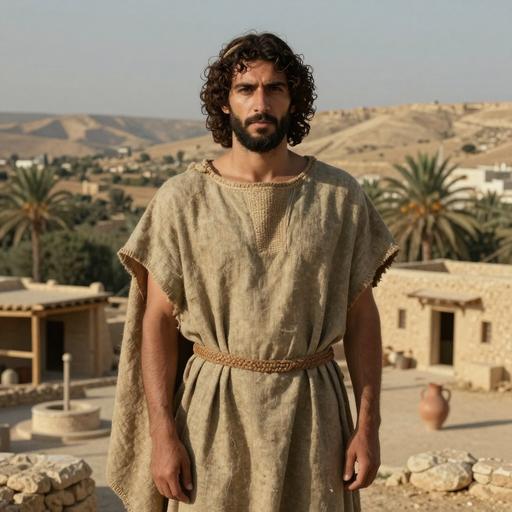
Iron Age I (circa 1200–1000 BCE) in Ashkelon, located on the southern coast of modern-day Israel, marks a significant period in the region's history. This era reflects a complex tapestry of cultural interactions, economic developments, and considerable shifts in societal dynamics, influenced by the broader context of the Near Eastern geopolitical changes.
Geographical and Historical Context
Ashkelon, historically a major seaport located strategically between the Levantine coast and the trade routes stretching to Egypt, emerged as a vital city during the Iron Age I. This era followed the Late Bronze Age collapse, a time characterized by the decline of major civilizations in the eastern Mediterranean. The Early Iron Age was shaped by new migrations and the rise of smaller, territorial states, which included the influx and influence of Sea Peoples, such as the Philistines, contributing to the region's cultural diversity.
Cultural Characteristics
Canaanite and Phoenician Influence: While Ashkelon maintained strong Canaanite roots, evidenced by its pantheon of deities and religious practices, it also began absorbing Phoenician cultural elements. Phoenician influence is notable in material culture, such as pottery styles and craftsmanship, as well as in the introduction of the Phoenician alphabet, which significantly impacted literacy and record-keeping.
Architecture and Urban Planning: In terms of settlement structures, Ashkelon featured impressive fortifications, public buildings, and residential areas reflecting advanced urban planning. Distinctive features included massive stone walls, gates, and domestic architecture indicative of a structured society concerned with defense and communal organization.
Religious Practices: The religious landscape of Ashkelon in this era was defined by polytheistic worship, with temples dedicated to deities like Baal and Dagon. Ritualistic practices, sacrificial offerings, and the construction of cultic installations highlight its spiritual life, heavily influenced by traditional Canaanite religion.
Economic and Trade Dynamics
Trade Hub: Ashkelon's position as a coastal city facilitated extensive maritime trade. It exported agricultural products, notably wine and olive oil, while importing luxuries such as ivory, textiles, and metals from Cyprus, Egypt, and Anatolia. This maritime trade network positioned Ashkelon as a central commercial hub, encouraging economic prosperity and cultural exchange.
Agricultural Practices: The region's fertile hinterlands supported intensive agricultural activities. The cultivation of crops like grains, fruits, and vegetables provided sustenance for the population and generated surplus for trade. Livestock farming also played a role in the local economy.
Societal Structure and Interactions
Diverse Population: The Iron Age I period witnessed a multi-ethnic society in Ashkelon, including Canaanites, Philistines, and Phoenicians. This demographic diversity fostered a multicultural atmosphere with varying linguistic and cultural influences, visible in artifacts and urban developments.
Political Organization: Ashkelon was likely governed by local chieftains or kingly figures who wielded power through alliances, trade relationships, and military capabilities. The political landscape could be volatile, with frequent conflicts and shifts in power due to external pressures from neighboring entities like Egypt and emerging Israelite tribes.
Artisanal and Craftsmanship: Skilled craftsmanship flourished in Iron Age Ashkelon, with artisans producing finely crafted pottery, metalworks, and textiles. The exchange of goods and ideas across regions enriched local craftsmanship techniques and artistic expressions.
Archaeological Evidence
Excavations in Ashkelon have uncovered significant archaeological remains, including pottery shards, tools, fortifications, and remnants of everyday life, which provide insights into the economic, cultural, and societal aspects of Iron Age I. These findings highlight the adaptive and dynamic nature of Ashkelon as it navigated the challenges and opportunities of the era.
In conclusion, Iron Age I Ashkelon epitomizes a culturally vibrant and economically significant city, shaped by its strategic location, diverse populations, and dynamic interchange with surrounding cultures. This period set the foundations for subsequent developments in Ashkelon and the broader Southern Levant region.