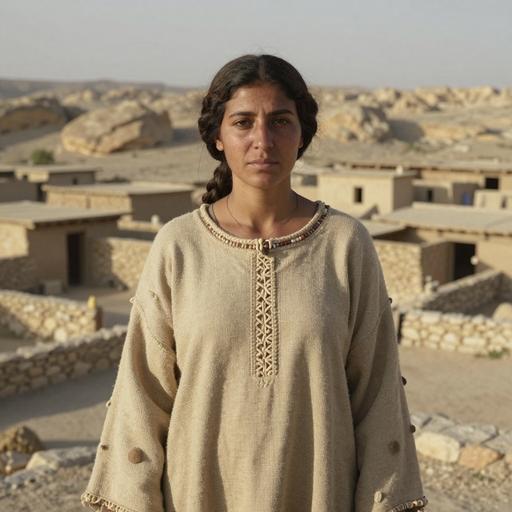
The Pre-Pottery Neolithic B (PPNB) period in Jordan, a sub-phase of the broader Neolithic era, marks a significant epoch in the development of human civilization in the Levantine region, encompassing present-day Jordan. The PPNB spans roughly from 8,500 to 6,500 BCE and follows the Pre-Pottery Neolithic A (PPNA) period. This era is characterized by remarkable advancements in agriculture, architecture, social organization, and technology, setting the stage for the rise of permanent settlements and more complex societies.
Agricultural Developments
The PPNB period witnessed a dramatic shift from hunting-gathering lifestyles to more sedentary, agriculture-based communities. In Jordan, this transformation was facilitated by the domestication and cultivation of key crops such as wheat, barley, lentils, and peas. The transition to agriculture allowed for more reliable food sources, population growth, and the establishment of permanent settlements. Livestock domestication also began during this period, albeit on a smaller scale, with species like sheep and goats playing a crucial role in subsistence strategies.
Settlements and Architecture
The PPNB era is noted for its large, permanent villages. In Jordan, notable sites such as 'Ain Ghazal near Amman and Basta reveal advanced architectural techniques. The settlements featured densely packed, multi-roomed rectangular structures, constructed with mud bricks and sometimes incorporating plastered walls and floors. These designs represented a significant shift away from the circular, single-room dwellings of the preceding PPNA period. The increased architectural complexity indicates a higher degree of social organization and the capability for cooperative construction efforts.
Social Organization and Culture
The PPNB period in Jordan highlights an increasingly complex social structure. The growth of villages indicates the emergence of social stratification and the division of labor. Artistic and cultural expressions also flourished during this time, evidenced by the creation of intricate figurines and other symbolic artifacts. The production of plastered human figures, particularly at sites like 'Ain Ghazal, suggests a rich ritualistic or religious life, with these artifacts likely playing a role in communal or spiritual activities.
Technological Innovations
Technological advancements were significant during the PPNB period. The development of more sophisticated flint tools and arrowheads was crucial for hunting and possibly warfare. The use of obsidian for tool-making, indicating long-distance trade networks, was present in several PPNB sites. This trade not only exchanged goods but also facilitated cultural and technological exchanges between disparate communities across the Levant.
Environmental Interaction
The PPNB communities in Jordan demonstrated an acute awareness of and adaptation to their environment. The period was marked by increased exploitation of natural resources and an understanding of agricultural cycles, which were vital in sustaining larger populations. Environmental management strategies, such as water conservation and utilization of diverse ecological zones, were crucial for the survival and prosperity of PPNB communities.
Challenges and Changes
Towards the end of the PPNB period, environmental changes, including climate fluctuations, likely impacted agricultural productivity and settlement patterns. This may have led to population movements, the reorganization of societal structures, and a transition to the subsequent Pottery Neolithic period, marked by new technologies and cultural practices.
In summary, the PPNB period in Jordan represents a transformative era in prehistoric human development. The advancements in agriculture, architecture, and societal organization set the groundwork for the development of more complex civilizations in the millennia that followed. The cultural and technological innovations of this period echo through history as foundational elements of settled human life in the Near East.