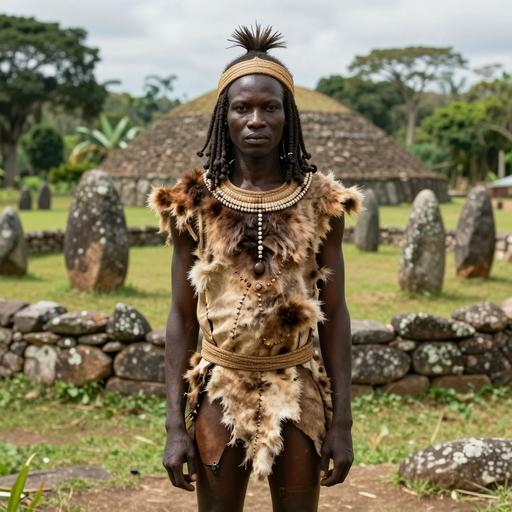
Stone Mound Architecture in Cameroon represents a fascinating and under-explored aspect of the cultural and architectural history of Sub-Saharan Africa. This form of architecture primarily involves the construction of stone mounds, which are generally seen as an ancient practice stemming from various indigenous communities residing in what is now modern-day Cameroon. These structures, while not as globally renowned as the pyramids of Egypt or the stone circles of Europe, speak volumes about the ingenuity, social organization, and cultural practices of the communities that built them.
Historical Context and Origin
The origins of Stone Mound Architecture in Cameroon likely date back to the Iron Age, although the precise timeline remains a topic of archaeological investigation. These structures are believed to have been constructed by various ethnic groups who populated the region, each contributing its unique touch to the architectural style. The mounds could have served multiple purposes—from ceremonial and religious functions to being territorial markers or burial sites for important figures.
Architectural Features
Stone mounds in Cameroon vary in size and complexity, ranging from small, simplistic piles of stones to larger and more intricate constructions. Some mounds are singular, while others are part of a complex network of interconnected structures. The stones used are locally sourced and may vary in size and type, indicating both the resourcefulness and adaptability of the builders.
Materials and Construction Techniques:
- Local Stone Varieties: Builders typically used readily available stones, such as basalt, granite, and laterite, depending on the geological characteristics of the region.
- Dry Stone Construction: Most stone mounds employed dry stone techniques, meaning the stones were stacked without mortar but with a keen understanding of balance and weight distribution.
- Layering and Interlocking: Stones were layered in a way that interlocked them, providing structural integrity and resilience against environmental elements.
Cultural and Social Significance
The stone mounds hold immense cultural significance, reflected in their ceremonial and possibly spiritual roles. These structures could have served as:
- Burial Sites: Many of the mounds have been identified as burial places, where the social elite or community leaders might have been interred, alongside artifacts and offerings that suggest a belief in the afterlife.
- Ritual and Ceremonial Spaces: The alignment or the positioning of some mounds could indicate astronomical or spiritual significance, potentially used in religious observances or seasonal ceremonies.
- Territorial Markers: In some cases, mounds might have marked territorial boundaries between different communities or clans, signifying ownership, control, or alliances.
Archaeological Discoveries
The exploration and study of stone mounds in Cameroon are ongoing, with archaeologists unearthing various artifacts, such as pottery, tools, and remnants of trade items, that provide insight into the economic and cultural exchanges of the time.
Recent studies have focused on:
- Dating Techniques: Radiocarbon dating and other methods are employed to better understand the timelines of mound construction.
- Comparative Analysis: Comparing these mounds to other similar structures found throughout Sub-Saharan Africa to discern regional influences and connections.
- Preservation Efforts: Understanding the current state of these structures and implementing measures to preserve this important cultural heritage in the face of environmental and human-induced threats.
Modern Implications and Heritage
Today, Stone Mound Architecture in Cameroon stands as a testament to the advanced and diverse civilizations that flourished in the region long before colonial interference. These structures provide a crucial window into understanding the historical dynamics of Sub-Saharan Africa and the indigenous knowledge systems that have largely been overlooked. Preservation efforts are essential, requiring both national and international collaboration to protect and promote this unique cultural heritage.
In conclusion, while much remains to be uncovered about the Stone Mound Architecture in Cameroon, what is known reflects a rich tapestry of tradition, innovation, and social complexity. These stone mounds are more than just archaeological curiosities; they are enduring symbols of a vibrant and dynamic past that continue to inspire contemporary cultural identity and heritage in Cameroon.