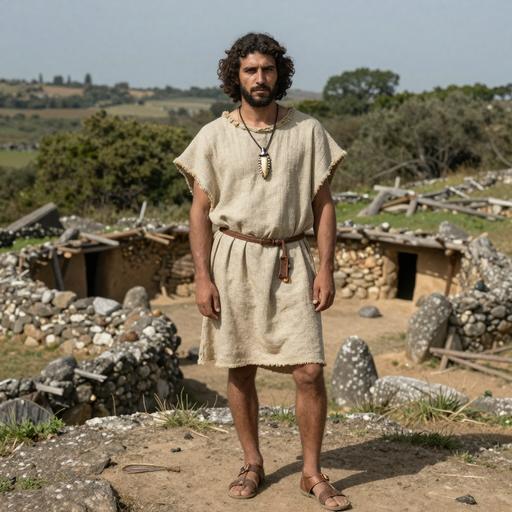
The Chalcolithic period, also known as the Copper Age, is a transitional era between the Neolithic and the Bronze Age. In Portugal, as in much of the Iberian Peninsula, this period is characterized by significant cultural and technological developments spanning approximately from 3000 to 1800 BCE. The Chalcolithic era in Portugal is marked by the introduction of metallurgy, the rise of complex societies, and advancements in architecture, agriculture, and trade.
Geography and Environmental Context
Chalcolithic Portugal's geography played a crucial role in shaping its culture. The region benefits from a varied landscape, including coastal areas, fertile river valleys, and sometimes rugged interior with plains and hills. This diversity allowed for a range of subsistence strategies, such as agriculture, fishing, and hunting, which communities adapted to their local environments.
Social Organization and Settlements
During the Chalcolithic period, Portugal witnessed the growth of more complex social organizations. Settlements became more permanent and organized, as evidenced by archaeological findings of large, fortified enclosures. These enclosures, such as those found at sites like Vila Nova de São Pedro and Castro de Zambujal, suggest the existence of hierarchical societies that could mobilize labor for large construction projects.
Villages were typically situated on strategically defensible locations, such as hilltops or plateaus, and were often surrounded by stone walls or palisades. Inside these enclosures, houses were generally circular or oval-shaped, constructed with stone foundations and mud-brick or wattle and daub walls, topped with thatched roofs.
Technological and Economic Developments
One of the defining characteristics of the Chalcolithic period is the advent of copper metallurgy. This era saw the initial experimentation with metal tools and ornaments, although stone tools remained prevalent. Copper objects uncovered in Portugal include axes, daggers, and various personal adornments, which indicate both practical and prestige uses.
Agriculture remained the mainstay of the economy, with the cultivation of cereals such as wheat and barley, as well as legumes. There was a continuation of pastoral activities, with evidence of domestic animals such as cattle, sheep, goats, and pigs. This diversified subsistence strategy provided stability and supported population growth.
Trade networks expanded during the Chalcolithic, as indicated by the spread of exotic materials and artifacts. Items such as amber, ivory, and certain types of pottery show that Portuguese communities were part of long-distance exchange systems reaching across the Iberian Peninsula and beyond.
Ritual and Burial Practices
Chalcolithic Portugal is notable for its megalithic monuments, which include stone dolmens, cairns, and passage graves. These structures, often aligned with celestial events, underscore the period's ritualistic and religious complexity. They served as collective burial sites, indicating a belief system centered around ancestor worship or communal rites.
Grave goods found in these megaliths include pottery, tools, and personal ornaments, which suggest a belief in an afterlife where such items would be needed or esteemed. The inclusion of copper items points to the emerging status of metal as a material of importance and prestige.
Artistic and Cultural Expression
Art in Chalcolithic Portugal manifests in varied forms, including pottery, engraved schist plaques, and carved stone stelae. Pottery was often decorated with geometric patterns, and although initially made by hand, some evidence suggests early experimentation with rudimentary potter's wheels. The artistic expressions reveal a cultural richness and may have had symbolic or communicative purposes within societies.
Conclusion
The Chalcolithic period in Portugal was a time of profound transformation. With technological advancements, evolving social structures, and increasing cultural complexity, this era laid the groundwork for subsequent Bronze Age societies. The archaeological record from this time provides a window into the lives of prehistoric communities and their ability to adapt and innovate in response to changing circumstances.