Menu
Currency
Main
Store
Blog

Loading Report

Preparing your ancestry journey

Connecting to ancient matches...

Preparing your report

Skip to main content
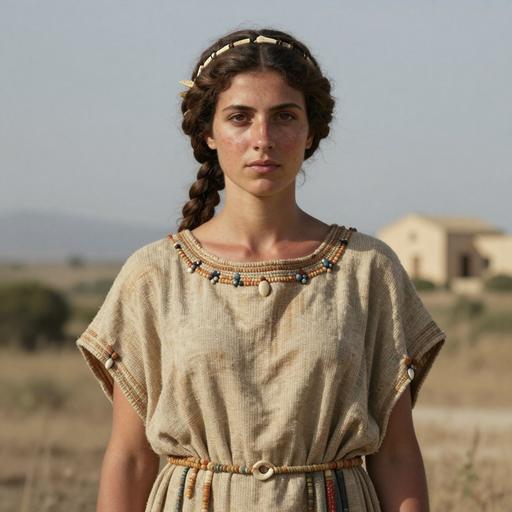
Portrait reconstruction of A woman buried in Italy in the Early Bronze Age era
Ancient Individual

A woman buried in Italy in the Early Bronze Age era

A woman buried in Italy during the Early Bronze Age Sicily

A fragment of the ancient world, preserved across millennia in strands of DNA.

I7807
2195 BCE - 2027 BCE
Female
Italy
Scroll to begin
Chapter I

Identity

The biological and cultural markers that define this ancient individual

Sample ID

I7807

Date Range

2195 BCE - 2027 BCE

Cultural Period

Early Bronze Age Sicily

Biological Sex

Female

mtDNA Haplogroup

T2c1d

Y-DNA Haplogroup

N/A (Female)

Chapter II

Place

Where this individual was discovered

Country Italy
Locality Sicily. Contrada Paolina. Castellucciana
Coordinates 36.8831, 14.5712
Chapter III

Time

When this individual lived in the broader context of human history

I7807 2195 BCE - 2027 BCE
Chapter IV

Story

The narrative of this ancient life

The Early Bronze Age in Sicily, part of the broader context of the Ancient Mediterranean civilizations, is a fascinating period characterized by significant cultural, economic, and social developments. This era, roughly spanning from 2300 to 1700 BCE, saw the island of Sicily transitioning from the Chalcolithic period into a more complex societal structure. Here's an extensive and detailed description of this era and the cultural dynamics within Early Bronze Age Sicily:

Geographic and Environmental Context

Sicily, the largest island in the Mediterranean, is strategically located at the crossroads of several important ancient maritime routes. Its fertile landscapes, rich in resources like flint, obsidian, and metals, made it an attractive region for prehistoric communities. The island's diverse topography, including mountains, plains, and coastlines, contributed to varied lifestyles and regional cultural differences.

Societal Structure

The Early Bronze Age in Sicily is marked by the emergence of more organized and hierarchically structured societies. This transition can be observed through archaeological evidence of increasingly complex settlement patterns. Communities began to form larger, more permanent settlements, with fortified structures hinting at emerging social stratification and the need for defense mechanisms.

Settlements and Architecture

Settlements during this period were often located on naturally defensible sites, such as hilltops. The architecture of the time includes the use of stone for building, with round and oval huts appearing in clusters. These were often encircled by defensive walls, reflecting both the communal ethos and the potential threat of external aggression.

Economy and Subsistence

The economy of Early Bronze Age Sicily was primarily agrarian, supplemented by hunting, fishing, and especially trade. The fertile lands supported the cultivation of cereals, legumes, and olives, while animal husbandry provided meat, wool, and milk products. Sicily's strategic position also facilitated trade with other Mediterranean cultures, like the Mycenaeans and the Minoans, evidenced by the exchange of goods such as pottery, metals, and artisanal crafts.

Material Culture

The material culture of the Early Bronze Age in Sicily is distinguished by advancements in metallurgy, pottery, and craftsmanship. Metalworking, particularly in bronze, began to flourish, suggesting increased interactions with regions possessing advanced metallurgical techniques. Pottery styles from this period include the production of gray ware and the distinctive Serra d’Alto ware, characterized by intricate incised and painted designs.

Trade and External Influences

Trade networks expanded significantly during this era, facilitating cultural exchanges and technological transfers with neighboring regions such as the Italian mainland, the Aeolian Islands, and the broader Aegean world. Notable artifacts, such as Aegean-style pottery and metal objects, highlight the level of interaction and suggest influences on local Sicilian craftsmanship and aesthetic values.

Religion and Burial Practices

Religious practices in Early Bronze Age Sicily were likely centered around fertility, nature, and ancestor worship, though clear evidence is sparse. The period does see the emergence of complex burial practices, which included both inhumation and cremation. Tumuli and rock-cut tombs, such as those found at sites like Castelluccio, reflect changing beliefs about death and the afterlife.

Cultural Changes and Development

The Early Bronze Age in Sicily witnessed gradual cultural evolution marked by increased socio-political complexity. This period likely set the stage for the later proto-urban developments and more advanced societal forms observed in Sicily during the Middle Bronze Age. The social hierarchy became more defined, possibly giving rise to early forms of leadership or chieftainship, crucial for organizing labor and trade.

Conclusion

The Early Bronze Age in Sicily was a dynamic period of transformation, with significant technological, cultural, and economic innovations. The complex interplay of indigenous developments and external influences laid the foundation for the later growth of Sicilian societies. As an integral part of the ancient Mediterranean, Sicily during this era exhibits the vibrancy and adaptability of early civilizations navigating the challenges and opportunities of their time.

Context

Related Samples

This individual exists within a broader network of ancient samples. No ancient genome stands alone.

Sample ID Culture/Period Date Location Action
I3642 Late Bronze Age Sardinia, Italy 1121 BCE Sardinia. Alghero, Italy View
I3876 Late Bronze Age Sicily, Italy 1107 BCE Sicily. Marcita, Italy View
I3741 Late Bronze Age Sardinia, Italy 1221 BCE Sardinia. Persasdefogu, Italy View
I3743 Early Bronze Age Sardinia, Italy 2136 BCE Sardinia. Seulo, Italy View
I4109 Middle Bronze Age Sicily, Italy 1618 BCE Sicily. Buffa, Italy View
I3122 Early Bronze Age Sicily 2272 BCE Sicily. Buffa, Italy View
I3123 Early Bronze Age Sicily 2287 BCE Sicily. Buffa, Italy View
I3124 Early Bronze Age Sicily 1949 BCE Sicily. Buffa, Italy View
I3125 Middle Bronze Age Sicily, Italy 1612 BCE Sicily. Buffa, Italy View
I4062 Middle Neolithic Sicily 4984 BCE Sicily. Fossato di Stretto Partana, Italy View
I4065 Middle Neolithic Sicily 4988 BCE Sicily. Fossato di Stretto Partana, Italy View
I4063 Middle Neolithic Sicily 4987 BCE Sicily. Fossato di Stretto Partana, Italy View
I4329 Mallorcan EBA 2468 BCE Balearic Islands. Mallorca. Cova des Moro, Spain View
I10364 Late Bronze Age Sardinia, Italy 1150 BCE Sardinia. Alghero, Italy View
I10366 Iron Age 1 Sardinia, Italy 389 BCE Sardinia. Usellus, Italy View
I11442 Early Bronze Age Sicily 2276 BCE Sicily. Buffa, Italy View
I11443 Early Bronze Age Sicily 2872 BCE Sicily. Buffa, Italy View
I4420 Middle Bronze Age Formentera, Spain 1879 BCE Balearic Islands. Formentera. Cova 127, Spain View
I7796 Early Bronze Age Sicily 1880 BCE Sicily. Contrada Paolina. Castellucciana, Italy View
I7800 Early Bronze Age Sicily 2127 BCE Sicily. Contrada Paolina. Castellucciana, Italy View
I7807 Early Bronze Age Sicily 2195 BCE Sicily. Contrada Paolina. Castellucciana, Italy View
I8561 Early Bronze Age Sicily 2399 BCE Sicily. Isnello, Italy View
I10373 Late Bronze Age Sicily, Italy 1400 BCE Sicily. Marcita, Italy View
I10372 Late Bronze Age Sicily, Italy 1377 BCE Sicily. Marcita, Italy View
I10371 Late Bronze Age Sicily, Italy 1400 BCE Sicily. Marcita, Italy View
I4064 Middle Neolithic Sicily 4841 BCE Sicily. Fossato di Stretto Partana, Italy View
I10554 Late Bronze Age Sardinia, Italy 1261 BCE Sardinia. Perdasdefogu, Italy View
I10552 Late Bronze Age Sardinia, Italy 1386 BCE Sardinia. Perdasdefogu, Italy View
I10553 Late Bronze Age Sardinia, Italy 1255 BCE Sardinia. Perdasdefogu, Italy View
I3878 Late Bronze Age Sicily, Italy 1382 BCE Sicily. Marcita, Italy View
I14678 Chalcolithic Monte Claro Culture, Sardinia, Italy 2454 BCE Sardinia. Serra Cabriles, Italy View
I14677 Chalcolithic Monte Claro Culture, Sardinia, Italy 2464 BCE Sardinia. Serra Cabriles, Italy View
I14675 Chalcolithic Monte Claro Culture, Sardinia, Italy 2191 BCE Sardinia. Serra Cabriles, Italy View
I7805 Early Bronze Age Sicily 2017 BCE Sicily. Contrada Paolina. Castellucciana, Italy View
I16165 Neolithic Sardinia, Italy 3787 BCE Sardinia. Sa Ucca de su Tintirriolu, Italy View
I16163 Iron Age 2 Sardinia, Italy 757 BCE Sardinia. Anghelu Ruju, Italy View
I16183 Neolithic Sardinia, Italy 3346 BCE Sardinia. Anghelu Ruju, Italy View
I16168 Neolithic Sardinia, Italy 3949 BCE Sardinia. Anghelu Ruju, Italy View
I16166 Neolithic Sardinia, Italy 3941 BCE Sardinia. Sa Ucca de su Tintirriolu, Italy View
I16169 Chalcolithic Sardinia, Italy 2334 BCE Sardinia. Anghelu Ruju, Italy View
I16164 Chalcolithic Sardinia, Italy 2571 BCE Sardinia. Sa Ucca de su Tintirriolu, Italy View
I15941 Chalcolithic Sardinia, Italy 2343 BCE Sardinia. Anghelu Ruju, Italy View
I15947 Neolithic Sardinia, Italy 4200 BCE Sardinia. Anghelu Ruju, Italy View
I15942 Chalcolithic Sardinia, Italy 2459 BCE Sardinia. Anghelu Ruju, Italy View
I15945 Neolithic Sardinia, Italy 3967 BCE Sardinia. Anghelu Ruju, Italy View
I15946 Neolithic Sardinia, Italy 4158 BCE Sardinia. Anghelu Ruju, Italy View
I15939 Middle Bronze Age Sardinia, Italy 1800 BCE Sardinia. Anghelu Ruju, Italy View
I7774 Early Bronze Age Sicily 2200 BCE Sicily. Contrada Paolina. Castellucciana, Italy View
I16161 Middle Bronze Age Sardinia, Italy 1534 BCE Sardinia. Anghelu Ruju, Italy View
I4383 Early Bronze Age Sicily 2600 BCE Sicily. Vallone Inferno, Italy View
I12223 Late Antique Sardinia, Italy 257 CE Sardinia. Sant'Elia Cape. Grotta Colombi, Italy View
I15944 Neolithic Sardinia, Italy 4200 BCE Sardinia. Anghelu Ruju, Italy View
I3315 Late Bronze Age Menorca, Spain 904 BCE Balearic Islands. Menorca. Naveta des Tudons, Spain View
I14676 Chalcolithic Monte Claro Culture, Sardinia, Italy 2200 BCE Sardinia. Serra Cabriles, Italy View
I16170 Middle Bronze Age Sardinia, Italy 1491 BCE Sardinia. Anghelu Ruju, Italy View
I10365 Middle Bronze Age Sardinia, Italy 1663 BCE Sardinia. Seulo, Italy View
I15940 Chalcolithic Sardinia, Italy 2397 BCE Sardinia. Anghelu Ruju, Italy View
I12220 Late Antique Sardinia, Italy 607 CE Sardinia. Sant'Elia Cape. Grotta Colombi, Italy View
I15943 Neolithic Sardinia, Italy 3936 BCE Sardinia. Anghelu Ruju, Italy View
I12221 Early Medieval Sardinia, Italy 892 CE Sardinia. Sant'Elia Cape. Grotta Colombi, Italy View
I10502 Late Bronze Age Sardinia, Italy 1369 BCE Sardinia. Anulù Seui, Italy View
I4936 Bell Beaker Culture Sicily, Italy 2500 BCE Sicily. Salaputra. Partanna. Pergole 2, Italy View
I15947 4200 BCE Sardinia. Anghelu Ruju, Italy View
I3315 904 BCE Balearic Islands. Menorca. Naveta des Tudons, Spain View
I10365 1663 BCE Sardinia. Seulo, Italy View
I4420 1879 BCE Balearic Islands. Formentera. Cova 127, Spain View
I4936 2500 BCE Sicily. Salaputra. Partanna. Pergole 2, Italy View
I14676 2200 BCE Sardinia. Serra Cabriles, Italy View
I16170 1491 BCE Sardinia. Anghelu Ruju, Italy View
I15943 3936 BCE Sardinia. Anghelu Ruju, Italy View
I15940 2397 BCE Sardinia. Anghelu Ruju, Italy View
I12221 892 CE Sardinia. Sant'Elia Cape. Grotta Colombi, Italy View
I12220 607 CE Sardinia. Sant'Elia Cape. Grotta Colombi, Italy View
I10502 1369 BCE Sardinia. Anulù Seui, Italy View
Sample ID Culture/Period Date Location Action
I3122 Early Bronze Age Sicily 2272 BCE Sicily. Buffa, Italy View
I3123 Early Bronze Age Sicily 2287 BCE Sicily. Buffa, Italy View
I3124 Early Bronze Age Sicily 1949 BCE Sicily. Buffa, Italy View
I11442 Early Bronze Age Sicily 2276 BCE Sicily. Buffa, Italy View
I11443 Early Bronze Age Sicily 2872 BCE Sicily. Buffa, Italy View
I7796 Early Bronze Age Sicily 1880 BCE Sicily. Contrada Paolina. Castellucciana, Italy View
I7800 Early Bronze Age Sicily 2127 BCE Sicily. Contrada Paolina. Castellucciana, Italy View
I7807 Early Bronze Age Sicily 2195 BCE Sicily. Contrada Paolina. Castellucciana, Italy View
I8561 Early Bronze Age Sicily 2399 BCE Sicily. Isnello, Italy View
I7805 Early Bronze Age Sicily 2017 BCE Sicily. Contrada Paolina. Castellucciana, Italy View
I7774 Early Bronze Age Sicily 2200 BCE Sicily. Contrada Paolina. Castellucciana, Italy View
I4383 Early Bronze Age Sicily 2600 BCE Sicily. Vallone Inferno, Italy View
UZZ057 Early Bronze Age Sicily 2196 BCE Sicily. Grotta dell’Uzzo, Italy View
Sources

References

Scientific publications and genetic data that inform this profile.

Scientific Publication

The spread of steppe and Iranian-related ancestry in the islands of the western Mediterranean

Authors Fernandes DM, Mittnik A, Olalde I, Lazaridis I, Cheronet O et al.
Abstract

Steppe-pastoralist-related ancestry reached Central Europe by at least 2500 BC, whereas Iranian farmer-related ancestry was present in Aegean Europe by at least 1900 BC. However, the spread of these ancestries into the western Mediterranean, where they have contributed to many populations that live today, remains poorly understood. Here, we generated genome-wide ancient-DNA data from the Balearic Islands, Sicily and Sardinia, increasing the number of individuals with reported data from 5 to 66. The oldest individual from the Balearic Islands (~2400 BC) carried ancestry from steppe pastoralists that probably derived from west-to-east migration from Iberia, although two later Balearic individuals had less ancestry from steppe pastoralists. In Sicily, steppe pastoralist ancestry arrived by ~2200 BC, in part from Iberia; Iranian-related ancestry arrived by the mid-second millennium BC, contemporary to its previously documented spread to the Aegean; and there was large-scale population replacement after the Bronze Age. In Sardinia, nearly all ancestry derived from the island's early farmers until the first millennium BC, with the exception of an outlier from the third millennium BC, who had primarily North African ancestry and who-along with an approximately contemporary Iberian-documents widespread Africa-to-Europe gene flow in the Chalcolithic. Major immigration into Sardinia began in the first millennium BC and, at present, no more than 56-62% of Sardinian ancestry is from its first farmers. This value is lower than previous estimates, highlighting that Sardinia, similar to every other region in Europe, has been a stage for major movement and mixtures of people.

Use code for 25% off Expires Jul 12