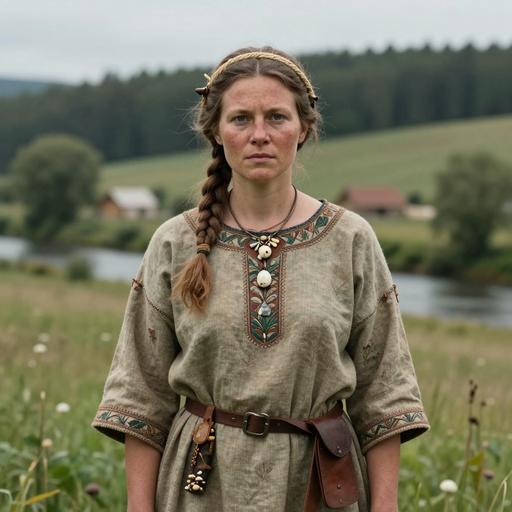
The Middle Neolithic period in the region now known as the Czech Republic is a fascinating era characterized by the widespread presence of the Linear Pottery Culture (Linearbandkeramik or LBK), which flourished approximately between 5500 BCE and 4500 BCE. This culture is named for its distinct pottery, which features linear decorations made by impressing lines or patterns into the clay before firing. The LBK culture represents one of the first farming communities in Central Europe and marks a significant shift from hunting and gathering to agriculture and settled life.
Geography and Settlements
The Linear Pottery Culture primarily occupied the fertile loess plains of Central Europe, including what is now the Czech Republic, as well as parts of Germany, Poland, Austria, and Slovakia. These regions offered an ideal environment for early agricultural practices due to their rich, easy-to-work soil and temperate climate.
LBK settlements in the Czech region were typically located near rivers or streams, providing access to water resources essential for farming and daily living. Villages were often composed of longhouses, substantial wooden-framed structures covered with wattle and daub, that served as multi-purpose spaces for living, storage, and possibly communal activities. These longhouses could be impressive in size, reaching lengths of up to 45 meters.
Economy and Subsistence
The economy of the Linear Pottery Culture was predominantly based on agriculture, with an emphasis on cultivating crops such as emmer wheat, einkorn wheat, barley, lentils, and peas. This agricultural base marked a shift from earlier, nomadic lifestyles to settled farming communities.
Animal husbandry also played a crucial role in their subsistence practices. The people of the LBK culture domesticated various animals, including cattle, pigs, sheep, and goats, which provided them with meat, milk, hides, and labor. The combination of farming and livestock rearing allowed for a more stable food supply and supported population growth.
Material Culture and Technology
The hallmark of the Linear Pottery Culture is its distinctive pottery, characterized by linear designs that were likely created with a mixture of aesthetic and symbolic intentions. The pots were usually created by hand rather than using a wheel, suggesting a high degree of craftsmanship and artistic tradition.
In addition to pottery, the LBK people manufactured a variety of stone tools. Flint was commonly used to produce axes, adzes, blades, and arrowheads, with polished stone tools reflecting a high level of technological proficiency and specialization.
Social Structure and Organization
The social organization of the LBK communities is believed to have been rather complex, although direct evidence is limited. Settlements might have been organized hierarchically, with some form of leadership or communal decision-making process. The construction of large longhouses suggests the presence of organized labor and possibly a division of tasks among community members.
Burial practices give some indication of social stratification. While many burials were communal or shared graves, individual graves often contained grave goods such as pottery, tools, or ornaments, which might indicate differences in status or wealth.
Cultural and Spiritual Life
The art and symbolic expressions of LBK communities remain somewhat enigmatic but can be glimpsed through their pottery and burial practices. The lines and patterns on their ceramics might have held symbolic meanings or indicated social affiliations or status within the community.
Evidence of longhouses and ritual deposition of objects like pottery and tools in certain contexts suggest the presence of ceremonial or religious practices. However, the precise nature of these beliefs and practices remains speculative due to the limited archaeological record.
Interaction and Exchange
LBK communities did not exist in isolation; rather, they engaged in a range of interactions with neighboring cultures. Evidence of trade and exchange is found in the movement of goods such as Spondylus shells and flint tools across significant distances. This exchange network indicates a level of communication and interaction with other Neolithic groups, contributing to the cultural dynamism of the region.
Conclusion
The Middle Neolithic era in the Czech Republic under the Linear Pottery Culture represents a pivotal moment in European prehistory. It signifies the transition to agriculture, establishment of permanent settlements, development of complex social structures, and engagement in broader networks of interaction. Understanding this culture provides valuable insights into the early development of agrarian societies in Central Europe.