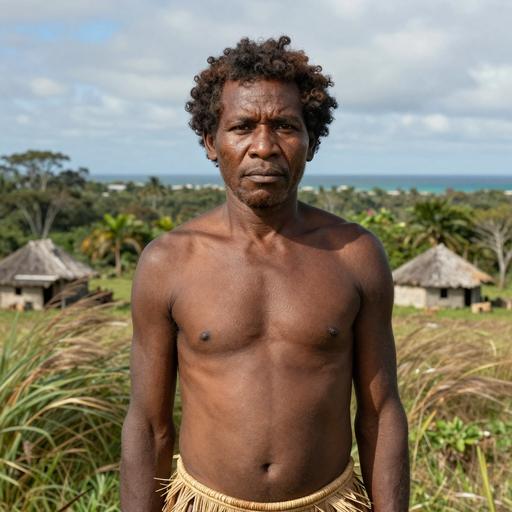
The Aboriginal Australians of Queensland represent a diverse and rich cultural heritage that has thrived for tens of thousands of years. This vibrant community consists of various groups, each with its unique languages, customs, and traditions shaped by the region's landscapes, from tropical rainforests to arid deserts.
Geographical Context:
Queensland is located in the northeastern part of Australia, characterized by a wide range of ecosystems including coastal regions, mountain ranges, and savanna lands. This geographical diversity has played a crucial role in shaping the lifestyles and cultures of the Aboriginal groups residing in the area, such as the Torres Strait Islanders in the far north and other mainland groups.
Cultural Diversity:
The Aboriginal people of Queensland are not a monolithic group but rather consist of numerous distinct communities, each with its identity and language. Some of the prominent Aboriginal groups in Queensland include the Yidinji, the Kalkadoon, the Kuku Yalanji, and the Yirrganydji. Each of these groups has developed unique language dialects, spiritual beliefs, and social structures. The Torres Strait Islanders, though often grouped with Aboriginal Australians, have distinct cultural practices influenced by their seafaring heritage.
Language:
Aboriginal languages in Queensland are varied, with many groups speaking their distinct dialects. Before European colonization, it is estimated that over 100 languages were spoken in the region, reflecting a rich tapestry of linguistic diversity. However, the effects of colonization have led to the endangerment and extinction of many of these languages. Revival and maintenance efforts are ongoing in various communities to preserve and teach traditional languages to younger generations.
Spirituality and Belief Systems:
Aboriginal Australians of Queensland, like other Aboriginal groups across Australia, have a deep spiritual connection with the land. The Dreamtime or Dreaming is a central element of their spiritual belief system, encompassing the creation stories that explain the origins of the earth, its people, and animals. These stories are not just myths but are integrated into daily life, guiding social practices and relationships with nature. Sacred sites are scattered throughout Queensland, serving as places of ceremony and storytelling.
Art and Expression:
Art is a vital part of cultural expression among Queensland's Aboriginal communities, reflecting deep spiritual and ancestral connections. Aboriginal art from Queensland is varied and includes rock paintings, bark paintings, body painting, and more contemporary forms such as acrylic paintings and installations. Traditional motifs and symbols are used to convey stories, laws, and traditions.
Social Structure and Community Life:
Queensland Aboriginal communities have traditionally been organized into complex kinship systems that govern social interactions, marriage, and community responsibilities. These systems are integral to maintaining group cohesion and ensuring the transmission of knowledge and culture across generations.
Euro-Australian Contact and Colonization:
The arrival of Europeans in the 18th and 19th centuries had devastating impacts on Aboriginal communities in Queensland, as it did throughout Australia. Colonization brought about dispossession, the introduction of new diseases, and violent conflict, leading to significant population declines and disruption of traditional lifestyles. Government policies throughout the 19th and 20th centuries, including the forced removal of children known as the Stolen Generations, have caused lasting trauma.
Contemporary Issues and the Path Forward:
Today, many Aboriginal Australians in Queensland, as elsewhere, continue to face challenges including socio-economic disadvantages, health disparities, and systemic discrimination. However, there is also a strong push towards cultural revitalization, land rights recognition, and political representation. Aboriginal communities are actively engaged in cultural education, language revival projects, and efforts to pass on traditional knowledge and practices to younger generations.
The Aboriginal Australians of Queensland stand as a testament to resilience and cultural richness. Their enduring traditions and contemporary contributions continue to shape the cultural landscape of Queensland and wider Australia.