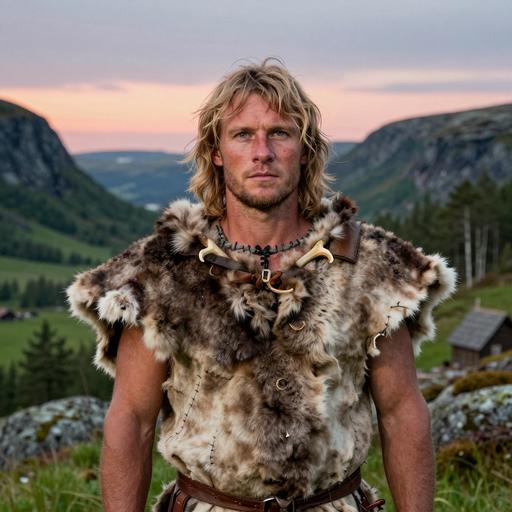
The Neolithic period in Norway, particularly focusing on the hunter-gatherer societies that existed during this time, marks a fascinating era of transition, adaptation, and cultural development. The Neolithic, spanning approximately 4000 to 2000 BCE in Scandinavia, was characterized by the gradual shift from purely hunter-gatherer lifestyles to those incorporating elements of agriculture and animal husbandry. However, in regions like Norway, with its challenging terrains and harsher climates, many communities maintained a hunter-gatherer lifestyle for an extended period, adapting their approaches to make the most of the natural resources available to them.
Geography and Environment
Norway's geography is diverse, characterized by its rugged coastlines, dense forests, and mountainous terrain. The fjords, formed by glacial activity, provided rich marine resources, while inland, the deep forests and numerous lakes and rivers offered a variety of terrestrial fauna. The climate during the Neolithic period was milder than today, which allowed for rich biodiversity, although the terrain was still demanding.
Subsistence Strategies
Marine Resources: Coastal communities relied heavily on fishing, exploiting the abundant marine life, including fish, shellfish, and marine mammals. Implements for fishing and hunting marine life, such as harpoons and fish hooks, have been discovered, indicating advanced techniques.
Terrestrial Hunting: Inland, hunting for deer, elk, and smaller game supplemented the diet. The use of bows, arrows, and sophisticated trap systems were central to hunting strategies.
Foraging: Gathering wild plants, berries, and nuts was crucial, with seasonal foraging supporting the diet. Knowledge of local flora was essential to identify edible and medicinal plants.
Emerging Agriculture: Late in the Neolithic era, some groups began experimenting with agriculture. This involved small-scale cultivation of barley and wheat, and the domestication of animals such as sheep and goats. However, this was not as significant as in more temperate regions.
Social Organization
The societies were likely organized in small, kin-based groups or clans. These groups were semi-nomadic, moving between established seasonal camps. Social organization tended to be egalitarian, although leadership roles likely existed based on hunting prowess or knowledge of resources.
Cultural and Spiritual Life
Art and ornamentation from this period reveal a rich symbolic world. Carved figures and tools with intricate designs have been uncovered, indicating aesthetic and possibly spiritual dimensions. Rituals related to hunting success, seasonal changes, and social cohesion would have been central to their spiritual life. Burial sites suggest that beliefs about the afterlife might have been present, and items placed in graves point to aspects of social identity and status.
Tools and Technology
The Norse Neolithic hunter-gatherers used a variety of stone tools made from flint, quartz, and slate. These included axes, arrowheads, and knives, demonstrating advanced techniques in toolmaking. Evidence of pottery, though not widespread, suggests an emerging interest in settled practices and artisanship.
Integration with Other Cultures
As the Neolithic progressed, increased contact with neighboring cultures, especially those in southern Scandinavia, facilitated the exchange of ideas and technologies. This contact likely brought agricultural practices northward, even if their full adoption was slow.
Challenges and Adaptations
Life in Neolithic Norway involved adapting to environmental challenges such as variable weather and the stark seasonal changes of daylight. The resilience and ingenuity of these peoples are evident in their utilization of diverse resources and strategic seasonal migrations.
Conclusion
The Neolithic hunter-gatherers of Norway navigated a world in flux, balancing the traditional ways of their ancestors with emergent new technologies and ideas. Their story is one of adaptation and endurance, laying cultural foundations that would eventually evolve into the more settled agricultural societies observed in the Bronze Age and beyond. Understanding this period sheds light on the remarkable adaptability and ingenuity of early human societies in challenging environments.