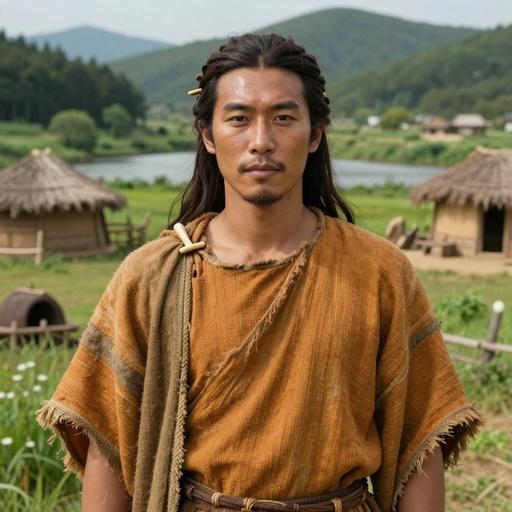
The Yondaedo Culture, existing on the Korean peninsula from approximately 300 to 100 BCE, represents a significant period in East Asian history where developments in social, technological, and cultural aspects were noticeable. Named after the Yondaedo region where many archeological findings have been unearthed, this culture stands out to historians and archaeologists as an important part of prehistoric Korea.
Geographical Context
The Yondaedo Culture flourished on the Korean Peninsula, particularly near the coastal regions and river valleys which provided abundant resources. The landscape during this period featured fertile lands conducive to agriculture, hills, mountains, and numerous waterways that facilitated trade and mobility. The environment heavily influenced the way of life, promoting advancements in farming techniques and fostering trade with neighboring cultures.
Social Structure
During the Yondaedo period, society appeared to be organized in a relatively hierarchical manner but remained tribal in its fundamental setup. Clans, led by chieftains, formed the backbone of these tribal areas. Society likely emphasized kinship and familial ties, providing a sense of identity and governance. Evidence suggests that the leaders might have gained their status through both hereditary lines and demonstrated prowess, particularly in warfare and agriculture.
Economy and Technology
The Yondaedo Culture showcased a significant transition from a hunter-gatherer lifestyle to more settled agricultural communities. The adoption of agriculture led to the cultivation of staple crops such as barley, millet, and rice, with rice cultivation, in particular, indicating improved methods of irrigation and water management. This transformation allowed the population to grow and become more settled, leading to the establishment of permanent villages.
In terms of technology, the Yondaedo Culture is notable for its metallurgy, with advanced bronze and early iron tools and weaponry being produced. These developments in metallurgy suggest a degree of sophistication and knowledge in mining and metalworking techniques. Pottery from this period is also distinct, with artifacts showing intricate designs that might have held cultural or ritual significance.
Trade and Interaction
The people of Yondaedo engaged in active trade, both internally within the Korean Peninsula and with neighboring regions. The exchange of goods such as metals, pottery, textiles, and food products indicates a network of communication and interaction that likely contributed to cultural exchange and diversity within the Yondaedo communities. Contact with Chinese dynasties and other East Asian cultures could have introduced new techniques, ideas, and goods, influencing local societies.
Culture and Religion
The Yondaedo Culture is considered to be rich in traditions and spiritual practices, although specific details about their beliefs are somewhat speculative due to limited written records. They likely had a form of animism or shamanistic practices, similar to those in other contemporary East Asian societies, with a strong emphasis on nature and ancestral worship. Cave paintings, burial mounds, and ritual sites suggest that spiritual life was integral to their daily existence, guiding their decisions and social organization.
Art and Symbolism
Art from the Yondaedo era was expressed in various media, predominantly through pottery and the design of functional items which incorporates aesthetic elements, often thought to have symbolic meanings. These artistic expressions might have been tied in with their religious or social customs, serving both utilitarian and ceremonial purposes.
Decline and Legacy
The Yondaedo Culture ultimately declined towards the end of the 100 BCE period, likely due to changes in climate, invasion, or integration with emerging cultures on the peninsula, leading to the formation of more advanced kingdoms such as Goguryeo, Baekje, and Silla. However, the cultural and technological foundations laid during this period had a profound influence on the subsequent historical developments of Korea.
In synthesis, the Yondaedo Culture represents a dynamic and transitional period in ancient Korean history, characterized by advancements in agriculture, metallurgy, social organization, and cultural practices, all of which laid critical groundwork for future societal developments in the region.