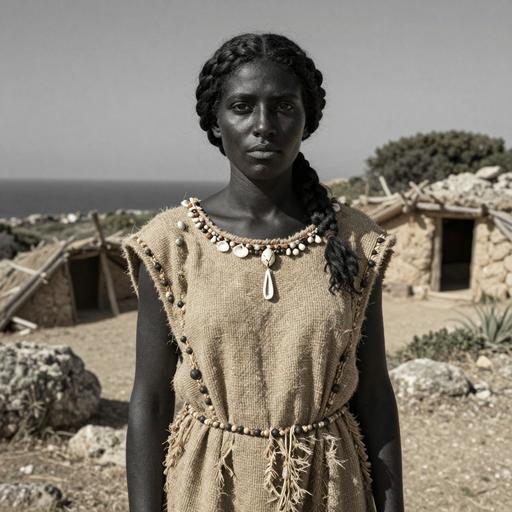
The Early Neolithic period in Sicily, as part of the broader Mediterranean Neolithic era, marks a significant transformation in human society, characterized by the transition from a nomadic hunter-gatherer lifestyle to a more settled agricultural existence. This era, roughly spanning from 6000 to 4000 BCE, is pivotal in the cultural and technological developments in the region. Let's dive into a detailed description of this fascinating period.
Environmental Context
During the Early Neolithic, Sicily was a luxuriant land with a mild Mediterranean climate that supported diverse ecosystems. The island's landscape was dotted with forests and rich in natural resources, providing a conducive environment for early human settlement. The availability of fertile land played a crucial role in the development of agriculture.
Agricultural Advancements
The introduction of agriculture was one of the central features of the Neolithic revolution in Sicily. Cultivation of crops such as wheat, barley, and legumes became widespread. People also domesticated animals including sheep, goats, and pigs, which provided meat, milk, and wool, further enriching the dietary and living conditions of the communities.
Settlement Patterns
Settlements during this period became more permanent as communities established villages in fertile valleys or near water sources. These early Neolithic villages were typically composed of small, round or oval huts built using local materials, including wood, reeds, and mud. The shift from nomadic to sedentary life allowed for the development of complex social structures and community cooperation.
Technological Innovations
The Early Neolithic saw remarkable technological advances, particularly in the realm of tool-making. The Sicilian Neolithic communities crafted polished stone tools, which were more efficient and durable than their predecessors. Pottery also emerged during this period, with elaborately decorated vessels used for cooking, storage, and ceremonial purposes. This pottery often featured incised linear and geometric patterns.
Artistic and Ritualistic Developments
Art and ritual played a significant part in Early Neolithic Sicilian culture. The island's inhabitants created various artifacts that suggest a rich symbolic and ritualistic life, including figurines and ornaments made from bone, stone, and clay. Patterns and motifs on pottery and tools may represent early attempts at storytelling or religious expression, indicative of complex belief systems.
Trade and Exchange Networks
Though geographically isolated, Sicily was integrated into broader Mediterranean trade networks. Early Neolithic Sicilians traded obsidian, prized for its sharpness and beauty, with mainland Italy and other Mediterranean islands. This exchange facilitated cultural diffusion, including technologies, ideas, and goods, contributing to the Neolithic cultural tapestry.
Social Organization
Social life in Early Neolithic Sicily likely revolved around kinship and clan-based structures. The emergence of distinct social roles, perhaps related to age, sex, and skills, indicates early forms of social stratification. Rituals and communal gatherings might have played essential roles in maintaining societal cohesion and conveying shared values and beliefs.
Archaeological Discoveries
Archaeological evidence from sites such as Stentinello, named after the Neolithic culture known for its distinctive pottery styles, has provided extensive insights into early Neolithic life in Sicily. Excavations have revealed home structures, burial sites, and an array of tools and ceramics, which collectively paint a picture of a vibrant early agrarian society.
Conclusion
The Early Neolithic era in Sicily represents a dynamic period where the foundations of later historical developments were laid. The cultural, technological, and social transformations during this time reflect broader Mediterranean processes converging on the island. Understanding Sicily's early Neolithic context helps illuminate the intricate web of human development and interaction in the prehistoric Mediterranean landscape.