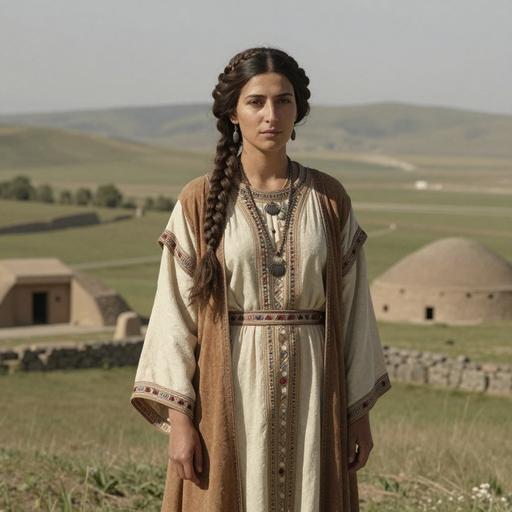
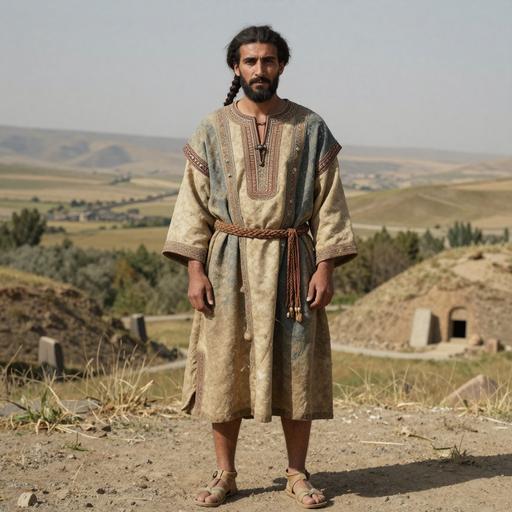
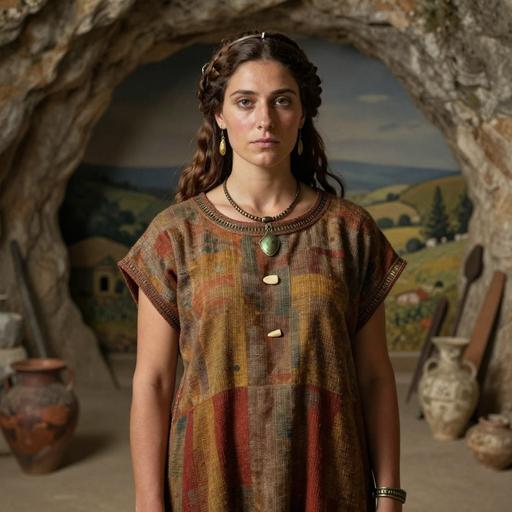
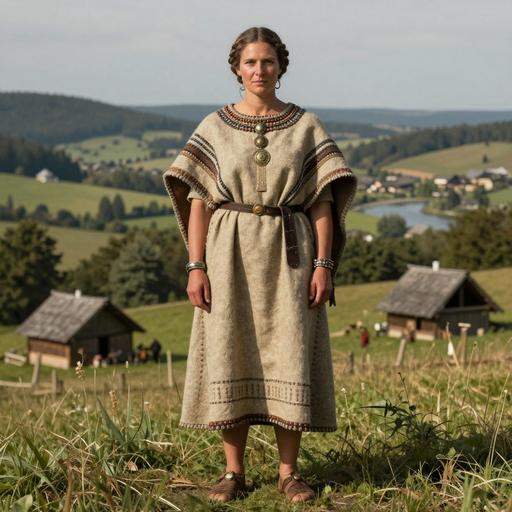
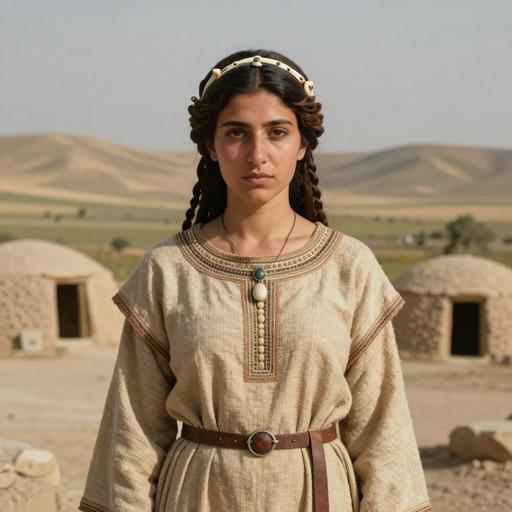
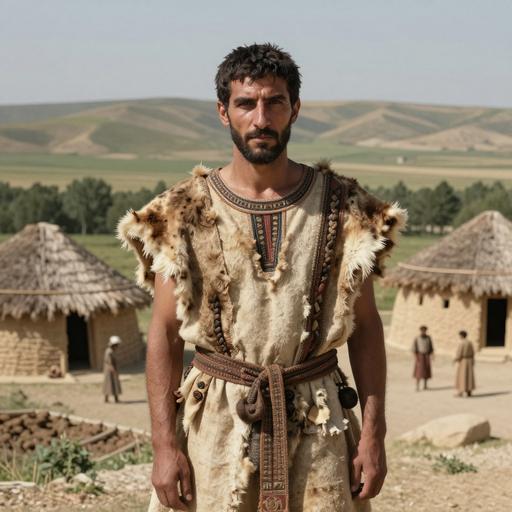
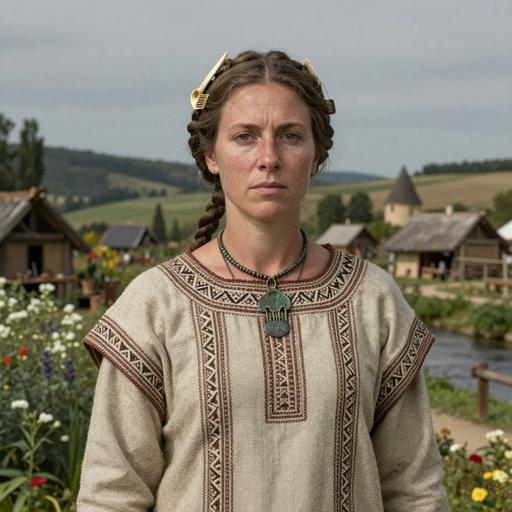
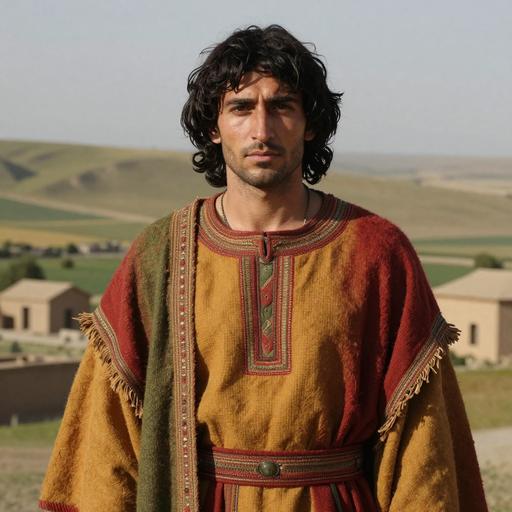
ملف مرجعي لفرع واحد من السلالة. لا تثبت المجموعات الفردانية المشتركة صلة عائلية ولا تحدّد الهوية الثقافية.
الملف المرجعي
خلفية الفرع
السياق التاريخي لفرع K1A من سلالة mtDNA
Origins and Evolution
mtDNA haplogroup K1A is a major branch of haplogroup K1, itself derived from haplogroup K (a descendant of U8). Based on the phylogenetic placement of K1A within K1 and the established age estimates for K/K1, K1A most likely diversified in the Near East or Anatolia in the Late Glacial to Early Holocene (approximately ~12 thousand years ago). This timing and geography are consistent with an origin among populations in the Near East that later contributed to the first phases of Neolithic farming expansions into Europe.
K1A shows internal structure with multiple named subclades (commonly reported as K1a1, K1a2, K1a3, etc. in the literature) that expanded at different times. Some of these subclades experienced local founder events and subsequent drift, producing regionally elevated frequencies in particular groups.
Subclades
K1A contains several downstream lineages that are observed at differing frequencies across Eurasia. Common higher-resolution clusters reported in population and ancient DNA studies include K1a1, K1a2 and further subdivisions (for example K1a1b and downstream forms). Specific subclades show contrasting geographic patterns: some are widespread across Europe and the Near East (reflecting Neolithic spread), while others are more restricted and associated with later founder events (for example in Jewish communities and some island/isolated populations).
Geographical Distribution
The modern and ancient distribution of K1A tracks the Near Eastern origin and Neolithic dispersal route into Europe. K1A is found at appreciable levels in Anatolia and the Levant, is present across Southern and Western Europe (including Mediterranean islands such as Sardinia), and appears at lower but detectable frequencies in Northern Europe, the Caucasus, parts of North Africa, and Central Asia where west–east contacts occurred.
Ancient DNA has recovered K1A and its subclades in Anatolian Neolithic contexts, Early Neolithic Central European farmers (e.g., LBK-associated remains), and in various later European archaeological horizons, supporting a scenario of early farmer-mediated expansion followed by regional continuity and later demographic events.
Historical and Cultural Significance
K1A is strongly associated with the demographic processes tied to the spread of agriculture from Anatolia into Europe. It is commonly interpreted as a marker of maternal lineages carried by early Neolithic farming populations (Anatolian and Aegean farmers who contributed ancestry to LBK and Cardial groups). In historic and more recent times, several K1A-derived subclades have high frequencies in Ashkenazi Jewish populations, reflecting clear founder effects and bottlenecks during the formation and growth of these communities.
Because K1A co-occurs with other farmer-associated mtDNA lineages (e.g., certain J and T2 subclades) and with Neolithic-associated paternal lineages (notably Y-DNA G2a), it serves as part of the genetic signature used to identify Neolithic ancestry in ancient and modern samples.
Conclusion
K1A is a Near Eastern–derived maternal lineage that diversified around the transition from the Late Glacial to the Early Holocene and played a notable role in the Neolithic demographic expansion into Europe. Subsequent regional drift, isolation and founder events — most prominently the Ashkenazi Jewish founder effect — have shaped its modern subclade distribution, making K1A both an important marker of early farmer migrations and of later population-specific histories.
أبرز النقاط
Origins and Evolution
Subclades
Geographical Distribution
Historical and Cultural Significance
Conclusion
الملف المرجعي
شجرة السلالة والفروع المرتبطة
موضع الفرع في شجرة السلالة وفروعه الفرعية
مسار تفرّع السلالة
تتبّع الفروع الأصلية المسجّلة وصولًا إلى K1A. التواريخ تقديرية وقد تتغيّر عند تحديث البيانات المرجعية.
The populations where mtDNA haplogroup K1A is found include:
Ashkenazi Jewish communities
Anatolian (modern Turkey) populations
European Early Neolithic farmer-descended populations (e.g., Central European LBK-descendants)
Southern European populations (Iberia, Italy, Greece, Mediterranean islands such as Sardinia)
Western and Northern European populations (British Isles, Scandinavia) at moderate to low frequencies
Caucasus populations (Armenians, Georgians)
North African coastal groups with Near Eastern admixture
Iranian and Levantine populations
Island and isolated Mediterranean populations (e.g., Sardinians, some Aegean islands)
Small but detectable frequencies in parts of Central Asia due to historical west–east contacts
السياق التاريخي
تاريخ الفرع
تقدير زمن نشأة الفرع ضمن تسلسل تاريخي عام. توفّر الفترات سياقًا زمنيًا دون إثبات صلة بثقافات بعينها.
~12k سنة مضت
المجموعة الفردانية K1A
تقدير نشأة فرع mtDNA. التواريخ والمواقع تقديرات مرجعية.
هذا الفرع
~10k سنة مضت
ثورة العصر الحجري الحديث
ظهور الزراعة وتشكّل المجتمعات المستقرّة
~5k سنة مضت
العصر البرونزي
صناعة المعادن والكتابة والحضارات المبكرة
~3k سنة مضت
العصر الحديدي
أدوات الحديد واتّساع شبكات التجارة
~2.5k سنة مضت
العصور الكلاسيكية القديمة
ازدهار الحضارتين اليونانية والرومانية
Present
الحاضر
العصر الحديث
الملف المرجعي
السياق الأثري
الارتباطات الأثرية المسجّلة لفرع K1A من mtDNA
الارتباطات المسجّلة
تصف هذه التسميات السياقات الأثرية المسجّلة للعينات المرجعية المرتبطة بـ K1A. لا يثبت الارتباط انتماء جميع حاملي الفرع إلى ثقافة بعينها أو اتّباعهم مسار هجرة محدّدًا.
The Xiongnu People - Mongolia - Arkhangai. Khudgiin Am
Mongolia The Xiongnu People 200 BCE - 100 CE
K1a19فرع فرعي
معرّف العينة: COL153A
Iron Age II Grand Est, France - France - Grand-Est (East). Colmar. Jardin des Aubépines
France France GrandEst IA2 400-300 BCE
K1a26فرع فرعي
معرّف العينة: I19327
Iron Age Armenia - Armenia - Noratus
Armenia Iron Age Armenia 370-197 calBCE (2210±20 BP, PSUAMS-9005)
K1a19فرع فرعي
معرّف العينة: I13780
Iron Age La Tène Culture, Czech Republic - Czech Republic - Central Bohemia. Prague 5. Prague-Jinonice (Holmanʼs Garden Centre)
Czech Republic Iron Age La Tène Culture, Czech Republic 500-1700 CE
K1a26فرع فرعي
معرّف العينة: I17258
Early Iron Age England - United Kingdom - England. Hampshire. Stockbridge. New Buildings
United Kingdom England EIA 542-396 calBCE (2386±26 BP, SUERC-66076)
K1a2فرع فرعي
معرّف العينة: I16618
Early Iron Age England - United Kingdom - England. Sussex. Brighton. Surrendon Road
United Kingdom England EIA 787-544 calBCE (2518±30 BP, SUERC-70739)
K1a4فرع فرعي
معرّف العينة: R1015
Iron Age Roman Republic - Italy - Veio Grotta Gramiccia
Italy Iron Age Roman Republic 900-800 BCE
K1a4فرع فرعي
معرّف العينة: I19335
Late Bronze Age Armenia - Armenia - Karashamb Cemetery
Armenia Late Bronze Age Armenia 1400-900 BCE
K1a23فرع فرعي
معرّف العينة: I15732
Late Bronze Age Armenia - Armenia - Nerkin Getashen
Armenia Late Bronze Age Armenia 1439-1293 calBCE (3110±25 BP, PSUAMS-7162)
K1a1فرع فرعي
أمومية · الحمض النووي القديم
خريطة الأدلة القديمة للسلالة
تتبّع الفروع الأصلية المؤدية إلى هذا الفرع واستكشف مواقع العثور على العينات القديمة المرتبطة به.
جارٍ تحميل السجلات القديمة…
الحركة المخفّضة مفعّلة. استخدم التسلسل الزمني أو زر عرض الكل للاستكشاف بالسرعة التي تناسبك.
اعرض السجلات في جدول
السجلات القديمة المعروضة حسب الفرع والفترة ومنتصف النطاق الزمني
الفرع
الفترة
النطاق الزمني
العينة
معرّف العينة
الموقع
المجموعة الفردانية
نوع الارتباط
تشير العلامات إلى مواقع الاكتشافات الأثرية. يشير الخط المتقطّع إلى انتقال جغرافي محتمل بين فرعين متتاليين تدعمه عدة سجلات مؤرّخة. لا يحدّد مسارًا دقيقًا أو مكان نشأة ولا يثبت انحدارًا مباشرًا. قد تنتمي عينات الفروع الأصلية إلى فروع متفرّعة أخرى. تبقى الفجوات حيث لا تكفي الأدلة. تختلف تواريخ العينات عن تواريخ نشأة المجموعات الفردانية.
يجمع التصنيف حسب الحقبة التاريخية العينات من جميع فروع هذه السلسلة وفق زمن عيش كل شخص قديم. لا يمثّل تسلسل هجرة أو مسارًا زمنيًا لشخص عبر الحقب.
الملف المرجعي
خريطة توزيع العينات
التوزيع الجغرافي لعينات الحمض النووي القديم المطابقة مباشرةً للمجموعة K1A أو لفروعها الفرعية. عدد العينات: 100
عينة مطابقة مباشرةً عينة من فرع فرعي
التصفية حسب الفترة
جميع الفترات
تُعرض جميع العينات
الملف المرجعي
التوزيع الزمني
توزيع العينات عبر الفترات الأثرية
الملف المرجعي
التوزيع الجغرافي
عدد العينات حسب بلدها المسجّل. تعكس الأعداد العينات المرجعية المتاحة دون قياس تواتر المجموعات الفردانية بين السكان.
الملف المرجعي
توزيع العينات حسب البلد والحقبة
قارن أعداد العينات المسجّلة حسب البلدان والفترات الأثرية. اختر خلية تحتوي على نتائج للاطّلاع على إحدى العينات.
البيانات
البيانات ومصادرها
معلومات المصادر وجودة البيانات
آخر تحديث2026-02-16
درجة الثقة50/100
التغطيةLow
مصدر البيانات
يعكس التصنيف والتواريخ التقديرية والسياق الجغرافي البيانات المرجعية المسجّلة، وقد تتغيّر مع مراجعة الأدلة. تختلف تغطية العينات، ولا تثبت المواقع المسجّلة والارتباطات الأثرية الأصول الشخصية أو الهوية الثقافية.