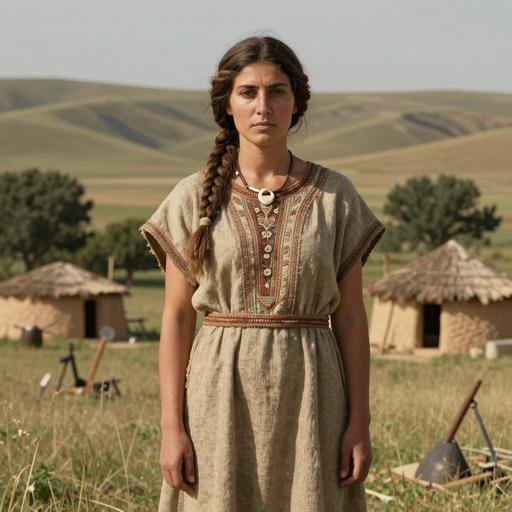
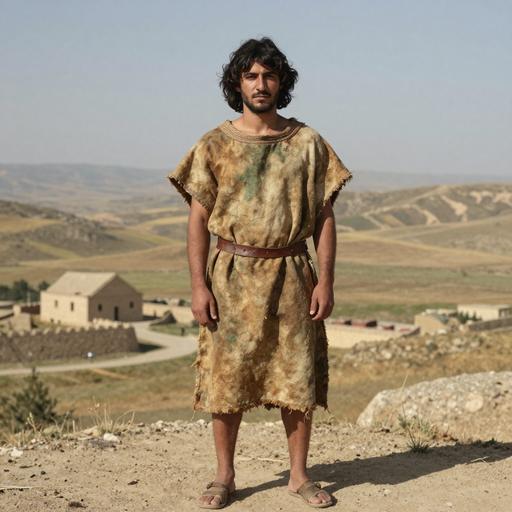
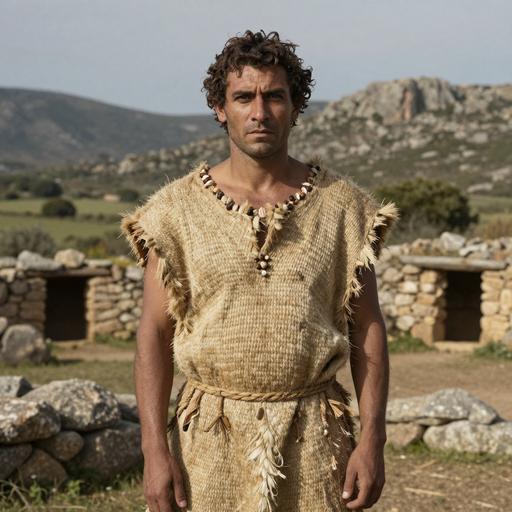
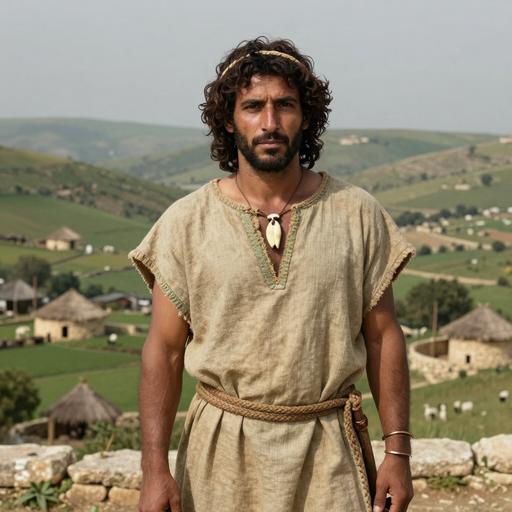
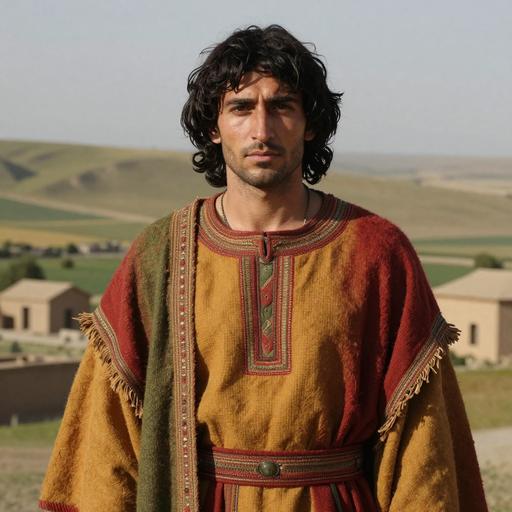
Profil de référence pour une branche de lignée. Des haplogroupes partagés n'établissent pas de lien familial ni d'identité culturelle.
Profil de référence
Contexte de la branche
Contexte historique de la branche de lignée mtDNA K1A
Origins and Evolution
mtDNA haplogroup K1A is a major branch of haplogroup K1, itself derived from haplogroup K (a descendant of U8). Based on the phylogenetic placement of K1A within K1 and the established age estimates for K/K1, K1A most likely diversified in the Near East or Anatolia in the Late Glacial to Early Holocene (approximately ~12 thousand years ago). This timing and geography are consistent with an origin among populations in the Near East that later contributed to the first phases of Neolithic farming expansions into Europe.
K1A shows internal structure with multiple named subclades (commonly reported as K1a1, K1a2, K1a3, etc. in the literature) that expanded at different times. Some of these subclades experienced local founder events and subsequent drift, producing regionally elevated frequencies in particular groups.
Subclades
K1A contains several downstream lineages that are observed at differing frequencies across Eurasia. Common higher-resolution clusters reported in population and ancient DNA studies include K1a1, K1a2 and further subdivisions (for example K1a1b and downstream forms). Specific subclades show contrasting geographic patterns: some are widespread across Europe and the Near East (reflecting Neolithic spread), while others are more restricted and associated with later founder events (for example in Jewish communities and some island/isolated populations).
Geographical Distribution
The modern and ancient distribution of K1A tracks the Near Eastern origin and Neolithic dispersal route into Europe. K1A is found at appreciable levels in Anatolia and the Levant, is present across Southern and Western Europe (including Mediterranean islands such as Sardinia), and appears at lower but detectable frequencies in Northern Europe, the Caucasus, parts of North Africa, and Central Asia where west–east contacts occurred.
Ancient DNA has recovered K1A and its subclades in Anatolian Neolithic contexts, Early Neolithic Central European farmers (e.g., LBK-associated remains), and in various later European archaeological horizons, supporting a scenario of early farmer-mediated expansion followed by regional continuity and later demographic events.
Historical and Cultural Significance
K1A is strongly associated with the demographic processes tied to the spread of agriculture from Anatolia into Europe. It is commonly interpreted as a marker of maternal lineages carried by early Neolithic farming populations (Anatolian and Aegean farmers who contributed ancestry to LBK and Cardial groups). In historic and more recent times, several K1A-derived subclades have high frequencies in Ashkenazi Jewish populations, reflecting clear founder effects and bottlenecks during the formation and growth of these communities.
Because K1A co-occurs with other farmer-associated mtDNA lineages (e.g., certain J and T2 subclades) and with Neolithic-associated paternal lineages (notably Y-DNA G2a), it serves as part of the genetic signature used to identify Neolithic ancestry in ancient and modern samples.
Conclusion
K1A is a Near Eastern–derived maternal lineage that diversified around the transition from the Late Glacial to the Early Holocene and played a notable role in the Neolithic demographic expansion into Europe. Subsequent regional drift, isolation and founder events — most prominently the Ashkenazi Jewish founder effect — have shaped its modern subclade distribution, making K1A both an important marker of early farmer migrations and of later population-specific histories.
Points clés
Origins and Evolution
Subclades
Geographical Distribution
Historical and Cultural Significance
Conclusion
Profil de référence
Arbre et relations
Contexte phylogénétique et sous-clades
Voie évolutive
Suivez les branches parentes consignées jusqu'à K1A. Les dates sont des estimations et peuvent évoluer lorsque les données de référence sont révisées.
The populations where mtDNA haplogroup K1A is found include:
Ashkenazi Jewish communities
Anatolian (modern Turkey) populations
European Early Neolithic farmer-descended populations (e.g., Central European LBK-descendants)
Southern European populations (Iberia, Italy, Greece, Mediterranean islands such as Sardinia)
Western and Northern European populations (British Isles, Scandinavia) at moderate to low frequencies
Caucasus populations (Armenians, Georgians)
North African coastal groups with Near Eastern admixture
Iranian and Levantine populations
Island and isolated Mediterranean populations (e.g., Sardinians, some Aegean islands)
Small but detectable frequencies in parts of Central Asia due to historical west–east contacts
Contexte historique
Une branche dans le temps
Formation estimée sur une chronologie historique large. Les repères de période servent de contexte et n'impliquent pas de lien avec des cultures particulières.
Il y a ~12k ans
Haplogroupe K1A
Formation estimée de cette branche mtDNA ; les dates et les lieux sont des estimations de référence.
Cette branche
Il y a ~10k ans
Révolution néolithique
Début de l'agriculture et émergence de communautés sédentaires
Il y a ~5k ans
Âge du bronze
Travail des métaux, écriture et premières civilisations
Il y a ~3k ans
Âge du fer
Outils en fer, réseaux d'échanges élargis
Il y a ~2.5k ans
Antiquité classique
Floraison des civilisations grecque et romaine
Aujourd'hui
Aujourd'hui
Époque moderne
Profil de référence
Contexte archéologique
Associations archéologiques consignées pour la branche mtDNA K1A
Associations consignées
Ces libellés décrivent des contextes archéologiques consignés pour des échantillons de référence liés à K1A. Une association n'établit pas que tous les porteurs appartenaient à une culture ni qu'ils ont suivi une route migratoire précise.
Les attributions culturelles reposent sur le contexte archéologique des échantillons d'ADN ancien et peuvent refléter des associations régionales à certaines périodes.
Profil de référence
Catalogue d'échantillons
40 porteurs directs et 60 porteurs de sous-clade de l'haplogroupe K1A
10 affiché(s) · 50 échantillons correspondants
Aucun échantillon ne correspond à ces filtres. Essayez un autre libellé, lieu ou période.
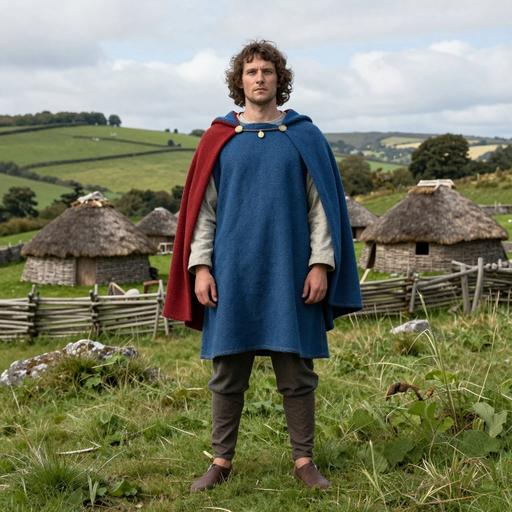
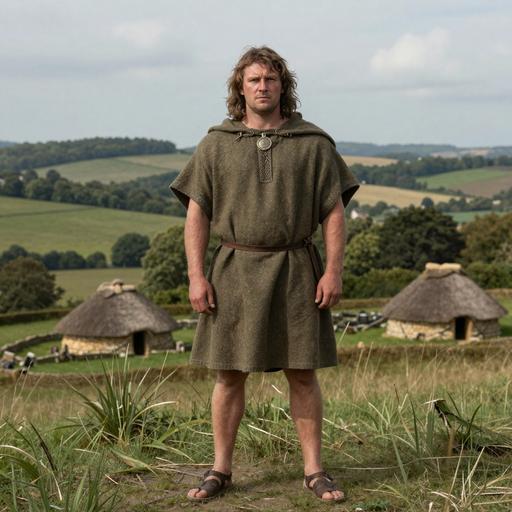
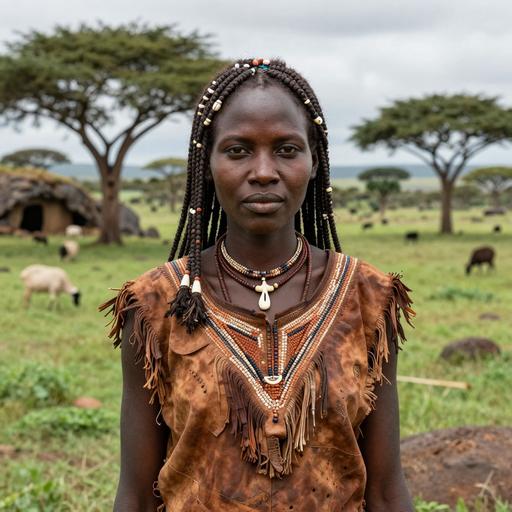
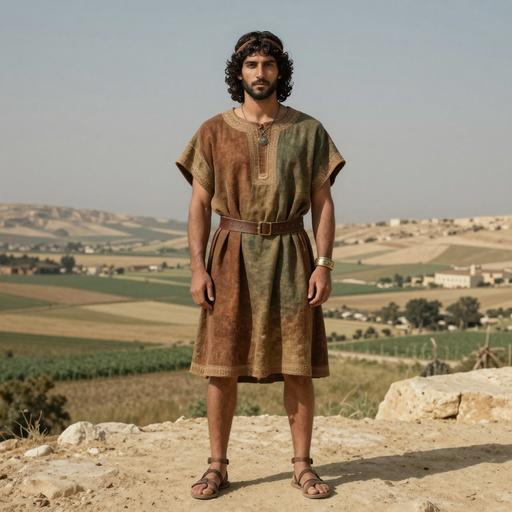
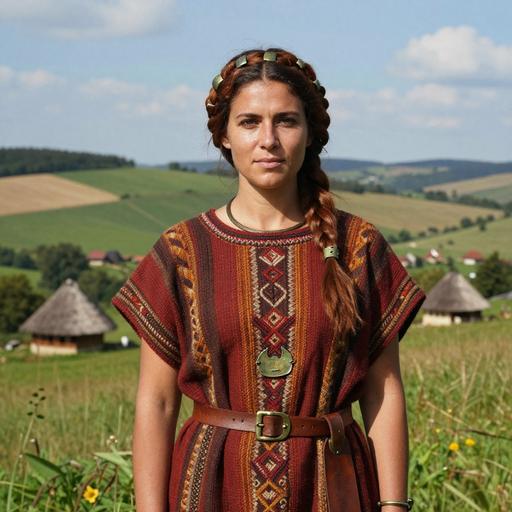
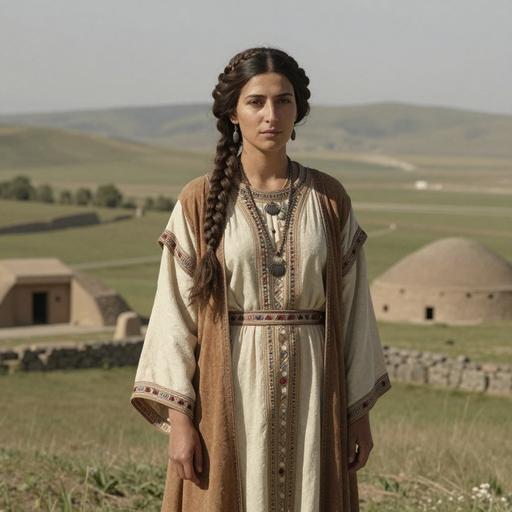
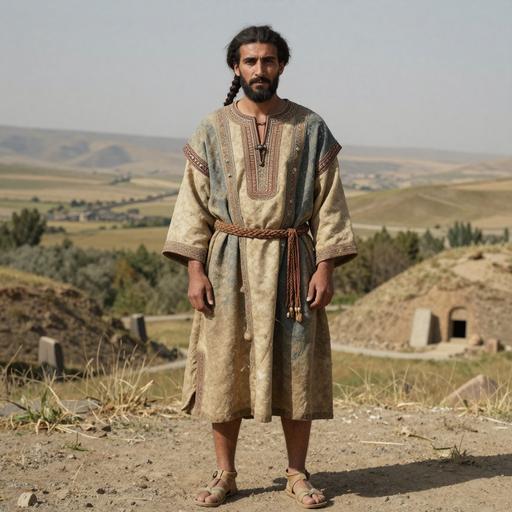
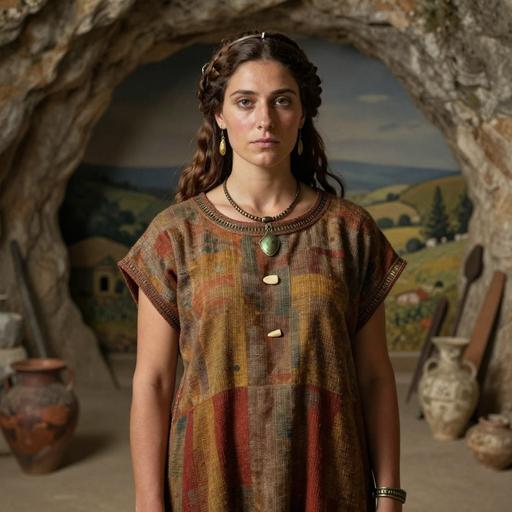
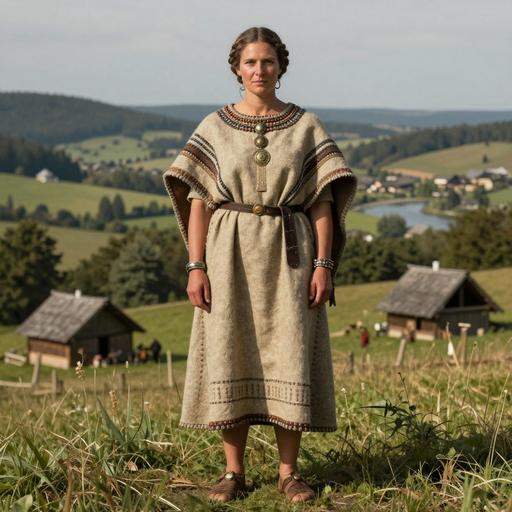
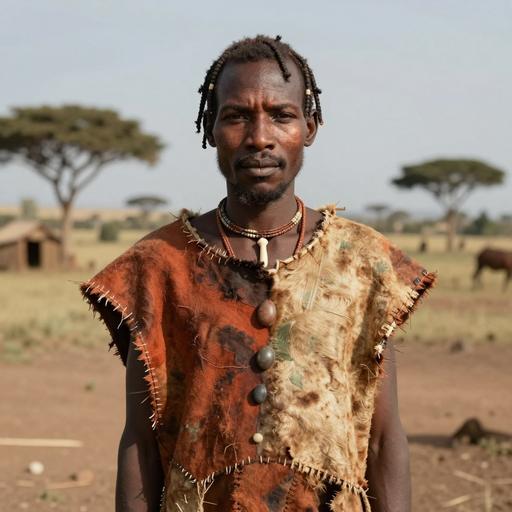
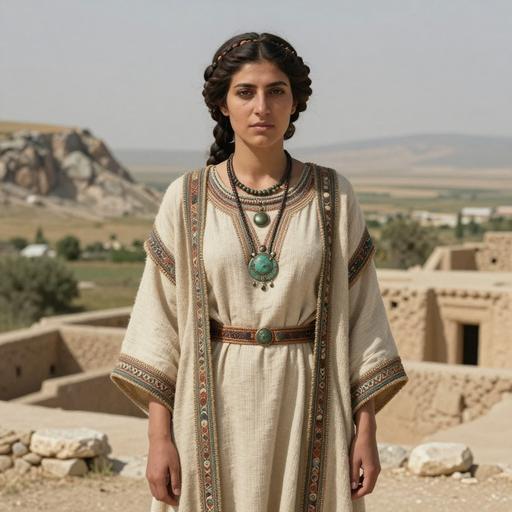
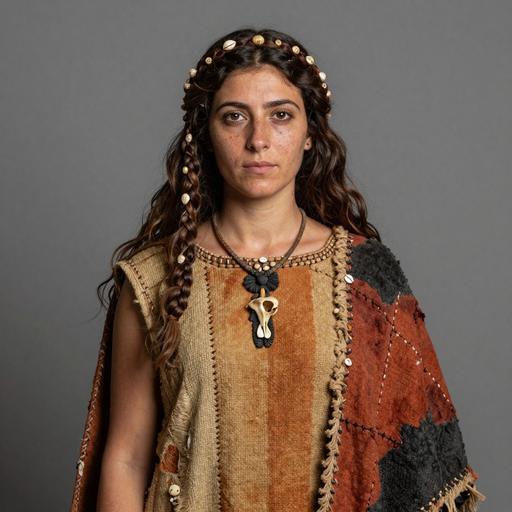
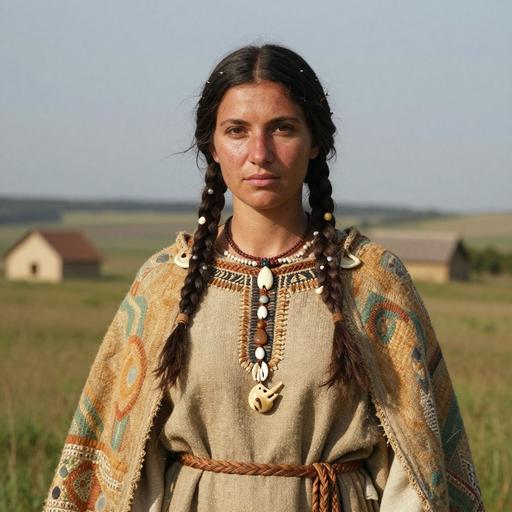
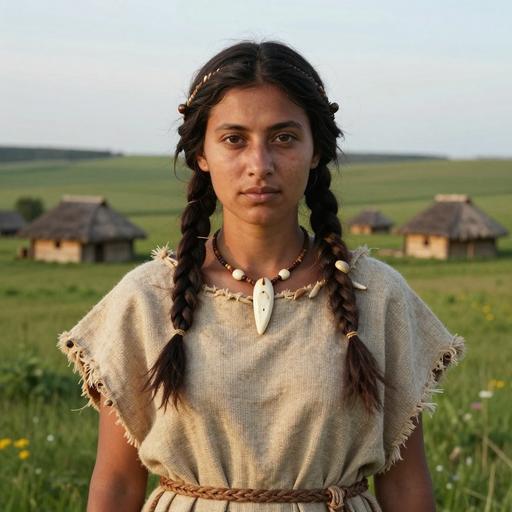
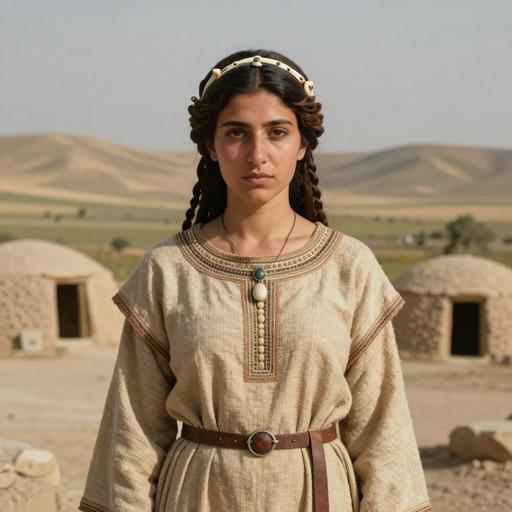
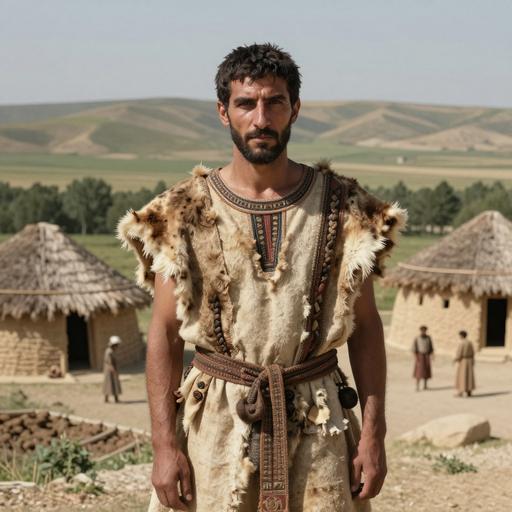
Les portraits sont des illustrations générées par IA. Les libellés d'échantillon et identifiants d'accès désignent les enregistrements de référence.
Portrait
Échantillon
Pays
Époque
Date
Culture
mtDNA
Correspondance
Identifiant d'échantillon : I21302
United Kingdom
England LIA
46 calBCE - 117 calCE (1989±30 BP, SUERC-94994)
British Late Iron Age
K1a
Direct
Identifiant d'échantillon : I22062
United Kingdom
Late Iron Age East Yorkshire, England
50 calBCE - 116 calCE (1997±31 BP, SUERC-52038)
Late Iron Age
K1a
Direct
Identifiant d'échantillon : I11151
United Kingdom
England MIA
379-197 calBCE (2214±27 BP, SUERC-97413)
Middle Iron Age British
K1a
Direct
Identifiant d'échantillon : I19044
United Kingdom
England MIA
381-199 calBCE (2221±25 BP, SUERC-97424)
Middle Iron Age British
K1a
Direct
Identifiant d'échantillon : I12394
Kenya
Kenya PastoralN Elmenteitan
436-580 calCE (1585±15 BP, PSUAMS-4943)
Elmenteitan Culture
K1-a
Direct
Identifiant d'échantillon : DRU006
Germany
Saxon Medieval Drantum, Germany
600-900 CE
Saxon Drantum
K1a
Direct
Identifiant d'échantillon : I13226
Pakistan
The Loebanr Iron Age Culture of Pakistan
1012-906 calBCE (2810±20 BP, PSUAMS-5503)
Loebanr Culture
K1-a
Direct
Identifiant d'échantillon : I4517
Israel
Israel IA
1109-923 calBCE (2845±25 BP, PSUAMS-2166)
Israelite Culture
K1-a
Direct
Identifiant d'échantillon : I15959
Czech Republic
Late Bronze Age Knoviz Culture, Czech Republic
1192-1005 calBCE (2890±20 BP, PSUAMS-10102)
Knoviz Culture
K1a
Direct
Identifiant d'échantillon : I16217
Armenia
Late Bronze Age Armenia
1213-1048 calBCE (2925±20 BP, PSUAMS-9001)
Late Bronze Age Armenian
K1a
Direct
Identifiant d'échantillon : I19346
Armenia
Late Bronze Age Armenia
1400-900 BCE
Late Bronze Age Armenian
K1a
Direct
Identifiant d'échantillon : I6947
India
India Roopkund B
1675-1943 calCE (140±15 BP, PSUAMS-4595)
Roopkund B Group
K1-a
Direct
Identifiant d'échantillon : I18087
Croatia
Croatia MLBA
2000-1000 BCE
Croatian Bronze Age
K1a
Direct
Identifiant d'échantillon : OBKR_76
Germany
Early Bronze Age Lech Valley, Germany
2016-1781 calBCE (3567±23 BP, MAMS-18899)
Lech Valley Bronze Age
K1-a
Direct
Identifiant d'échantillon : ALA015
Turkey
Middle to Late Bronze Age Turkey
2018 BCE - 1778 BCE
Anatolian Bronze Age
K1-a
Direct
Identifiant d'échantillon : I12533
Kenya
Early Pastoral Neolithic in Kenya
2133-1897 calBCE (3670±20 BP, PSUAMS-4982)
Early Pastoral Neolithic
K1-a
Direct
Identifiant d'échantillon : UNTA58_67
Germany
Bell Beaker Culture, Lech Valley, Germany
2451-2202 calBCE (3840±20 BP, MAMS-18934)
Bell Beaker
K1-a
Direct
Identifiant d'échantillon : I2499
Turkey
Turkey EBA
2836-2468 calBCE (4040±35 BP, Poz-82213)
Early Bronze Anatolia
K1-a
Direct
Identifiant d'échantillon : I1271
Spain
Spain C
2650-2250 BCE
Los Millares
K1-a
Direct
Identifiant d'échantillon : MX182
Switzerland
Switzerland LN
3341-3032 calBCE (4480±27 BP, MAMS-27569)
Swiss Neolithic
K1-a
Direct
Identifiant d'échantillon : CBT010
Turkey
Late Chalcolithic Çamlıbel Tarlası, Turkey
3600-3450 BCE
Çamlıbel Tarlası
K1-a
Direct
Identifiant d'échantillon : CBT011
Turkey
Late Chalcolithic Çamlıbel Tarlası, Turkey
3600-3450 BCE
Çamlıbel Tarlası
K1-a
Direct
Identifiant d'échantillon : I15648
Czech Republic
Neolithic Czech Republic
3598-3371 calBCE (4690±25 BP, PSUAMS-10098)
Czech Neolithic
K1a
Direct
Identifiant d'échantillon : CBT005
Turkey
Late Chalcolithic Çamlıbel Tarlası, Turkey
3623-3376 calBCE (4713±21 BP, MAMS-41629)
Çamlıbel Tarlası
K1-a
Direct
Identifiant d'échantillon : I6761
United Kingdom
England N
3650 BCE - 3500 BCE
British Neolithic
K1-a
Direct
Identifiant d'échantillon : I5370
United Kingdom
Scotland N
4000 BCE - 3300 BCE
Scottish Neolithic
K1-a
Direct
Identifiant d'échantillon : SID005
Italy
Italy Sardinia N
4310-4047 calBCE (5316±31 BP, MAMS-39532)
Sardinian Neolithic
K1-a
Direct
Identifiant d'échantillon : I1172
Israel
Israel C
4450-3950 BCE
Ghassulian
K1-a
Direct
Identifiant d'échantillon : I0781
Bulgaria
Bulgaria C
4537 BCE - 4367 BCE
Bulgarian Chalcolithic
K1-a
Direct
Identifiant d'échantillon : FLR014
France
France MN
4546-4368 calBCE (5650±30 BP, Beta-413164)
Middle Neolithic French
K1-a
Direct
Identifiant d'échantillon : I2428
Bulgaria
Bulgaria C
4600-4300 BCE
Bulgarian Chalcolithic
K1a
Direct
Identifiant d'échantillon : I4184
Hungary
Hungary LN Sopot
4932-4714 calBCE (5930±40 BP, Beta-310040)
Sopot Culture
K1-a
Direct
Identifiant d'échantillon : SCH018
Germany
Early Neolithic Linear Pottery Culture, Germany
5212-4959 calBCE (6141±37 BP, OxA-23211)
Linear Pottery Culture
K1-a
Direct
Identifiant d'échantillon : HBS008
Germany
Early Neolithic Linear Pottery Culture, Germany
5250-4800 BCE
Linear Pottery Culture
K1-a
Direct
Identifiant d'échantillon : I4186
Hungary
Middle Neolithic Alföld Linear Pottery Culture Esztár Group, Hungary
5300-4900 BCE
Esztár Group
K1-a
Direct
Identifiant d'échantillon : R6
Italy
Neolithic Italy
5318-5084 calBCE (6270±30 BP, UCIAMS-213625)
Italian Neolithic
K1-a
Direct
Identifiant d'échantillon : I2794
Hungary
Hungary EN Koros
5713-5536 calBCE (6700±40 BP, Poz-83628)
Körös Culture
K1-a
Direct
Identifiant d'échantillon : I1508
Hungary
Hungary EN Koros
5716 BCE - 5565 BCE
Körös Culture
K1-a
Direct
Identifiant d'échantillon : I2323
Iran
Chalcolithic Hajji Firuz
6064-5846 calBCE (7090±50 BP, Poz-81115)
Hajji Firuz
K1a
Direct
Identifiant d'échantillon : ZMOJ
Turkey
Neolithic Turkey
8300-7600 BCE
Anatolian Neolithic
K1-a
Direct
Identifiant d'échantillon : R1547
Italy
Imperial Rome
27 BCE - 300 CE
Roman Empire
K1a7
Sous-clade
Identifiant d'échantillon : HUD001
Mongolia
The Xiongnu People
200 BCE - 100 CE
Xiongnu
K1a19
Sous-clade
Identifiant d'échantillon : COL153A
France
France GrandEst IA2
400-300 BCE
Iron Age II Culture
K1a26
Sous-clade
Identifiant d'échantillon : I19327
Armenia
Iron Age Armenia
370-197 calBCE (2210±20 BP, PSUAMS-9005)
Iron Age Armenian
K1a19
Sous-clade
Identifiant d'échantillon : I13780
Czech Republic
Iron Age La Tène Culture, Czech Republic
500-1700 CE
La Tène Culture
K1a26
Sous-clade
Identifiant d'échantillon : I17258
United Kingdom
England EIA
542-396 calBCE (2386±26 BP, SUERC-66076)
Early British Iron Age
K1a2
Sous-clade
Identifiant d'échantillon : I16618
United Kingdom
England EIA
787-544 calBCE (2518±30 BP, SUERC-70739)
Early British Iron Age
K1a4
Sous-clade
Identifiant d'échantillon : R1015
Italy
Iron Age Roman Republic
900-800 BCE
Roman Republic
K1a4
Sous-clade
Identifiant d'échantillon : I19335
Armenia
Late Bronze Age Armenia
1400-900 BCE
Late Bronze Age Armenian
K1a23
Sous-clade
Identifiant d'échantillon : I15732
Armenia
Late Bronze Age Armenia
1439-1293 calBCE (3110±25 BP, PSUAMS-7162)
Late Bronze Age Armenian
K1a1
Sous-clade
Identifiant d'échantillon : I21302
Late Iron Age England - United Kingdom - England. South Somerset. South Cadbury
United Kingdom England LIA 46 calBCE - 117 calCE (1989±30 BP, SUERC-94994)
K1aDirect
Identifiant d'échantillon : I22062
Late Iron Age East Yorkshire, England - United Kingdom - England. East Riding of Yorkshire. Thornholme. Town Pasture
United Kingdom Late Iron Age East Yorkshire, England 50 calBCE - 116 calCE (1997±31 BP, SUERC-52038)
K1aDirect
Identifiant d'échantillon : I11151
Middle Iron Age England - United Kingdom - England. Bedfordshire. Broom Quarry
United Kingdom England MIA 379-197 calBCE (2214±27 BP, SUERC-97413)
K1aDirect
Identifiant d'échantillon : I19044
Middle Iron Age England - United Kingdom - England. Cambridgeshire. Marshall's Jaguar Land Rover New Showroom (JLU15)
United Kingdom England MIA 381-199 calBCE (2221±25 BP, SUERC-97424)
K1aDirect
Identifiant d'échantillon : I12394
Pastoral Neolithic Elmenteitan in Kenya - Kenya - Nakuru. Keringet Cave. GrJg4
Kenya Kenya PastoralN Elmenteitan 436-580 calCE (1585±15 BP, PSUAMS-4943)
The Xiongnu People - Mongolia - Arkhangai. Khudgiin Am
Mongolia The Xiongnu People 200 BCE - 100 CE
K1a19Sous-clade
Identifiant d'échantillon : COL153A
Iron Age II Grand Est, France - France - Grand-Est (East). Colmar. Jardin des Aubépines
France France GrandEst IA2 400-300 BCE
K1a26Sous-clade
Identifiant d'échantillon : I19327
Iron Age Armenia - Armenia - Noratus
Armenia Iron Age Armenia 370-197 calBCE (2210±20 BP, PSUAMS-9005)
K1a19Sous-clade
Identifiant d'échantillon : I13780
Iron Age La Tène Culture, Czech Republic - Czech Republic - Central Bohemia. Prague 5. Prague-Jinonice (Holmanʼs Garden Centre)
Czech Republic Iron Age La Tène Culture, Czech Republic 500-1700 CE
K1a26Sous-clade
Identifiant d'échantillon : I17258
Early Iron Age England - United Kingdom - England. Hampshire. Stockbridge. New Buildings
United Kingdom England EIA 542-396 calBCE (2386±26 BP, SUERC-66076)
K1a2Sous-clade
Identifiant d'échantillon : I16618
Early Iron Age England - United Kingdom - England. Sussex. Brighton. Surrendon Road
United Kingdom England EIA 787-544 calBCE (2518±30 BP, SUERC-70739)
K1a4Sous-clade
Identifiant d'échantillon : R1015
Iron Age Roman Republic - Italy - Veio Grotta Gramiccia
Italy Iron Age Roman Republic 900-800 BCE
K1a4Sous-clade
Identifiant d'échantillon : I19335
Late Bronze Age Armenia - Armenia - Karashamb Cemetery
Armenia Late Bronze Age Armenia 1400-900 BCE
K1a23Sous-clade
Identifiant d'échantillon : I15732
Late Bronze Age Armenia - Armenia - Nerkin Getashen
Armenia Late Bronze Age Armenia 1439-1293 calBCE (3110±25 BP, PSUAMS-7162)
K1a1Sous-clade
LIGNÉE MATERNELLE · ADN ANTIQUE
Carte des preuves de lignées antiques
Suivez les clades parents jusqu'à cette branche et explorez où des porteurs antiques ont été identifiés.
Chargement des observations antiques…
La réduction des animations est activée. Utilisez la chronologie ou Tout afficher pour explorer à votre rythme.
Lire les observations sous forme de tableau
Observations antiques affichées par branche, période et date médiane
Branche
Période
Plage de dates
Échantillon
Identifiant d'échantillon
Emplacement
Haplogroupe
Relation
Les marqueurs indiquent des lieux de découvertes archéologiques. Un trait pointillé représente une transition géographique proposée et incertaine entre branches consécutives, appuyée sur plusieurs observations datées ; ce n'est pas un itinéraire exact, un lieu de naissance ni une preuve de descendance directe. Des échantillons de clades parents peuvent appartenir à d'autres branches descendantes. Des lacunes subsistent lorsque les preuves sont insuffisantes. Les dates d'échantillon diffèrent des dates de formation des haplogroupes.
Le regroupement par période historique reflète quand chaque individu antique a vécu, en combinant toutes les branches de cette chaîne de lignée ; ce n'est pas une séquence migratoire ni une chronologie personnelle entre périodes.
Profil de référence
Carte de répartition des porteurs
Répartition géographique de 100 échantillons d'ADN ancien (porteurs directs et de sous-clade de K1A)
Porteur direct Porteur de sous-clade
Filtre de période
Toutes les périodes
Affichage de tous les échantillons
Profil de référence
Répartition temporelle
Répartition des porteurs selon les périodes archéologiques
Profil de référence
Répartition géographique
Effectifs par pays d'échantillon consigné. Ils reflètent la sélection de référence disponible, pas des fréquences de population.
Profil de référence
Répartition pays × époque
Comparez les effectifs d'échantillons consignés selon les pays et les périodes archéologiques. Sélectionnez une cellule renseignée pour examiner un échantillon.
Données
Données et provenance
Informations sur les sources et qualité des données
Dernière mise à jour2026-02-16
Score de confiance50/100
CouvertureLow
Source des données
La classification, les dates estimées et le contexte géographique reflètent les données de référence consignées et peuvent évoluer lorsque les éléments sont révisés. La couverture d'échantillons est inégale ; les lieux consignés et les associations archéologiques n'établissent pas une origine personnelle ni une identité culturelle.