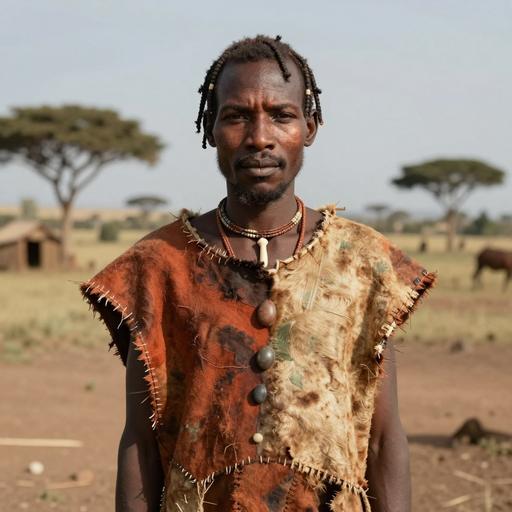
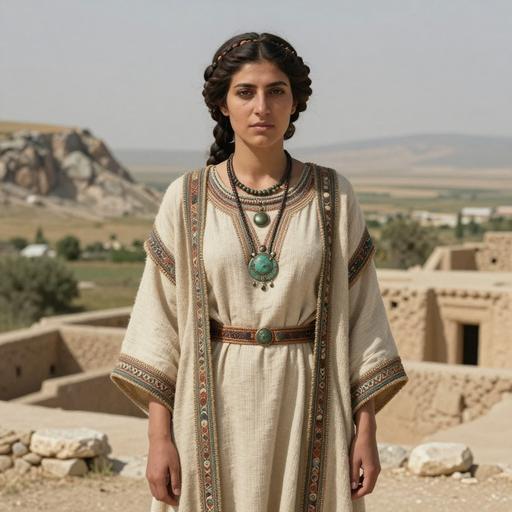
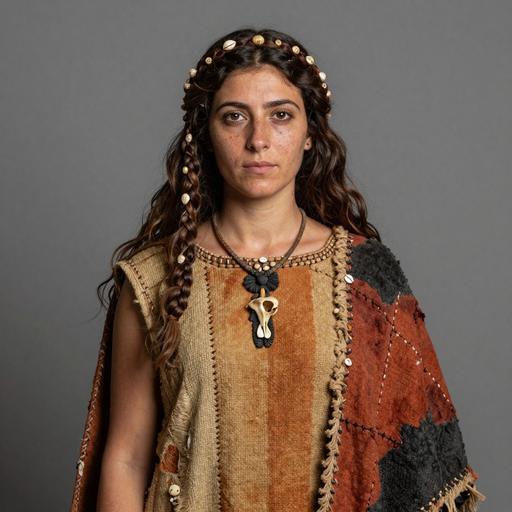
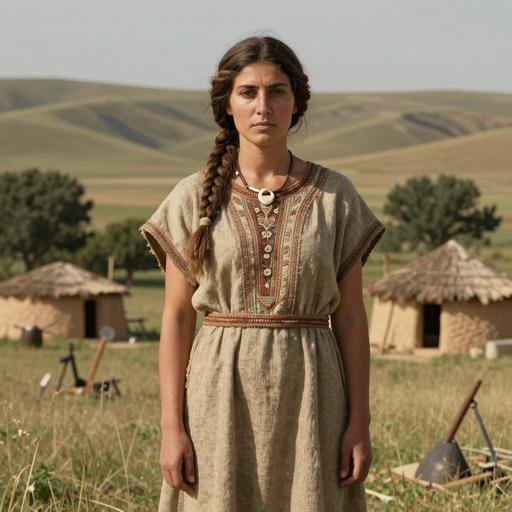
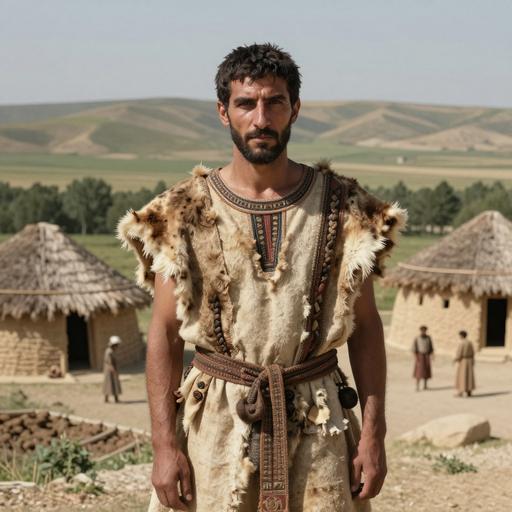
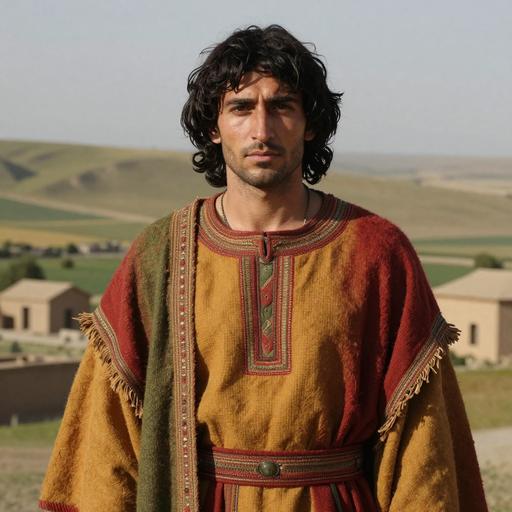
Un perfil de referencia de una rama de linaje. Compartir haplogrupos no demuestra una relación familiar ni una identidad cultural.
Perfil de referencia
Contexto de la rama
Contexto histórico de la rama de linaje mtDNA K1A
Origins and Evolution
mtDNA haplogroup K1A is a major branch of haplogroup K1, itself derived from haplogroup K (a descendant of U8). Based on the phylogenetic placement of K1A within K1 and the established age estimates for K/K1, K1A most likely diversified in the Near East or Anatolia in the Late Glacial to Early Holocene (approximately ~12 thousand years ago). This timing and geography are consistent with an origin among populations in the Near East that later contributed to the first phases of Neolithic farming expansions into Europe.
K1A shows internal structure with multiple named subclades (commonly reported as K1a1, K1a2, K1a3, etc. in the literature) that expanded at different times. Some of these subclades experienced local founder events and subsequent drift, producing regionally elevated frequencies in particular groups.
Subclades
K1A contains several downstream lineages that are observed at differing frequencies across Eurasia. Common higher-resolution clusters reported in population and ancient DNA studies include K1a1, K1a2 and further subdivisions (for example K1a1b and downstream forms). Specific subclades show contrasting geographic patterns: some are widespread across Europe and the Near East (reflecting Neolithic spread), while others are more restricted and associated with later founder events (for example in Jewish communities and some island/isolated populations).
Geographical Distribution
The modern and ancient distribution of K1A tracks the Near Eastern origin and Neolithic dispersal route into Europe. K1A is found at appreciable levels in Anatolia and the Levant, is present across Southern and Western Europe (including Mediterranean islands such as Sardinia), and appears at lower but detectable frequencies in Northern Europe, the Caucasus, parts of North Africa, and Central Asia where west–east contacts occurred.
Ancient DNA has recovered K1A and its subclades in Anatolian Neolithic contexts, Early Neolithic Central European farmers (e.g., LBK-associated remains), and in various later European archaeological horizons, supporting a scenario of early farmer-mediated expansion followed by regional continuity and later demographic events.
Historical and Cultural Significance
K1A is strongly associated with the demographic processes tied to the spread of agriculture from Anatolia into Europe. It is commonly interpreted as a marker of maternal lineages carried by early Neolithic farming populations (Anatolian and Aegean farmers who contributed ancestry to LBK and Cardial groups). In historic and more recent times, several K1A-derived subclades have high frequencies in Ashkenazi Jewish populations, reflecting clear founder effects and bottlenecks during the formation and growth of these communities.
Because K1A co-occurs with other farmer-associated mtDNA lineages (e.g., certain J and T2 subclades) and with Neolithic-associated paternal lineages (notably Y-DNA G2a), it serves as part of the genetic signature used to identify Neolithic ancestry in ancient and modern samples.
Conclusion
K1A is a Near Eastern–derived maternal lineage that diversified around the transition from the Late Glacial to the Early Holocene and played a notable role in the Neolithic demographic expansion into Europe. Subsequent regional drift, isolation and founder events — most prominently the Ashkenazi Jewish founder effect — have shaped its modern subclade distribution, making K1A both an important marker of early farmer migrations and of later population-specific histories.
Puntos clave
Origins and Evolution
Subclades
Geographical Distribution
Historical and Cultural Significance
Conclusion
Perfil de referencia
Árbol y relaciones
Contexto filogenético y subclados
Trayectoria evolutiva
Sigue las ramas superiores registradas hasta K1A. Las fechas son estimaciones y pueden cambiar al revisarse los datos de referencia.
The populations where mtDNA haplogroup K1A is found include:
Ashkenazi Jewish communities
Anatolian (modern Turkey) populations
European Early Neolithic farmer-descended populations (e.g., Central European LBK-descendants)
Southern European populations (Iberia, Italy, Greece, Mediterranean islands such as Sardinia)
Western and Northern European populations (British Isles, Scandinavia) at moderate to low frequencies
Caucasus populations (Armenians, Georgians)
North African coastal groups with Near Eastern admixture
Iranian and Levantine populations
Island and isolated Mediterranean populations (e.g., Sardinians, some Aegean islands)
Small but detectable frequencies in parts of Central Asia due to historical west–east contacts
Contexto histórico
Una rama a través del tiempo
Formación estimada en una cronología histórica amplia. Los marcadores temporales aportan contexto y no implican relación con culturas concretas.
~12k años de antigüedad
Haplogrupo K1A
Formación estimada de esta rama de mtDNA; las fechas y ubicaciones son estimaciones de referencia.
Esta rama
~10k años de antigüedad
Revolución neolítica
Inicio de la agricultura y formación de comunidades sedentarias
~5k años de antigüedad
Edad del Bronce
Metalurgia, escritura y primeras civilizaciones
~3k años de antigüedad
Edad del Hierro
Herramientas de hierro y ampliación de redes comerciales
~2.5k años de antigüedad
Antigüedad clásica
Desarrollo de las civilizaciones griega y romana
Actualidad
Actualidad
Época moderna
Perfil de referencia
Contexto arqueológico
Asociaciones arqueológicas registradas para la rama mtDNA K1A
Asociaciones registradas
Estas etiquetas describen contextos arqueológicos registrados para las muestras de referencia enlazadas a K1A. Una asociación no demuestra que todos los portadores pertenecieran a una cultura ni siguieran una ruta migratoria concreta.
Las atribuciones culturales se basan en el contexto arqueológico de las muestras de ADN antiguo y pueden representar asociaciones regionales de periodos concretos.
Perfil de referencia
Catálogo de muestras
40 portadores directos y 60 portadores de subclados del haplogrupo K1A
10 mostradas · 50 muestras coincidentes
Ninguna muestra coincide con estos filtros. Prueba otra etiqueta, ubicación o periodo.
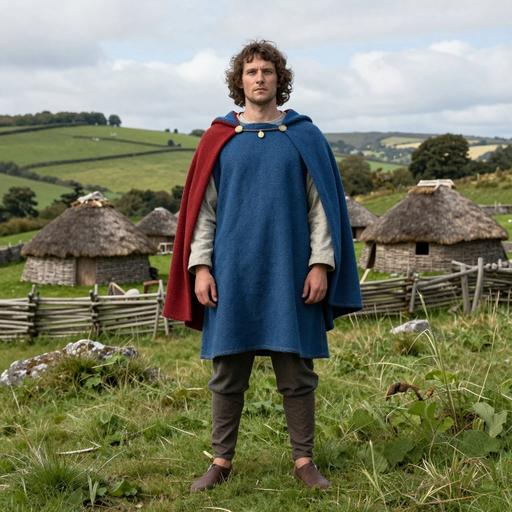
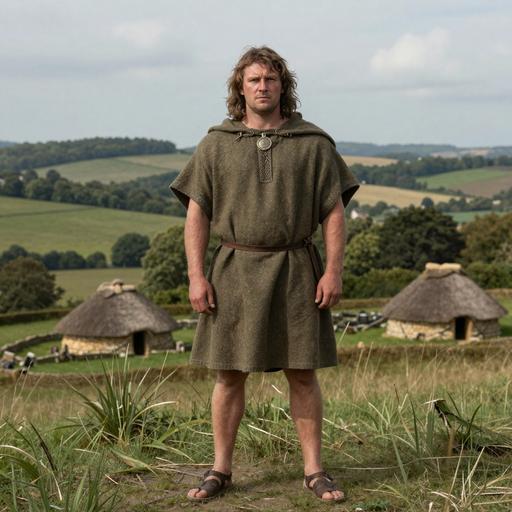
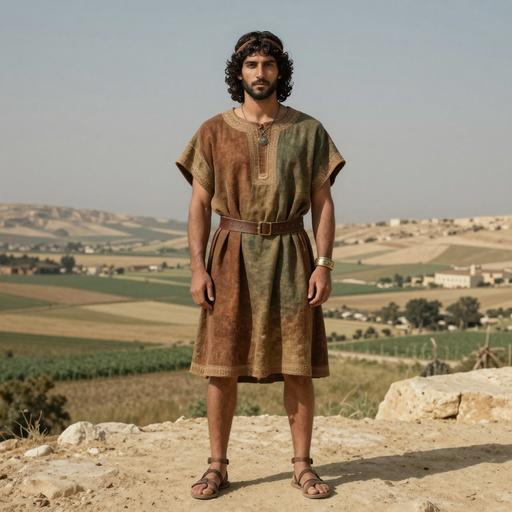
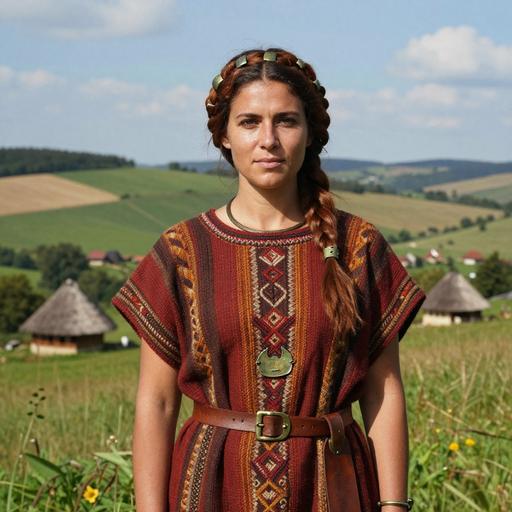
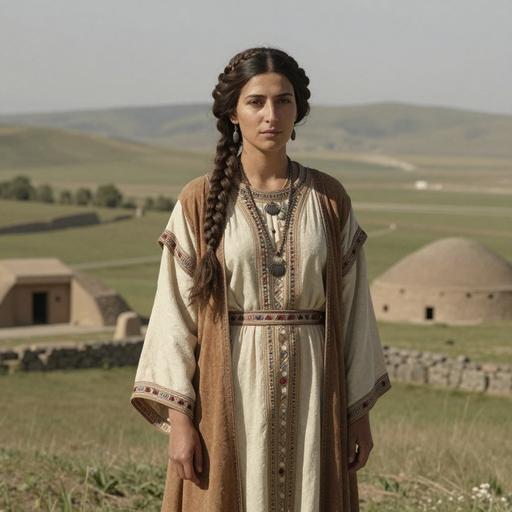
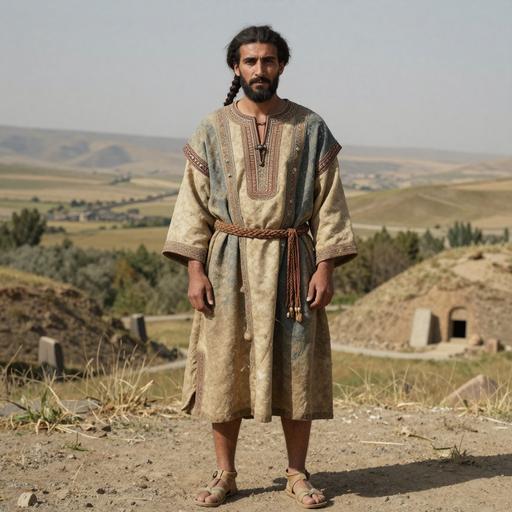
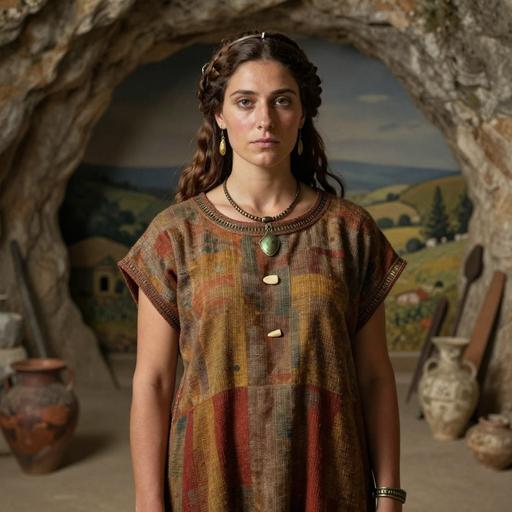
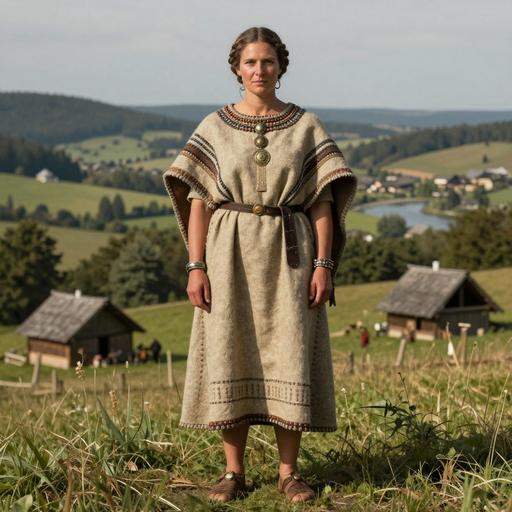
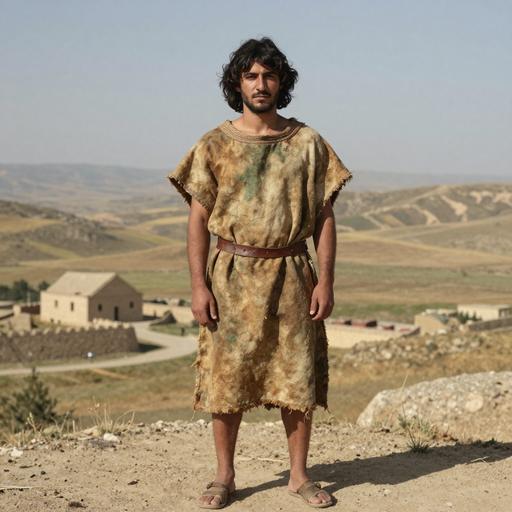
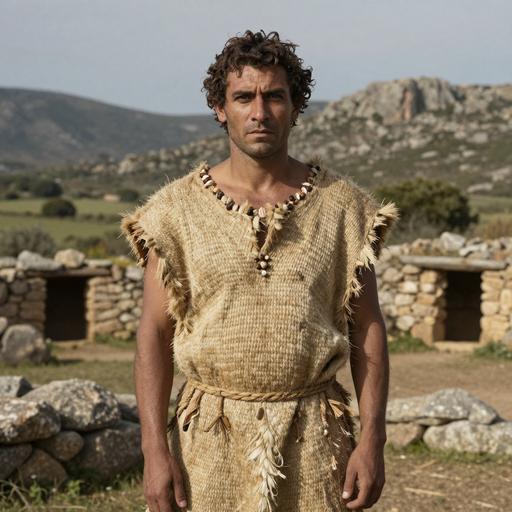
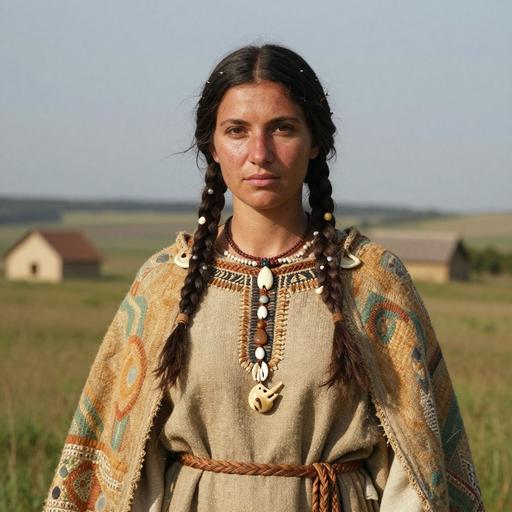
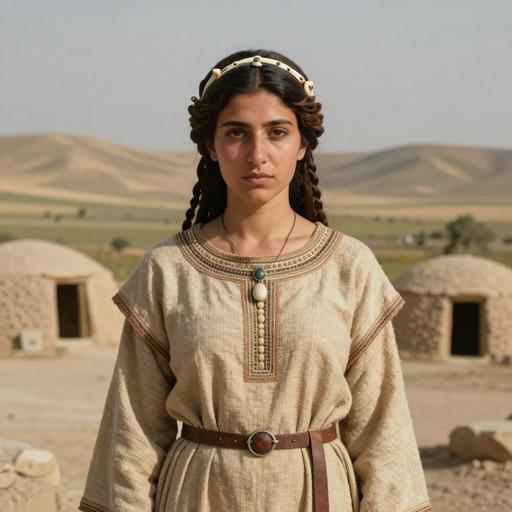
Los retratos son ilustraciones generadas con IA. Las etiquetas de muestra y los identificadores de acceso identifican los registros de referencia.
Retrato
Muestra
País
Época
Fecha
Cultura
mtDNA
Coincidencia
Identificador de muestra: I21302
United Kingdom
England LIA
46 calBCE - 117 calCE (1989±30 BP, SUERC-94994)
British Late Iron Age
K1a
Direct
Identificador de muestra: I22062
United Kingdom
Late Iron Age East Yorkshire, England
50 calBCE - 116 calCE (1997±31 BP, SUERC-52038)
Late Iron Age
K1a
Direct
Identificador de muestra: I11151
United Kingdom
England MIA
379-197 calBCE (2214±27 BP, SUERC-97413)
Middle Iron Age British
K1a
Direct
Identificador de muestra: I19044
United Kingdom
England MIA
381-199 calBCE (2221±25 BP, SUERC-97424)
Middle Iron Age British
K1a
Direct
Identificador de muestra: I12394
Kenya
Kenya PastoralN Elmenteitan
436-580 calCE (1585±15 BP, PSUAMS-4943)
Elmenteitan Culture
K1-a
Direct
Identificador de muestra: DRU006
Germany
Saxon Medieval Drantum, Germany
600-900 CE
Saxon Drantum
K1a
Direct
Identificador de muestra: I13226
Pakistan
The Loebanr Iron Age Culture of Pakistan
1012-906 calBCE (2810±20 BP, PSUAMS-5503)
Loebanr Culture
K1-a
Direct
Identificador de muestra: I4517
Israel
Israel IA
1109-923 calBCE (2845±25 BP, PSUAMS-2166)
Israelite Culture
K1-a
Direct
Identificador de muestra: I15959
Czech Republic
Late Bronze Age Knoviz Culture, Czech Republic
1192-1005 calBCE (2890±20 BP, PSUAMS-10102)
Knoviz Culture
K1a
Direct
Identificador de muestra: I16217
Armenia
Late Bronze Age Armenia
1213-1048 calBCE (2925±20 BP, PSUAMS-9001)
Late Bronze Age Armenian
K1a
Direct
Identificador de muestra: I19346
Armenia
Late Bronze Age Armenia
1400-900 BCE
Late Bronze Age Armenian
K1a
Direct
Identificador de muestra: I6947
India
India Roopkund B
1675-1943 calCE (140±15 BP, PSUAMS-4595)
Roopkund B Group
K1-a
Direct
Identificador de muestra: I18087
Croatia
Croatia MLBA
2000-1000 BCE
Croatian Bronze Age
K1a
Direct
Identificador de muestra: OBKR_76
Germany
Early Bronze Age Lech Valley, Germany
2016-1781 calBCE (3567±23 BP, MAMS-18899)
Lech Valley Bronze Age
K1-a
Direct
Identificador de muestra: ALA015
Turkey
Middle to Late Bronze Age Turkey
2018 BCE - 1778 BCE
Anatolian Bronze Age
K1-a
Direct
Identificador de muestra: I12533
Kenya
Early Pastoral Neolithic in Kenya
2133-1897 calBCE (3670±20 BP, PSUAMS-4982)
Early Pastoral Neolithic
K1-a
Direct
Identificador de muestra: UNTA58_67
Germany
Bell Beaker Culture, Lech Valley, Germany
2451-2202 calBCE (3840±20 BP, MAMS-18934)
Bell Beaker
K1-a
Direct
Identificador de muestra: I2499
Turkey
Turkey EBA
2836-2468 calBCE (4040±35 BP, Poz-82213)
Early Bronze Anatolia
K1-a
Direct
Identificador de muestra: I1271
Spain
Spain C
2650-2250 BCE
Los Millares
K1-a
Direct
Identificador de muestra: MX182
Switzerland
Switzerland LN
3341-3032 calBCE (4480±27 BP, MAMS-27569)
Swiss Neolithic
K1-a
Direct
Identificador de muestra: CBT010
Turkey
Late Chalcolithic Çamlıbel Tarlası, Turkey
3600-3450 BCE
Çamlıbel Tarlası
K1-a
Direct
Identificador de muestra: CBT011
Turkey
Late Chalcolithic Çamlıbel Tarlası, Turkey
3600-3450 BCE
Çamlıbel Tarlası
K1-a
Direct
Identificador de muestra: I15648
Czech Republic
Neolithic Czech Republic
3598-3371 calBCE (4690±25 BP, PSUAMS-10098)
Czech Neolithic
K1a
Direct
Identificador de muestra: CBT005
Turkey
Late Chalcolithic Çamlıbel Tarlası, Turkey
3623-3376 calBCE (4713±21 BP, MAMS-41629)
Çamlıbel Tarlası
K1-a
Direct
Identificador de muestra: I6761
United Kingdom
England N
3650 BCE - 3500 BCE
British Neolithic
K1-a
Direct
Identificador de muestra: I5370
United Kingdom
Scotland N
4000 BCE - 3300 BCE
Scottish Neolithic
K1-a
Direct
Identificador de muestra: SID005
Italy
Italy Sardinia N
4310-4047 calBCE (5316±31 BP, MAMS-39532)
Sardinian Neolithic
K1-a
Direct
Identificador de muestra: I1172
Israel
Israel C
4450-3950 BCE
Ghassulian
K1-a
Direct
Identificador de muestra: I0781
Bulgaria
Bulgaria C
4537 BCE - 4367 BCE
Bulgarian Chalcolithic
K1-a
Direct
Identificador de muestra: FLR014
France
France MN
4546-4368 calBCE (5650±30 BP, Beta-413164)
Middle Neolithic French
K1-a
Direct
Identificador de muestra: I2428
Bulgaria
Bulgaria C
4600-4300 BCE
Bulgarian Chalcolithic
K1a
Direct
Identificador de muestra: I4184
Hungary
Hungary LN Sopot
4932-4714 calBCE (5930±40 BP, Beta-310040)
Sopot Culture
K1-a
Direct
Identificador de muestra: SCH018
Germany
Early Neolithic Linear Pottery Culture, Germany
5212-4959 calBCE (6141±37 BP, OxA-23211)
Linear Pottery Culture
K1-a
Direct
Identificador de muestra: HBS008
Germany
Early Neolithic Linear Pottery Culture, Germany
5250-4800 BCE
Linear Pottery Culture
K1-a
Direct
Identificador de muestra: I4186
Hungary
Middle Neolithic Alföld Linear Pottery Culture Esztár Group, Hungary
5300-4900 BCE
Esztár Group
K1-a
Direct
Identificador de muestra: R6
Italy
Neolithic Italy
5318-5084 calBCE (6270±30 BP, UCIAMS-213625)
Italian Neolithic
K1-a
Direct
Identificador de muestra: I2794
Hungary
Hungary EN Koros
5713-5536 calBCE (6700±40 BP, Poz-83628)
Körös Culture
K1-a
Direct
Identificador de muestra: I1508
Hungary
Hungary EN Koros
5716 BCE - 5565 BCE
Körös Culture
K1-a
Direct
Identificador de muestra: I2323
Iran
Chalcolithic Hajji Firuz
6064-5846 calBCE (7090±50 BP, Poz-81115)
Hajji Firuz
K1a
Direct
Identificador de muestra: ZMOJ
Turkey
Neolithic Turkey
8300-7600 BCE
Anatolian Neolithic
K1-a
Direct
Identificador de muestra: R1547
Italy
Imperial Rome
27 BCE - 300 CE
Roman Empire
K1a7
Subclado
Identificador de muestra: HUD001
Mongolia
The Xiongnu People
200 BCE - 100 CE
Xiongnu
K1a19
Subclado
Identificador de muestra: COL153A
France
France GrandEst IA2
400-300 BCE
Iron Age II Culture
K1a26
Subclado
Identificador de muestra: I19327
Armenia
Iron Age Armenia
370-197 calBCE (2210±20 BP, PSUAMS-9005)
Iron Age Armenian
K1a19
Subclado
Identificador de muestra: I13780
Czech Republic
Iron Age La Tène Culture, Czech Republic
500-1700 CE
La Tène Culture
K1a26
Subclado
Identificador de muestra: I17258
United Kingdom
England EIA
542-396 calBCE (2386±26 BP, SUERC-66076)
Early British Iron Age
K1a2
Subclado
Identificador de muestra: I16618
United Kingdom
England EIA
787-544 calBCE (2518±30 BP, SUERC-70739)
Early British Iron Age
K1a4
Subclado
Identificador de muestra: R1015
Italy
Iron Age Roman Republic
900-800 BCE
Roman Republic
K1a4
Subclado
Identificador de muestra: I19335
Armenia
Late Bronze Age Armenia
1400-900 BCE
Late Bronze Age Armenian
K1a23
Subclado
Identificador de muestra: I15732
Armenia
Late Bronze Age Armenia
1439-1293 calBCE (3110±25 BP, PSUAMS-7162)
Late Bronze Age Armenian
K1a1
Subclado
Identificador de muestra: I21302
Late Iron Age England - United Kingdom - England. South Somerset. South Cadbury
United Kingdom England LIA 46 calBCE - 117 calCE (1989±30 BP, SUERC-94994)
K1aDirect
Identificador de muestra: I22062
Late Iron Age East Yorkshire, England - United Kingdom - England. East Riding of Yorkshire. Thornholme. Town Pasture
United Kingdom Late Iron Age East Yorkshire, England 50 calBCE - 116 calCE (1997±31 BP, SUERC-52038)
K1aDirect
Identificador de muestra: I11151
Middle Iron Age England - United Kingdom - England. Bedfordshire. Broom Quarry
United Kingdom England MIA 379-197 calBCE (2214±27 BP, SUERC-97413)
K1aDirect
Identificador de muestra: I19044
Middle Iron Age England - United Kingdom - England. Cambridgeshire. Marshall's Jaguar Land Rover New Showroom (JLU15)
United Kingdom England MIA 381-199 calBCE (2221±25 BP, SUERC-97424)
K1aDirect
Identificador de muestra: I12394
Pastoral Neolithic Elmenteitan in Kenya - Kenya - Nakuru. Keringet Cave. GrJg4
Kenya Kenya PastoralN Elmenteitan 436-580 calCE (1585±15 BP, PSUAMS-4943)
The Xiongnu People - Mongolia - Arkhangai. Khudgiin Am
Mongolia The Xiongnu People 200 BCE - 100 CE
K1a19Subclado
Identificador de muestra: COL153A
Iron Age II Grand Est, France - France - Grand-Est (East). Colmar. Jardin des Aubépines
France France GrandEst IA2 400-300 BCE
K1a26Subclado
Identificador de muestra: I19327
Iron Age Armenia - Armenia - Noratus
Armenia Iron Age Armenia 370-197 calBCE (2210±20 BP, PSUAMS-9005)
K1a19Subclado
Identificador de muestra: I13780
Iron Age La Tène Culture, Czech Republic - Czech Republic - Central Bohemia. Prague 5. Prague-Jinonice (Holmanʼs Garden Centre)
Czech Republic Iron Age La Tène Culture, Czech Republic 500-1700 CE
K1a26Subclado
Identificador de muestra: I17258
Early Iron Age England - United Kingdom - England. Hampshire. Stockbridge. New Buildings
United Kingdom England EIA 542-396 calBCE (2386±26 BP, SUERC-66076)
K1a2Subclado
Identificador de muestra: I16618
Early Iron Age England - United Kingdom - England. Sussex. Brighton. Surrendon Road
United Kingdom England EIA 787-544 calBCE (2518±30 BP, SUERC-70739)
K1a4Subclado
Identificador de muestra: R1015
Iron Age Roman Republic - Italy - Veio Grotta Gramiccia
Italy Iron Age Roman Republic 900-800 BCE
K1a4Subclado
Identificador de muestra: I19335
Late Bronze Age Armenia - Armenia - Karashamb Cemetery
Armenia Late Bronze Age Armenia 1400-900 BCE
K1a23Subclado
Identificador de muestra: I15732
Late Bronze Age Armenia - Armenia - Nerkin Getashen
Armenia Late Bronze Age Armenia 1439-1293 calBCE (3110±25 BP, PSUAMS-7162)
K1a1Subclado
MATERNAL LINAJE · ADN ANTIGUO
Mapa de pruebas de linajes antiguos
Sigue los clados superiores hasta esta rama y explora dónde se encontraron portadores antiguos.
Cargando observaciones antiguas...
La reducción de movimiento está activada. Utiliza la cronología o Mostrar todo para explorar a tu ritmo.
Leer las observaciones en una tabla
Observaciones antiguas visibles por rama, periodo y punto medio de la fecha
Rama
Periodo
Intervalo de fechas
Muestra
Identificador de muestra
Ubicación
Haplogrupo
Relación
Los marcadores son ubicaciones de hallazgos arqueológicos. Una línea discontinua representa una transición geográfica propuesta e incierta entre ramas consecutivas, apoyada en varias observaciones fechadas; no es una ruta de viaje exacta, un lugar de nacimiento ni una prueba de descendencia directa. Las muestras del clado parental pueden pertenecer a otras ramas descendientes. Se mantienen huecos cuando las pruebas son insuficientes. Las fechas de las muestras son distintas de las fechas de formación de los haplogrupos.
La agrupación por periodo histórico refleja cuándo vivió cada individuo antiguo y combina todas las ramas de esta cadena de linajes; no es una secuencia migratoria ni una cronología personal entre periodos.
Perfil de referencia
Mapa de distribución de portadores
Distribución geográfica de muestras de ADN antiguo (100), portadores directos o de subclados de K1A
Portador directo Portador de un subclado
Filtro de periodo temporal
Todos los periodos
Mostrando todas las muestras
Perfil de referencia
Distribución temporal
Distribución de portadores por periodos arqueológicos
Perfil de referencia
Distribución geográfica
Recuentos por país registrado de las muestras. Reflejan la selección de referencia disponible, no frecuencias de población.
Perfil de referencia
Distribución por país y época
Compara los recuentos de muestras registradas por países y periodos arqueológicos. Selecciona una celda con datos para examinar una muestra.
Datos
Datos y procedencia
Información sobre las fuentes y la calidad de los datos
Última actualización2026-02-16
Puntuación de confianza50/100
CoberturaLow
Fuente de datos
La clasificación, las fechas estimadas y el contexto geográfico reflejan los datos de referencia registrados y pueden cambiar al revisarse las pruebas. La cobertura de muestras es desigual; las ubicaciones registradas y las asociaciones arqueológicas no establecen el origen personal ni la identidad cultural.