Paleoindian
16,000 BCE to 8,000 BCE
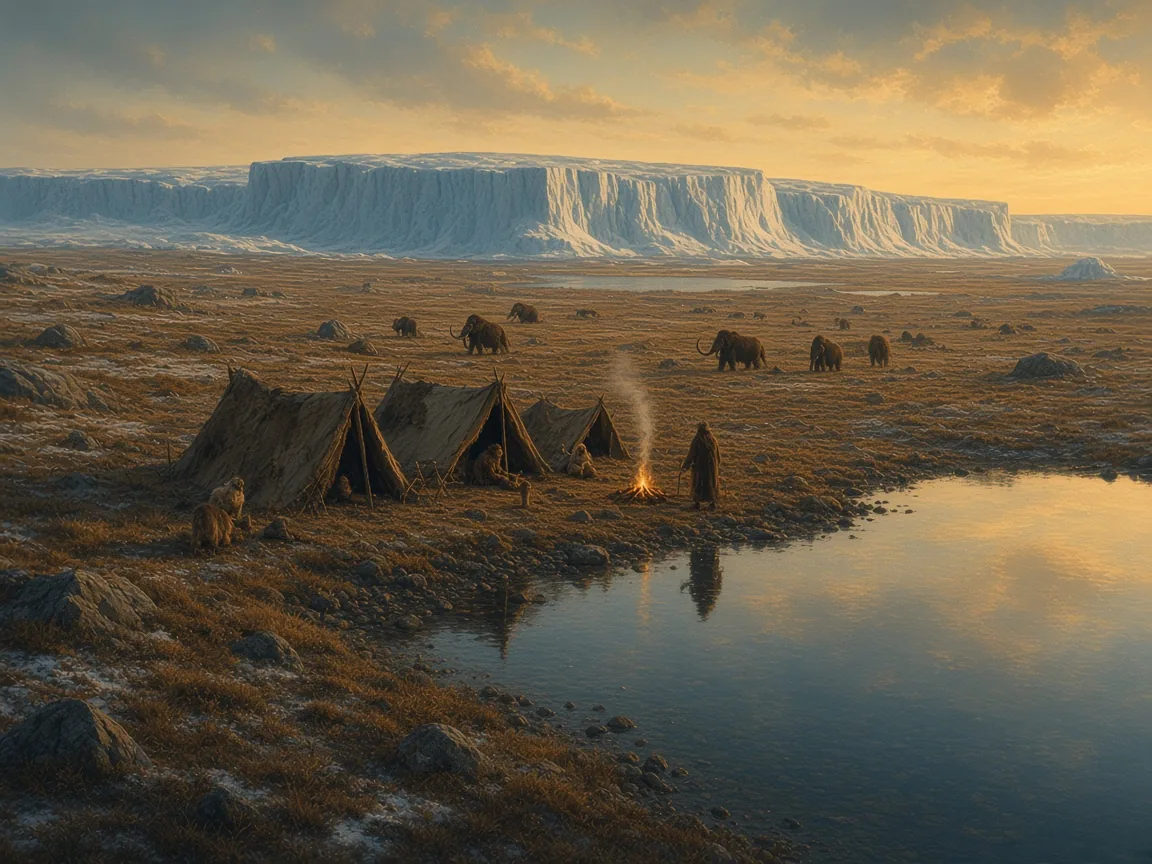
The earliest peopling of the Americas.
Explore this period
Overview
Argentina Buenos Aires 10000BP describes a late Pleistocene/early Holocene archaeological interval in the Buenos Aires region. It is associated with hunter-gatherer lifeways and stone-tool technologies used to manage subsistence in changing landscapes.
Region & Environment
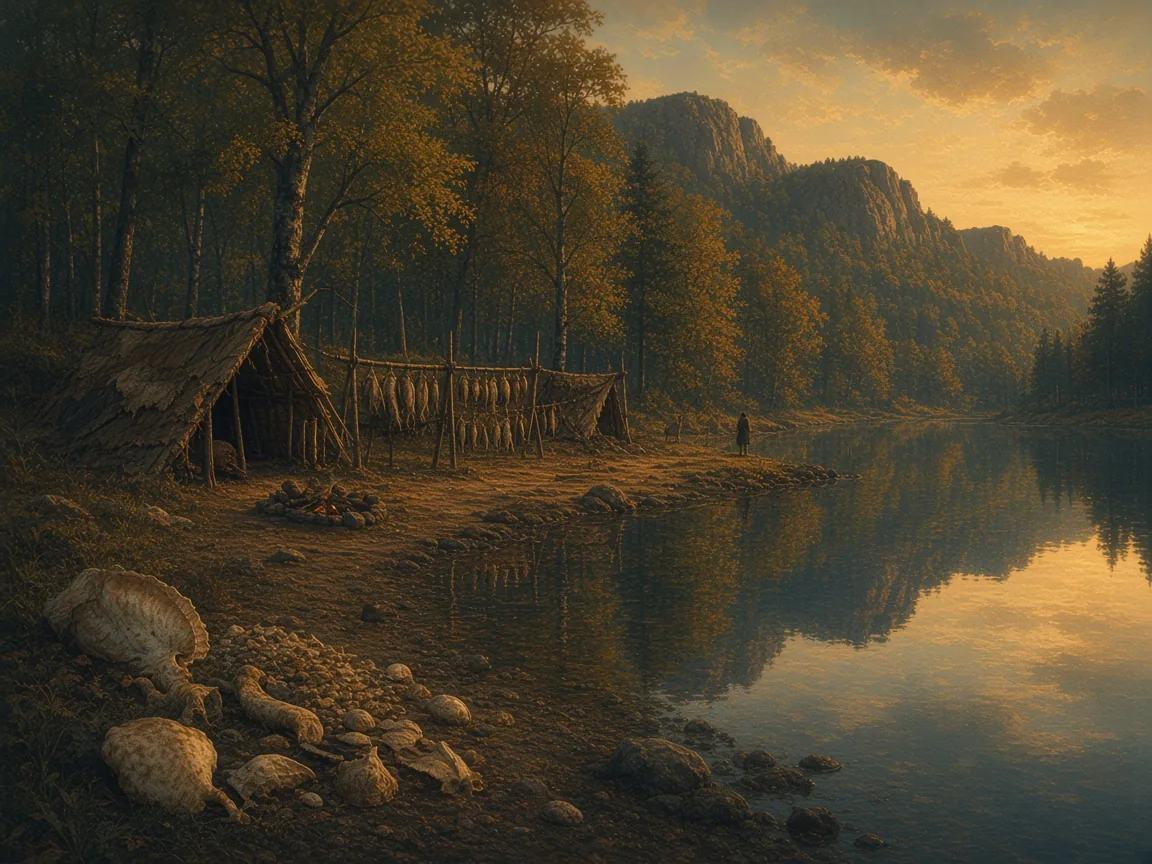
The Buenos Aires area lies on the southeastern South American plains and coastal margins, where ecosystems varied as climates warmed after the late Pleistocene. Environmental conditions would have influenced the distribution of fauna and the availability of plant resources, shaping where people could forage most effectively. As the Holocene began, resource patterns likely shifted, encouraging flexible mobility.
Historical Context
This timeframe falls within the broad Holocene transition, when many regions of South America experienced ecological change. In the Buenos Aires area, archaeological deposits dated to roughly this interval document how local populations responded to changing conditions through technology and movement rather than through settled agricultural systems.
Populations & Lifeways
The people of this interval were hunter-gatherers. Their subsistence likely relied on hunting and the gathering of available wild foods, with seasonal movements helping to exploit shifting opportunities. Organization of camps and routes would have been shaped by water sources, animal behavior, and the locations of workable stone.
Archaeology & Material Culture
Material culture is dominated by lithic artifacts, reflecting repeated knapping and tool use. Such assemblages can include flaked stone tools suited for cutting, scraping, and processing tasks tied to hunting and food preparation. The presence and variation of tool types and raw materials can help track mobility, task specialization, and how groups maintained reliable technology across changing environments.
Culture & Society
Cultural practices are inferred from recurring patterns in stone-tool production and from how artifacts cluster within sites. Similarities across assemblages may indicate shared technical traditions or contact among groups moving through comparable landscapes. Differences can reflect locally adjusted strategies—particularly important during periods of environmental reorganization.
Legacy & Transition
The Buenos Aires 10000BP interval is part of the long record leading from late Pleistocene conditions into the Holocene. It shows how hunter-gatherer groups sustained lifeways through climatic shifts, forming a foundation for later prehistoric developments in the region as local ecologies continued to stabilize.