Your Genetic Story - Ancient Central Europe

Download PDF creates a visual, rasterized copy. Use Print for selectable text and better assistive-technology support.

Ancient Central Europe

Your Genetic Story

Analyzing your genetic similarity to ancient Central European reference samples...

Preparing your genetic-similarity report

Ancient Central Europe

Your Genetic Story Through Time

A chronological reading of your similarity to ancient reference populations of Central Europe, from the earliest period to the most recent.

(SSUAJF) Demo Report Generated Oct 9, 2026

Central Europe sits where farming, Corded Ware, Beaker, and later Roman and medieval worlds overlapped.

Ancient Central Europe

Your similarity, chapter by chapter

Your strongest regional connections fall within early foundations.

Central Europe sits where farming, Corded Ware, Beaker, and later Roman and medieval worlds overlapped.

Ancient Central Europe

Your Story at a Glance

7 chapters, from the earliest period to the most recent, showing how your similarity maps onto the history of Central Europe.

  1. 1 Mesolithic 10,000 BCE to 5,500 BCE
  2. 2 Neolithic 5,500 BCE to 4,500 BCE
  3. 3 Copper Age 4,500 BCE to 2,200 BCE
  4. 4 Bronze Age 2,200 BCE to 800 BCE
  5. 5 Iron Age 800 BCE to 50 BCE
  6. 6 Roman Period 50 BCE to 500 CE
  7. 7 Medieval 500 CE to 1,500 CE
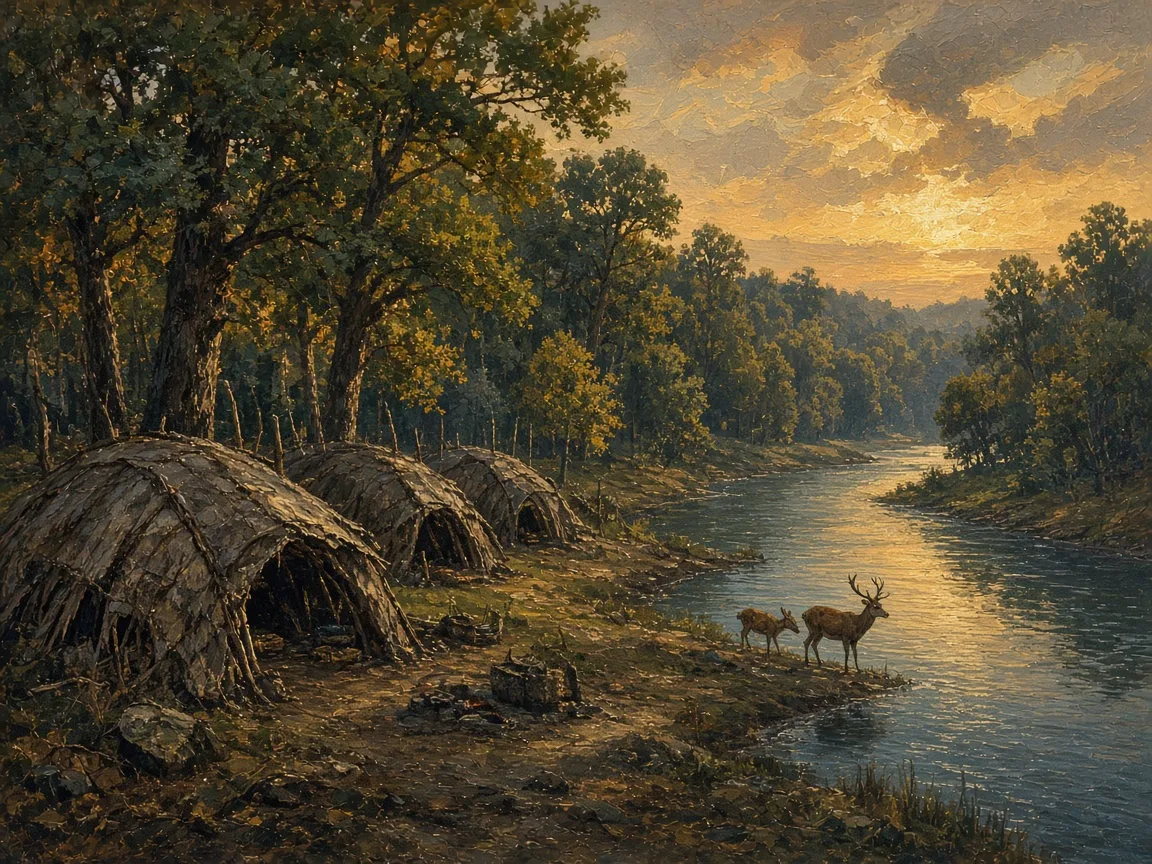
Illustration of Mesolithic landscape
Chapter 1

Mesolithic

10,000 BCE to 5,500 BCE

Post-glacial hunter-gatherer communities.

Explore this period

Region & Environment

Mesolithic Austria lay within a temperate Central European landscape shaped by post-glacial climatic recovery. Rivers, forests, and varied upland and lowland environments offered different seasonal opportunities for wild plant gathering and hunting, supporting flexible subsistence strategies.

Historical Context

Between roughly 9000 and 5500 BCE, communities in the Danube corridor and surrounding regions experienced long-term environmental change following the end of the last Ice Age. In the same broad era, farming lifeways were emerging or spreading in parts of Central Europe, but Mesolithic groups in Austria are generally understood to have remained oriented toward foraging and hunting rather than adopting agriculture uniformly.

Populations & Lifeways

The population pattern is typically reconstructed as small, mobile groups moving through productive hunting and gathering zones. Lifeways centered on seasonal schedules—exploiting fish and water resources in appropriate periods and shifting to terrestrial game and plant foods at other times—while maintaining relatively low, household-scale resource use.

Archaeology & Material Culture

Archaeological visibility is strongest in tool traditions and site traces rather than large monumental architecture. Stone artifacts (especially struck flint/stone implements) are key evidence, reflecting technology designed for tasks such as cutting, scraping, and preparing hides and plant foods. Site evidence commonly includes short-lived activity areas and concentrations of debitage associated with maintenance and production of lithic tools.

Culture & Society

Cultural organization is best inferred indirectly from repeated patterns in artifact styles and settlement practices. Mesolithic social life likely emphasized cooperation within kin-based groups, with mobility requiring shared knowledge of landscapes, routes, and seasonal resources.

Legacy & Transition

As the Mesolithic period ended, regions of Central Europe increasingly came under the influence of Early Neolithic farming systems. The transition in Austria is best described at the landscape level: foraging lifeways did not disappear everywhere at once, but over time were transformed through contact, demographic change, and shifting economic practices.

What your data actually shows

31/100 period similarity Strongest period
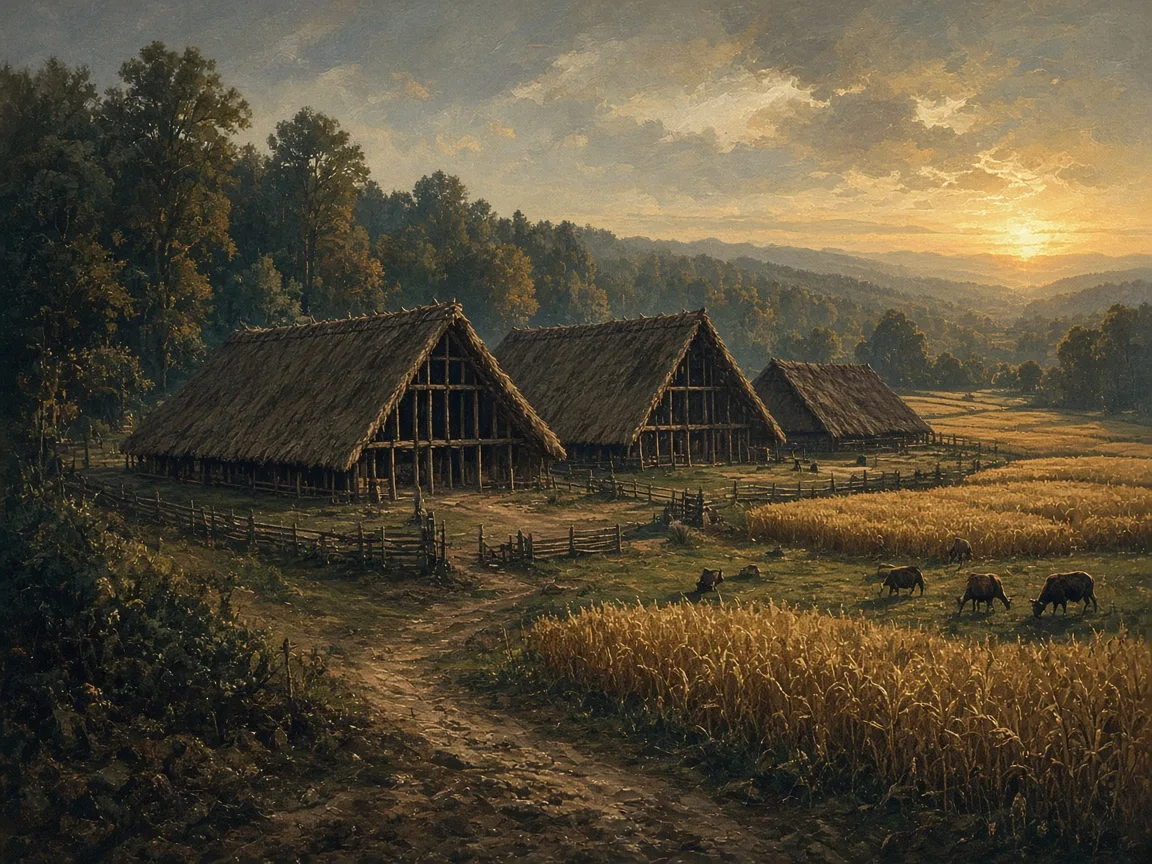
Illustration of Neolithic landscape
Chapter 2

Neolithic

5,500 BCE to 4,500 BCE

Linear Pottery and later farming societies.

Explore this period

The Early Neolithic Linear Pottery Culture (Linearbandkeramik or LBK) marks a significant era in the prehistory of Central Europe, dating from approximately 5500 to 4500 BCE. This culture is particularly noted for its early agriculture, sedentary lifestyle, and distinct ceramic styles. One prominent archaeological site that offers insights into the LBK culture is Asparn-Schletz in Austria. This site, like others belonging to the LBK culture, reveals much about the lifestyle, social structure, and technological advancements of these early European farmers.

Geography and Environment

Asparn-Schletz is situated in the northeastern part of Austria, in a region characterized by fertile loess soils that were ideal for early agricultural practices. The landscape during the Neolithic would have been a mosaic of forest and open areas, providing a rich environment for both farming and hunting. This setting enabled the LBK people to successfully cultivate a variety of crops and raise domesticated animals.

Settlement Patterns

The settlement at Asparn-Schletz is typical of LBK communities, which often consisted of small villages with longhouses. These longhouses were substantial rectangular structures constructed from timber and thatched roofs, providing housing for extended families. The layout of these villages suggests a degree of planning and social organization, with buildings often oriented northeast-southwest, possibly reflecting socio-cultural or environmental considerations.

Economy and Subsistence

The economy of the LBK culture was primarily agrarian, with an emphasis on mixed farming. Archaeological evidence from Asparn-Schletz indicates that the inhabitants cultivated a range of crops, including emmer wheat, einkorn wheat, barley, peas, and flax. These early farmers also domesticated animals such as cattle, pigs, sheep, and goats, which played a central role in their subsistence strategy. The mixture of crop and animal husbandry allowed for a relatively stable and sustainable food supply.

Hunting and gathering likely supplemented the Neolithic diet, with evidence of deer and wild boar hunting, as well as the collection of wild fruits, nuts, and berries. This combination of agriculture and foraging demonstrates a versatile adaptation to the environment.

Material Culture and Technology

The LBK culture is renowned for its distinctive pottery, characterized by simple shapes and linear decorations that give the culture its name. The ceramics typically featured incised or stamped geometric patterns, often using white or red inlays to highlight the designs. These vessels were not only functional but also held cultural significance, possibly used in social and ritual contexts.

In addition to pottery, the LBK people developed polished stone tools, including axes and adzes, which were vital for both agriculture and construction. The use of bone and antler tools was also prevalent, indicating a wide range of domestic and craft activities.

Social and Ritual Life

The social organization of LBK communities is inferred from the spatial distribution of settlements and burials. Evidence from Asparn-Schletz and other sites suggests a relatively egalitarian society, although differences in grave goods indicate some social stratification. The presence of communal structures and shared resources points to a tightly knit community life.

LBK culture also had a strong spiritual component, as evidenced by figurines and burial practices. Burials were often accompanied by grave goods, such as pottery, tools, and ornaments, indicating beliefs in an afterlife and the importance of social status. Ritual practices likely played a significant role in community cohesion and identity.

Challenges and Conflicts

Toward the later phases of the LBK culture, there is evidence of increased conflict and violence. At Asparn-Schletz, archaeological findings such as mass graves and fortification ditches suggest episodes of warfare or raiding. These conflicts may have been driven by competition for resources, social tensions, or interactions with neighboring groups.

Legacy

The Linear Pottery Culture laid the foundations for subsequent Neolithic cultures in Europe, contributing to the spread of agriculture, technological innovations, and socio-cultural developments. The Asparn-Schletz site, with its well-preserved remains, continues to provide invaluable insights into the lifeways of some of Europe's earliest farmers and their lasting impact on the region’s prehistoric landscape.

What your data actually shows

14/100 period similarity
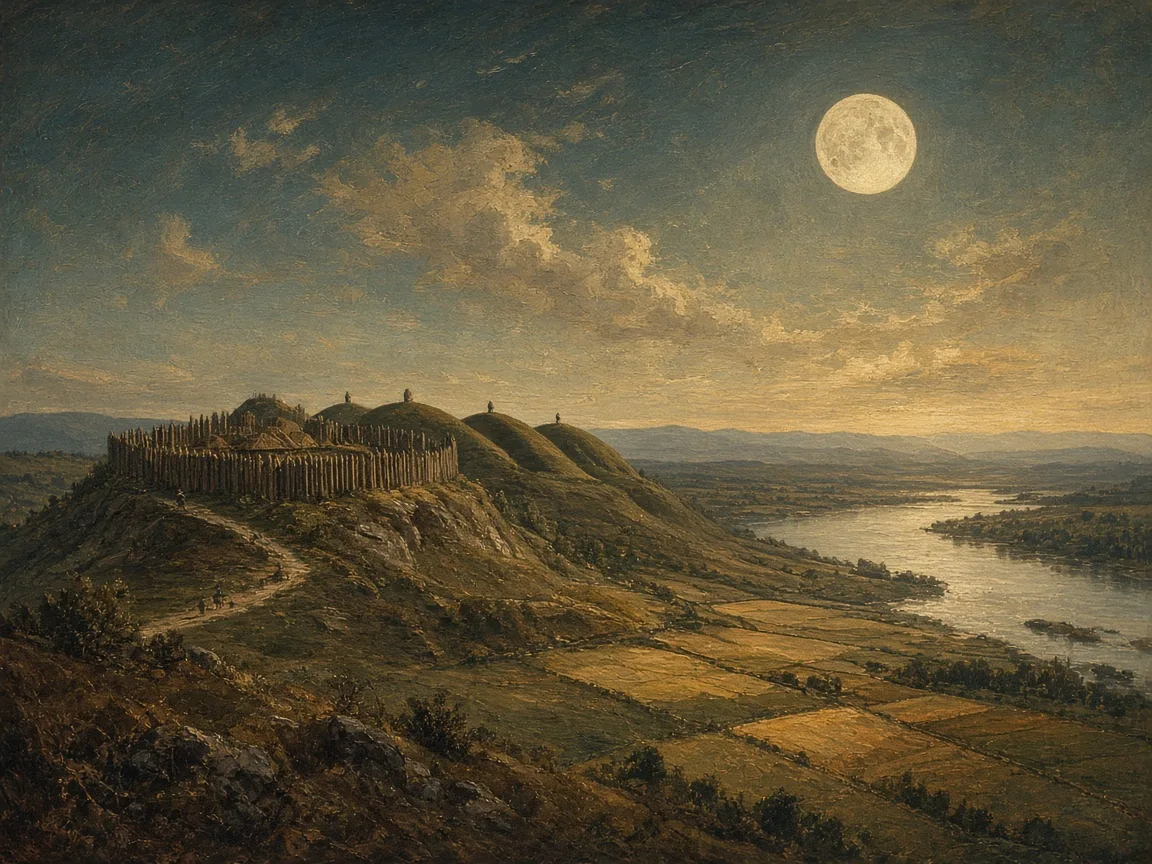
Illustration of Copper Age landscape
Chapter 3

Copper Age

4,500 BCE to 2,200 BCE

Corded Ware and Bell Beaker communities.

What your data actually shows

2/100 period similarity
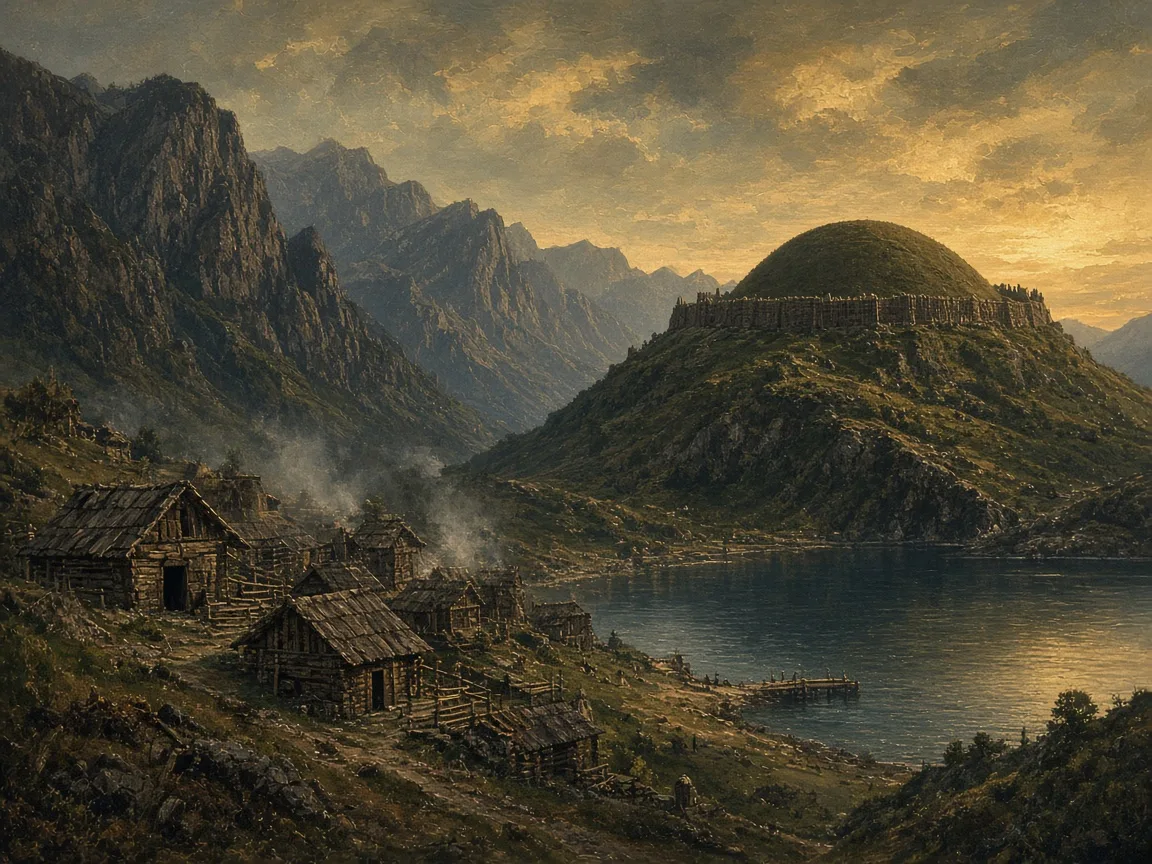
Illustration of Bronze Age landscape
Chapter 4

Bronze Age

2,200 BCE to 800 BCE

Unetice and Urnfield societies.

Explore this period

The Veterov Culture is a distinct archaeological culture that emerged during the Bronze Age, specifically within the Central European context. It is a component of the broader Unetice culture horizon and is primarily concentrated in the area that today encompasses parts of the Czech Republic and Slovakia. This particular culture is part of the Early Bronze Age, generally dated to approximately 2000-1800 BCE, though some variations in time frames exist depending on specific regional influences and academic interpretations.

Archaeological Context

The Veterov Culture is characterized by its settlements, burial practices, and material culture, which collectively provide insights into the social and economic structures of this period. The culture is most notably identified by its distinct pottery styles, metalwork, and settlement patterns.

Settlements and Architecture

Veterov culture communities typically settled in fortified or easily defensible locations, which were often situated on elevated areas such as hilltops or promontories. The settlements were usually small, consisting of a few dwellings organized around communal areas, suggesting a small-scale, kinship-based social structure. Houses were primarily built with wooden posts, wattle-and-daub walls, and thatched roofs, reflecting typical construction methods of the era.

Burial Practices

Funerary practices of the Veterov Culture display variations from inhumation to cremation, indicating diverse beliefs and rituals surrounding death and the afterlife. Burial mounds, or tumuli, are commonly associated with this culture, serving as prominent markers within the landscape. Grave goods often accompany burials, including pottery, metal ornaments, weapons, and tools, which provide clues about the social status and identities of individuals.

Material Culture

The material culture of the Veterov Culture is notable for its metallurgy, particularly the production of bronze tools and ornaments. The advanced metallurgical techniques employed demonstrate significant technological development during this period.

Pottery

Pottery produced by this culture is characterized by specific forms and decorative styles. Common types include bowls, cups, and storage vessels, often adorned with geometric patterns incised or impressed into the surface. The pottery reflects both functional and symbolic aspects and is crucial for the chronological categorization of the culture.

Metallurgy

Bronze, an alloy of copper and tin, became a major material used in tools, weapons, and personal adornment in the Veterov Culture. Artifacts such as axes, daggers, and spearheads, along with intricate jewelry like bracelets and pendants, highlight the sophisticated craftsmanship of the period. The ability to produce and control metal resources likely played a crucial role in the socio-economic structure, potentially influencing trade and interactions with neighboring cultures.

Economy and Trade

The economy of the Veterov Culture was primarily agrarian, supplemented by hunting, fishing, and gathering. Evidence suggests a mixed farming system with the cultivation of cereals and the raising of livestock such as cattle, sheep, and pigs. The strategic location of settlements facilitated trade and cultural exchange with neighboring groups, contributing to the diffusion of technologies and ideas.

Trade networks likely extended beyond immediate neighbors, facilitating the exchange of raw materials such as tin and copper essential for bronze production. This cultural exchange is further evidenced by the similarities in material culture and burial practices observed in adjacent regions.

Sociopolitical Structure

While detailed records of the sociopolitical structure of the Veterov Culture are limited, archaeological evidence suggests a decentralized organization. The presence of fortified settlements and differences in burial goods imply a society with some hierarchical elements, where individuals or groups may have held elevated status due to wealth or warrior prowess.

Cultural Legacy

The Veterov Culture is an integral part of the cradle of European technological development during the Bronze Age. It highlights a period of significant transition and innovation, setting the stage for subsequent cultural evolutions in Central Europe. The interplay between indigenous traditions and external influences facilitated the development of more complex societies, forming a bridge to the later stages of European prehistory.

In summary, the Veterov Culture reflects a vibrant and dynamic society in Central Europe’s Early Bronze Age. Its legacy is captured through its intricate craftsmanship, distinctive burial practices, and robust material culture, all contributing to our understanding of prehistoric human societies.

What your data actually shows

9/100 period similarity
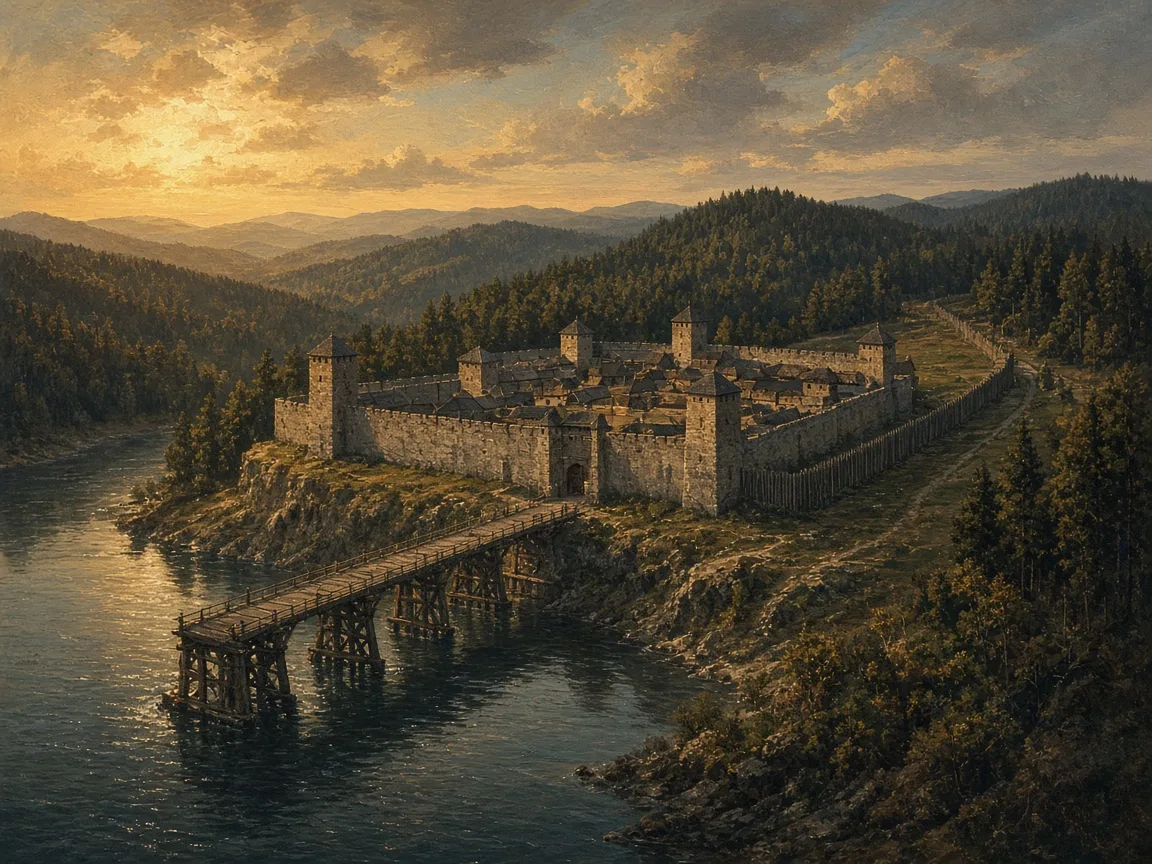
Illustration of Iron Age landscape
Chapter 5

Iron Age

800 BCE to 50 BCE

Hallstatt and La Tene populations.

Explore this period

The Iron Age Czech Republic during roughly 800–50 BCE belongs to broader Central European developments commonly grouped under the Hallstatt–La Tène sequence. As iron technology spread, communities organized around agriculture and craft production, and they expressed identity through patterned artifact styles and mortuary customs.

While the Czech lands were not a single state, the archaeological record indicates participation in wider interaction spheres. Material culture—especially metal items—helps archaeologists trace continuity and change over time.

Region & Environment

The region’s river systems and varied terrain supported farming, pasture, and mobility. Seasonal resource use and travel corridors would have influenced where people settled and how they moved between inland areas and broader regional routes.

Historical Context

From about 800 BCE onward, the Iron Age in Central Europe is characterized by evolving production and exchange networks. In the Czech Republic, the Hallstatt–La Tène complex provides the main chronological and cultural framework for understanding these shifts.

Populations & Lifeways

Populations were primarily rural agriculturists and herders, supplemented by craft work and access to metal resources through exchange. Iron tools and related technologies would have supported plowing, woodworking, and everyday tasks, while specialist production and trade likely became more significant in some areas.

Archaeology & Material Culture

Archaeological visibility often comes from cemeteries and the material deposited with burials, as well as from settlement remains and craft debris where preserved. Hallstatt–La Tène-associated assemblages commonly include distinctive metalwork and ceramics, reflecting changing styles and manufacturing practices through time.

Culture & Society

Iron Age communities expressed social affiliations through mortuary practice and through the use of object styles that signaled shared cultural belonging. Differences in grave contents can indicate unequal access to valued goods, roles within communities, or household status.

Legacy & Transition

The Iron Age horizon in the Czech lands set the framework for later transformations as wider Mediterranean and Roman-era influences increasingly affected Central Europe. By the late Iron Age, shifts in material culture and exchange patterns reflect a changing historical context leading into subsequent periods.

What your data actually shows

3/100 period similarity
Illustration of Roman Period landscape
Chapter 6

Roman Period

50 BCE to 500 CE

Provincial communities of the Roman frontier.

Explore this period

Region & Environment

Ovilava in Roman-period Austria lay within the Danube region, a corridor connecting Central Europe to broader Mediterranean networks. The landscape included riverine trade routes, arable areas, and varied local environments that supported settlement and transport. Roman presence intensified the importance of movement along land and water routes.

Historical Context

The date range corresponds to the Roman occupation and administration of parts of the Danubian provinces, followed by the broader weakening of Roman control in late antiquity. Provincial towns like Ovilava participated in systems of taxation, governance, and economic exchange. While local histories are uneven in the archaeological record, the Roman period is anchored by material culture and settlement evidence.

Populations & Lifeways

Populations in a Roman provincial center typically included a mixture of locally rooted communities and people integrated into Roman administration, commerce, and military systems. Daily life would have involved markets, crafts, domestic routines, and participation in regional networks. Social distinctions were often reflected in building types, imported goods, and the distribution of wealth, though these patterns vary by settlement area.

Archaeology & Material Culture

Roman-period Ovilava is expected to show material signatures common to provincial urban or semi-urban life: building remains, ceramics, coins, and other everyday artifacts. Imported goods and locally produced imitations can indicate how residents engaged with wider economic circuits. Such finds help reconstruct infrastructure, consumption habits, and connections to imperial supply systems.

Culture & Society

Roman provincial culture involved the adoption of certain urban practices and technologies, alongside local continuities. Public and private spaces, religious practices, and craft traditions may show blended forms visible in artifact assemblages and architectural features. Without detailed site-specific publication for this particular entry, broader conclusions should stay at the level of typical Roman provincial patterns.

Legacy & Transition

Ovilava’s Roman-period occupation forms part of the long regional transition from Roman administration to post-Roman political change in late antiquity. Material remnants from Roman layers provide a baseline for identifying later shifts in building practices, artifact traditions, and regional economic rhythms. The archaeological record thus helps connect Roman provincial life to subsequent developments in Central Europe.

What your data actually shows

14/100 period similarity
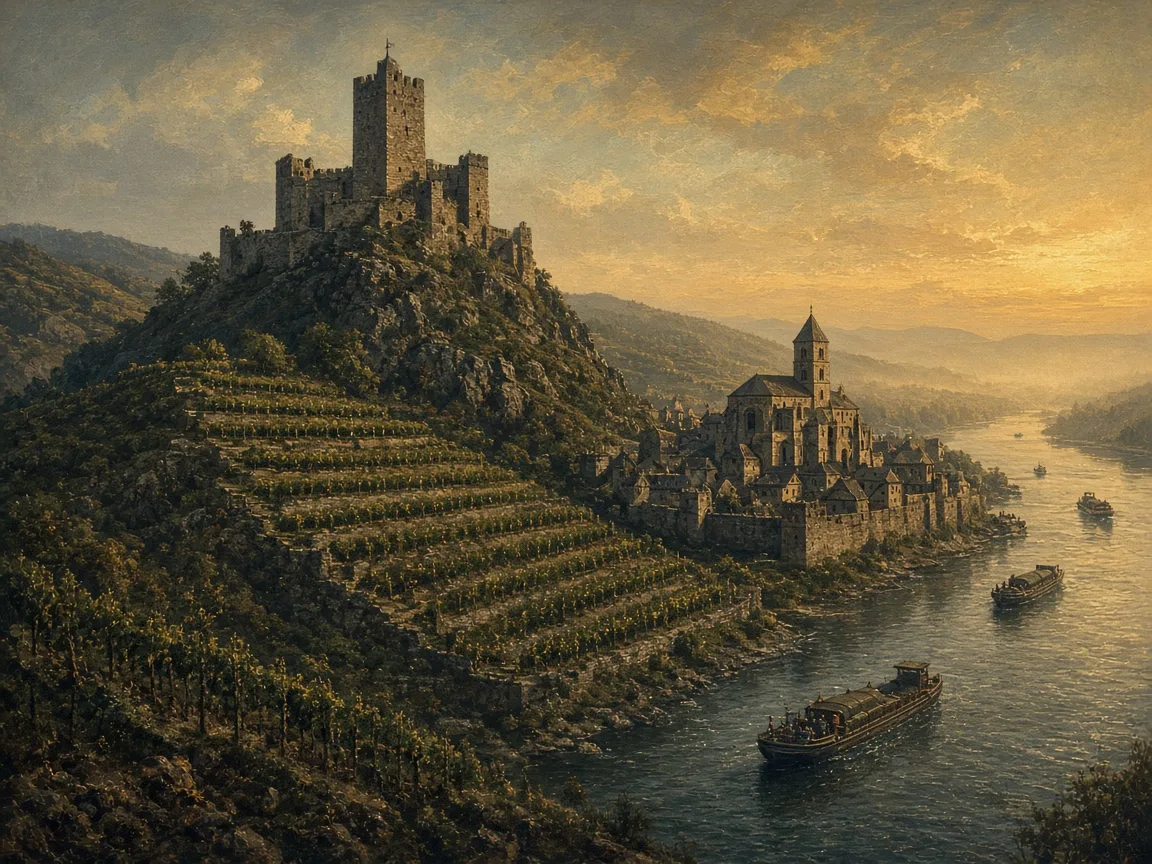
Illustration of Medieval landscape
Chapter 7

Medieval

500 CE to 1,500 CE

Medieval Central European communities.

Explore this period

The medieval period in Austrian history, spanning from roughly the 5th century to the 15th century, is a rich and complex era characterized by significant cultural, political, and economic developments. During this time, Austria was a part of the Holy Roman Empire and was influenced by various regional powers and cultural movements. Here's a detailed exploration of medieval Austrian culture, covering key aspects of the era:

Historical Context

Formation and Early Stages (5th–10th Century):

  • The early medieval period in Austria saw the decline of Roman authority and the migration of Germanic tribes, such as the Bavarians and Alemanni, into the region.
  • Around the 8th century, the expansion of the Carolingian Empire under Charlemagne brought Christianity and feudal structures to Austria.
  • The East March (Ostmark) was established as a frontier region to defend against invasions from the Avars and later, the Magyars.

The Babenberg Dynasty (976–1246):

  • The Babenberg dynasty was crucial in developing Austria as a distinct territory. They ruled as margraves and later dukes, fostering cultural and political ties with other European powers.
  • The 12th and 13th centuries saw increased trade and urban development, alongside the expansion of monastic institutions.

Rise of the Habsburgs (Late 13th Century–15th Century):

  • The Habsburg family rose to prominence in Austria after Rudolph of Habsburg was elected as King of the Romans in 1273.
  • Their acquisition of the duchy of Austria in the late 13th century laid the groundwork for their future dominance.

Cultural and Social Life

Religion and Monastic Life:

  • Christianity played a central role in shaping medieval Austrian culture, with the Catholic Church exerting significant influence.
  • Monasteries were centers of learning and agricultural innovation, playing a crucial role in preserving classical texts and promoting education.
  • Notable examples include the monastic communities at Melk and Klosterneuburg.

Architecture and Art:

  • Romanesque and Gothic styles dominated architecture, with churches, cathedrals, and castles reflecting these aesthetic trends.
  • The Gothic Stephansdom in Vienna is a prime example of the era's architectural grandeur.
  • Art was primarily religious, including frescoes, altar pieces, and illuminated manuscripts. The development of the Vienna School of miniaturists marked an important cultural milestone.

Literature and Language:

  • Latin was the language of the Church and scholarship, but vernacular languages began to emerge, such as Middle High German.
  • The Nibelungenlied, an epic poem, illustrates the literary culture of the time, blending Germanic traditions with Christian elements.
  • Minnesang, a tradition of courtly love poetry, flourished, with notable poets like Walther von der Vogelweide.

Political and Economic Structures

Feudal System:

  • Society was structured around feudalism, with a hierarchy of lords, vassals, and serfs bound by obligations of service and protection.
  • Noble families held considerable power and influence, with land ownership being a primary source of wealth and status.

Trade and Economy:

  • The expansion of trade routes through the Alps facilitated economic growth. Towns and cities like Vienna began to flourish as centers of commerce.
  • The Danube River was a vital trade artery, connecting Austria with Eastern Europe and the Black Sea.
  • Silver mining, particularly in regions like Tyrol, contributed to economic development.

Daily Life and Society

Rural and Urban Living:

  • The majority of the population lived in rural areas, working in agriculture and livestock breeding.
  • Towns and cities grew in importance, featuring marketplaces, guilds, and vibrant community life.

Diet and Cuisine:

  • The medieval Austrian diet was heavily based on grains, such as barley and oats, alongside vegetables, fruits, and occasionally meat or fish.
  • Bread, porridge, and soups were staples, while beer and wine were common beverages.

Festivals and Traditions:

  • Religious festivals and feast days were integral to community life, often involving processions, fairs, and communal feasts.
  • Folk traditions and regional customs were preserved through oral storytelling and local celebrations.

Overall, medieval Austrian culture represented a dynamic interplay of religious, artistic, and political influences, setting the stage for Austria's future as a central player in European affairs.

What your data actually shows

23/100 period similarity

What this means

Your results show similarity to reference populations across several periods of Central Europe's past, with the strongest similarity in the Mesolithic period. This pattern reflects how later populations mixed with and partly replaced earlier ones. It describes statistical similarity between your DNA and ancient reference samples from each period, not a record of your personal ancestors or family tree, and as with all genetic research there is still much we do not know.

Explore the individuals
  • ContinuitySimilarity that persists across periods
  • MigrationLayers added by new arrivals
  • UncertaintyReference panels keep evolving
Use code for 35% off • Expires Oct 12