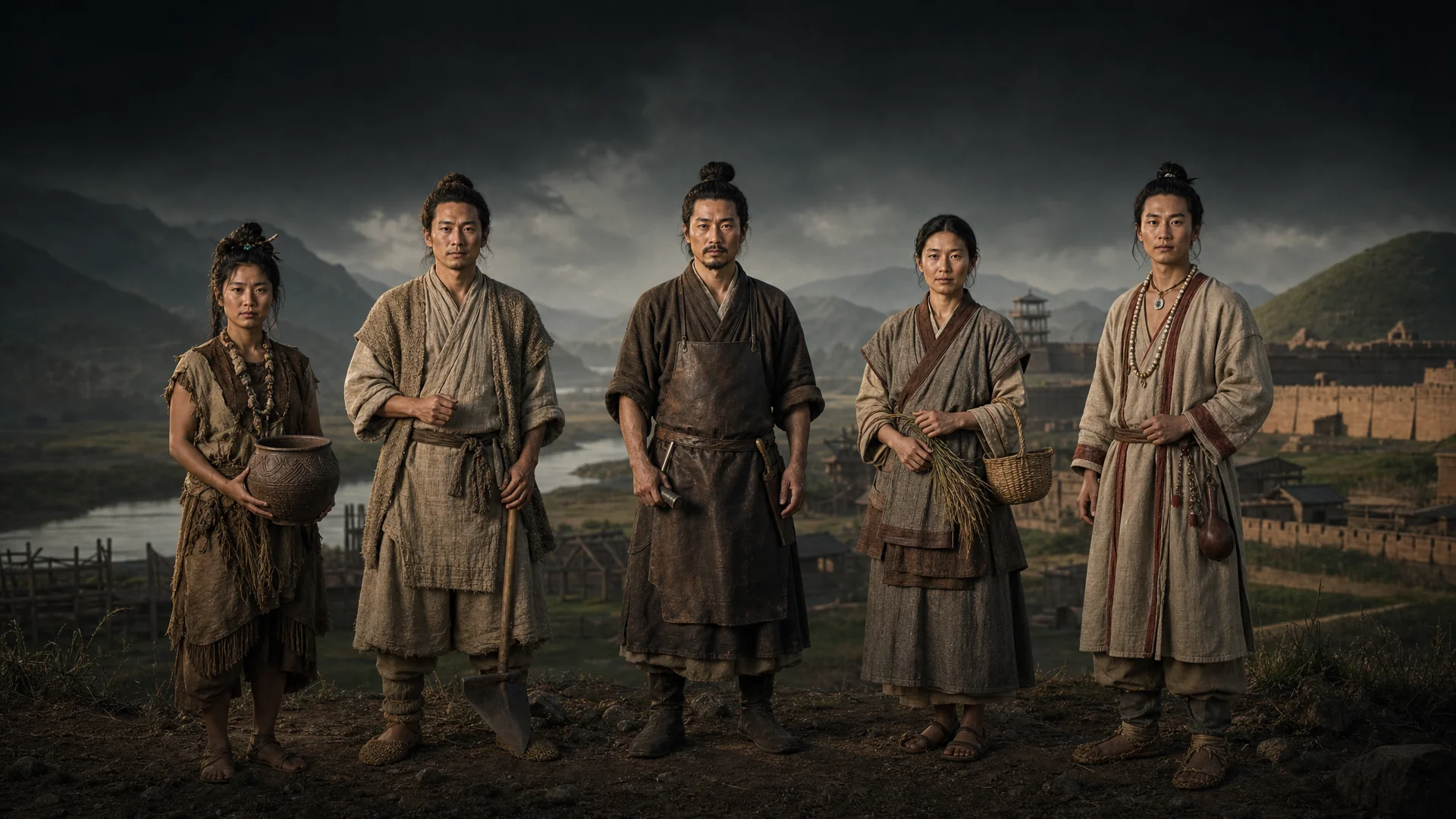
Your Genetic Story - Ancient East Asia

Download PDF creates a visual, rasterized copy. Use Print for selectable text and better assistive-technology support.

Ancient East Asia

Your Genetic Story

Analyzing your genetic similarity to ancient East Asian reference samples...

Preparing your genetic-similarity report

Ancient East Asia

Your Genetic Story Through Time

A chronological reading of your similarity to ancient reference populations of East Asia, from the earliest period to the most recent.

(AEDOHA) East Asia Generated Oct 9, 2026

East Asia's population history connects ancient foragers, early farmers, maritime communities, and imperial societies.

Ancient East Asia

Your similarity, chapter by chapter

Your strongest regional connections fall within formative transformations.

East Asia's population history connects ancient foragers, early farmers, maritime communities, and imperial societies.

Ancient East Asia

Your Story at a Glance

8 chapters, from the earliest period to the most recent, showing how your similarity maps onto the history of East Asia.

  1. 1 Paleolithic 40,000 BCE to 12,000 BCE
  2. 2 Jomon 14,000 BCE to 300 BCE
  3. 3 Neolithic 8,000 BCE to 2,000 BCE
  4. 4 Steppe 3,000 BCE to 1,500 CE
  5. 5 Bronze Age 2,000 BCE to 500 BCE
  6. 6 Iron Age 500 BCE to 200 CE
  7. 7 Imperial 200 CE to 900 CE
  8. 8 Medieval 900 CE to 1,500 CE
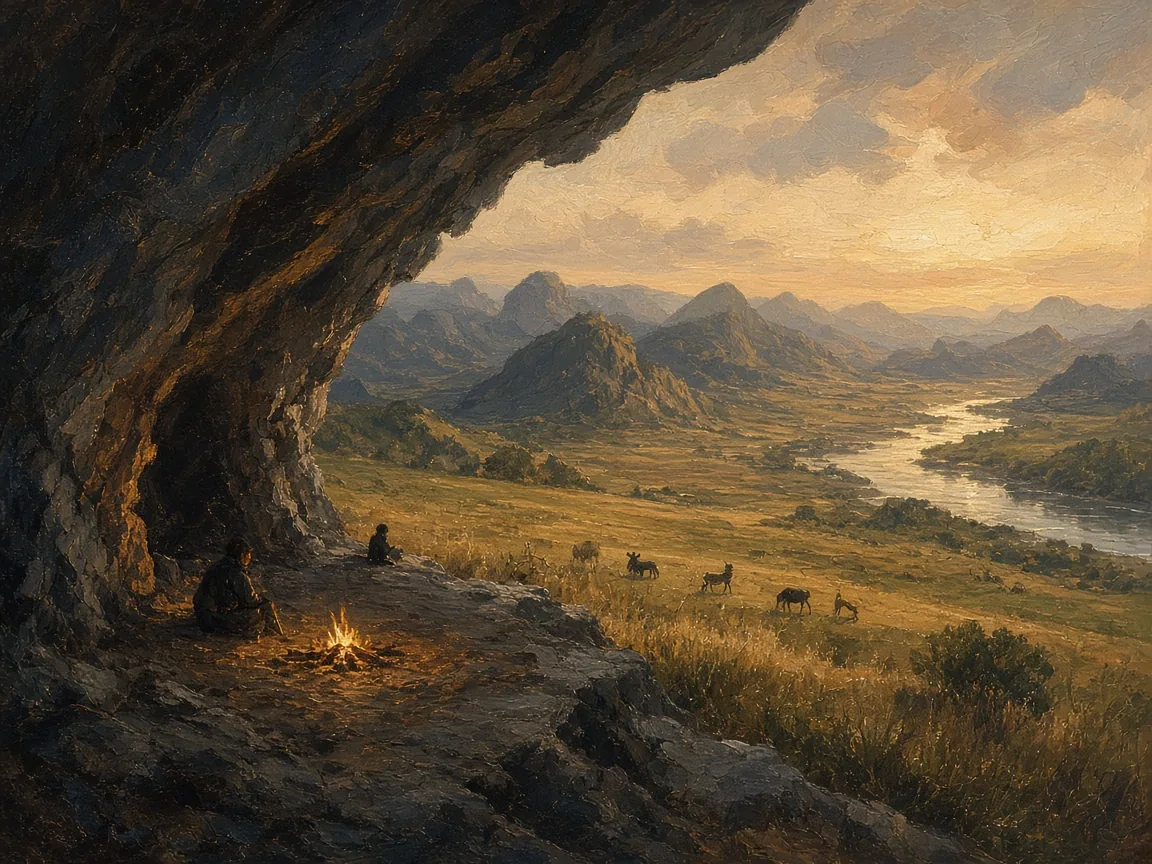
Illustration of Paleolithic landscape
Chapter 1

Paleolithic

40,000 BCE to 12,000 BCE

Paleolithic populations of East Asia.

Explore this period

Region & Environment

Late Paleolithic China spans a wide geographic area with environments shaped by Late Pleistocene climatic fluctuations. Cold and steppe-like conditions in some periods would have influenced the distribution of plants and animals, as well as the availability of freshwater and habitable landscapes.

River valleys and coastal or near-coastal zones could offer more predictable resources, while higher or more marginal zones would have required greater mobility. Overall, changing climates likely drove shifts in where groups lived and how they timed seasonal movement.

Historical Context

From roughly 40,000 to 10,000 BCE, hunter-gatherer groups in East Asia navigated dynamic ecological conditions. Archaeological sequences show that tool industries and site use changed over time, reflecting responses to resource availability and demographic or social networks.

Rather than fixed “cultures” with clear boundaries, the Late Paleolithic is best understood through evolving technological traditions and patterns of occupation.

Populations & Lifeways

Late Paleolithic populations lived primarily by hunting and gathering, moving across landscapes as seasonal conditions changed. Portable technologies—especially worked stone tools—supported tasks such as butchery, hide processing, and plant processing.

Settlement evidence often suggests repeated or seasonal occupations rather than permanent villages, though some localities show longer or repeated use. Social learning and regional interaction can be inferred from similarities in stone-tool approaches across distances, but direct evidence for group identities remains limited.
What your data actually shows

16/100 period similarity
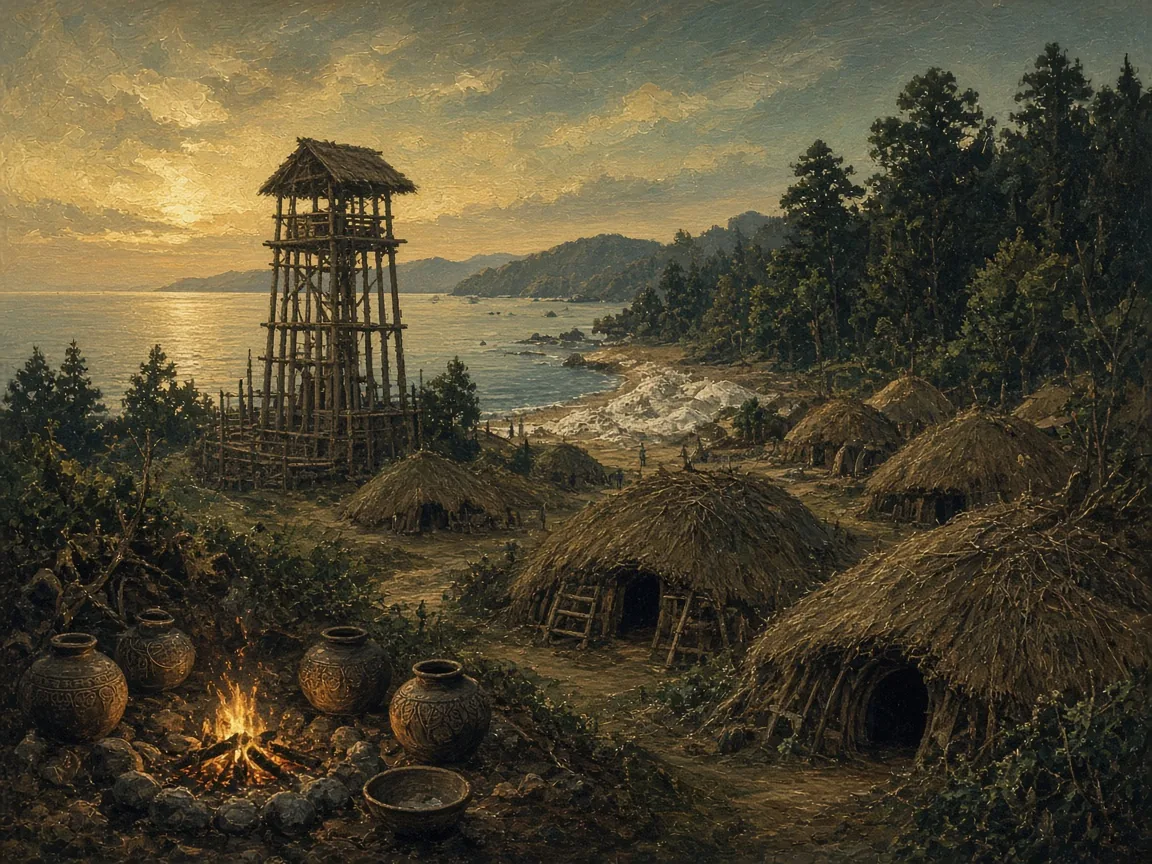
Illustration of Jomon landscape
Chapter 2

Jomon

14,000 BCE to 300 BCE

Jomon hunter-fisher communities of Japan.

Explore this period

The Jomon Period is one of the most fascinating epochs in the prehistoric era of Japan and is characterized by a unique combination of cultural, technological, and environmental developments. Spanning from approximately 14,000 BCE to 300 BCE, the Jomon Period is named after the intricate cord-marked or \jomon" patterns found on the pottery of the time, marking one of the earliest instances of pottery production in the world.

Chronological Overview

  1. Incipient Jomon (ca. 14,000–8000 BCE):

    • Environmental Context: The end of the last Ice Age brought significant climatic changes to the Japanese archipelago, leading to more temperate and stable environmental conditions suitable for plant and animal life.
    • Lifestyle: Communities lived primarily as hunter-gatherers with a reliance on fishing, exploiting the rich marine resources along the coasts, rivers, and lakes.
  2. Initial Jomon (ca. 8000–5000 BCE):

    • Technological Advancements: The development of pottery for storage and cooking becomes more common. Early Jomon pottery features simple designs but indicates a deep understanding of material properties and firing techniques.
  3. Early Jomon (ca. 5000–2500 BCE):

    • Social Developments: As settlements grew in size, there is evidence of increased social organization. Settlements typically formed near water sources and abundant food supplies.
    • Pottery: Pottery becomes more decorative and intricate, with characteristic cord-marking patterns. The shapes varied from deep bowls to shallow vessels, indicating diversified usage.
  4. Middle Jomon (ca. 2500–1500 BCE):

    • Population Growth: There is a peak in population density, suggesting a more sedentary lifestyle with semi-permanent villages.
    • Cultural Artifacts: The period witnesses an explosion in artistic expression, including elaborately decorated pottery and clay figurines known as "dogu," believed to have ritual or religious significance.
  5. Late Jomon (ca. 1500–1000 BCE):

    • Environmental Challenges: A slight cooling of the climate may have led to changes in vegetation and the availability of certain animal species, causing shifts in settlement patterns and resource procurement strategies.
    • Innovations and Trade: Increased interaction with neighboring regions, particularly with cultures on the Korean Peninsula, leads to cultural exchanges and technological innovations such as improved fishing tools and techniques.
  6. Final Jomon (ca. 1000–300 BCE):

    • Transition Phase: The transition towards more agriculture-based communities begins, setting the stage for the subsequent Yayoi period.
    • Cultural Continuity: Despite external influences, Jomon culture maintains continuity and influences the developing cultural landscape of the Yayoi period.

Cultural Aspects

  • Subsistence and Diet: The Jomon people had a diversified diet that included marine and terrestrial resources. They gathered nuts, seeds, and fruits; hunted deer and boar; and caught fish and shellfish, which are evidenced by shell middens.

  • Habitation: Jomon settlements typically consisted of pit dwellings with thatched roofs, organized in circular or horseshoe configurations. These settings were often strategically chosen for resource availability and protection from the elements.

  • Art and Spirituality: The Jomon were not merely survivalists; they exhibited a complex spiritual life, possibly evidenced by ritualistic patterns in their ceramics and enigmatic dogu figurines, which are interpreted to have shamanistic or fertility purposes.

  • Pottery and Craftsmanship: Jomon pottery is notable for its artistry and variety. It serves as a durable record of their cultural practices and aesthetic preferences. The cord markings on the pottery vary from region to region, indicating diverse cultural expressions within the broad Jomon culture.

Legacy

The Jomon Period significantly influenced Japan's cultural and historical trajectory. The technological and artistic achievements of the Jomon people laid the groundwork for future advancements in Japanese societies. The period's end did not mean a sudden disappearance of its influences but rather a gradual evolution into more agriculturally focused societies in the Yayoi Period, integrating previous hunter-gatherer practices.

In modern Japan, the Jomon legacy is celebrated and studied for its contribution to understanding prehistoric human life, adaptability, and resilience in varying environmental conditions. The rich archaeological record continues to provide insight into the social, technological, and artistic intricacies of the Jomon people."

What your data actually shows

2/100 period similarity
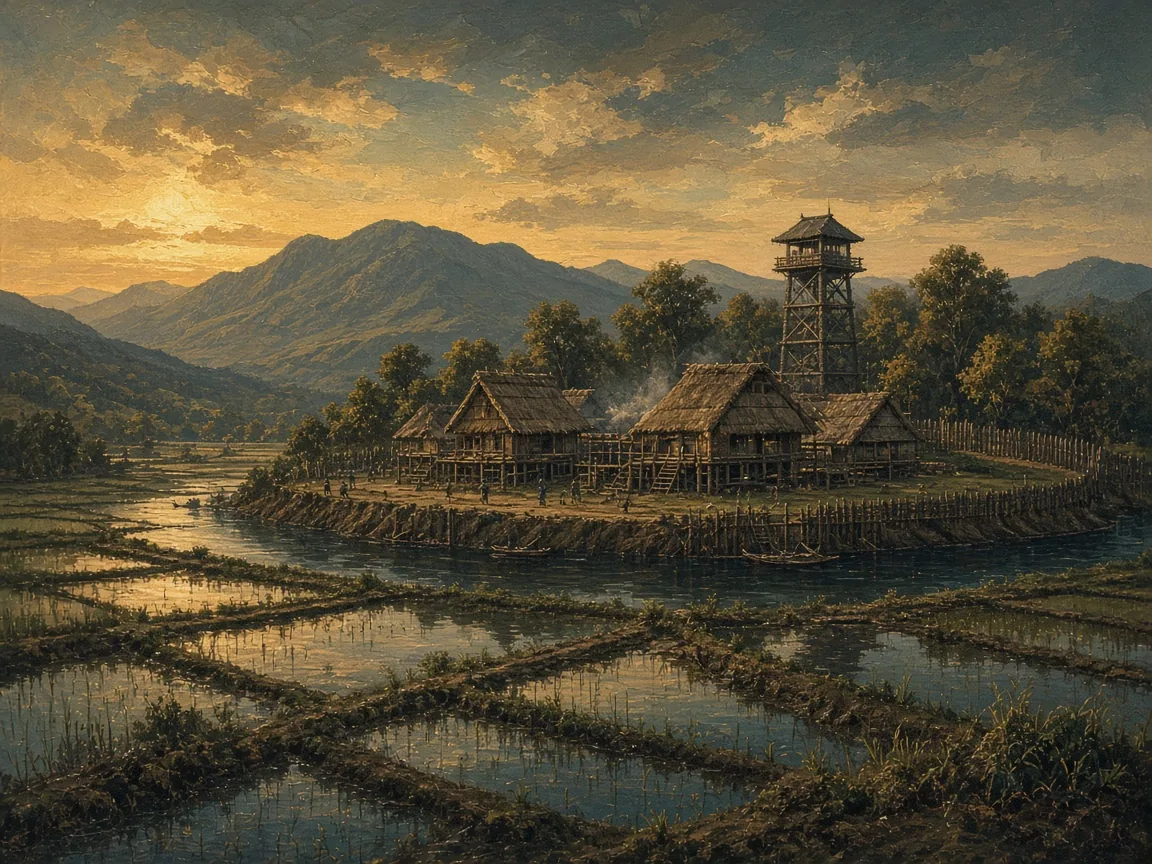
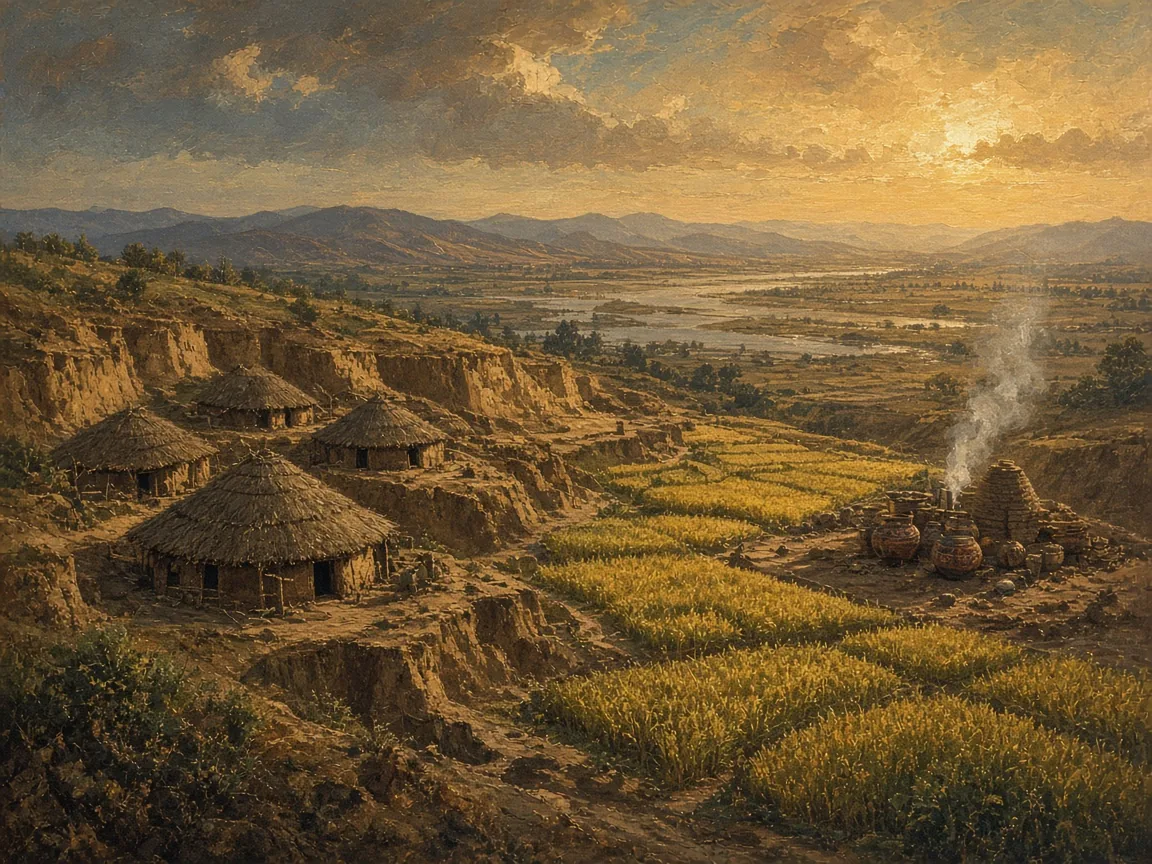
Illustration of Neolithic landscape
Chapter 3

Neolithic

8,000 BCE to 2,000 BCE

Early farming communities.

Explore this period

Region & Environment

Early Neolithic China is understood across diverse parts of the Chinese landscape, particularly where river systems and fertile areas supported consistent food production. Environmental conditions varied by latitude and topography, influencing crop choices, settlement placement, and how communities managed seasonal changes.

Some regions would have offered reliable access to water for cultivation and fishing, while nearby uplands and steppe margins could have constrained agriculture and encouraged complementary strategies. These differences shaped local settlement density and the pace of cultural change.

Historical Context

In the 8th–early 5th millennia BCE, communities in East Asia increasingly relied on cultivation and intensified food procurement, alongside hunting and gathering when needed. Large-scale shifts in subsistence typically occurred gradually and at different rates in different areas.

By the later part of this span, long-term settlement and specialized household production were more evident, and regional traditions in pottery and toolkits became clearer, reflecting both shared experiences and local adaptation.

Populations & Lifeways

Most people lived in agrarian communities with household-based production. Diets were likely mixed—combining cultivated plants with animal resources gathered through hunting, fishing, and possibly early livestock keeping in some settings.

Seasonal labor schedules mattered, and settlement size may have remained modest in many places, though some sites show long-term occupation. Social organization is inferred indirectly: repeated construction and burial practices suggest shared norms, but the evidence for highly ranked elites is generally limited in Early Neolithic contexts.

What your data actually shows

61/100 period similarity Strongest period
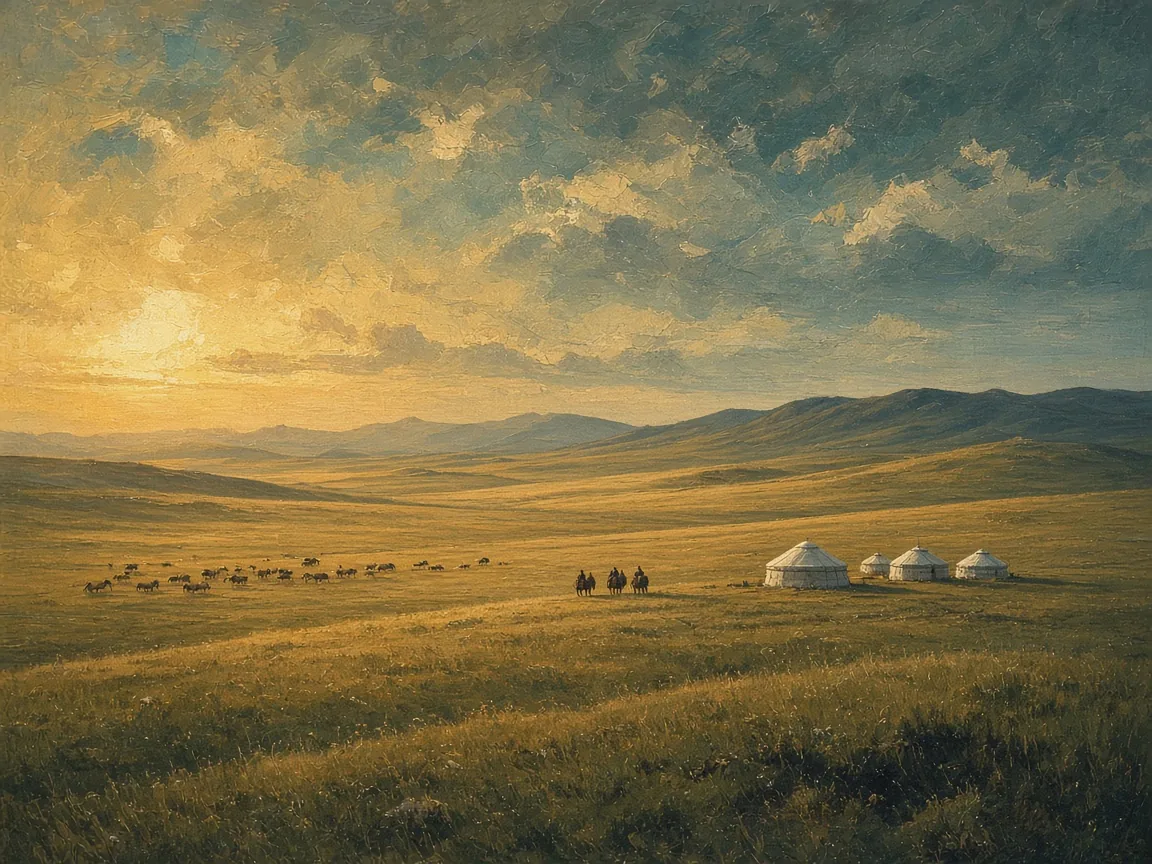
Illustration of Steppe landscape
Chapter 4

Steppe

3,000 BCE to 1,500 CE

Northeast Asian and Steppe connections.

Explore this period

Region & Environment

Central Asia’s broad steppe and its margins provided seasonally productive grazing for herds, alongside travel corridors that linked grasslands, river valleys, and trade nodes. Conditions varied by altitude and distance from moisture sources, encouraging cyclical movement between summer and winter pastures.

Historical Context

Between roughly the late 3rd and early 2nd millennia BCE, steppe societies participated in changing patterns of exchange and mobility that connected different technological and cultural traditions. In many areas, the evidence points to expanding interregional contact rather than isolated development, with material similarities reflecting shared practices and interaction.

Populations & Lifeways

The people of this era were predominantly mobile pastoralists, managing herds and migrating with seasonal availability of pasture and water. Settlements and camps could be temporary, while some locations show evidence of repeated use. Social life likely combined household-based herding with cooperative labor for animals, herding routes, and periodic encampment.

Archaeology & Material Culture

Archaeological signals typically include steppe-appropriate toolkits and production debris, livestock-related gear, and durable personal items made from locally available materials and alloys where accessible. Metalwork and ornaments—when present—often help distinguish regional styles, while burial practices (where discovered) can provide insight into beliefs and social differentiation. Settlement traces may be modest, reflecting the mobility of daily life.

Culture & Society

Steppe cultures of this broad horizon are often characterized by a strong pastoral orientation, mobile livelihoods, and networks of contact across distance. Differences in burial form, artifact style, and craft traditions suggest local identities operating within wider shared ways of life. Crafting and exchange of prestige goods—where documented—imply social ranking and long-distance connections.

Legacy & Transition

This era’s patterns of mobility and exchange set conditions for later steppe transformations in metallurgy, weapon and ornament styles, and broader interregional contact. Over time, shifting climatic opportunities, demographic movements, and changes in regional political economies contributed to the emergence of later steppe cultures and increasingly complex cultural landscapes.

What your data actually shows

0/100 period similarity
Illustration of Bronze Age landscape
Chapter 5

Bronze Age

2,000 BCE to 500 BCE

Bronze Age societies.

Explore this period

Region & Environment

Bronze Age China, in broad terms, encompasses river valleys and plains where agriculture could support larger settlements. Depending on the subregion, landscapes range from fertile lowlands to upland margins, with climates and water availability shaping farming calendars and local mobility. In the north and northeast, colder winters and drier conditions encouraged a mixture of crop cultivation and livestock-oriented strategies in some areas.

Historical Context

Between roughly the second and first millennia BCE, competition and cooperation among polities intensified, and warfare and diplomacy are reflected indirectly in defensive works and elite burials. By the later Bronze Age, political centers with distinctive ritual and craft traditions had formed, and styles of objects and production techniques began to circulate over wider areas.

Populations & Lifeways

Most people were agriculturalists whose lives were structured around farm production, household craft, and seasonal movement of labor. Status differences are visible in burial practice, with some individuals receiving richer sets of artifacts and more carefully organized funerary treatments. Craft specialists likely played an important role in metallurgical work, while exchange goods suggest that households and elites participated in regional networks.

Archaeology & Material Culture

Archaeological signatures of the Bronze Age include the emergence and spread of copper-base metallurgy, especially bronze casting for vessels and fittings. Regional assemblages also contain weapons, tools, and ritual items made from metal and stone, along with pottery and specialized storage or service ceramics. Patterns in production—such as recurring vessel forms and casting technologies—help track how elites and workshops expressed authority.

Culture & Society

Bronze objects were not only functional; they were often tied to ritual display, feasting, and commemoration. Differences in grave wealth and in artifact styles indicate social stratification, and recurring symbolic motifs suggest shared frameworks of legitimacy and belief. The distribution of craft styles implies both local innovation and borrowing across communities.

Legacy & Transition

The transition from the Bronze Age toward later Chinese historical periods is associated with changing political configurations, evolving ritual practices, and transformations in metallurgical and craft organization. As more standardized traditions and literate states emerged in subsequent centuries, earlier Bronze Age material patterns provided a foundation for later elite culture while regional styles continued to diversify.

What your data actually shows

0/100 period similarity
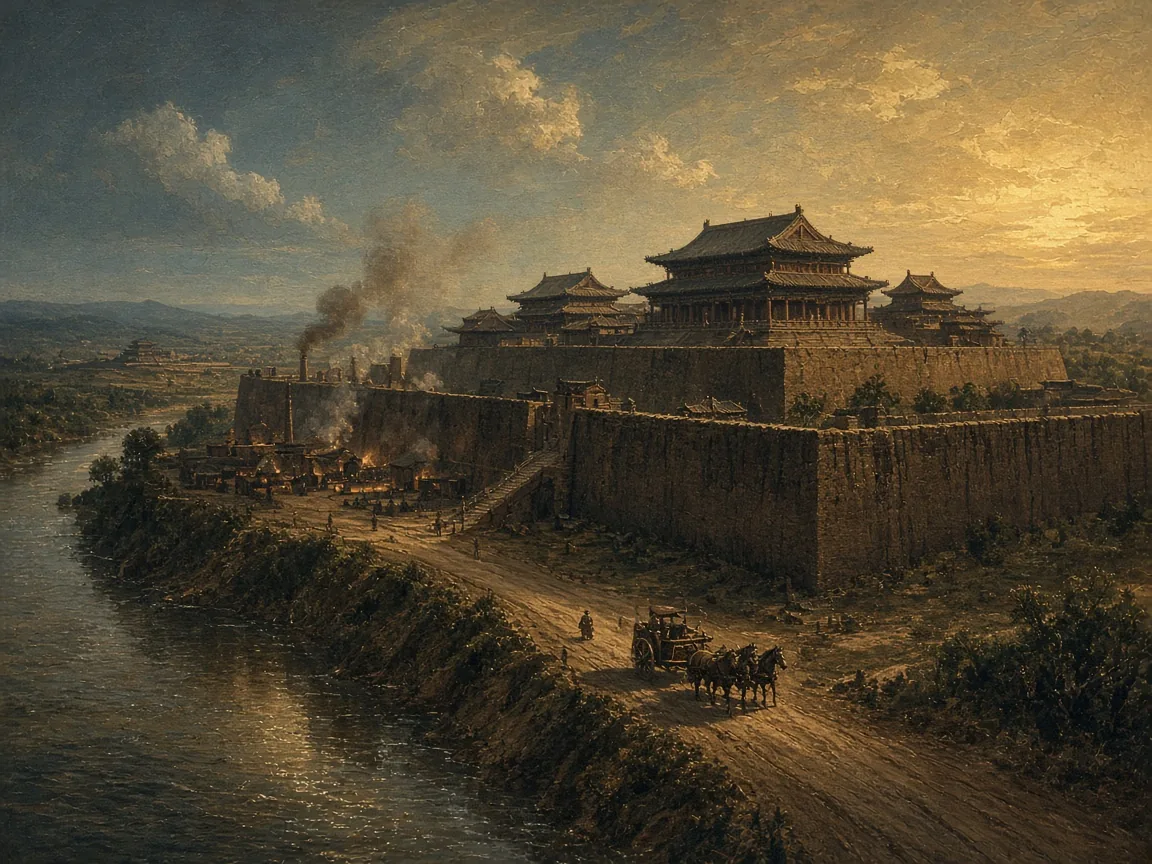
Illustration of Iron Age landscape
Chapter 6

Iron Age

500 BCE to 200 CE

Iron Age communities and state formation.

Explore this period

Iron Age China (c. 600–200 BCE) represents a long phase of transformation across regions that had earlier developed bronze-working traditions. Rising iron use, intensifying warfare, and shifting economic networks helped reshape how communities lived and how elites expressed authority.

Region & Environment

In this era, the broad Chinese cultural world encompassed the North China Plain, river valleys, and upland zones. Seasonal agriculture depended on rainfall and river regimes, while regional differences in soils and access to water influenced settlement density. Long-distance movement of people, goods, and skills became increasingly important as states expanded their control.

Historical Context

The period is closely associated with the late Eastern Zhou dynasty, when the authority of the Zhou court weakened and major polities competed for dominance. Warfare and political realignments encouraged resource mobilization and administrative reforms. Toward the end of the range, consolidation intensified, culminating in the emergence of a more centralized imperial order.

Populations & Lifeways

Populations included agrarian communities living in villages and seasonal fields, along with artisans, officials, and military personnel attached to particular states or elites. Household subsistence commonly rested on staple crops, complemented by livestock and foraging suited to local ecologies. Craft specialists produced metalwork and other goods, often supporting regional market systems and state demand.

Archaeology & Material Culture

Archaeological signatures include iron tools and weapons alongside continued use of bronze and stone implements. Iron production and working are reflected in workshop debris, slag, and item typologies, though the pace of adoption could vary by region. Metal vessels, weapon forms, and everyday items found in and around settlements and elite contexts help illustrate both local traditions and broader trends in technology. Burial practices and grave goods also provide evidence for changing elite display.

Culture & Society

State competition fostered distinctive regional styles in material culture while also promoting shared political and cultural frameworks. Literacy and administration appear in the period’s documentary traditions, and elites expressed status through ritual objects, craft consumption, and controlled access to resources. Social organization was stratified, with officials and specialists playing roles in governance, production, and military logistics.

Legacy & Transition

The Iron Age changes in technology and state organization set conditions for later unification. Continued iron use improved agricultural and military capacities, while evolving institutions and craft systems influenced how the following imperial regimes administered territories and mobilized resources. Material culture from this era thus bridges earlier Zhou-era patterns and the administrative and ideological developments of the early imperial period.

What your data actually shows

4/100 period similarity
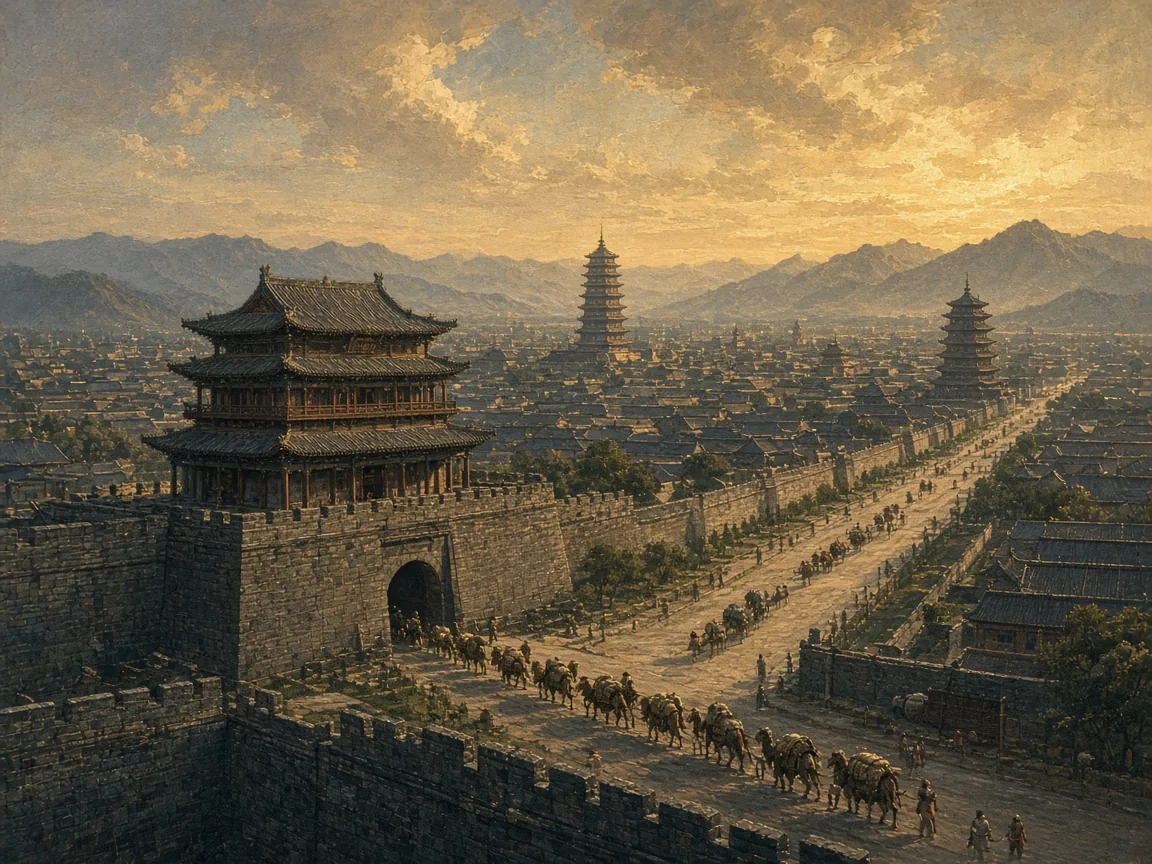
Illustration of Imperial landscape
Chapter 7

Imperial

200 CE to 900 CE

Imperial-period East Asian populations.

Explore this period

The label “China BA Roman” in this dataset corresponds to a broad transitional timeframe associated with Bronze Age developments in China, spanning from the early second millennium BCE toward the first millennium BCE. While the precise scope of “BA Roman” is not fully standardized here, the era is best understood through archaeological patterns of settlement, craft specialization, and regional variation.

Region & Environment

Archaeological sites in China’s central and eastern river-influenced landscapes benefited from fertile basins and river terraces. These settings supported agriculture and animal husbandry, with access to copper/stone resources and usable clays for pottery production depending on local geology.

Historical Context

Across the Bronze Age in China, communities witnessed increasing differentiation in craft production and exchange networks. Over time, material culture shifts reflect broader changes in social organization and political complexity, though specific institutional histories cannot be assumed from archaeology alone.

Populations & Lifeways

Most people likely lived in settled agricultural communities, with household production supplementing craft activity. Differences in burial practices and artifact quality in some regions suggest that social inequality may have been growing, while economic life remained grounded in cultivation and domestic stock management.

Archaeology & Material Culture

Bronze Age material patterns are often recognized through changes in ceramics, metalworking technology, and specialized toolkits. Ceramics continue to be a primary dating and cultural marker, while stone and bone industries reflect ongoing everyday needs such as reaping, woodworking, and food processing. Where metal is present, its distribution and typology can indicate varying access to resources and workshop practices.

Culture & Society

Craft traditions and the production of high-value objects likely supported social display and interregional ties. Architectural remains and artifact assemblages in some areas point to community-scale organization, while the emergence of more distinctive status-associated goods suggests increasingly stratified social relationships.

Legacy & Transition

This transitional Bronze Age period sets the stage for the better-documented later historical eras in China. The archaeological record preserves how established agricultural lifeways and craft expertise were reorganized as metal technologies and broader exchange networks became more prominent.

What your data actually shows

14/100 period similarity
Illustration of Medieval landscape
Chapter 8

Medieval

900 CE to 1,500 CE

Medieval East Asian communities.

Explore this period

Region & Environment

Arkhangai lies within Mongolia’s temperate steppe zone, with pasture lands and river valleys that supported seasonal movement. The environment offered grazing opportunities for herds, but reliable access to water and suitable forage required following seasonal conditions.

Historical Context

In the Early Medieval period, steppe societies across Mongolia and adjacent regions experienced changing political influence. Interactions along steppe routes could include alliances and conflict, shaping how communities managed territory and maintained long-distance contacts.

Populations & Lifeways

Populations were largely pastoralist and mobile, organizing daily life around herding livestock and sustaining mounted travel. Household practices were portable, and seasonal rounds reduced pressure on pastures while enabling access to areas with better forage.

Archaeology & Material Culture

Material culture typically emphasizes durable, transportable items rather than large stone-built structures. Archaeological finds often reflect the importance of mounted life (including horse-related equipment) and metalworking practices suited to a mobile economy. Burial evidence—while varying by locality—provides some of the clearest indicators of social identity and ritual behavior.

Culture & Society

Social organization in steppe settings is often inferred through mortuary patterning and the distribution of prestige goods. Leadership and group affiliation were likely expressed through ritual and material markers, with traditions shared across broader steppe networks while local practices remained distinct.

Legacy & Transition

By 900 CE and later, steppe dynamics continued to change as larger political formations rose and reshaped movement across the steppe. The Early Medieval centuries in Arkhangai nonetheless preserved key foundations: pastoral mobility, craft traditions, and regional connections that later authorities could draw upon.

What your data actually shows

0/100 period similarity

What this means

Your results show similarity to reference populations across several periods of East Asia's past, with the strongest similarity in the Neolithic period. This pattern reflects how later populations mixed with and partly replaced earlier ones. It describes statistical similarity between your DNA and ancient reference samples from each period, not a record of your personal ancestors or family tree, and as with all genetic research there is still much we do not know.

Explore the individuals
  • ContinuitySimilarity that persists across periods
  • MigrationLayers added by new arrivals
  • UncertaintyReference panels keep evolving
Use code for 35% off • Expires Oct 12