Your Genetic Story - Ancient Southeast Asia & Oceania

Download PDF creates a visual, rasterized copy. Use Print for selectable text and better assistive-technology support.

Ancient Southeast Asia & Oceania

Your Genetic Story

Preparing the available report content...

Your report will open automatically.

Ancient Southeast Asia & Oceania

Your Genetic Story Through Time

A chronological reading of your similarity to ancient reference populations of Southeast Asia and Oceania, from the earliest period to the most recent.

(JNGENQ) Papuan Generated Nov 5, 2026

Southeast Asia and Oceania were linked by coastlines, islands, and some of humanity's greatest maritime migrations.

Ancient Southeast Asia & Oceania

Your similarity, chapter by chapter

Your strongest regional connections fall within historical connections.

Southeast Asia and Oceania were linked by coastlines, islands, and some of humanity's greatest maritime migrations.

Ancient Southeast Asia & Oceania

Your Story at a Glance

7 chapters, from the earliest period to the most recent, showing how your similarity maps onto the history of Southeast Asia and Oceania.

  1. 1 Paleolithic 50,000 BCE to 10,000 BCE
  2. 2 Neolithic 5,000 BCE to 2,000 BCE
  3. 3 Bronze Age 2,000 BCE to 500 BCE
  4. 4 Maritime 2,000 BCE to 1,500 CE
  5. 5 Pacific 1,500 BCE to 1,500 CE
  6. 6 Iron Age 500 BCE to 200 CE
  7. 7 Classical 200 CE to 900 CE
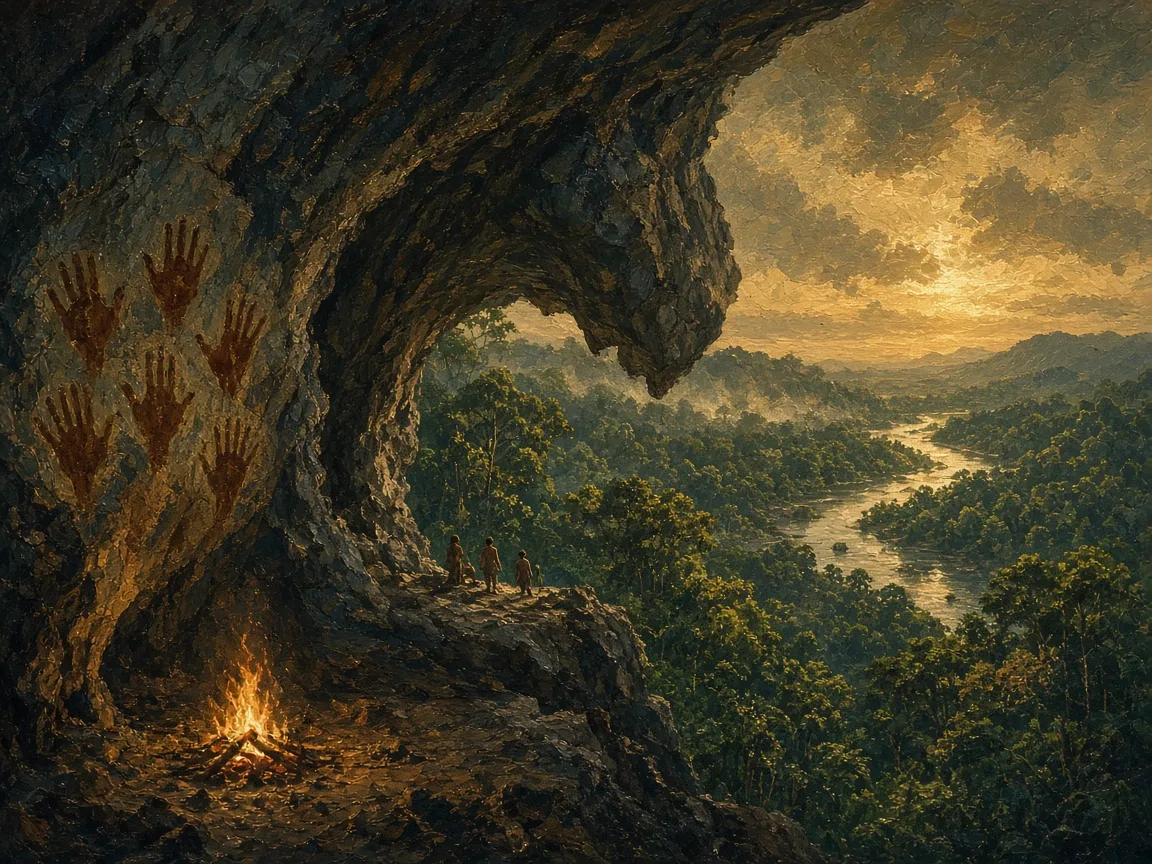
Illustration of Paleolithic landscape
Chapter 1

Paleolithic

50,000 BCE to 10,000 BCE

Early populations of Southeast Asia and Sahul.

Explore this period

The ancient hunter-gatherers of Indonesia, particularly in regions like Sulawesi, represent a fascinating chapter of human prehistory, revealing insights into early human migration, adaptation, and cultural development. These early inhabitants of Indonesia are often associated with the broader Austronesian migration patterns, although hunter-gatherer cultures existed long before the widespread distribution of Austronesian-speaking peoples.

Geographical Context

Sulawesi is one of the largest islands in Indonesia with a diverse and rugged landscape featuring mountains, tropical forests, and coastlines. This varied geography provided numerous ecological niches, which likely influenced the lifestyle and subsistence strategies of its ancient inhabitants. The island's position in the Indo-Pacific region also made it a pivotal location for human migration and cultural exchanges.

Archaeological Evidence

The earliest evidence of human habitation in Sulawesi dates back over 40,000 years. This is based on archaeological findings, including stone tools and cave art, most notably the hand stencils and animal depictions in the Maros-Pangkep karst region, which are among the oldest known artworks in the world.

Lifestyle and Subsistence

The ancient hunter-gatherers of Sulawesi led a nomadic or semi-nomadic lifestyle, relying on the rich biodiversity around them. Their subsistence likely included:

  • Hunting: They hunted a variety of animals including small to medium-sized mammals and birds, making use of tools like stone blades and possibly early projectile points.

  • Fishing and Gathering: Proximity to coastal and riverine environments would have made fish and other aquatic resources a significant part of their diet. This would also include shellfish gathering along the coasts.

  • Plant Foraging: Collection of fruits, nuts, roots, and tubers from the diverse plant life in tropical forests would have been essential for sustenance.

Cultural and Social Organization

These communities were likely organized into small, kin-based groups, typical of hunter-gatherer societies. Social structures would have been egalitarian, with shared responsibilities in hunting, gathering, and childcare. Cultural aspects such as art, religion, and tool-making indicate a complex and rich societal fabric.

  • Art and Symbolism: The cave paintings in Sulawesi are a testament to their artistic capabilities and suggest ritualistic or symbolic functions, possibly related to shamanistic practices or social storytelling.

Austronesian Connections

While the ancient hunter-gatherers of Sulawesi predate the Austronesian migrations, these later waves of Austronesian-speaking people, who began expanding out of Taiwan around 5,000 years ago, eventually reached Indonesia. As these Austronesian groups migrated, they introduced new technologies, agricultural practices, and languages, assimilating and interacting with existing populations.

Environmental and Cultural Adaptations

The adaptability of these ancient hunter-gatherers is evident in their successful occupation of various environmental niches. They developed a deep understanding of their surroundings, leading to refined hunting techniques and resource management.

Conclusion

The ancient hunter-gatherers of Sulawesi and broader Indonesia laid foundational cultural and genetic contributions that would persist in the region's subsequent Austronesian societies. Their adaptability and creativity are reflected in archaeological findings that continue to shed light on their complex interactions with the environment and each other. As such, they represent a crucial link in understanding human evolution and cultural development in Southeast Asia.
What your data actually shows

0/100 period similarity
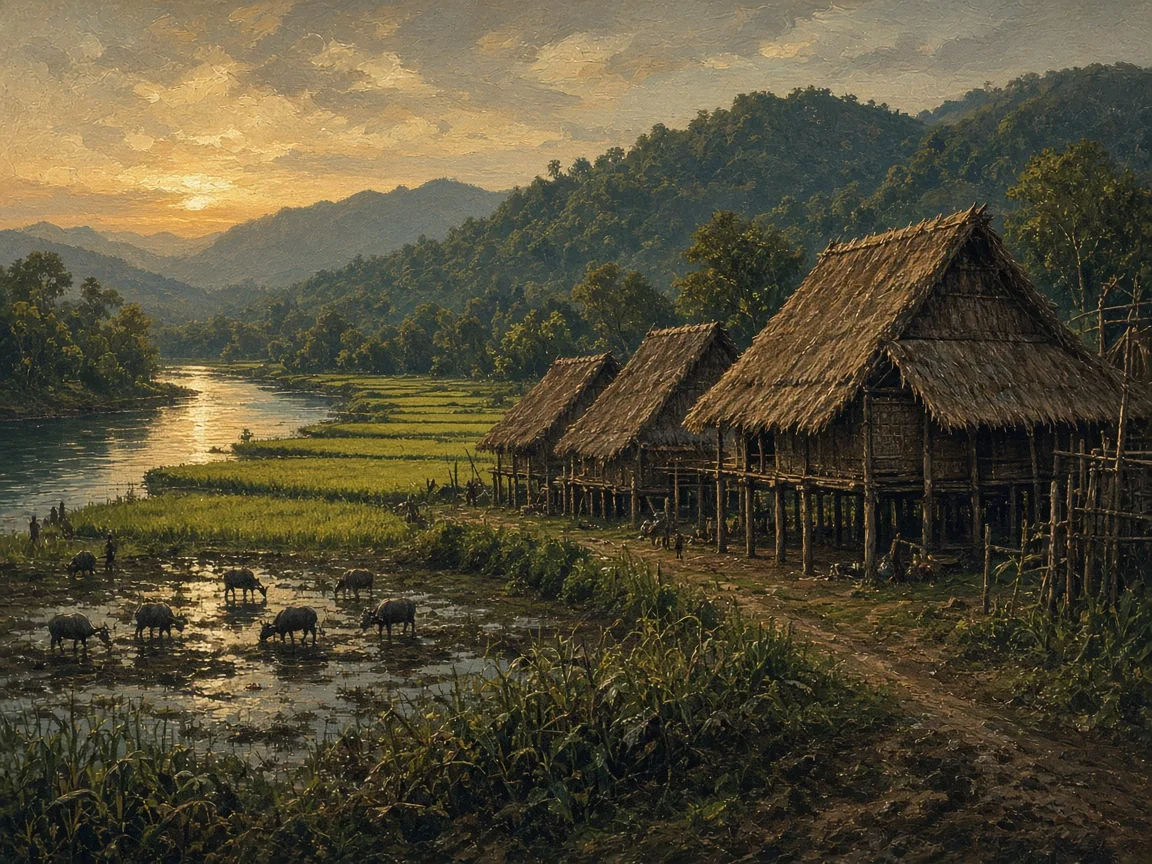
Illustration of Neolithic landscape
Chapter 2

Neolithic

5,000 BCE to 2,000 BCE

Early farming and Austroasiatic connections.

Explore this period

The Neolithic Proto-Metallic period in Indonesia, particularly within the region of Flores and the Liang Bua cave site, represents a significant phase in Southeast Asian prehistory. This era denotes a transitional phase from the late Neolithic into what is often referred to as the Proto-Metallic period, characterized by the initial incorporation of metal tools amidst continued stone tool use. This period is important for understanding the spread of Austronesian cultures across Southeast Asia and the Pacific.

Geographical Context

Liang Bua is a limestone cave situated on the island of Flores, part of the Lesser Sunda Islands in Indonesia. These islands formed part of the extensive maritime networks utilized by Austronesian peoples. The geography of the region, characterized by rugged landscapes and rich biodiversity, provided both challenges and resources for early human societies.

Temporal Frame

The Neolithic Proto-Metallic period on Flores dates approximately from 3000 BCE to the early centuries CE. This timeframe captures the broad transition from Neolithic ways of life, predominantly characterized by agriculture and polished stone tools, to a proto-metallic culture where the introduction and utilization of metal began to occur.

Cultural and Technological Characteristics

1. Subsistence and Economy:

  • Agriculture: The people of this era practiced horticulture, cultivating taro, yams, bananas, and sugarcane, typical of early Austronesian agricultural systems. Evidence indicates a mixed economy that also relied on foraging.
  • Animal Domestication: Pigs and chickens were likely domesticated, providing essential sources of protein alongside fishing and hunting.
  • Trade Networks: There is evidence of long-distance trade, particularly in obsidian and, later, metal, facilitated by the maritime capabilities of Austronesian peoples.

2. Tool Technology:

  • Stone Tools: Continued use of polished stone tools, such as adzes and pestles, which were essential for daily tasks and agriculture.
  • Proto-Metallic Tools: The initial use of metals, mainly copper and bronze, began during this period. Metal objects were likely prestige items at first before becoming more widespread in utilitarian contexts.

3. Pottery and Artifacts:

  • Pottery became more sophisticated, with decorative motifs and forms that indicate both utilitarian and ritual uses.
  • Artifacts, including shell ornaments and intricately carved wooden items, suggest a complex material culture and aesthetic sensibility.

Social Structure and Settlement Patterns

  • Communal Living: Villages were typically small, with communal longhouses reflective of Austronesian social structures.
  • Hierarchy Development: Increasing complexity in social structures, partly evidenced through burial practices, which exhibit variations in grave goods indicative of social stratification.
  • Settlement Patterns: Many communities were situated near waterways, facilitating fishing and transportation.

Anthropology and Human Evolution

Notably, the Liang Bua site is renowned for the discovery of Homo floresiensis, a distinct hominin species, although it predates the Proto-Metallic period significantly. The interactions, if any, between these hominins and later Austronesian settlers remain an area of scientific inquiry.

Religious and Ritual Practices

  • Animism and Ancestral Worship: Religious beliefs likely centered around animistic practices, with reverence for natural spirits and ancestors.
  • Burial Practices: Funerary customs included extended burials with grave goods, reflecting beliefs in an afterlife and varying social statuses.

Linguistic and Genetic Evidence

  • Austronesian Language: The Proto-Metallic period corresponds with the spread of Austronesian languages, marking a significant linguistic shift in the region.
  • Genetic Studies: Modern genetic studies suggest a complex interplay of indigenous genetic lineages with incoming Austronesian genes, marking significant population movements and interactions during this period.

Conclusion

The Neolithic Proto-Metallic period in Indonesia, especially as represented at Flores and Liang Bua, constitutes a pivotal epoch in the history and prehistory of the region. It documents the first inklings of metallurgical innovation within an Austronesian context, a burgeoning complexity in social and economic structures, and the entrenchment of cultural practices that would influence subsequent generations. The study of this period provides crucial insights into the dynamics of cultural transmission, technological innovation, and social evolution in maritime Southeast Asia.

What your data actually shows

0/100 period similarity
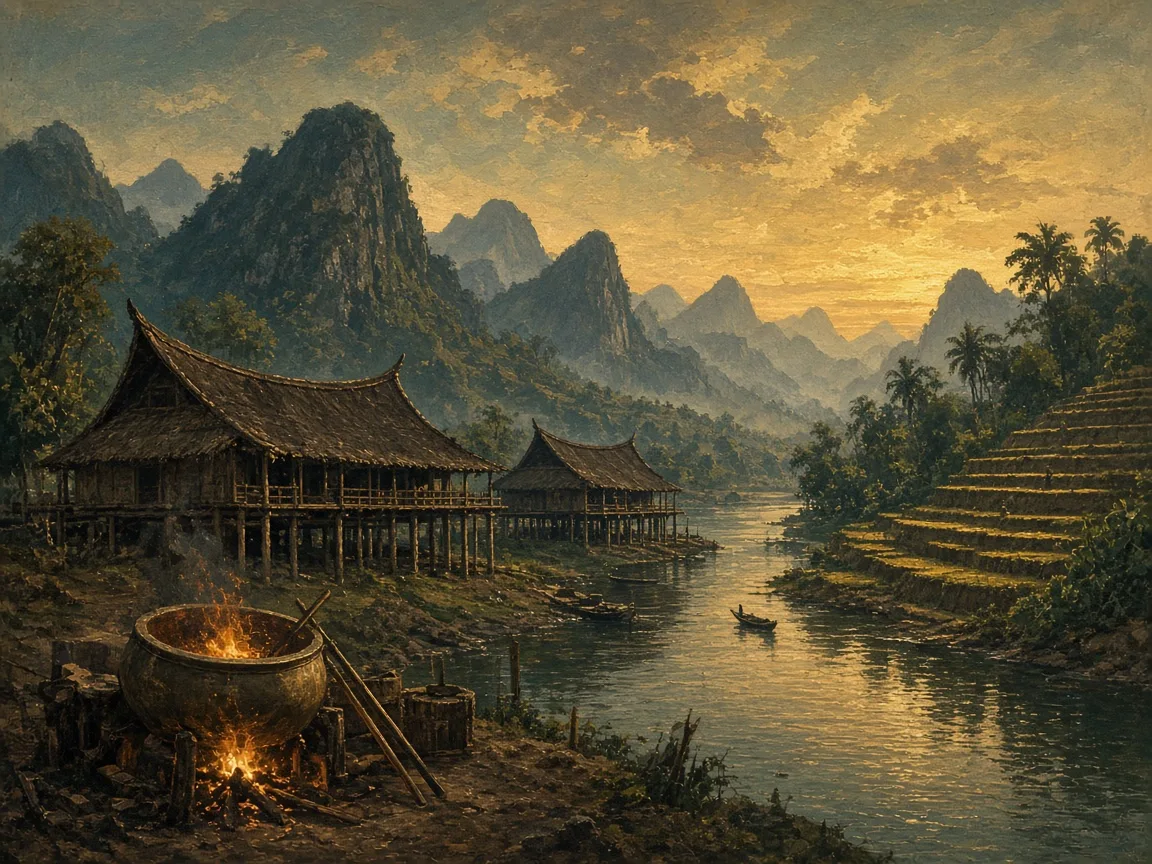
Illustration of Bronze Age landscape
Chapter 3

Bronze Age

2,000 BCE to 500 BCE

Bronze Age communities.

Explore this period

The Early Bronze Age in Indonesia, particularly focusing on regions such as Morotai and the cultural sphere known as AruManara, marks a significant period in the archipelago's archaeological and cultural history. This era is characterized by the arrival and development of Austronesian-speaking peoples, whose movements and influences shaped the trajectory of cultural evolution in the region.

Geographical Context

Morotai is an island located in the northern part of the Maluku Islands in Eastern Indonesia. The Aru Islands, meanwhile, lie in the Arafura Sea, further southeast. These regions are integral parts of the vast maritime landscape that defines Indonesia, and they lie along the migration routes of prehistoric peoples moving through Southeast Asia and into Oceania.

Cultural and Technological Developments

The Early Bronze Age in Indonesia, particularly within these regions, is demarcated by the introduction and localized development of metalworking. This era witnessed the gradual transition from Neolithic stone tools to more sophisticated metal tools and ornaments. Although bronze does not seem to have been as ubiquitous in Indonesia as in mainland Southeast Asia or the Chinese heartland, its presence signals emerging social complexities and expanding trade networks.

  1. Metalworking: This period saw local experimentation with metal, primarily bronze and later some iron. Metal objects, although rare compared to stone or organic material artifacts, include tools like axes, and various ornaments, suggesting both functional and ceremonial uses.

  2. Ceramics and Pottery: Pottery technology advanced significantly during this period, with more refined shapes and decorative motifs. These ceramics often featured intricate designs, underscoring the artistic and cultural advancements of the era.

  3. Trade and Exchange Networks: Trade routes expanded significantly during this era, facilitated by advancements in seafaring technology. The Austronesian people were adept navigators and traders, connecting the Indonesian archipelago with mainland Southeast Asia, the Philippines, and beyond to Melanesia and Polynesia.

  4. Settlement Patterns: Communities in Morotai and Aru during the Early Bronze Age were typically coastal, leveraging the rich marine resources of the region. Settlements often shifted according to seasonal changes and resource availability, pointing to a semi-nomadic lifestyle with strategic permanent bases.

  5. Social Structure and Culture: The era suggests increasing social stratification, possibly exacerbated by the control and distribution of metal resources. Austronesian culture is noted for its complex kinship systems, oral traditions, and localized belief systems, many of which laid the foundational cultural frameworks that persisted into historical times.

Linguistic and Genetic Influence

Linguistically, the Austronesian expansion significantly influenced the languages of the Indonesian archipelago. The Early Bronze Age was crucial in establishing Austronesian as the dominant language family in the region, a status it maintains today with over 300 active languages within Indonesia alone.

Genetically, this era saw a blend of indigenous populations with incoming Austronesian settlers. This genetic mixing laid the groundwork for the contemporary demographic of Indonesia, which is marked by considerable diversity and complexity.

Archaeological Evidence

Archaeological sites from this period, such as habitation sites, burial grounds, and ceremonial complexes, offer valuable insights into the social and ritual life of these early Austronesian communities. Burial practices, for instance, often involved megalithic structures, signaling both social hierarchy and spiritual beliefs.

Conclusion

The Early Bronze Age in regions like Morotai and Aru encapsulates a transformative era within the Indonesian archipelago, marked by technological innovation, expanding cultural horizons, and increasingly complex social structures. The Austronesian-speaking peoples of this time laid critical foundations for the diverse and dynamic societies that would later form historic Indonesian civilizations. The legacy of their navigation, agriculture, metallurgy, and artistic expression continues to resonate throughout the Indonesian cultural landscape today.

What your data actually shows

1/100 period similarity
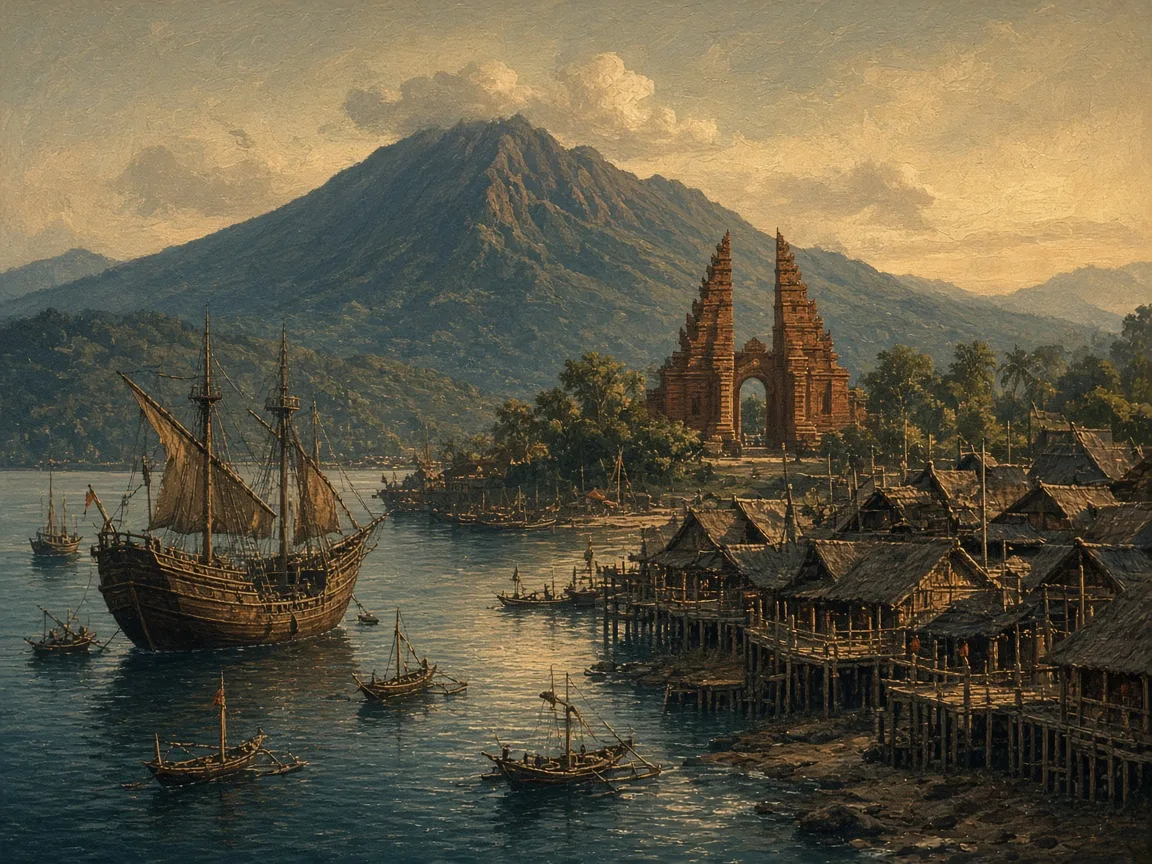
Illustration of Maritime landscape
Chapter 4

Maritime

2,000 BCE to 1,500 CE

Maritime exchange across island Southeast Asia.

Explore this period

This era covers Indigenous lifeways in New South Wales prior to 1788, when European settlement expanded at scale. The region’s varied environments—coastal areas, river systems, woodlands, and inland plains—supported different subsistence strategies and patterns of movement.

Region & Environment

New South Wales encompasses ocean-coast settings, major river valleys, escarpments, and inland regions. Seasonal changes influenced availability of plants, animals, and freshwater resources.

Because many resources are patchy and seasonal, people often used landscapes through carefully timed visits to favored locations.

Historical Context

This pre-European era emphasizes Aboriginal histories before sustained contact and large-scale European settlement. Indigenous societies already possessed established cultural, social, and economic systems connected to country.

Populations & Lifeways

Populations were organized through networks of families and communities with shared responsibilities for particular areas. Lifeways commonly combined hunting, gathering, and fishing, with seasonal planning to track changes in food resources.

Knowledge of local ecologies and weather supported successful use of environments across the year.

Archaeology & Material Culture

Archaeological evidence in New South Wales includes stone artifacts, ground-edge sites, shell and faunal remains, and deposits associated with habitation or repeated activity. In some areas, rock shelters and carved or painted sites provide additional record of cultural expression.

Material remains vary in preservation depending on soil conditions, erosion, and site type, but the overall pattern is consistent: repeated human occupation across diverse landscapes.

Culture & Society

Cultural life was maintained through oral tradition, ceremony, and social rules that helped manage access to resources and responsibilities to place. Community cohesion was supported by shared practices and knowledge transmission.

Technologies such as stone tool making were adapted to local raw material sources and daily tasks.

Legacy & Transition

European settlement from 1788 onward brought rapid and disruptive changes for Indigenous communities. Archaeology preserves traces of earlier continuity in land use and cultural expression, supporting contemporary efforts to remember and protect cultural heritage.

What your data actually shows

0/100 period similarity
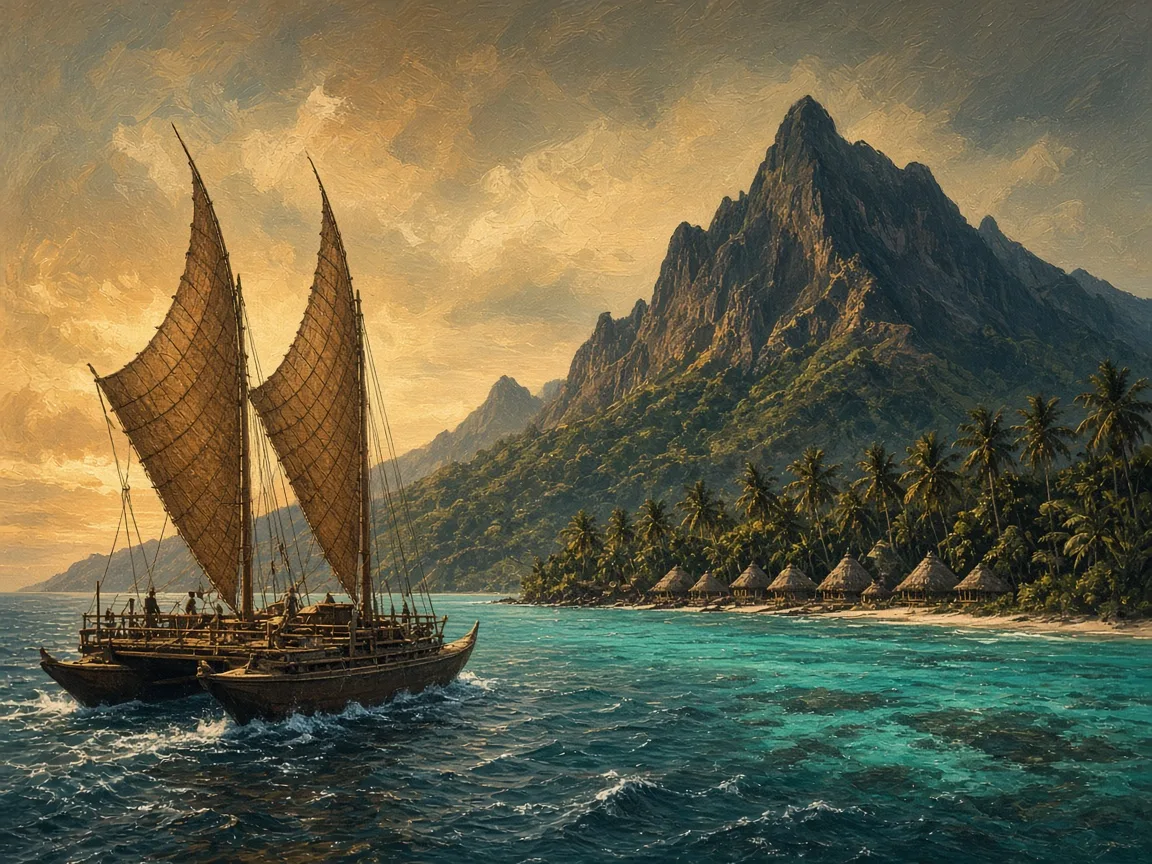
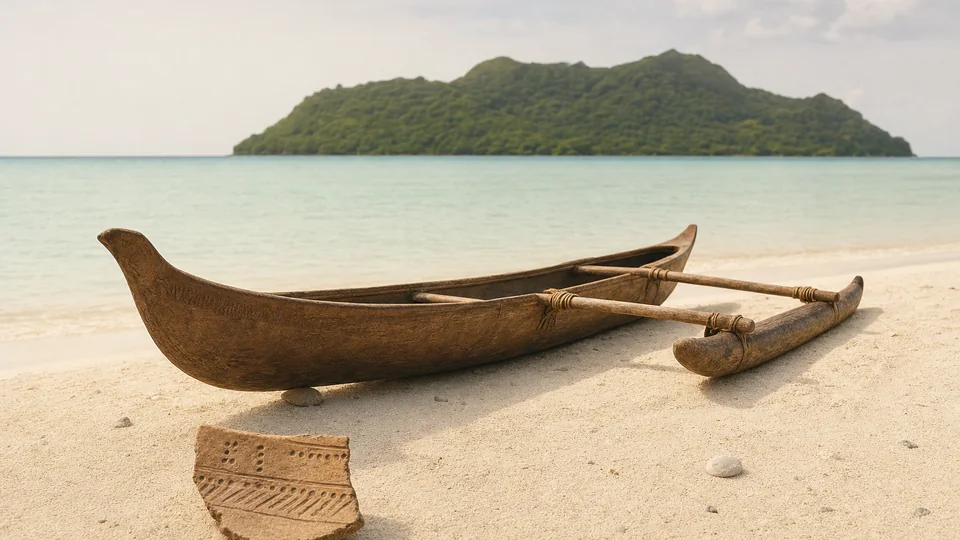
Illustration of Pacific landscape
Chapter 5

Pacific

1,500 BCE to 1,500 CE

Austronesian and Pacific voyaging histories.

Explore this period

Region & Environment

Guam lies in the western Pacific, part of the Mariana archipelago. Its people lived with a tropical coastal environment, seasonal rains, and abundant marine resources, while also managing the practical constraints of island soils and limited freshwater.

Historical Context

The Late Unai phase represents a local development within Guam’s long prehistoric sequence rather than an abrupt “arrival” of people. It follows earlier Unai lifeways and precedes the later Latte Period, when new stone architecture and associated settlement patterns become more prominent.

Populations & Lifeways

Communities were island-based and largely focused on agriculture and marine gathering. Settlement organization and daily life would have revolved around food production, fishing, household craft, and inter-island exchange typical of the region’s Austronesian-speaking world.

Archaeology & Material Culture

Archaeological visibility for this period comes primarily from domestic and mortuary residues: patterned stone features, earthworks, and reused or maintained landscape spaces. Pottery remains and stone tools help track local stylistic change across time. Assemblages are used to distinguish phases within Unai rather than to define a foreign cultural package.

Culture & Society

Late Unai society on Guam is understood through recurring community practices—especially how households organized space and how people treated the dead. Differences in feature location, building scale, and associated finds likely reflect evolving community roles, kin groups, and household authority within enduring island traditions.

Legacy & Transition

The key transition leading out of Late Unai is the emergence of Latte Period settlement and architecture, which is archaeologically distinct in stone pillar and platform building traditions. Material continuities, including ongoing local subsistence and regional connections, help frame the change as a gradual reorganization of lifeways rather than a complete break.

What your data actually shows

89/100 period similarity Strongest period
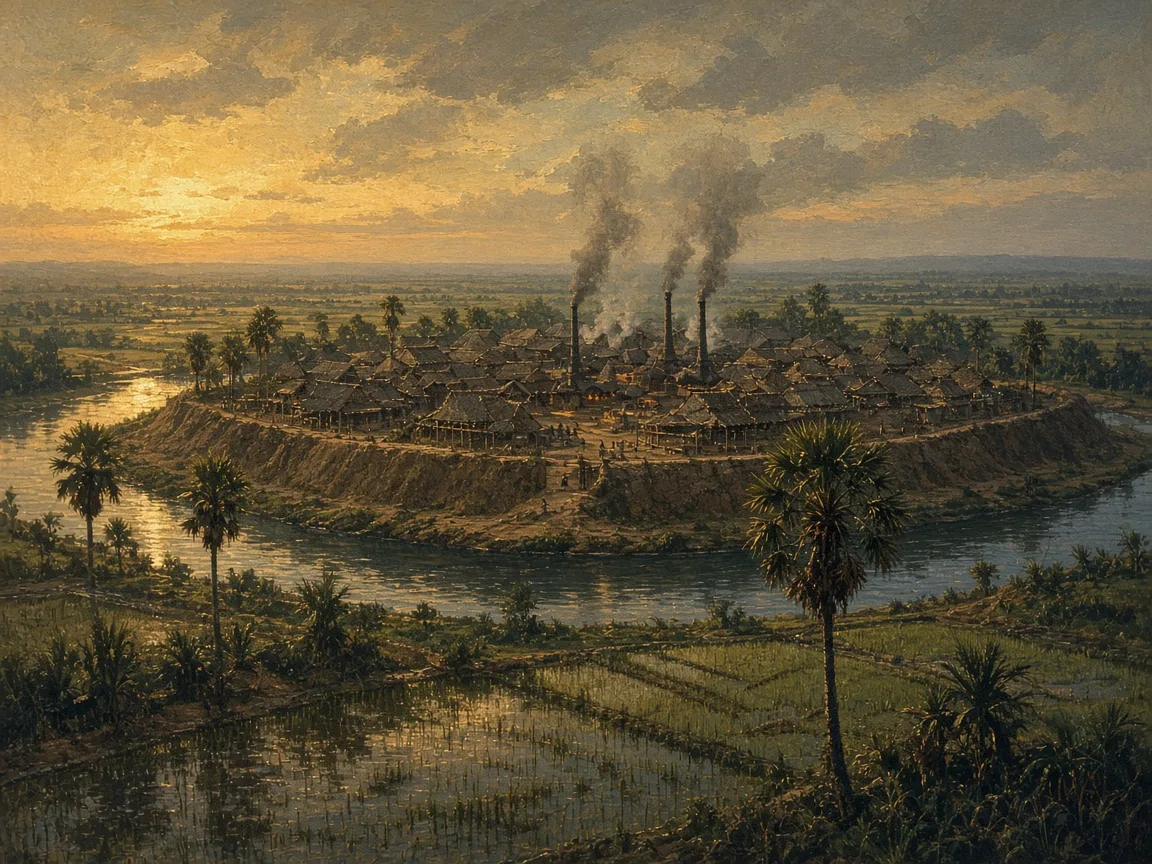
Illustration of Iron Age landscape
Chapter 6

Iron Age

500 BCE to 200 CE

Iron Age societies.

Explore this period

The Late Iron Age period in Indonesia, particularly in regions such as Flores and sites like Liang Toge, represents a fascinating chapter in the Austronesian cultural tapestry. This era is characterized by the increased sophistication in metallurgy, complex social structures, and elaborate artistic expressions that reflect broader regional interactions across the Austronesian world.

Geographical and Environmental Context:

Flores, an island in eastern Indonesia, is part of the Lesser Sunda Islands. Its diverse topography, ranging from coastal areas to rugged highlands, significantly impacted the settlement patterns and lifestyle of its inhabitants during the Late Iron Age. The island's varying climate, marked by wet and dry seasons, influenced agricultural practices, contributing to societal resilience and economic stability.

Cultural and Societal Structure:

The Late Iron Age on Flores is marked by the presence of Austronesian-speaking communities who had established themselves across the archipelago. These communities were part of the broader Austronesian expansion, which saw the spread of peoples and cultures across the Pacific and Indian Oceans.

Society in this era was typically organized into hierarchical chiefdoms. These chiefdoms were likely ruled by chieftains or local kings who held both political and religious authority. Social stratification was evident, with an elite class emerging due to control over resources such as metals and wealth acquired through trade. Artisan classes, skilled in metallurgy and other crafts, played a crucial role in the socioeconomic dynamics of the time.

Metallurgy and Technology:

The Late Iron Age was marked by significant advancements in metalworking technology, especially iron and bronze. The production of iron tools and weapons not only enhanced agricultural productivity but also played a critical role in local warfare and defense strategies. The ability to work metals such as bronze allowed for the creation of intricate ceremonial objects, jewelry, and tools, which were often used as status symbols and in trade.

These technological advancements were facilitated by widespread trade networks that connected Flores with other parts of Indonesia and beyond. The exchange of goods, ideas, and technology with neighboring islands and distant lands enriched the cultural and technological landscape of Flores during this period.

Artistic and Religious Expressions:

Art and religion were deeply intertwined during the Late Iron Age in Indonesia. Artistic expression found its way into every aspect of life, from daily utensils to ceremonial artifacts. Shells, beads, and metals were frequently used to create ornate jewelry and ceremonial items. Motifs often depicted in art and carvings include animals, geometric patterns, and mythological figures, reflecting both local beliefs and broader Austronesian cosmology.

The religious life of Late Iron Age communities in Flores was likely centered around ancestor worship and animistic beliefs, which emphasized the spiritual connection with the natural world. Megalithic structures and burial sites discovered in various parts of Flores indicate rituals and practices aimed at honoring ancestors and appeasing spirits.

Trade and External Influences:

The communities in Flores were active participants in the extensive maritime trade networks of Southeast Asia. These trade routes connected them with other Austronesian societies, as well as with traders from India, China, and beyond. Through these interactions, Flores experienced cultural exchanges that influenced its art, technology, and sociopolitical structures.

The presence of foreign goods, such as Chinese ceramics and Indian textiles, in archaeological sites suggests Flores' integration into the larger economic and cultural systems of the region. These interactions facilitated the flow of ideas and technologies, enhancing local innovation and cultural development.

Conclusion:

The Late Iron Age on Flores, represented by sites like Liang Toge, was a period of significant cultural evolution and technological advancement. The Austronesian inhabitants of Flores developed a complex society characterized by ironworking, elaborate artistic traditions, and robust trade networks. Their legacy is etched into the cultural and historical landscape of Indonesia, offering valuable insights into the social dynamics and technological prowess of pre-colonial Austronesian societies.

What your data actually shows

1/100 period similarity
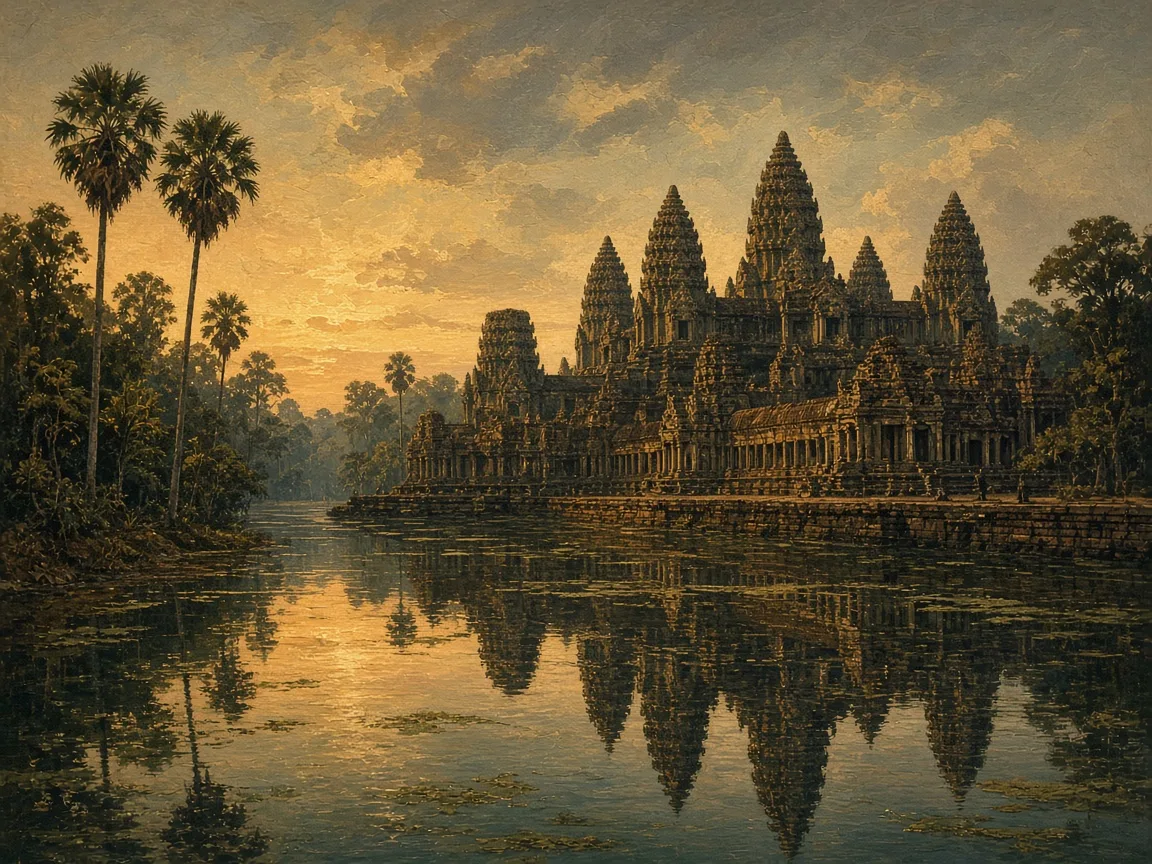
Illustration of Classical landscape
Chapter 7

Classical

200 CE to 900 CE

Classical-period Southeast Asian states.

Explore this period

Overview

“Indonesia 950BP Sulawesi” refers to an archaeological timeframe in which island societies in eastern Indonesia used diverse subsistence strategies and participated in wider exchange networks. The record highlights regional variation rather than a single, uniform cultural system.

Region & Environment

Sulawesi is mountainous and environmentally diverse, with coastlines that offer marine resources and interiors that include forested and upland zones. Such settings encourage flexible land use—combining farming in suitable areas with hunting, fishing, and collecting. Coastal access would have supported travel and exchange between islands and along sea routes.

Historical Context

The period c. 1020–850 years before the present (as represented by the provided BCE/CE range) lies within the later phases of precolonial development in Island Southeast Asia. This is a time when maritime mobility and interaction among islands were important, including the circulation of technologies and valued goods. Documentary evidence is limited for many Sulawesi contexts, so archaeological inference relies on stratified sequences and artifact typologies.

Populations & Lifeways

Populations likely consisted of village-based groups with foraging and farming components, adapted to local ecological niches. Lifeways would have included fishing and shellfish gathering where feasible, along with inland plant cultivation and the use of forest products. Social organization probably varied by resource availability and settlement scale, with craft and trade roles connected to coastal movement.

Archaeology & Material Culture

Archaeological assemblages for island Southeast Asia typically include ceramics, stone tools, and coastal materials (where preserved), alongside evidence of changing subsistence practices. In Sulawesi contexts, material culture often reflects both local traditions and connections that can be inferred through stylistic or technological similarities. Perishable materials are less visible archaeologically, so reconstructions focus on durable artifacts and environmental indicators.

Culture & Society

Cultural life was shaped by mobility, household production, and the management of coastal and upland resources. Island Southeast Asian societies often maintained networks that supported exchange of prestige and utilitarian items. These networks would have reinforced shared technologies and styles while allowing local identities to persist.

Legacy & Transition

Later periods in Sulawesi and neighboring regions show continued development of settlement systems and increasing visibility of wider interaction spheres. This timeframe contributes to that long-term trajectory by documenting how island communities used their environments and maintained connectivity prior to better-documented historical eras.

What your data actually shows

0/100 period similarity

What this means

Your results show similarity to reference populations across several periods of Southeast Asia and Oceania's past, with the strongest similarity in the Pacific period. This pattern reflects how later populations mixed with and partly replaced earlier ones. It describes statistical similarity between your DNA and ancient reference samples from each period, not a record of your personal ancestors or family tree, and as with all genetic research there is still much we do not know.

Explore the individuals
  • ContinuitySimilarity that persists across periods
  • MigrationLayers added by new arrivals
  • UncertaintyReference panels keep evolving
Use code for 35% off • Expires Nov 06