Your Genetic Story - Ancient Western Europe

Download PDF creates a visual, rasterized copy. Use Print for selectable text and better assistive-technology support.

Ancient Western Europe

Your Genetic Story

Analyzing your genetic similarity to ancient Western European reference samples...

Preparing your genetic-similarity report

Ancient Western Europe

Your Genetic Story Through Time

A chronological reading of your similarity to ancient reference populations of Western Europe, from the earliest period to the most recent.

(SSUAJF) Demo Report Generated Oct 9, 2026

France and the Low Countries carried Atlantic, Beaker, Gaulish, Roman, and Frankish layers in turn.

Ancient Western Europe

Your similarity, chapter by chapter

Your strongest regional connections fall within historical connections.

France and the Low Countries carried Atlantic, Beaker, Gaulish, Roman, and Frankish layers in turn.

Ancient Western Europe

Your Story at a Glance

7 chapters, from the earliest period to the most recent, showing how your similarity maps onto the history of Western Europe.

  1. 1 Mesolithic 10,000 BCE to 5,000 BCE
  2. 2 Neolithic 5,000 BCE to 3,000 BCE
  3. 3 Copper Age 3,000 BCE to 2,200 BCE
  4. 4 Bronze Age 2,200 BCE to 800 BCE
  5. 5 Iron Age 800 BCE to 50 BCE
  6. 6 Roman Period 50 BCE to 500 CE
  7. 7 Medieval 500 CE to 1,500 CE
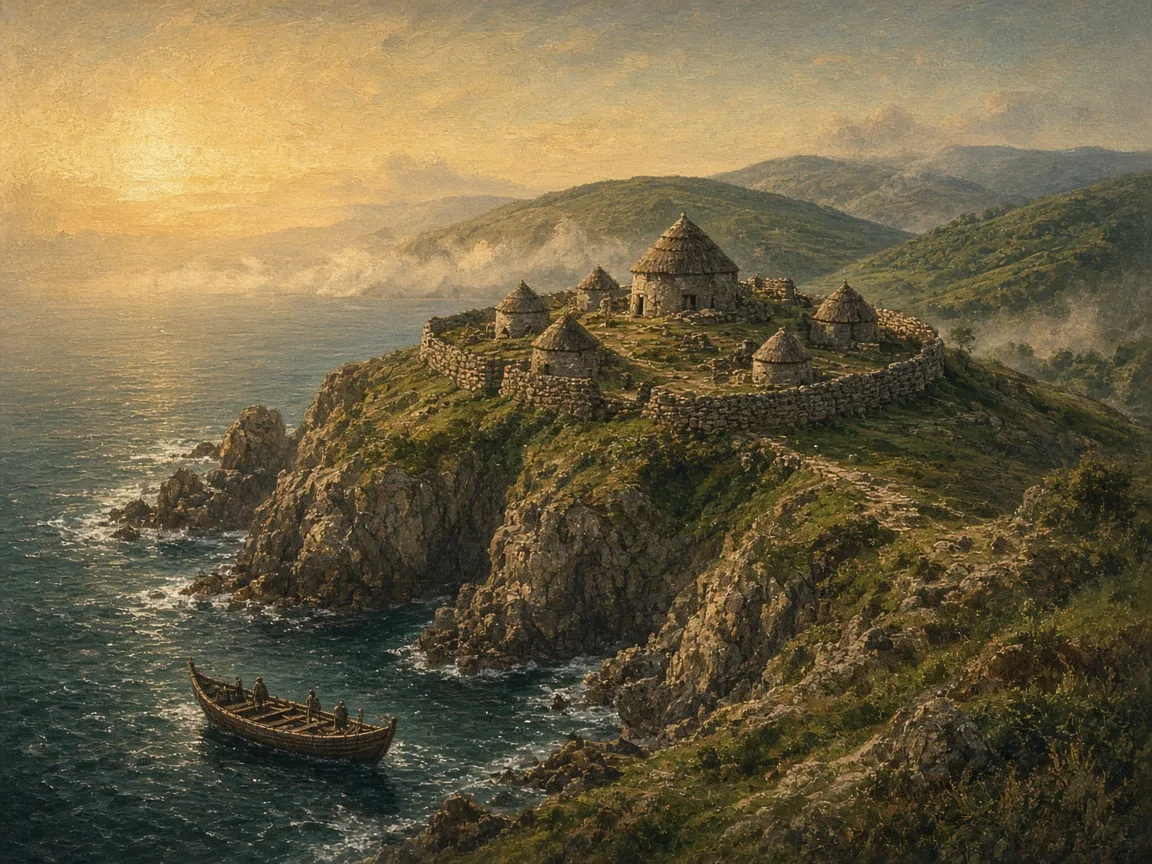
Illustration of Mesolithic landscape
Chapter 1

Mesolithic

10,000 BCE to 5,000 BCE

Atlantic and inland hunter-gatherer communities.

Explore this period

Region & Environment

Mesolithic Belgium lay in a changing post-glacial environment as climates warmed and ecosystems reorganized. Landscapes included river valleys, wetlands, and expanding forest cover, along with open patches that provided habitat for game and aquatic resources.

Historical Context

This era belongs to Northwest European Mesolithic lifeways, after the main phases of Upper Palaeolithic technologies. Communities were organized at a regional scale rather than forming states, relying on knowledge of local ecologies and seasonal movement patterns.

Populations & Lifeways

People were generally hunter-foragers, with livelihoods shaped by seasonal availability of plants and animals. Fishing and water-margin gathering would have been important in riverine and wetland zones, while hunting targeted terrestrial fauna. Mobility likely varied by locality, with repeated use of favorable hunting and fishing areas.

Archaeology & Material Culture

The archaeological record is dominated by lithic industries, particularly knapped flint tools suited to cutting, scraping, and hunting-related tasks. Mesolithic sites often represent short- to medium-term activity areas rather than permanent settlements. Organic materials are less frequently preserved, so interpretations rely heavily on stone tool typologies, debitage, and site context.

Culture & Society

Mesolithic societies in the region were flexible and adaptation-focused, with group interactions likely occurring through shared traditions in tool-making and knowledge of landscapes. Social organization is not directly observable, but repeated use of territories and recognizable technological patterns indicate more than purely isolated lifeways.

Legacy & Transition

Toward the end of the Mesolithic, landscapes and resource patterns continued to shift, setting the stage for later developments as farming and other new practices arrived in Europe. The Mesolithic record in Belgium provides a baseline for understanding how later prehistoric societies built on earlier land-use knowledge.
What your data actually shows

23/100 period similarity
Illustration of Neolithic landscape
Chapter 2

Neolithic

5,000 BCE to 3,000 BCE

Early farmers of the Paris basin and Atlantic coast.

Explore this period

Region & Environment

Alsace, situated between the Rhine and nearby uplands, offered a productive environment for Neolithic farming. River valleys supported cultivation and herding, while surrounding woodland provided timber, fuel, and hunting opportunities, enabling a mixed economy.

Historical Context

The Middle Neolithic (c. 4500–3500 BCE) in western and central Europe is part of a period when farming communities expanded and diversified their material culture. In the Rhine corridor, cultural groups associated with the Michelsberg tradition are often used to frame regional similarities in pottery and other artifacts. The Lingolsheim horizon is commonly discussed within this broader context.

Populations & Lifeways

Middle Neolithic populations were typically sedentary or semi-sedentary, organizing daily life around cultivated fields and managed livestock. Communities built and maintained households and storage areas, and they participated in craft production required for durable tools and domestic equipment. Seasonal cycles continued to affect work and resource use, but overall subsistence strategies relied on agriculture as a foundation.

Archaeology & Material Culture

Archaeological visibility in this period is strongly tied to ceramics, lithic tools, and features preserved at settlement sites. Pottery styles linked to the Lingolsheim/Michelsberg sphere provide a way to correlate sites across the region. Lithic assemblages show ongoing tool-making and repair, while other durable materials reflect household needs rather than long-distance specialization alone.

Culture & Society

Neolithic societies in this region likely had social practices that emphasized community cohesion—shared ceramic styles and recurring patterns of material use. Craft knowledge, especially in pottery production and stoneworking, would have been transmitted within networks of families and local communities. The presence of shared traditions suggests communication across the landscape, though the archaeological record rarely allows precise reconstructions of leadership structures or ritual specialists.

Legacy & Transition

As the Middle Neolithic progressed toward later Neolithic phases, changes in pottery styles and settlement organization signal cultural transitions across the Rhine region. These shifts do not imply the immediate disappearance of earlier farming traditions; rather, they reflect evolving practices in how communities expressed identity and maintained their livelihoods.

What your data actually shows

7/100 period similarity
Illustration of Copper Age landscape
Chapter 3

Copper Age

3,000 BCE to 2,200 BCE

Bell Beaker and megalithic societies.

What your data actually shows

0/100 period similarity
Illustration of Bronze Age landscape
Chapter 4

Bronze Age

2,200 BCE to 800 BCE

Atlantic Bronze Age networks.

Explore this period

Region & Environment

Lingolsheim is in Alsace, a corridor between the Rhine and adjacent uplands. The region’s river valleys, fertile soils, and access to woodland resources supported farming and livestock-raising while also enabling movement along major water routes.

Historical Context

Between about 2200 and 1600 BCE, Bronze Age societies in western and central Europe increasingly relied on metal production and long-distance exchange. In Alsace, the Early Bronze Age phase is often discussed as part of the broader build-up to later Early Bronze Age and Middle Bronze Age developments, including the growing prominence of mortuary practices that characterize the Tumulus Culture horizon.

Populations & Lifeways

Households in this period likely combined arable cultivation with pastoral activities, supplemented by hunting and gathering where appropriate. Settlement patterns in the broader region typically include small to medium farms or villages rather than large urban centers, with food production anchored in local agricultural conditions. People also invested in crafts associated with Bronze Age life—especially ceramic production and metalworking knowledge that depended on access to raw materials and skilled labor.

Archaeology & Material Culture

Archaeological signatures associated with the Lingolsheim cultural horizon are commonly identified through distinctive pottery styles, burial evidence, and the presence of bronze artifacts or related technological traits. Metal objects—when preserved—help document Bronze Age technologies, while ceramic assemblages often provide the clearest means of correlating sites across landscapes. Mortuary evidence may also reflect evolving social differentiation, though interpretations vary by site and preservation.

Culture & Society

Bronze Age societies in this setting likely organized labor and exchange around family and community ties, with growing coordination required for producing and obtaining metal goods. Distinctive ceramic styles and shared material practices suggest communication networks connecting Alsace to neighboring regions. Social structure may have been reinforced through burial practices and the display or circulation of valued items.

Legacy & Transition

As the Early Bronze Age progressed toward the later second millennium BCE, material culture in the Rhine corridor increasingly aligned with patterns associated with the Tumulus Culture. This transition reflects both continuity in local lifeways—farming and craft production—and changes in how communities expressed identity through mortuary practice and material style.

What your data actually shows

0/100 period similarity
Illustration of Iron Age landscape
Chapter 5

Iron Age

800 BCE to 50 BCE

Gaulish and Belgic populations.

Explore this period

The Iron Age culture of the Aisne department in modern-day France, which is rooted in the wider Celtic civilization, is a fascinating era that represents a period of significant social, technological, and cultural developments. This period is part of the larger Iron Age across Europe and is characterized by its unique manifestations in the region we associate with the historical Celtic tribes.

Geographic and Historical Context

Aisne is situated in the northern part of France, a region that was influenced by various Celtic tribes, including the Belgae. The area was within the sphere of the La Tène culture, which spans from approximately 450 BCE to Roman conquest in the first century BCE. The La Tène culture is renowned for its distinct art style and advanced metalwork, embodying the peak of Celtic civilization before the Roman expansion.

Social Structure

The society of Iron Age Aisne was organized in a tribal system, characterized by a complex social hierarchy. The tribes were typically led by chieftains or kings who wielded considerable power and were often supported by a noble class of warriors. Below the nobles were the freemen, which included artisans and tradespeople, and lastly, the bondsmen or slaves, who were often prisoners of war or debtors.

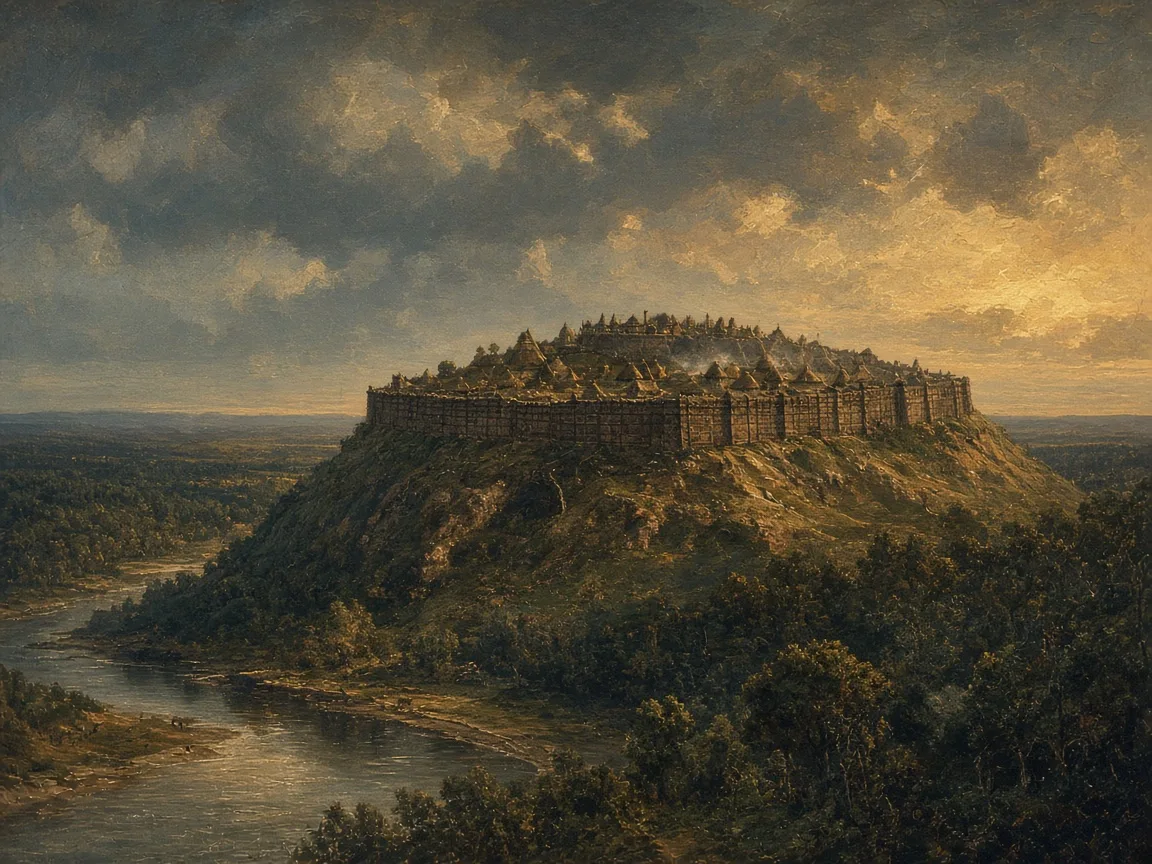
Communities were organized in fortified settlements known as oppida. These forts, built on elevated ground, served as centers of trade, military defense, and governance. The oppida in the Aisne area would have been bustling centers, indicative of a society that was both martial and economically vibrant.

Economy and Trade

The economy of Iron Age Aisne was based on agriculture, livestock, and trade. The fertile lands of Aisne allowed for the cultivation of grains, vegetables, and fruits, while animal husbandry remained crucial, particularly the rearing of cattle and sheep.

Trade networks were extensive and facilitated the exchange of goods across regions, including metalwork, pottery, and textiles. The Celts were skilled metalworkers, known for their iron and bronze tools, weapons, and the distinctive artistic metalwork that defined the La Tène style.

Art and Culture

The art of the Iron Age Celts in Aisne was vibrant and sophisticated, reflecting both the utility and aesthetics. The La Tène style is characterized by intricate swirling designs, natural motifs, and abstract patterns. This art form adorned many objects including jewelry, weapons, and everyday items, signifying both a high level of craftsmanship and a cultural emphasis on decoration and symbolism.

Religion played a significant role in the culture of Aisne Celts. They practiced a form of animism, believing in spirits that inhabited natural elements such as rivers, trees, and mountains. The Druids, who were learned priests, played a central role in society, conducting rituals, offering counsel, and maintaining oral traditions.

Festivals and rituals were integral to Celtic life. Events aligned with lunar and solar cycles marking agricultural transitions, with celebrations such as Samhain heralding the Celtic New Year.

Technological Advancements

The transition to the Iron Age brought significant technological advancements, particularly in metalworking. The adoption of iron significantly transformed everyday life, as iron tools were more durable and efficient than their bronze predecessors. Weaponry also advanced, with iron swords, spears, and helmets illustrating the martial prowess of the Celtic warrior class.

Interaction with Rome

The Iron Age culture of Aisne, like much of Celtic Europe, eventually came into contact with the expanding Roman Empire. Caesar's Gallic Wars, from 58 to 50 BCE, marked the beginning of Roman influence in the region. This interaction led to a slow transformation of the local culture, as Roman governance, technology, and cultural practices were gradually integrated.

Legacy

The legacy of the Iron Age culture in Aisne can be observed in archaeological sites, artifacts, and cultural influences that persisted even after Romanization. The distinct identity of the Celts, with their intricate art, social complexity, and resilient spirit, continues to be an area of fascination and study, enriching our understanding of prehistoric Europe.

What your data actually shows

0/100 period similarity
Illustration of Roman Period landscape
Chapter 6

Roman Period

50 BCE to 500 CE

Gallo-Roman provincial communities.

Explore this period

The Early Roman Period in the region now known as the Netherlands was a time of significant cultural, social, and economic transformation that occurred roughly between the 1st century BCE and the early 3rd century CE. During this era, the influence of the Roman Empire began to permeate throughout the region, which was at the northern edge of the Roman Empire. This period was characterized by a blend of Roman and indigenous cultures, resulting in a unique cultural tapestry.

Historical Context

Before Roman influence, the area was inhabited by various Celtic and Germanic tribes, including the Batavians, Frisians, and Cananefates. The Roman conquest began in earnest with campaigns by Julius Caesar in the 50s BCE, though the region wasn't fully integrated into the Roman Empire until later expeditions solidified Roman control. The Rhine River, which cuts through what is now the Netherlands, served as both a critical frontier and a major route for the movement of Roman troops and goods. However, full Romanization was limited due to geographical challenges such as marshlands and the resistance from local tribes.

Economy and Trade

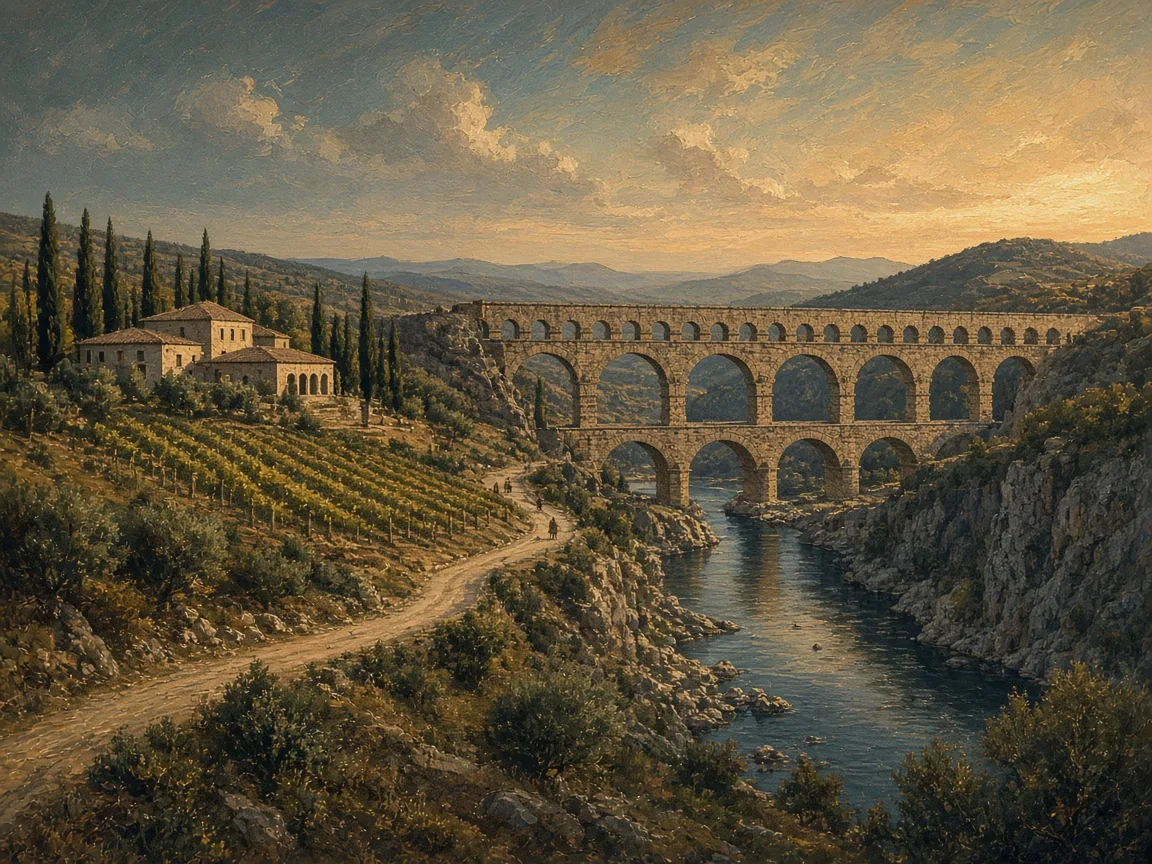
The introduction of Roman infrastructure, including roads and fortifications, significantly impacted the economy. Roman engineering brought the construction of roads and bridges, which improved trade routes within the region and with the wider Roman Empire. The presence of Roman legions and settlements stimulated local economies as they required supplies, creating markets for local goods, including textiles, pottery, and metalwork. Trade with the Roman heartlands introduced new goods such as wine, olives, and luxury items, which were exchanged for regional products like salt, cattle, and leather.

Military and Administration

The area held strategic importance for the Roman military, serving as a frontier zone with numerous forts and camps established along the Rhine, such as those at Noviomagus (modern Nijmegen) and Lugdunum Batavorum (modern Katwijk/Brittenburg). These installations helped enforce Roman control and protected against incursions by northern tribes. To ensure loyalty and maintain security, the Romans formed alliances with local tribes, notably the Batavians, who served as auxiliary soldiers in the Roman army. Roman military presence also accelerated the spread of Roman culture and practices as soldiers settled in the area, often intermarrying with local populations.

Society and Culture

Socially, the Early Roman Period in the Netherlands saw considerable cultural exchange and syncretism. The indigenous tribes began adopting Roman customs, language, and religion. Latin began to influence local dialects, though full Latinization remained limited to certain urban and military areas. The Roman pantheon was introduced, leading to syncretic religious practices where aspects of local deities were merged with Roman gods. Archaeological findings such as altars and votive offerings illustrate this blend of religious practices.

The Roman lifestyle, including housing, clothing, and food, influenced the local populations as Roman villas and bathhouses were erected. Urban centers like Nijmegen developed Roman architectural styles with forums, temples, and administrative buildings, although many inhabitants continued to live in traditional roundhouse settlements.

Legacy and Challenges

Despite these developments, the reach of Roman civilization was uneven throughout the territory. While the south and areas near the Rhine were more Romanized, the northern and more rural regions retained stronger local traditions. Moreover, the geography of the Netherlands, with its rivers and wetlands, posed constant challenges to the Roman administration, particularly in maintaining infrastructure and military control.

As the Roman Empire faced increasing pressure from Germanic tribes in the late 3rd century CE, the military focus shifted, leading to a gradual withdrawal from outlier territories like the Netherlands. However, the Roman legacy persisted long after their departure, influencing the region's development in areas of law, language, and infrastructure.

Overall, the Early Roman Period in the Netherlands was marked by a dynamic interplay between Roman innovation and local tradition, shaping a distinctive regional identity that carried forward elements of both Celtic-Germanic and Roman influences.

What your data actually shows

5/100 period similarity
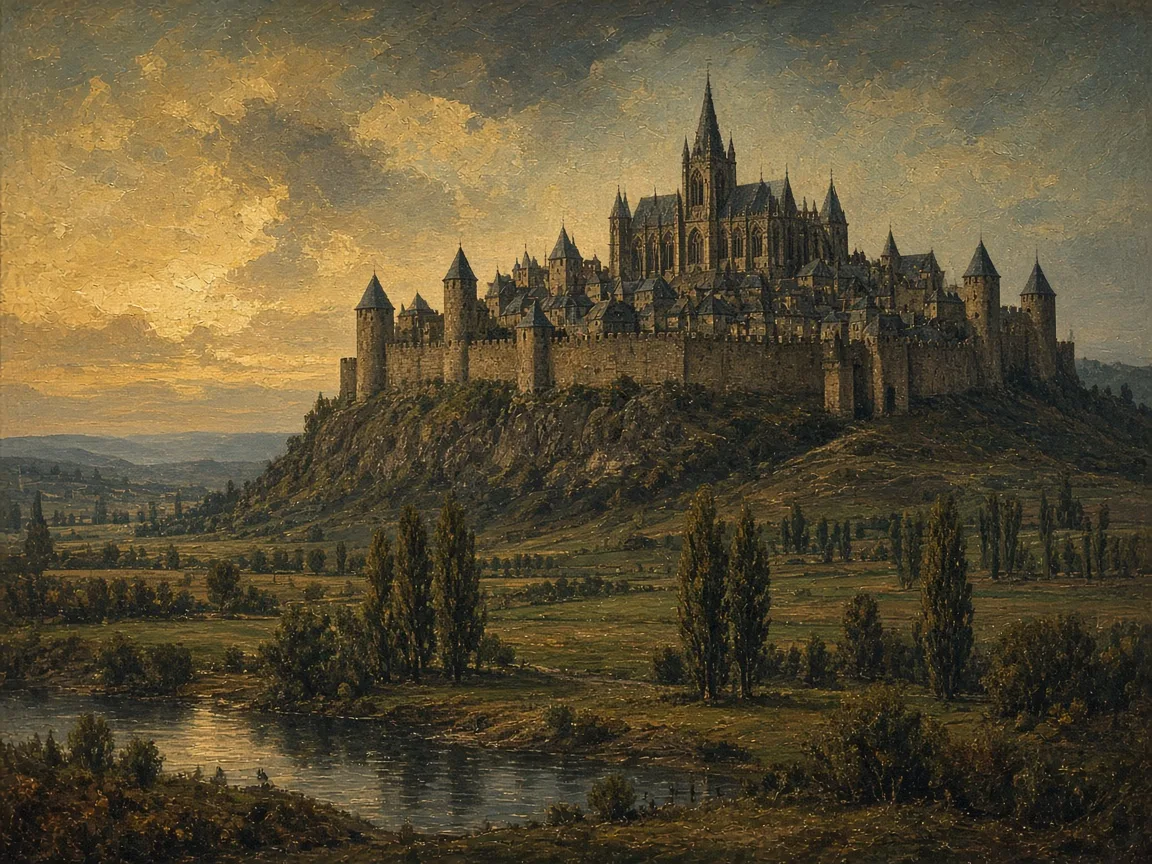
Illustration of Medieval landscape
Chapter 7

Medieval

500 CE to 1,500 CE

Merovingian, Frankish, and later medieval communities.

Explore this period

Region & Environment

The early medieval heartlands of present-day Belgium lay within a varied lowland and upland setting. River valleys and fertile soils supported mixed farming, while wetlands and forests offered timber, fish, and game. Climate and waterways shaped settlement choices and the movement of people and goods.

Historical Context

Between about 500 and 1000 CE, western Europe experienced major transitions after the end of durable Roman administration. In the region, authority was reorganized through successor polities, and Christian institutions expanded their influence. Over time, regional power grew more structured, and long-distance connections linked local communities to wider European networks.

Populations & Lifeways

Local populations lived in communities anchored by agriculture. Villages and farmsteads tended to be organized around arable land and pasture, with seasonal labor and household craft supporting daily needs. Alongside farming, many households relied on woodland resources and small-scale exchange, and some people were engaged in specialist production or service to emerging elites and religious centers.

Archaeology & Material Culture

Archaeological evidence for this period often emphasizes settlement patterns, burial practices, and everyday technology. Finds may include pottery and domestic wares, iron tools, evidence for woodworking, and reused building materials from earlier phases. Burials and cemetery layouts can reflect changes in social identity and religious practice, including increasing incorporation of Christian norms toward later centuries.

Culture & Society

Society was increasingly shaped by Christian institutions and by local power structures that negotiated authority in the countryside and towns. Material culture—especially objects used in daily life, textiles, personal items, and metalwork—helps illuminate household organization and status expression. Over the millennium, communities also participated in broader networks of trade and communication, visible in the distribution of certain craft traditions and imported or circulated goods.

Legacy & Transition

By around 1000 CE, many features associated with the mature medieval landscape were taking clearer form: stronger ecclesiastical presence, more stable patterns of landholding, and denser ties between settlements. The transition into the high medieval period built on these foundations, as political authority and economic life continued to develop.

What your data actually shows

45/100 period similarity Strongest period

What this means

Your results show similarity to reference populations across several periods of Western Europe's past, with the strongest similarity in the Medieval period. This pattern reflects how later populations mixed with and partly replaced earlier ones. It describes statistical similarity between your DNA and ancient reference samples from each period, not a record of your personal ancestors or family tree, and as with all genetic research there is still much we do not know.

Explore the individuals
  • ContinuitySimilarity that persists across periods
  • MigrationLayers added by new arrivals
  • UncertaintyReference panels keep evolving
Use code for 35% off • Expires Oct 12