


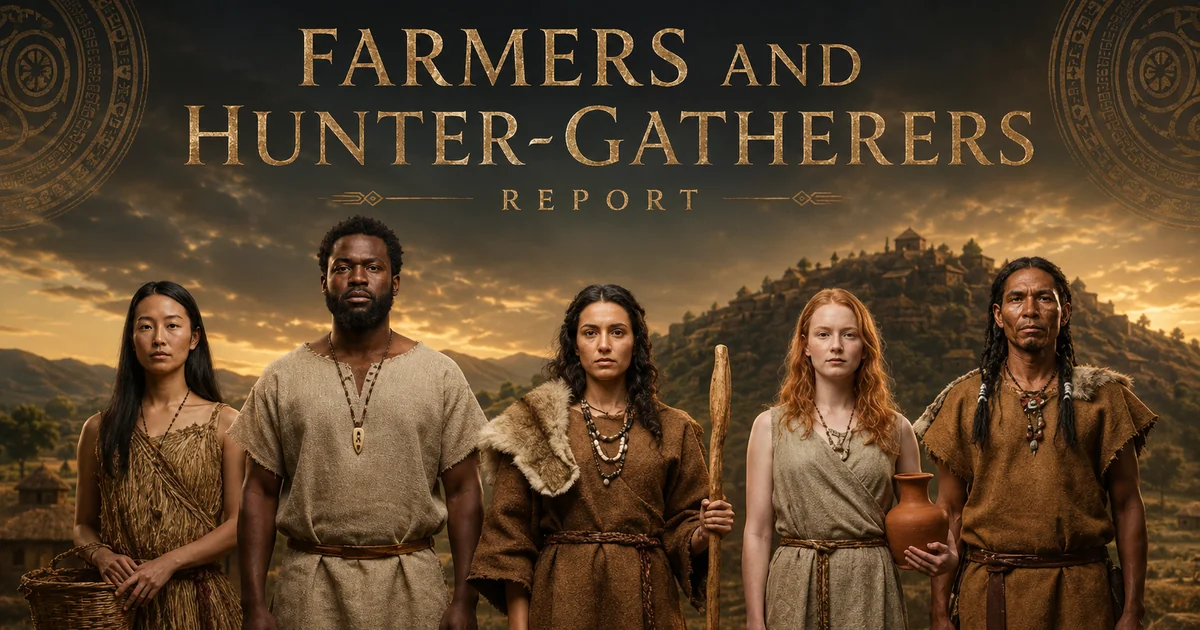
Ancient Lifeways
Farmers, hunters, and the roots of civilization
Uncovering your prehistoric heritage...
Analyzing ancient population markers
Before cities. Before borders. Before history.
Your Ancient Heritage Revealed
Your DNA carries the memory of humanity's first ways of living ? the foragers who read the land, and the farmers who shaped it.
Your Top Genetic Connections
These ancient populations share the strongest genetic similarity with you, windows into lives genetically connected to your own.
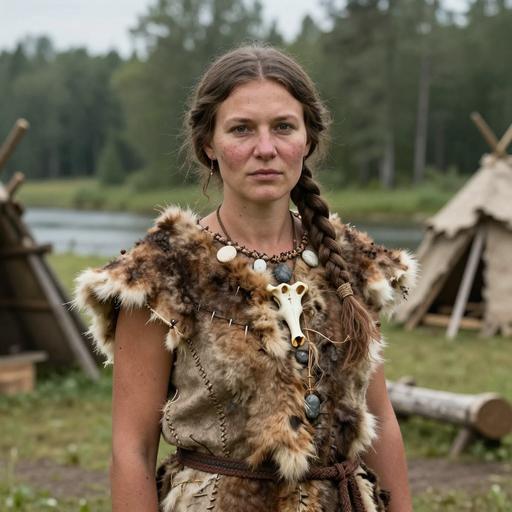
Sidelkino Forest-Steppe Hunters
24.0% match
These hunter-gatherers lived in the transitional zone between forest and steppe, exploiting both environments. They developed complex seasonal strateg...
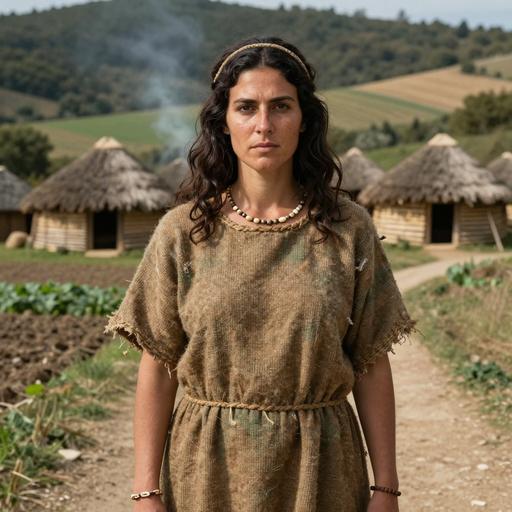
Iberian Early Neolithic Farmers
22.0% match
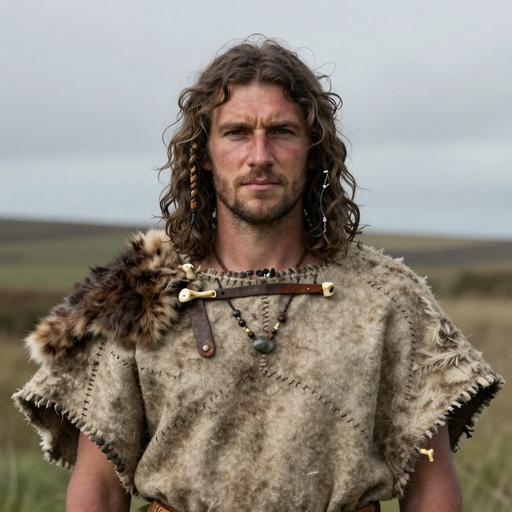
Scottish Neolithic Farmers
16.2% match
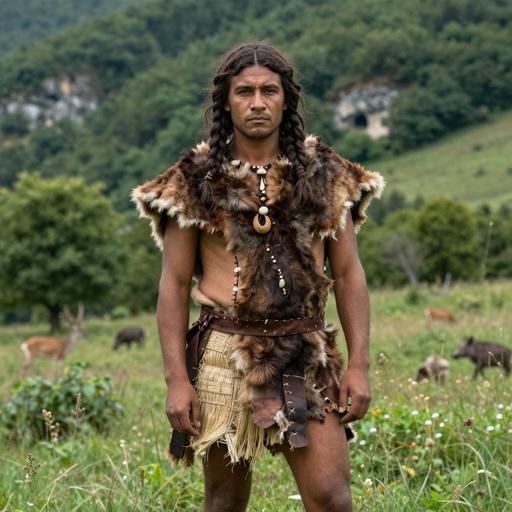
Caucasus Mountain Hunter-Gatherers
10.0% match
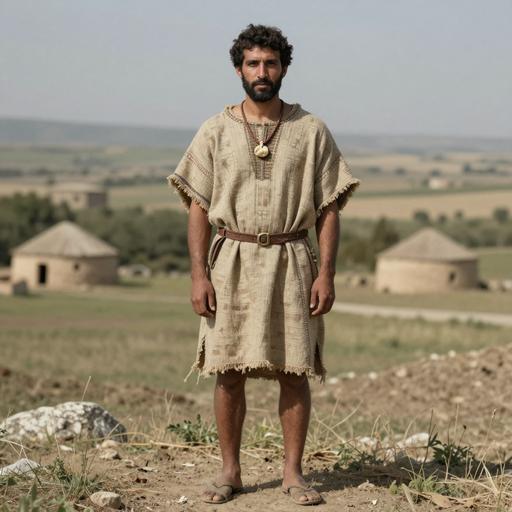
Early Anatolian Agricultural Pioneers
7.8% match
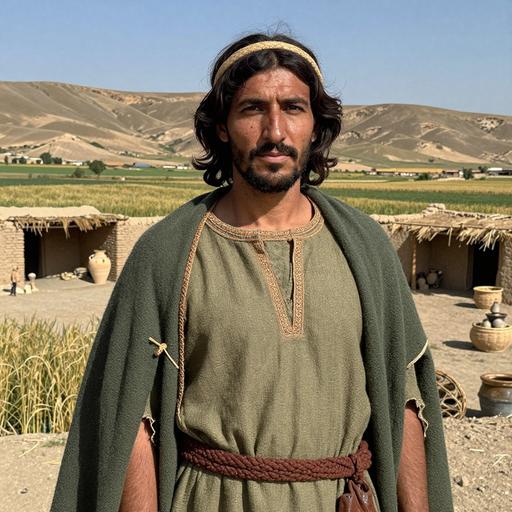
Zagros Mountain Early Farmers
7.4% match
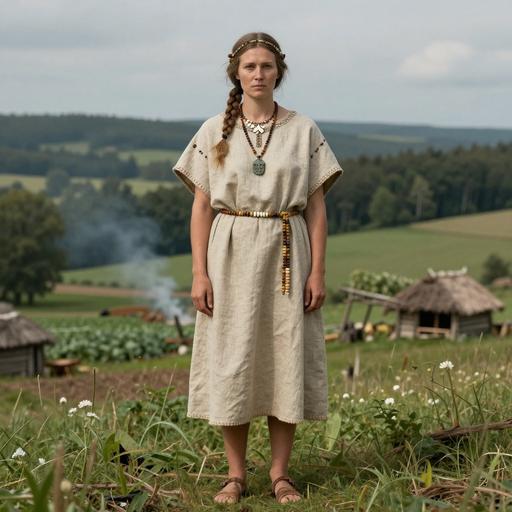
Swedish Funnel Beaker Farmers
5.4% match
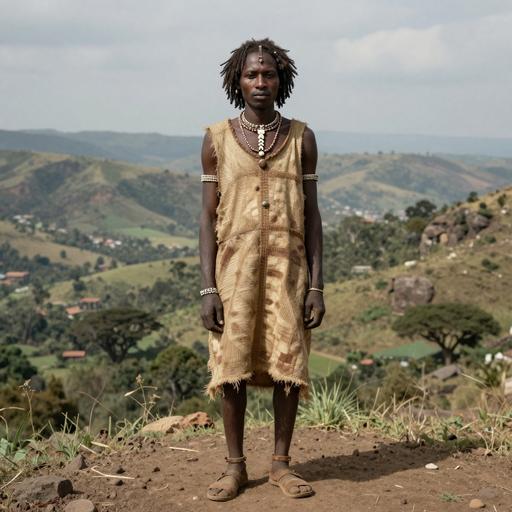
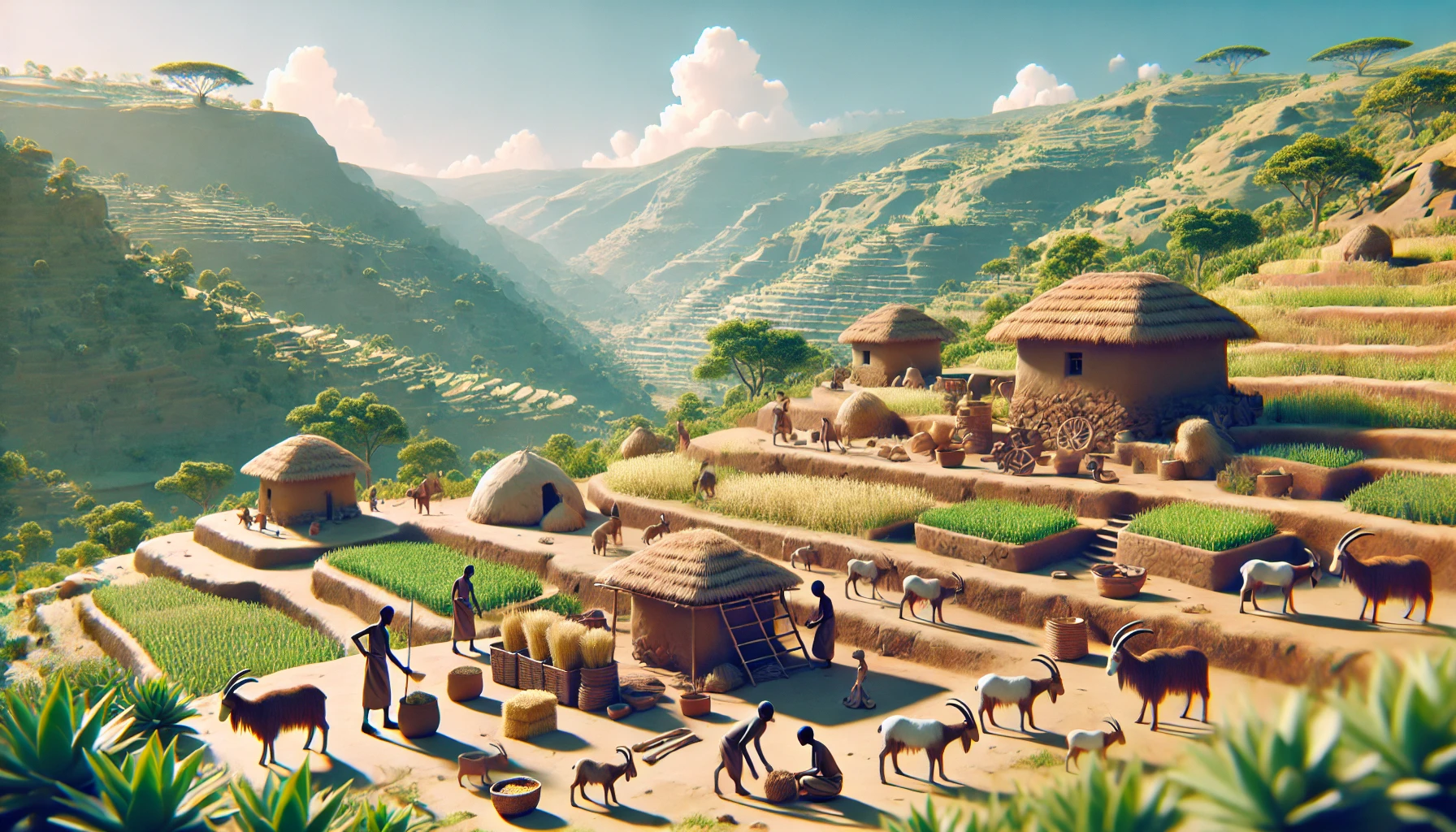
Ethiopian Highland Agropastoralists
4.6% match
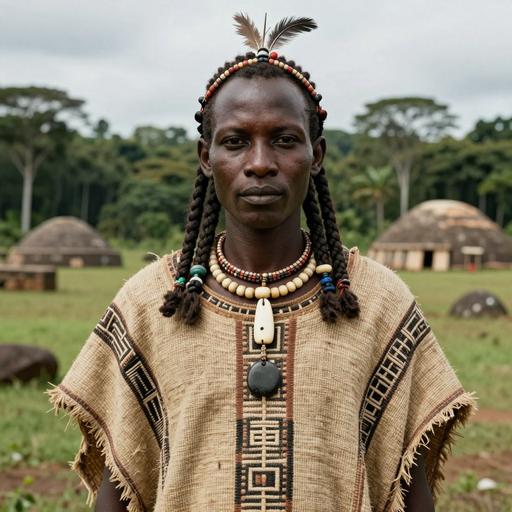
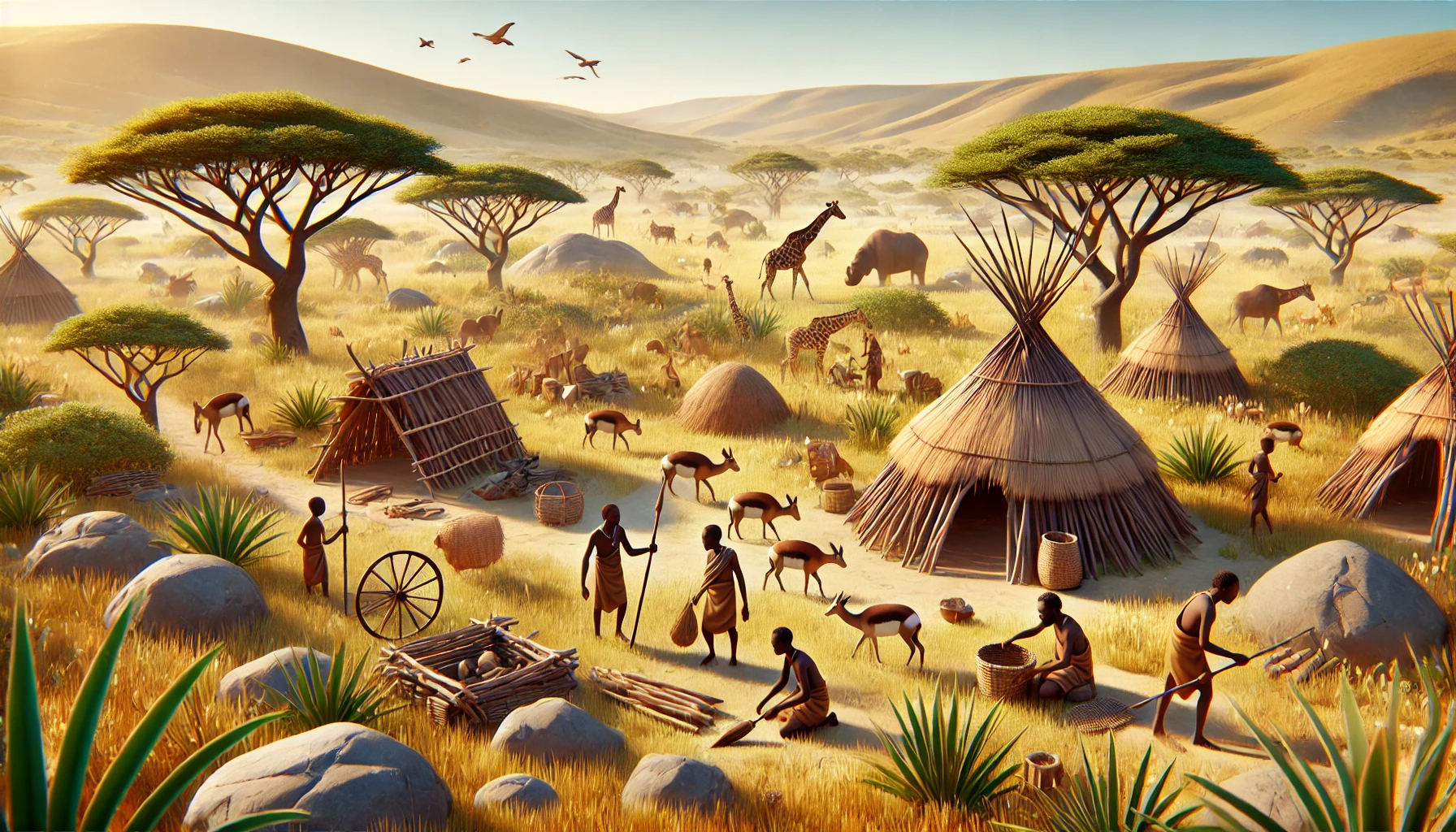
Cameroon Forest-Savanna Hunter-Gatherers
1.6% match
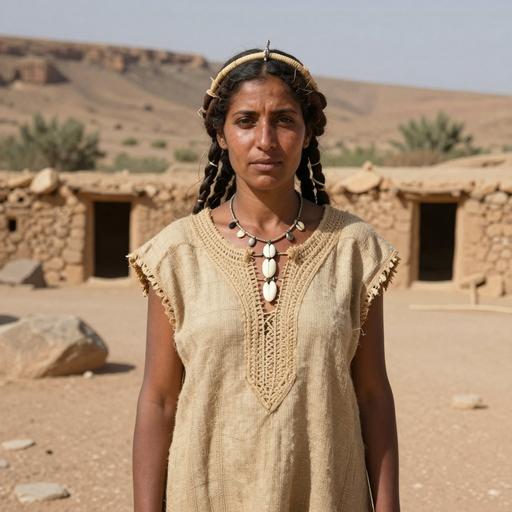
Moroccan Early Farmers
0.8% match
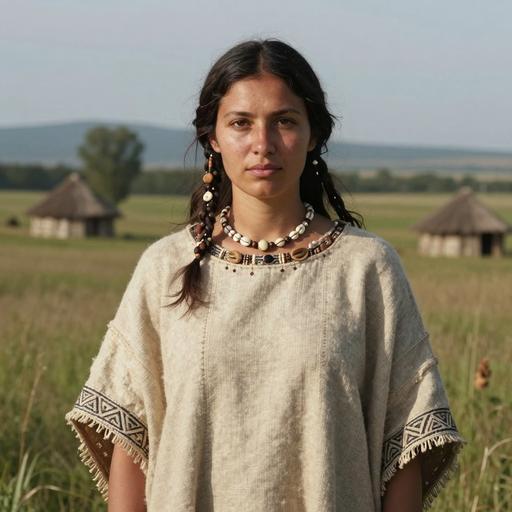
Lake Baikal Fisher-Hunters
0.2% match
"These are not strangers from the past. They are the people whose DNA you carry."
When They Lived
Journey through 12,000 years of human history ? from the last Ice Age to the rise of great civilizations.
Your Ancient Matches Through Time
12,500 BC — 2,350 BC
.webp)
.webp)
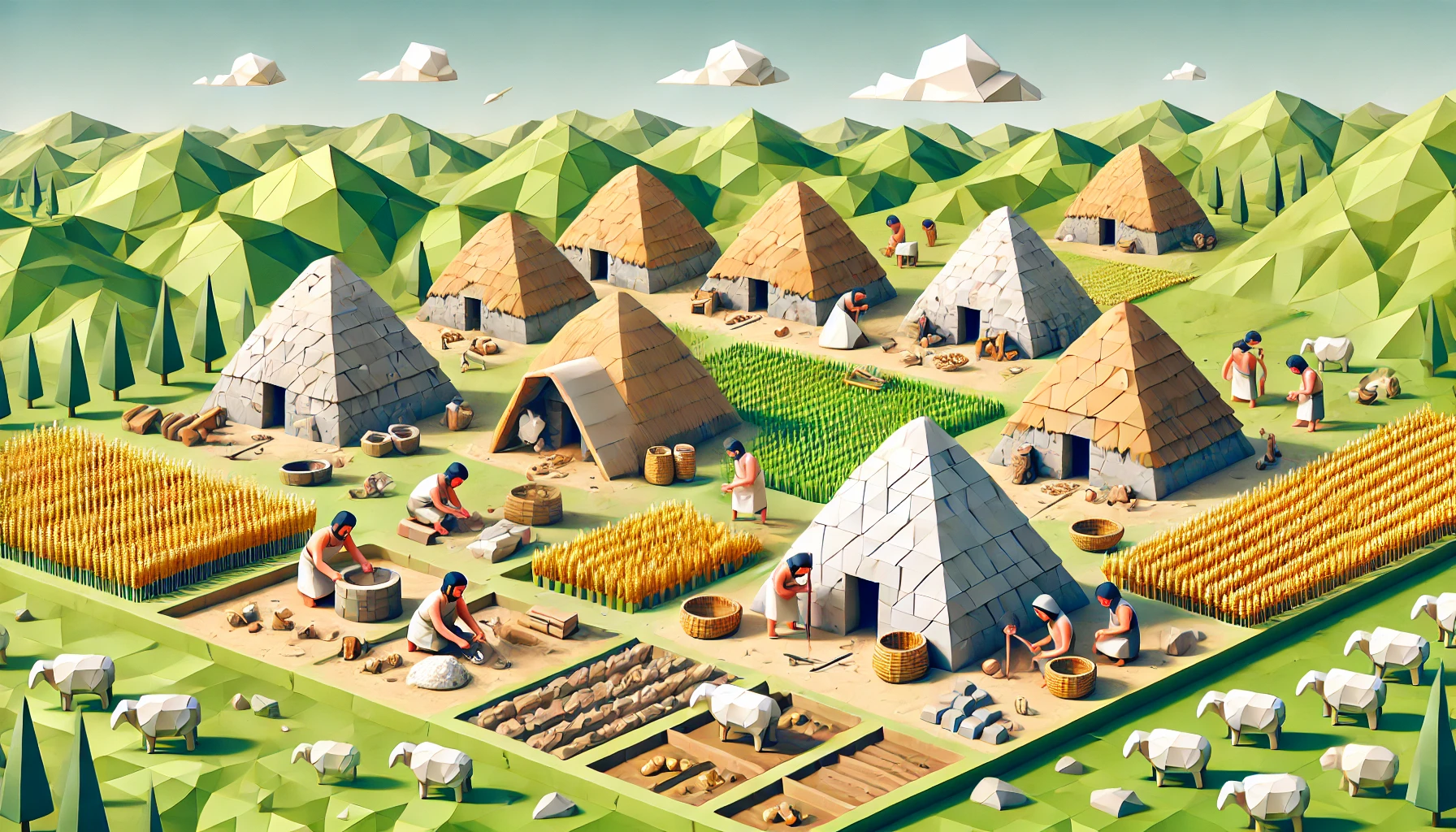
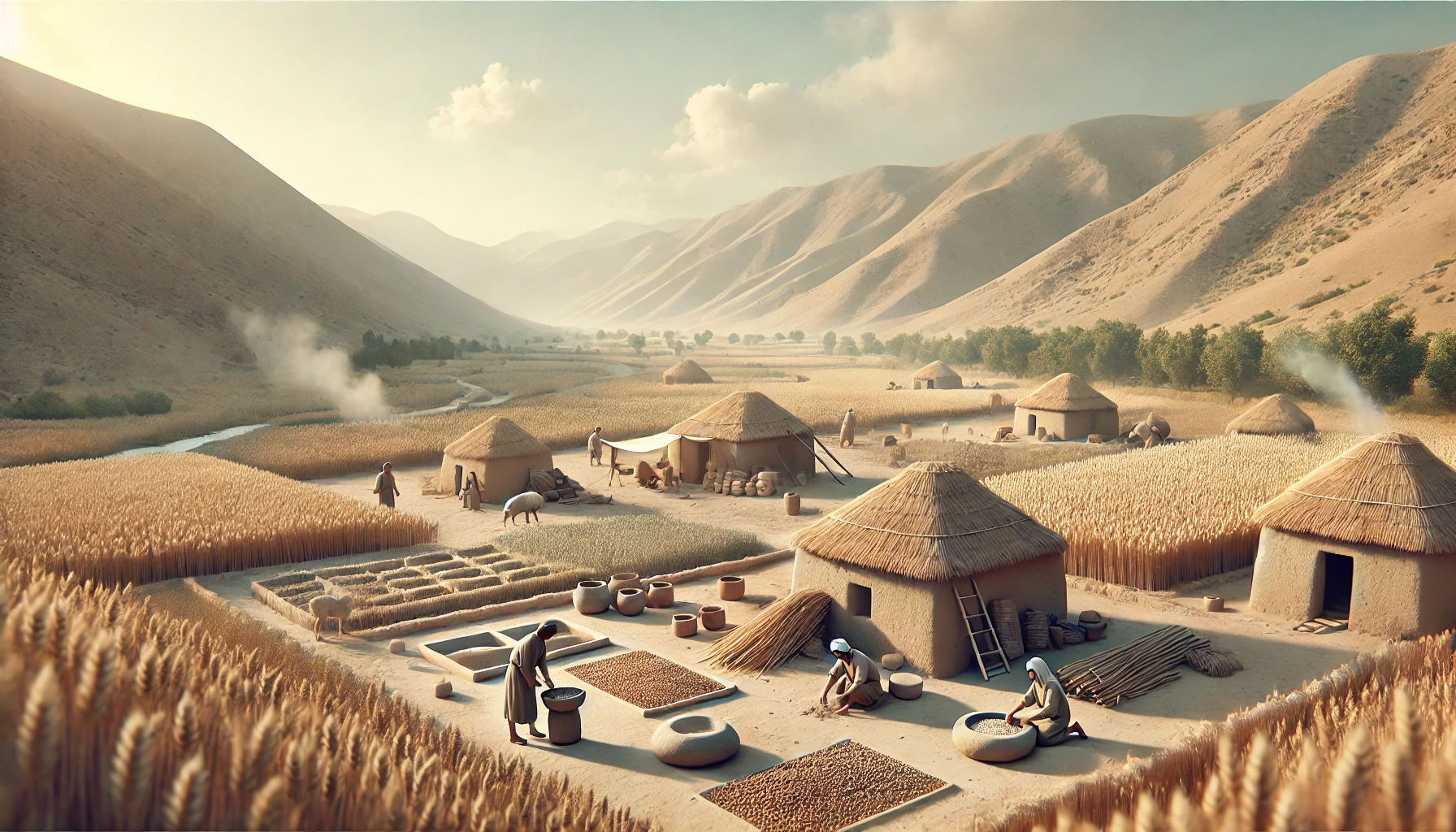
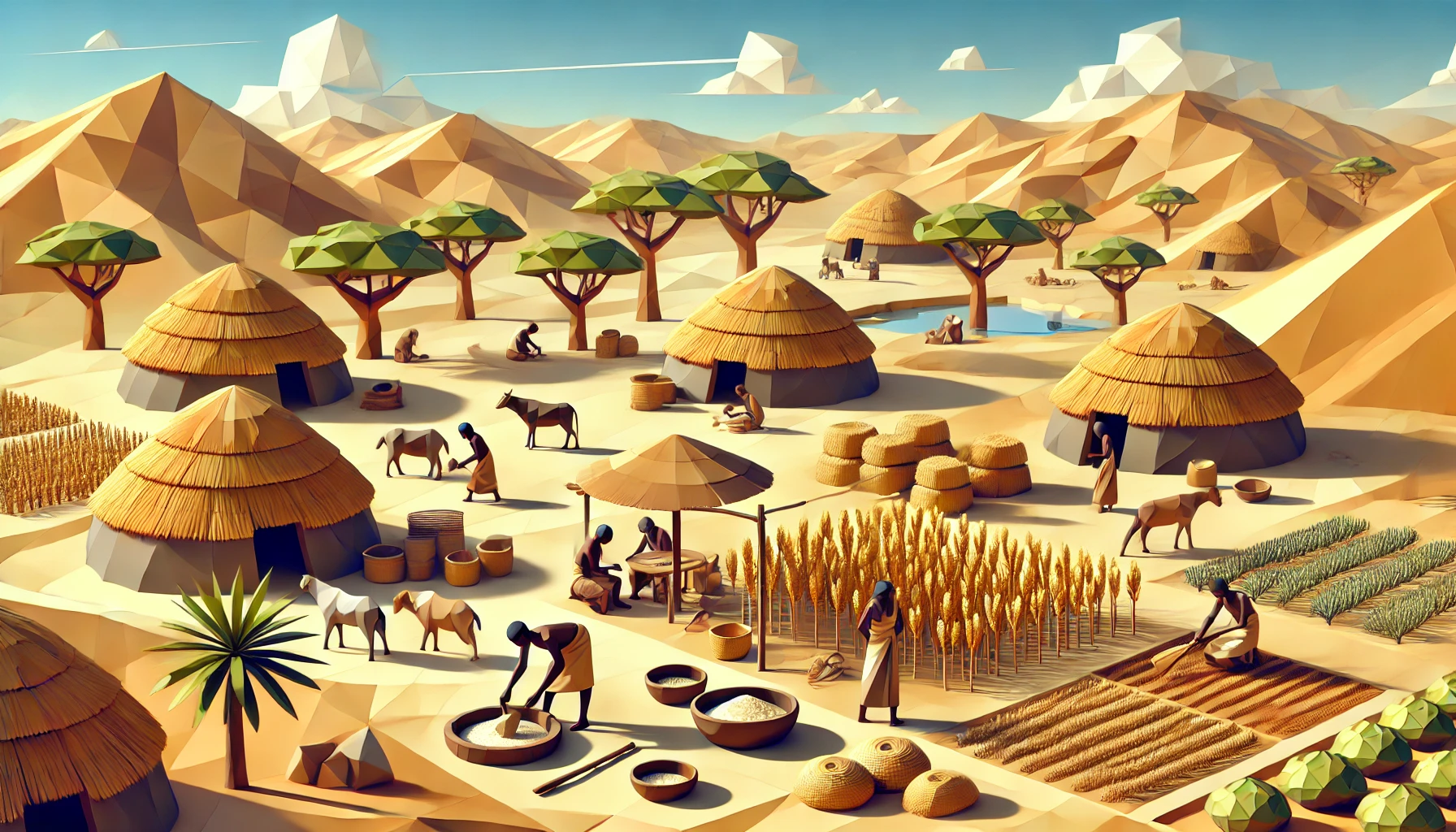
.webp)
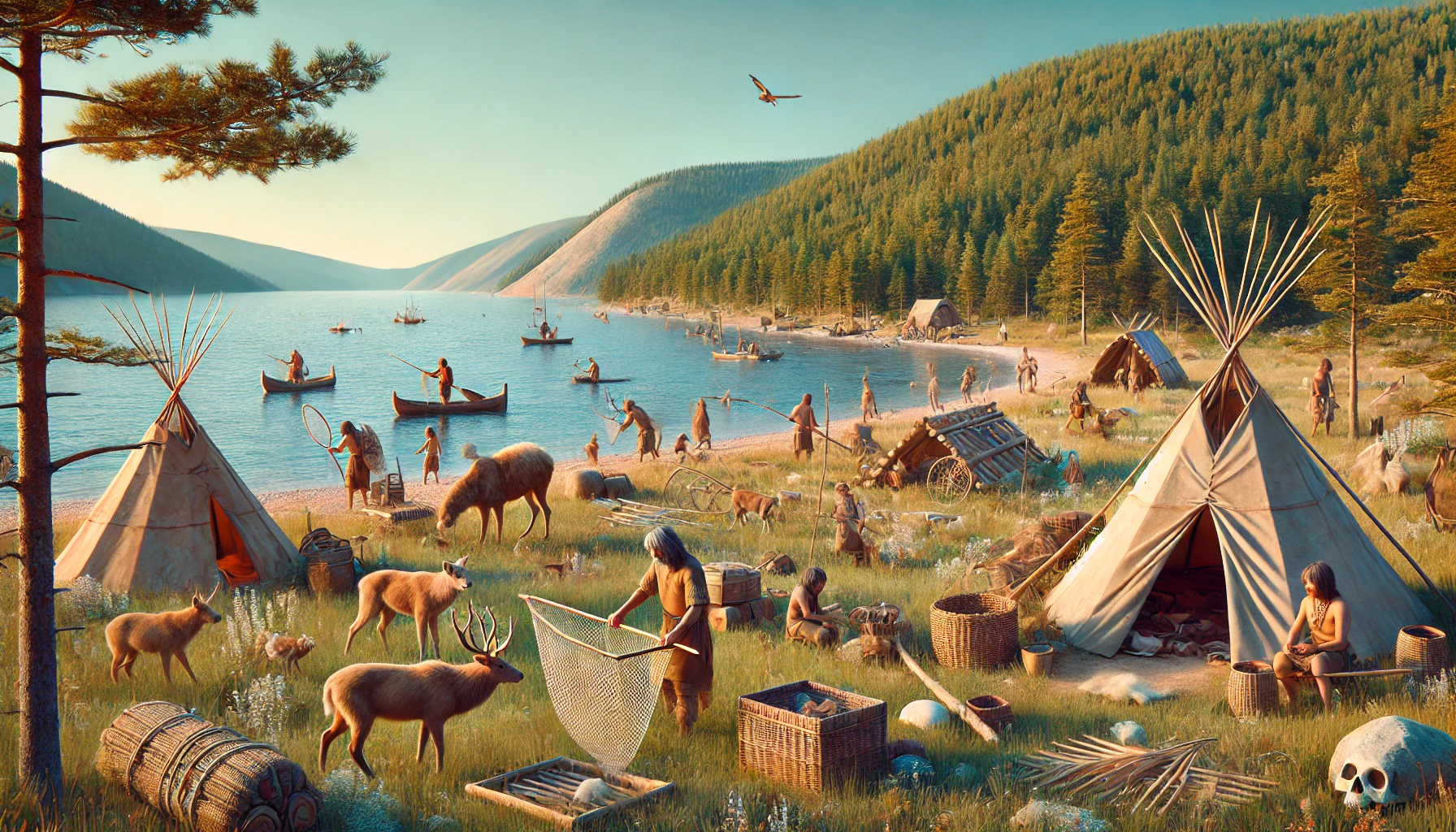
Where They Roamed
From the forests of Europe to the mountains of the Near East ? explore the lands your ancient ancestors called home.
ROUTES
ACTIVE CULTURES
Routes and dates reflect scholarship as of 2025 and may be revised as new research emerges.
Geographic Distribution
| Population | Type | Location | Match |
|---|---|---|---|
| Sidelkino Forest-Steppe Hunters | hunter | Middle Volga region (Russia) | 24.00% |
| Iberian Early Neolithic Farmers | farmer | Northern Spain | 22.00% |
| Scottish Neolithic Farmers | farmer | Scotland | 16.20% |
| Caucasus Mountain Hunter-Gatherers | hunter | Georgia, Caucasus Mountains | 10.00% |
| Early Anatolian Agricultural Pioneers | farmer | Central Anatolia (modern Turkey) | 7.80% |
| Zagros Mountain Early Farmers | farmer | Zagros Mountains, Iran | 7.40% |
| Swedish Funnel Beaker Farmers | farmer | Southern Sweden | 5.40% |
| Ethiopian Highland Agropastoralists | hunter | Ethiopian Highlands | 4.60% |
| Ethiopian Highland Early Farmers | farmer | Ethiopian Highlands | 4.60% |
| Cameroon Forest-Savanna Hunter-Gatherers | hunter | Central Cameroon | 1.60% |
Map Guide
Click on any marker to see details about that ancient population and your genetic connection to them.
What Your DNA Reveals
The patterns in your genetic code tell a story of adaptation, survival, and the mixing of ancient ways of life.
Lifestyle Breakdown
Era Distribution
Understanding Your Heritage
Farmer Heritage
Farmer ancestry indicates genetic connections to early agricultural societies that cultivated crops and domesticated animals. These populations developed genetic adaptations for grain-based diets and dairy consumption.
Hunter-Gatherer Heritage
Hunter-gatherer ancestry reflects connections to populations that lived by foraging and hunting. They developed adaptations for high-protein diets and nomadic lifestyles in diverse environments.
Key Insights About Your Results
How You Compare
Farmer Ancestry
You have more farmer ancestry than 95% of people. Average: 35.0%
Hunter-Gatherer Ancestry
You have more hunter-gatherer ancestry than 95% of people. Average: 25.0%
Percentage Scale
Cultural Periods of Your Ancestors
Explore the historical eras that shaped your genetic heritage?from the Ice Age to the dawn of civilization.
Hunter-Gatherer Sidelkino, Russia
10,000 BC - 8,000 BCThe Mesolithic Sidelkino horizon (10,000–8000 BCE) reflects early post-glacial hunter-gatherer life in the eastern parts of the European temperate zone. Along riverine landscapes, communities developed flexible subsistence strategies, leaving behind distinctive lithic assemblages that support seasonal mobility.
Ancient Individuals from this Era
Chalcolithic Hajji Firuz
6,000 BC - 5,400 BCChalcolithic Hajji Firuz describes communities in northwestern Iran during the early sixth millennium BCE (c. 6000–5400 BCE). It is associated with the Zagros Neolithic Complex and reflects established farming and craft traditions in a high-connectivity region linking Zagros and Iranian plateau landscapes.
Ancient Individuals from this Era
Ethiopia 4500 Years Before Present
2,500 BC - 2,000 BCAround 2500–2000 BCE, communities in Ethiopia navigated a range of highland and lowland environments, blending cultivation with pastoral and craft activities. Archaeological patterns point to growing settlement organization and regional material traditions in the run-up to later, better-documented Ethiopian periods.
Ancient Individuals from this Era
Stone Mound Architecture in Cameroon
500 AD - 1,500 ADBetween roughly 500 and 1500 CE, builders in parts of Cameroon created distinctive stone mound architectural landscapes. These works reflect organized labor, local engineering knowledge, and community-level settlement practices in a forest–grassland environment.
Ancient Individuals from this Era
Late Neolithic Ust-Ida, Russia
4,000 AD - 3,000 ADLate Neolithic Ust-Ida in Siberia (4000–3000 BCE) is associated with the Ust-Ida Culture and the Baikal Neolithic Complex. The archaeological record indicates local Neolithic traditions of stone technology and settlement use in river-based environments prior to the widespread Bronze Age transformations.
Ancient Individuals from this Era
Scotland N
4,000 AD - 2,200 ADScottish Neolithic (4000–2200 BCE) marks the long-term establishment of farming communities in a variety of habitats across Scotland. Monumental architecture and everyday pottery, along with polished stone tools and new farming technologies, show how people reorganized landscapes and built enduring social identities.
Ancient Individuals from this Era
Middle Neolithic Funnel Beaker Culture, Sweden
4,000 AD - 2,800 ADDuring 4000–2800 BCE, Funnel Beaker traditions spread in parts of Sweden, linking communities to wider Neolithic networks. Archaeology emphasizes changes associated with farming, settlement organization, and distinctive ceramic forms within the broader TRB complex framework.
Ancient Individuals from this Era
Spain EN
5,600 AD - 4,500 ADIn the Early Neolithic of Iberia (5600–4500 BCE), farming and herding spread through Mediterranean-linked networks into diverse local landscapes. Cardial Culture communities brought characteristic pottery styles alongside new patterns of settlement, land use, and long-distance interaction. Archaeological evidence from this period reflects a transition from hunting-gathering to more food-producing lifeways across many parts of Spain.
Ancient Individuals from this Era
Turkey N
7,000 AD - 5,500 ADDuring 7000–5500 BCE, Neolithic communities in Anatolia built long-lasting farming settlements and developed an agricultural lifeway that transformed how people used local landscapes. Archaeological signatures emphasize early domestication economies and distinctive Neolithic material traditions across the region.
Ancient Individuals from this Era
Morocco EN
8,000 AD - 5,600 ADIn Morocco during the Early Neolithic (c. 8000–5600 BCE), farming and herding economies began to take shape alongside older local traditions. Archaeological records emphasize gradual change rather than a sudden, uniform replacement of earlier ways of life.
Ancient Individuals from this Era
Mesolithic Hunter-Gatherers of Kotias Klde
10,000 AD - 8,000 ADKotias Klde reflects Mesolithic hunter-gatherer lifeways in Georgia during the early Holocene. Archaeological evidence from the region indicates how people adapted their mobility and toolkits to post-glacial environments and changing resource patterns.
Ancient Individuals from this Era
Your Ancestry by Region
Discover how your genetic heritage is distributed across different geographic regions and population types.
Ethiopian Highlands
Central Cameroon
Modern Turkey
Caucasus Mountains
Russia
Southern Sweden
Northern Spain
Scotland
North Africa
Siberia
Iran
Archaeological Sites Connected to Your Ancestry
These remarkable archaeological sites represent places where populations genetically similar to you once lived, leaving behind evidence of their ancient ways of life.
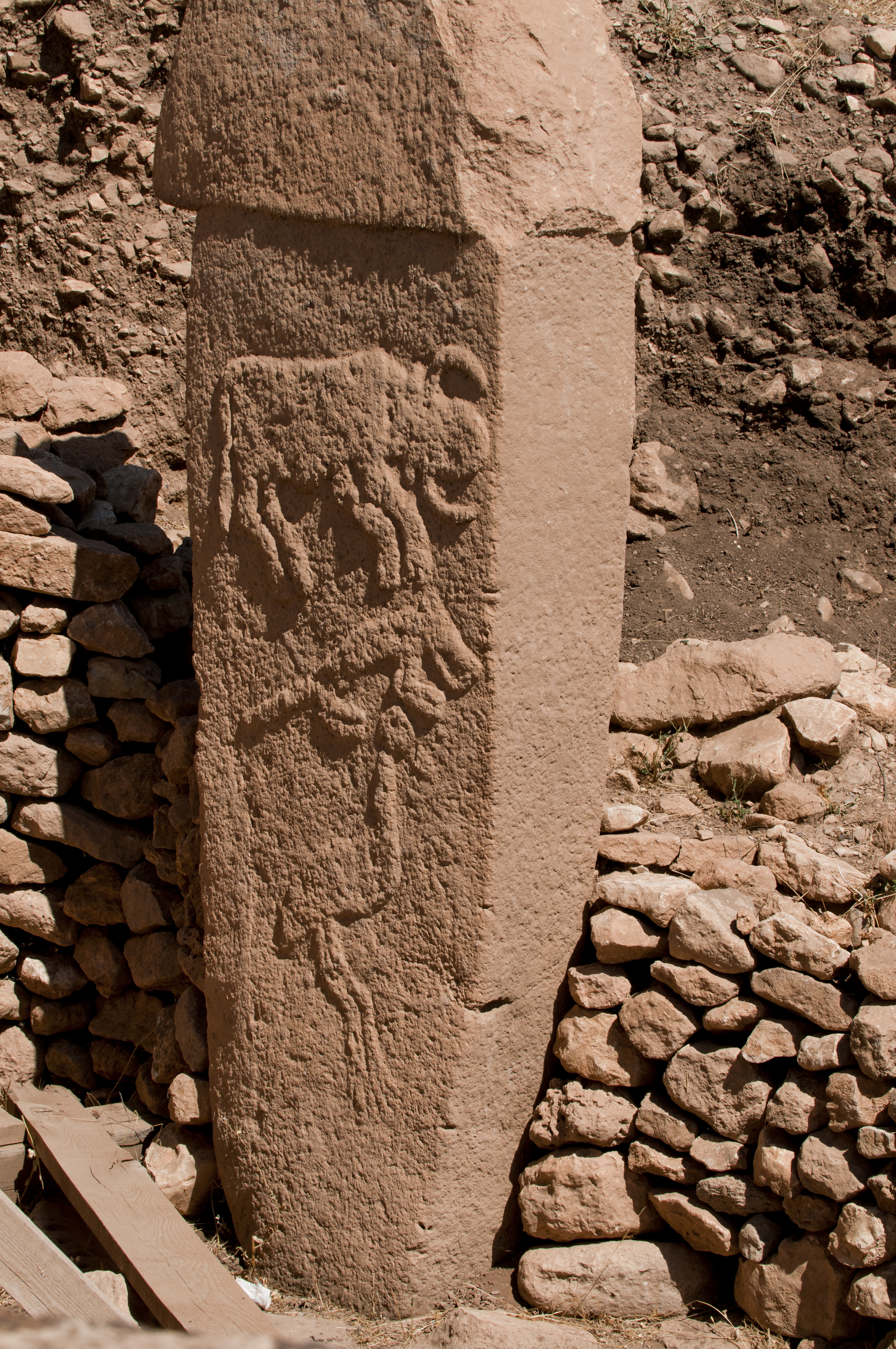
Gobekli Tepe
Southeastern Anatolia, Turkey
~9600-8000 BCE
The world's oldest known monumental sanctuary, predating agriculture itself. Massive T-shaped limestone pillars arranged in circles, decorated with carved animal reliefs (foxes, bulls, snakes, vultures), were erected by hunter-gatherers around 9600 BCE. This site revolutionized our understanding of prehistoric societies, proving that complex ritual architecture preceded settled farming. The effort required to build Gobekli Tepe may have been a catalyst for the agricultural revolution itself, as communities needed reliable food supplies to sustain the workforce.
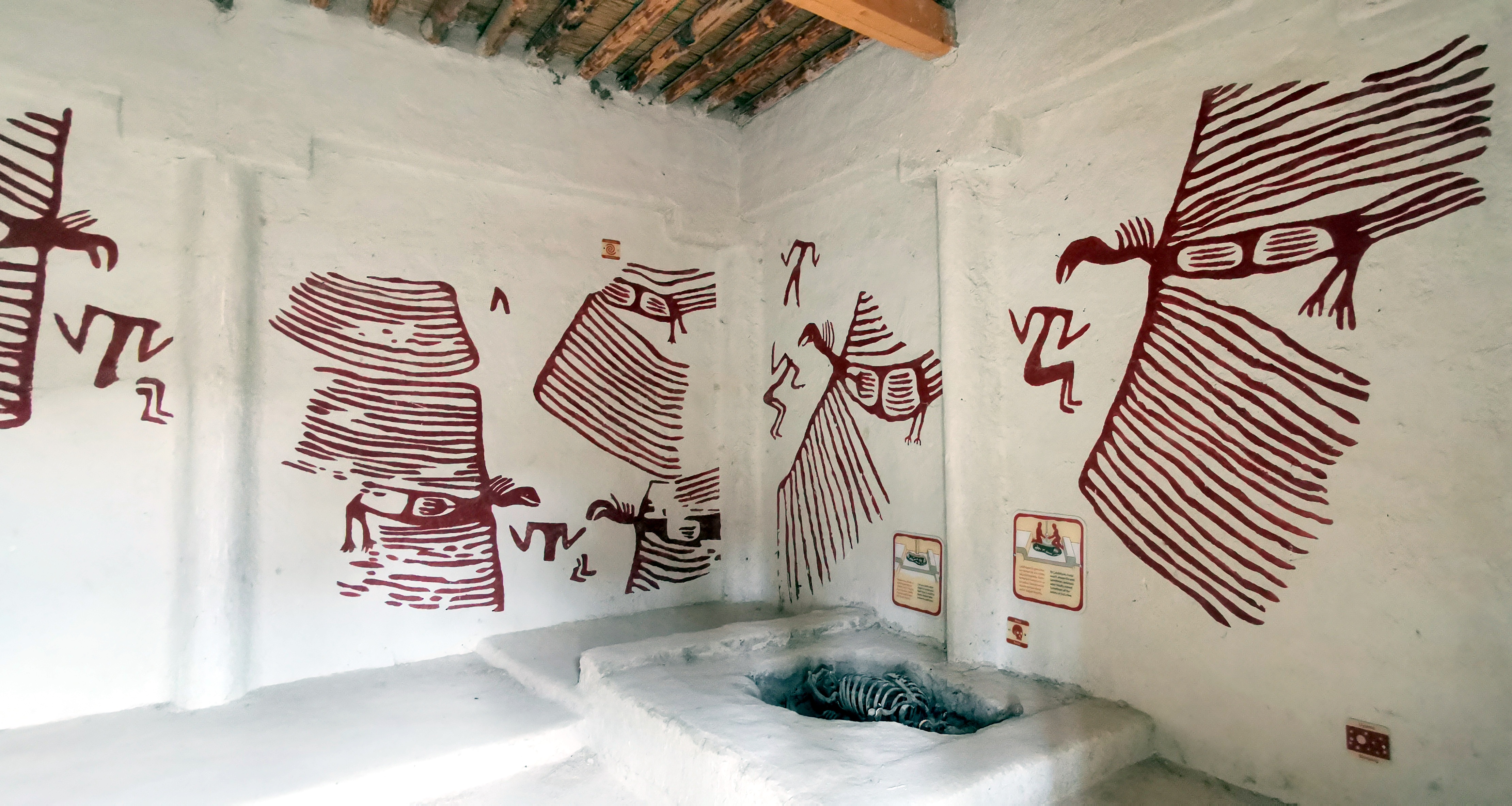
Catalhoyuk
Central Anatolia, Turkey
~7500-5700 BCE
One of the largest and best-preserved Neolithic settlements, home to an estimated 3,000-8,000 people at its peak. Houses were built wall-to-wall without streets, entered through holes in the roof. The community practiced elaborate burial rituals (interring the dead beneath house floors), created stunning wall paintings depicting hunting scenes and geometric patterns, and cultivated wheat, barley, and lentils. Catalhoyuk provides the most complete picture of early farming community life.
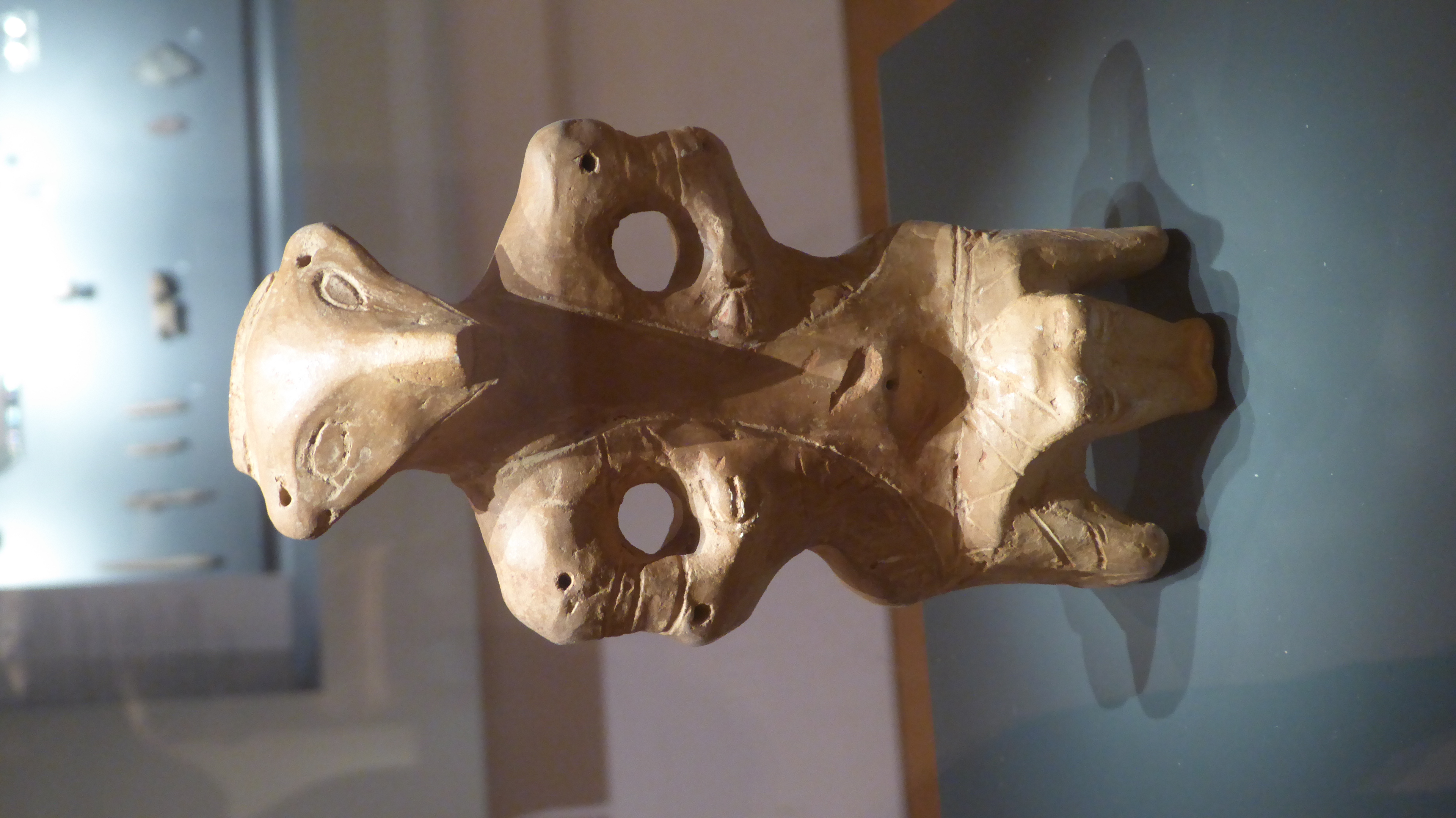
Vinca-Belo Brdo
Central Balkans, Serbia
~5700-4500 BCE
The type-site of the Vinca culture (5700-4500 BCE), one of Europe's most sophisticated Neolithic civilizations. Located on the Danube near modern Belgrade, the settlement reached 9 meters of accumulated cultural deposits over 2,000 years of continuous habitation. The Vinca culture is famous for its enigmatic symbols (the Vinca symbols, sometimes controversially called 'Old European script'), elaborate anthropomorphic figurines, copper smelting (among the earliest in the world), and long-distance trade networks spanning hundreds of kilometers.
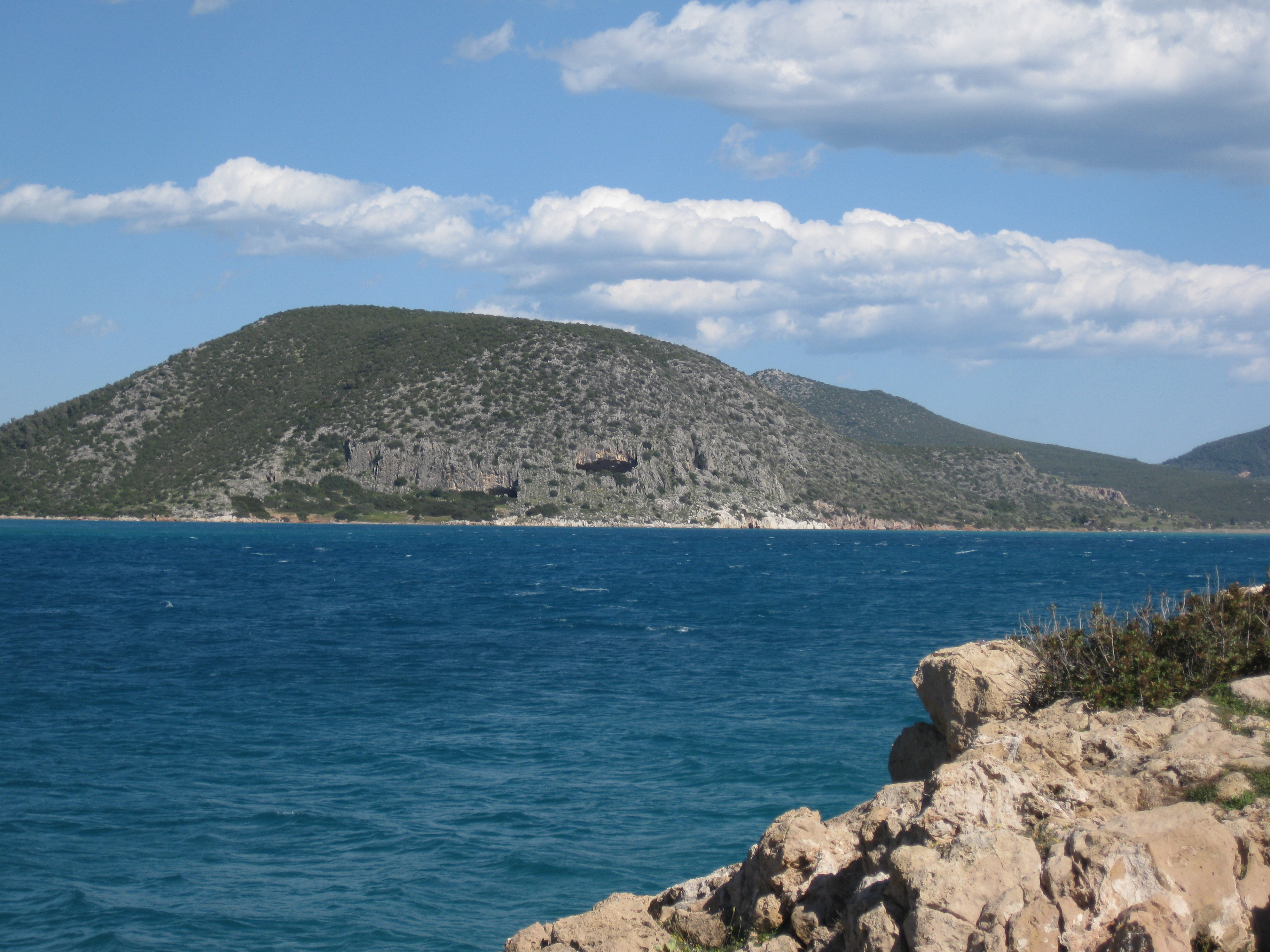
Franchthi Cave
Argolid, Peloponnese, Greece
~38000-3000 BCE (Neolithic layers: ~7000-3000 BCE)
An extraordinary cave in the Argolid region of Greece with continuous human occupation spanning from the Upper Paleolithic through the Neolithic (38,000-3000 BCE). The deep stratigraphic sequence documents the entire transition from hunting and gathering to farming in one location. Key discoveries include obsidian from the island of Melos (proving seafaring capabilities by 11,000 BCE), the earliest evidence of tuna fishing in the Mediterranean, and a gradual adoption of domesticated plants and animals during the 7th millennium BCE.
Genetic Continuity with Modern Populations
Your ancient farmer and hunter-gatherer ancestry shows remarkable continuity with certain modern populations. These comparisons reveal how genetic legacies persist across millennia.
Spanish
85% similaritySpain
Modern Spanish populations show a complex ancestry profile reflecting the Mediterranean coastal Neolithic expansion, subsequent Mesolithic hunter-gatherer admixture, and moderate Bronze Age steppe input. Regional variation is significant, with southern Spain showing more EEF ancestry and northern regions showing more WHG.
Similar farmer ancestry (60%)
Mediterranean Neolithic with moderate steppe input
Sardinian
84% similaritySardinia, Italy
Sardinians are the modern European population with the highest proportion of Early European Farmer (EEF) ancestry, reflecting their geographic isolation on the Mediterranean island. They experienced minimal steppe migration impact compared to mainland Europeans.
Genetic similarity based on component analysis
Highest EEF ancestry in modern Europe
Basque
83% similarityBasque Country, Spain/France
The Basque people of northern Spain and southwestern France retain unusually high levels of pre-Bronze Age European ancestry. Their unique non-Indo-European language suggests cultural continuity from the Neolithic, and genetic studies confirm they carry elevated EEF ancestry with less steppe admixture than surrounding populations.
Genetic similarity based on component analysis
Pre-Indo-European language isolate with high EEF
Tuscan
81% similarityTuscany, Italy
Tuscan Italians carry a high proportion of Early European Farmer ancestry, consistent with the Italian peninsula's position as a primary recipient of Neolithic migration via both the Balkan and Mediterranean coastal routes. Steppe ancestry is present but lower than in Northern Europe.
Genetic similarity based on component analysis
High EEF from dual Neolithic migration routes
Iranian
80% similarityIran
Modern Iranians carry a distinctive ancestry profile dominated by Zagros Neolithic farmer ancestry rather than Anatolian farmer ancestry. The Zagros farming tradition, centered in the Fertile Crescent's eastern wing, developed independently from the Anatolian tradition and contributed substantially to populations across Iran, the Caucasus, and parts of South Asia.
Similar farmer ancestry (55%)
Zagros Neolithic farmer ancestry rather than Anatolian
The Neolithic Revolution
The transition from hunting and gathering to farming was one of humanity's most transformative periods. Your DNA carries the genetic legacy of this profound change.
Around 12,000 years ago, humanity began a revolution that would reshape the world. In the Fertile Crescent? a region spanning modern-day Turkey, Syria, Iraq, and Iran?people began to domesticate plants and animals. This shift from foraging to farming marked the beginning of the Neolithic period and fundamentally changed human society, diet, and genetics.
Early farmers developed genetic adaptations for digesting grains and dairy products. They built permanent settlements, developed new technologies, and their populations grew rapidly. Over thousands of years, farming spread across Europe, carried by migrating populations and adopted by local hunter-gatherers.
Your genetic profile reveals the complex story of this transition. The balance between farmer and hunter-gatherer ancestry in your DNA reflects the mixing of populations, the adoption of new technologies, and the persistence of ancient ways of life. Your genetic profile shows similarity to some of the earliest farmers, alongside signals connected to populations that maintained traditional foraging lifestyles for millennia.
This genetic diversity is a testament to humanity's adaptability and the rich tapestry of our shared past. Every percentage point in your ancestry represents thousands of years of human history, migration, and cultural exchange.
Your Genetic Achievements
Celebrate the unique aspects of your genetic heritage with these personalized achievements.
Ancient Explorer
Your genetic profile shows similarity to exceptionally diverse geographic regions
Diverse Roots
Connected to 5 or more distinct ancient populations
Unique Profile
Your genetic similarity profile is highly distinctive
Explore All Populations
Browse the complete catalog of ancient populations in your ancestry profile.
24.0%
Sidelkino Forest-Steppe Hunters
These hunter-gatherers lived in the transitional zone between forest and steppe, exploiting both environments. They deve...
22.0%
Iberian Early Neolithic Farmers
Early adopters of agriculture in Iberia, cultivating wheat, barley, and legumes while maintaining domestic livestock. De...
16.2%
Scottish Neolithic Farmers
Adapted farming practices to challenging northern conditions, combining agriculture with pastoral activities and marine ...
10.0%
Caucasus Mountain Hunter-Gatherers
These mountain-adapted peoples developed unique strategies for surviving in the challenging Caucasus environment. They w...
7.8%
Early Anatolian Agricultural Pioneers
These early farmers represent one of humanity's first transitions to agriculture. They lived in large settled communitie...
7.4%
Zagros Mountain Early Farmers
These mountain farmers developed unique agricultural practices adapted to high-altitude environments. They were among th...
5.4%
Swedish Funnel Beaker Farmers
Members of the Funnel Beaker Culture (TRB), representing the adaptation of farming to Scandinavian conditions. Developed...
4.6%
Ethiopian Highland Agropastoralists
These highland dwellers developed unique agricultural practices adapted to high-altitude environments. They combined cat...
1.6%
Cameroon Forest-Savanna Hunter-Gatherers
These groups inhabited the ecologically diverse region between rainforest and savanna, developing sophisticated technolo...
0.8%
Moroccan Early Farmers
These early North African farmers developed unique agricultural practices adapted to semi-arid conditions. They combined...
0.2%
Lake Baikal Fisher-Hunters
These lake-dwelling peoples developed sophisticated fishing and hunting techniques, creating elaborate bone and stone to...
Understanding Your Results
Common questions about ancient ancestry analysis and what the science reveals.
The percentages represent genetic similarity to ancient populations, calculated using ADMIXTURE analysis. Higher percentages indicate stronger genetic affinity to that ancient population. Multiple populations can contribute to your ancestry simultaneously.
Having both farmer and hunter-gatherer ancestry is completely normal. During the Neolithic Transition (10,000-5,000 BCE), farming spread from the Middle East into Europe, mixing with existing hunter-gatherer populations. Your genetic profile is a mosaic of these ancient populations.
Maritime populations represent specialized adaptations to coastal and seafaring lifestyles. Islander populations show more specialized adaptations due to geographic isolation, including unique genetic drift patterns.
This report uses established genetic analysis methods:
ADMIXTURE Analysis
Custom analysis optimized for ancient population modeling.
Ancient DNA Database
Thousands of verified ancient genomes from archaeological sites.
This report compares your genetic profile to diverse ancient populations spanning approximately 12,000 to 3,000 BCE, including:
Early Farming Societies
- Anatolian Farmers (9,000-8,000 BCE)
- Zagros Mountain Farmers (7,000-6,000 BCE)
- Levantine Farmers
Hunter-Gatherer Societies
- Western European Hunter-Gatherers
- Eastern European Hunter-Gatherers
- Scandinavian Hunter-Gatherers
All methods are based on peer-reviewed research and validated through comparison with known population histories from published studies.
Your Heritage Summary
A shareable snapshot of your ancient genetic heritage.

Farmers & Hunter-Gatherers
Demo ReportTop Connections
Share Your Ancient Balance
Turn your Farmer / Hunter-Gatherer ratio into a shareable vertical infographic.
AI Infographic
Generate a shareable vertical infographic from your Farmer / Hunter-Gatherer ancestry ratio. Uses the same AI image credits as G25 Studio.
AI-Powered Insights
Get personalized analysis of your ancient heritage from our AI assistant.
AI ASSISTANT by DNAGENICS
Get AI-powered insights about your Farmers and Hunter-Gatherers ancestry, migration patterns, and historical context.
AI-generated interpretation of genetic similarity, not proof of ancestry. Informational only, not professional advice.
Read full notice
Before you continue: the analysis you are about to generate is produced by an AI model. AI output can be incomplete, inaccurate, or simply wrong. It describes statistical genetic similarity to reference populations and is not proof of ancestry, ethnicity, identity, or descent. It is provided for informational and educational purposes only, and is not medical, diagnostic, genealogical, legal, or other professional advice. Do not rely on it to make health, financial, legal, or family decisions. To the fullest extent permitted by applicable law, DNA Genics, S.L. accepts no liability for any loss or decision arising from your use of this AI output.
Try these questions: