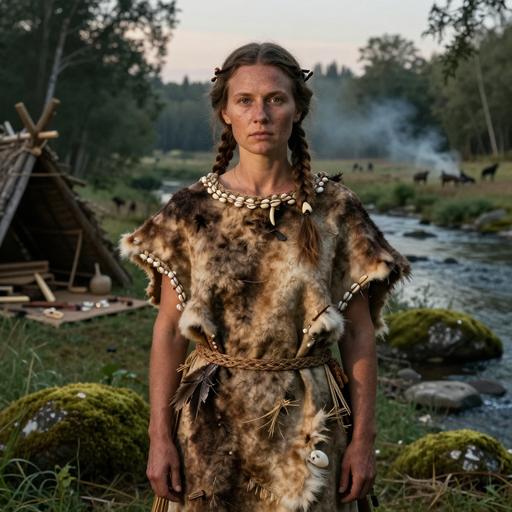
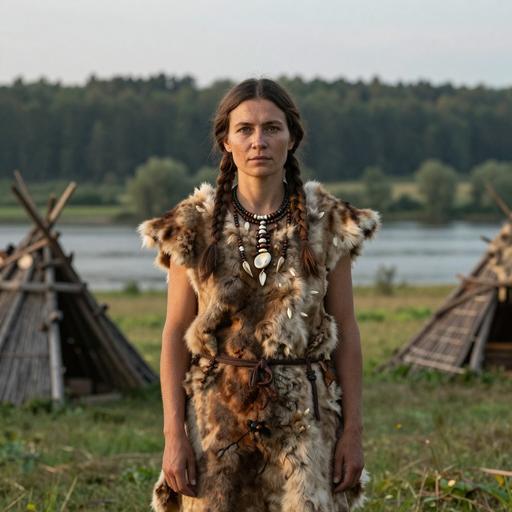
Archaeological traces paint a cinematic but pragmatic picture of Mesolithic life along rivers and wetlands. Camps and kill sites clustered near the Dnipro and smaller tributaries exploited a rich mosaic of fish, waterfowl, and large ungulates; archaeological data indicates heavy reliance on seasonally available riverine resources. Lithic evidence shows standardized microliths and retouched blades suitable for composite hunting implements, while worked bone and antler point to specialized fishing and sewing technologies.
Burials and disarticulated human remains recovered at several sampling locations provided the biological material for ancient DNA studies and, where preserved, offered taphonomic glimpses into mortuary practice. Communities were likely small, kin‑based, and mobile, tracking seasonal fisheries, rutting herds, and plant resources across a shifting landscape. Material culture displays local variability rather than a single uniform tradition: Veretye‑period elements appear in the north (Vologda), while southern sites near the Dnipro show distinct toolstone choices.
Because preservation and excavation intensity vary by site, reconstruction of social structure and ritual must remain cautious. Nevertheless, the archaeological record supports a resilient, adaptive lifeway sustained across millennia on the East European Plain.