


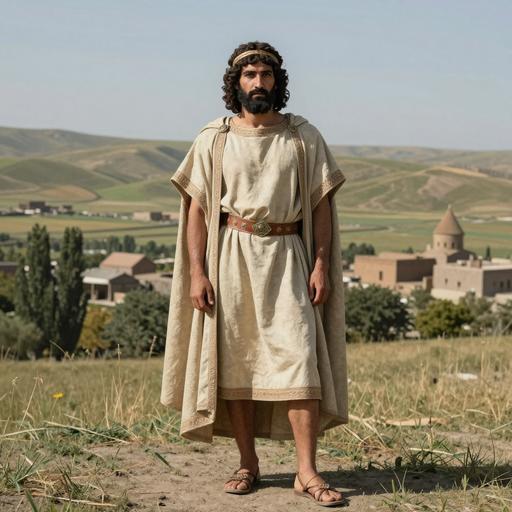
R10760
The Numido-Roman Berber Era
40 BCE
Sitifis. Necropole Orientale, Algeria
R10625
The Wielbark Culture
100 BCE
Elbląg Heights. Weklice, Poland
R10626
The Wielbark Culture
100 BCE
Elbląg Heights. Weklice, Poland
R11116
Roman Imperial Period Isola Sacra, Italy
1 CE
Isola Sacra, Italy
R11117
Roman Imperial Period Isola Sacra, Italy
1 CE
Isola Sacra, Italy
R2201
La Tène to Roman Period Púchov Culture, Bytča-Hrabové, Slovakia
100 BCE
Bytča district. Bytča-Hrabové, Slovakia
R2202
Roman Mikusovce La Tene, Slovakia
1 CE
Mikusovce, Slovakia
R11563
Late Antiquity Sarrebourg, France
131 CE
Sarrebourg. Marxberg Necropolis, France
R11651
The Achaemenid Empire
450 BCE
Shirak Province. Beniamin, Armenia
R11877
The Germanic People of Hassleben
200 CE
Sömmerda District. Hassleben, Germany
R12229
Late Antique Lebanon
431 CE
Mount Lebanon. Ej-Jaouze Tombs, Lebanon
R9669
Roman Viminacium, Serbia
129 CE
Viminacium. Pirivoj, Serbia
| Sample ID | Culture/Period | Date | Location | Action |
|---|---|---|---|---|
| R10760 | The Numido-Roman Berber Era | 40 BCE | Sitifis. Necropole Orientale, Algeria | View |
| R10625 | The Wielbark Culture | 100 BCE | Elbląg Heights. Weklice, Poland | View |
| R10626 | The Wielbark Culture | 100 BCE | Elbląg Heights. Weklice, Poland | View |
| R11116 | Roman Imperial Period Isola Sacra, Italy | 1 CE | Isola Sacra, Italy | View |
| R11117 | Roman Imperial Period Isola Sacra, Italy | 1 CE | Isola Sacra, Italy | View |
| R2201 | La Tène to Roman Period Púchov Culture, Bytča-Hrabové, Slovakia | 100 BCE | Bytča district. Bytča-Hrabové, Slovakia | View |
| R2202 | Roman Mikusovce La Tene, Slovakia | 1 CE | Mikusovce, Slovakia | View |
| R11563 | Late Antiquity Sarrebourg, France | 131 CE | Sarrebourg. Marxberg Necropolis, France | View |
| R11651 | The Achaemenid Empire | 450 BCE | Shirak Province. Beniamin, Armenia | View |
| R11877 | The Germanic People of Hassleben | 200 CE | Sömmerda District. Hassleben, Germany | View |
| R12229 | Late Antique Lebanon | 431 CE | Mount Lebanon. Ej-Jaouze Tombs, Lebanon | View |
| R9669 | Roman Viminacium, Serbia | 129 CE | Viminacium. Pirivoj, Serbia | View |
| R9673 | Roman Viminacium, Serbia | 79 CE | Viminacium. Pirivoj, Serbia | View |
| R2066 | Roman Metz Gallo-Roman | 1297 CE | Metz. Saint-Pierre-aux-Nannains, France | View |
| R2200 | La Tène to Roman Period Púchov Culture, Bytča-Hrabové, Slovakia | 50 BCE | Bytča district. Bytča-Hrabové, Slovakia | View |
| R11556 | Late Antiquity Sarrebourg, France | 229 CE | Sarrebourg. Marxberg Necropolis, France | View |
| R11557 | Late Antiquity Sarrebourg, France | 261 CE | Sarrebourg. Marxberg Necropolis, France | View |
| R10667 | Roman Period Ovilava (Wels), Austria | 124 CE | Upper Austria. Wels. Ovilava, Austria | View |
| R10668 | Roman Period Ovilava (Wels), Austria | 131 CE | Upper Austria. Wels. Ovilava, Austria | View |
| R10507 | Late Roman Miroico, Portugal | 250 CE | Cascais. Miroiço, Portugal | View |
R11651
The Achaemenid Empire
450 BCE
Shirak Province. Beniamin, Armenia
R11714
The Achaemenid Empire
450 BCE
Shirak Province. Beniamin, Armenia
R11540
The Achaemenid Empire
405 BCE
Shirak Province. Beniamin, Armenia
R11653
The Achaemenid Empire
450 BCE
Shirak Province. Beniamin, Armenia
R11655
The Achaemenid Empire
450 BCE
Shirak Province. Beniamin, Armenia
R11678
The Achaemenid Empire
450 BCE
Shirak Province. Beniamin, Armenia
R11713
The Achaemenid Empire
450 BCE
Shirak Province. Beniamin, Armenia
| Sample ID | Culture/Period | Date | Location | Action |
|---|---|---|---|---|
| R11651 | The Achaemenid Empire | 450 BCE | Shirak Province. Beniamin, Armenia | View |
| R11714 | The Achaemenid Empire | 450 BCE | Shirak Province. Beniamin, Armenia | View |
| R11540 | The Achaemenid Empire | 405 BCE | Shirak Province. Beniamin, Armenia | View |
| R11653 | The Achaemenid Empire | 450 BCE | Shirak Province. Beniamin, Armenia | View |
| R11655 | The Achaemenid Empire | 450 BCE | Shirak Province. Beniamin, Armenia | View |
| R11678 | The Achaemenid Empire | 450 BCE | Shirak Province. Beniamin, Armenia | View |
| R11713 | The Achaemenid Empire | 450 BCE | Shirak Province. Beniamin, Armenia | View |