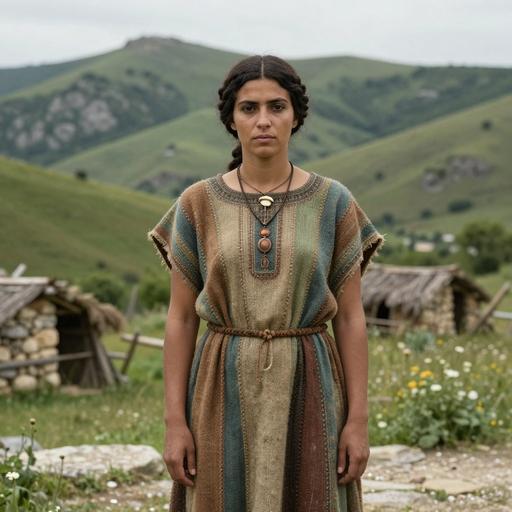
The Early Bronze Age Broion culture is a fascinating aspect of prehistoric Italy, primarily identified within the broader context of the European Bronze Age, which spanned approximately between 2300 and 1700 BCE. This era marks a significant transformation in human societies across Europe, including the Italian Peninsula, characterized by the development of metallurgy, social stratification, and complex trade networks.
Geographic and Environmental Context
The Broion culture is specifically associated with the region surrounding the Broion Cave, near the Berici Hills in northern Italy. This area, with its limestone formations, provided natural shelters and resources necessary for early human settlements. The environmental conditions during the Early Bronze Age were conducive to agriculture, with fertile grounds and a relatively mild climate favoring the production of cereals and the domestication of animals.
Cultural Characteristics
Settlement Patterns
The people of the Early Bronze Age Broion culture were predominantly settled in small, organized communities. The choice of settlement locations was strategic, often on elevated ground, which provided defense advantages and facilitated trade. The use of caves, such as the Broion Cave, as shelters and ritual spaces is particularly noteworthy, as they offer rich archaeological insights into the habitation patterns and spiritual practices of the time.
Economy and Subsistence
The economy was primarily agrarian, supplemented by hunting, gathering, and fishing. Evidence suggests that the Broion communities cultivated barley, wheat, and legumes, and they raised domesticated animals like cattle, sheep, and goats. The development of metallurgy, particularly bronze smelting, revolutionized toolmaking, enhancing agricultural productivity and expanding craft specializations.
Craftsmanship and Technology
The introduction and refinement of bronze metallurgy were pivotal during this era. The Broion culture is characterized by advancements in metalworking, evident from the variety of tools, weapons, and ornamental objects discovered in the region. Artisans employed sophisticated techniques to produce daggers, axes, pins, and personal adornments, which were not only functional but also held social and symbolic significance.
Social Structure and Organization
The emergence of metallurgy and trade brought about new social dynamics and stratifications. There was likely a hierarchical social structure, with an elite class overseeing production, trade, and religious activities. Burial practices in the area, often involving grave goods and varied rites, indicate the existence of social classes and possibly a belief in an afterlife or spiritual continuity.
Trade and Interaction
The Early Bronze Age Broion culture was part of a larger network of Mediterranean and European trade routes. The exchange of goods such as metals, ceramics, and exotic items like amber and shells reflects wide-ranging contacts with other contemporary cultures. These interactions facilitated cultural exchanges and influenced the social and technological development of the Broion communities.
Rituals and Beliefs
Archaeological findings suggest the Broion people engaged in complex spiritual and ritualistic practices. Caves in the region, including the Broion Cave, served as sacred spaces where rituals were likely conducted. Evidence of votive offerings and burial customs hints at a belief system that revered natural elements and possibly ancestral spirits, underscoring the role of religion in societal cohesion and identity.
Conclusion
The Early Bronze Age Broion culture represents a critical phase in the prehistoric development of Italy, reflecting broader European trends of technological innovation, social complexity, and economic transformation. Through archaeological study, this era provides valuable insights into the adaptive strategies of human communities in response to environmental and social challenges, highlighting the dynamic interplay between human ingenuity and the natural world. The legacy of this period is foundational in understanding the subsequent cultural developments leading into the Middle and Late Bronze Age in Italy and beyond.