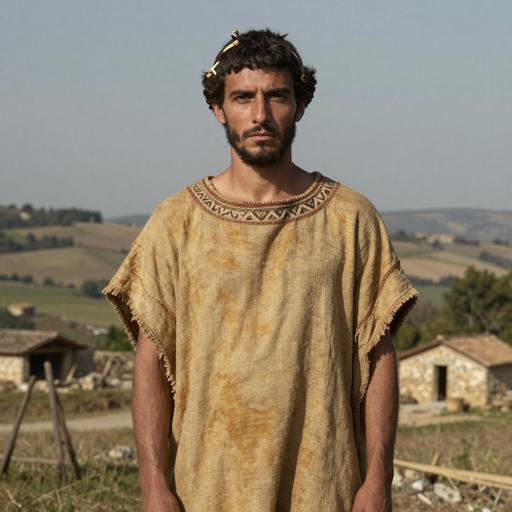
The Chalcolithic, also known as the Copper Age, marks a transitional period between the Neolithic and the Bronze Age, characterized by the first use of metal (copper) alongside stone tools. In Italy, particularly within the region of Gattolino, this era witnessed significant socio-cultural and technological transformations, reflecting broader patterns observed across Europe.
Geographical Context
Gattolino, a site in Italy, offers a rich archaeological context for understanding the Chalcolithic period. Situated in a region with diverse landscapes, including fertile plains, rolling hills, and access to the coast, Gattolino would have been ideal for early agricultural communities. The proximity to mineral resources, particularly copper, would have facilitated the early adoption of metalworking.
Cultural and Technological Advances
Metalwork Introduction: The hallmark of the Chalcolithic is the introduction of copper metallurgy. In Gattolino, the discovery of early smelting sites, copper tools, and ornaments such as beads and pendants indicates an emerging metallurgical knowledge. This marks a gradual shift from exclusive reliance on stone tools to the incorporation of metal, which would have affected various aspects of daily life and labor.
Agriculture and Subsistence: The Chalcolithic in Gattolino was characterized by mixed agriculture. Communities practiced crop cultivation and animal domestication, as evidenced by pollen and faunal remains. This period likely saw advancements in agricultural techniques, possibly including the use of early plows and improved irrigation methods, supported by the fertile lands of the region.
Settlements and Architecture: Archaeological evidence suggests the development of semi-permanent settlements in the Gattolino area. These communities were likely organized into small, kin-based groups living in circular or oval-shaped huts built from wattle and daub. The layout of settlements often reflected social structures and communal activities, with central spaces possibly used for gatherings or rituals.
Social Structure and Culture
Social Organization: While explicit evidence from Gattolino is limited, Chalcolithic society in general was likely organized in relatively egalitarian structures with some evidence of emerging social stratification. The presence of prestige items like copper ornaments could indicate the beginning of social differentiation based on access to resources and metalworking skills.
Trade and Interaction: The Chalcolithic period saw increased trade and interaction between communities. Gattolino, with its access to copper resources, would have been integrated into wider trade networks extending across the Italian peninsula and beyond. Exchange likely included raw materials, finished metal goods, and cultural ideas, contributing to regional interconnectedness.
Rituals and Beliefs: While the specifics are difficult to define, ritual life during the Chalcolithic in Gattolino might have involved ancestor worship or nature-based belief systems. Megalithic structures, often linked to this period, suggest a symbolic or ceremonial use of space that may have been part of community identity and cohesion.
Artistic and Cultural Expressions
Art and Ornamentation: Artistic expressions in the Chalcolithic Gattolino primarily manifest through personal adornments such as beads and pendants, often made from exotic materials obtained through trade. Pottery styles from the period often feature simple yet effective decorative motifs, reflecting both utilitarian function and aesthetic expression.
Ceramics: Pottery in this era was usually handcrafted and fired at low temperatures. The presence of burnished pottery with incised patterns or painted designs suggests an evolution in craftsmanship and aesthetic preferences.
Conclusion
The Chalcolithic period in Gattolino, Italy, represents a crucial phase of technological innovation and cultural development. The community's engagement with copper metallurgy set the stage for subsequent advances in societal complexity that would define the Bronze Age. Understanding the Chalcolithic culture in this Italian region offers valuable insights into the adaptive strategies of early European farmers and metalworkers, illustrating a dynamic period of change at the dawn of history.