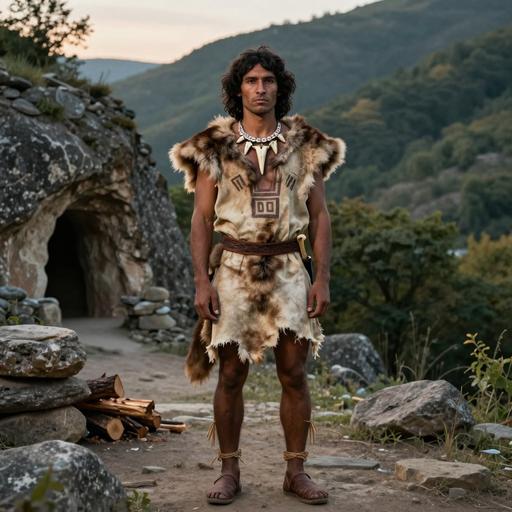
The Dzudzuana Cave Culture is a fascinating archaeological phenomenon linked to the Upper Paleolithic era, situated in what is now the Caucasus region. This cave is located in Georgia and offers a unique glimpse into the life and practices of pre-agricultural societies during the late Pleistocene, approximately dating back to around 30,000 to 15,000 years ago. The culture represents one of the many adaptive responses to the harsh climatic conditions at the time, providing insight into the complexity and ingenuity of prehistoric human societies.
Geographic and Environmental Context
The Dzudzuana Cave is nestled in the southern Caucasus Mountains. This region serves as a natural corridor between Europe and Asia, which has historically been a conduit for migration and cultural exchange. During the Upper Paleolithic, the climate of the Caucasus was characterized by fluctuating temperatures and environmental conditions, which formed glacial and interglacial periods. Despite these challenges, the region's rich biodiversity and varying landscapes offered an abundance of resources that early human groups could exploit.
Archaeological Discoveries
Archaeological excavations within Dzudzuana Cave have uncovered a wealth of materials that paint a picture of the cultural practices of its inhabitants. Artifacts such as stone tools, ornaments, and remnants of personal adornment highlight the technological advancements and social behaviors of the culture.
1. Stone Tools:
The tool assemblage from Dzudzuana Cave points to a sophisticated understanding of lithic technology. Tools such as blades, scrapers, and burins suggest a complex tool-making tradition that enabled efficient processes for hunting, butchery, and processing plant materials. These tools were primarily made from locally sourced flint and obsidian, indicating resourcefulness in selecting appropriate materials available in the vicinity.
2. Ornaments and Clothing:
One of the hallmark discoveries from Dzudzuana Cave is evidence of textile fragments, which is exceedingly rare for this time period. The presence of flax fibers possibly used for weaving highlights an advanced level of craftsmanship. Additionally, shells and animal teeth fashioned into pendants or beads suggest these people made and wore personal adornments, pointing to the presence of symbolic thought and social expression.
3. Subsistence Patterns:
Faunal remains and botanical evidence unearthed in the cave suggest a mixed subsistence strategy. Inhabitants of Dzudzuana Cave likely practiced a hunter-gatherer lifestyle, capitalizing on the rich array of game animals such as deer and aurochs, as well as wild plants available in the region. This diverse diet underscores the adaptiveness of the group to their environment.
Social and Cultural Dynamics
The occupants of Dzudzuana Cave were likely engaged in complex social structures. The variation and refinement of artifacts point towards specialized roles within the society, possibly based on age, sex, or skill set. The presence of communal living spaces and shared resources indicates cooperative behavior and social cohesion necessary for survival during the challenging climatic conditions of the era.
Symbolism and Ritual:
The use of ornamentation and possibly early textiles suggests an emerging sense of identity and symbolic communication. Such cultural expressions may have played crucial roles in social bonding, group identification, and perhaps spiritual or ritual practices, although the specific nature of these beliefs remains speculative due to the lack of direct evidence.
Connections and Influence
Given the strategic geographic location of the Caucasus, it is conceivable that the Dzudzuana Cave Culture interacted with neighboring regions and cultures. This positioning would facilitate not only the flow of people but also the exchange of ideas and techniques, potentially influencing or being influenced by adjacent Upper Paleolithic cultures in Europe and Asia.
Conclusion
The Dzudzuana Cave Culture represents an intriguing chapter in human prehistory, showcasing the adaptive strategies and cultural complexity of Upper Paleolithic Homo sapiens in the Caucasus. Through the study of their material culture, archaeologists gain valuable insights into the lifestyles, social structures, and symbolic expressions of prehistoric peoples who laid down the roots for future cultural developments in the region. This culture underscores the incredible adaptability and innovation of human societies in the face of environmental challenges and changing landscapes.