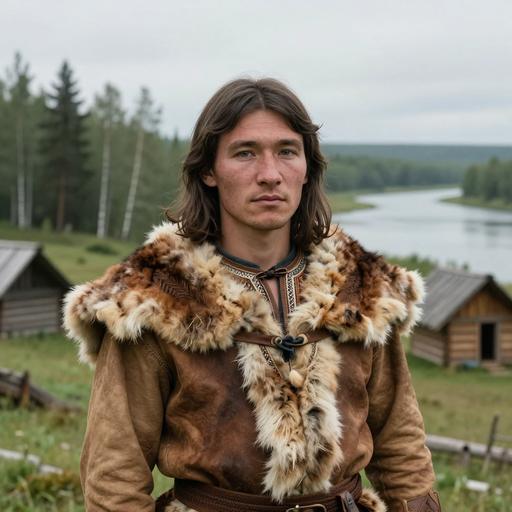
The Northern region of Irkutsk in Siberia represents a unique cultural and ecological area, shaped by its harsh climate, diverse ethnic composition, and rich historical tapestry. This area is characterized by its remote location, expansive natural landscapes, and heritage of indigenous communities. Here is a detailed description of the cultural and ecological aspects of Northern Irkutsk:
Geography and Climate
Northern Irkutsk is part of Siberia, known for its vast, rugged terrain and extreme climate conditions. The region is dominated by taiga, a dense forest biome characterized by coniferous trees such as larch, pine, and spruce, and is interspersed with rivers, lakes, and expansive plains. The climate here is subarctic, with long, severe winters where temperatures can plummet below -40°C and short, cool summers.
Ecological Significance
The region is ecologically significant due to its biodiversity and pristine wilderness areas. It is home to numerous animal species such as Siberian tigers, wolves, bears, and reindeer, along with a wide range of bird species. The area is a crucial carbon sink, with the taiga playing a vital role in global carbon cycles.
Historical Context
The history of Northern Irkutsk is intertwined with the movement of nomadic tribes and the influence of the Russian Empire. The indigenous Evenki and Buryat people, among others, have traditionally inhabited the area. During the 17th and 18th centuries, Russian explorers and settlers moved into Siberia, integrating it into the Russian Empire and later the Soviet Union. This period saw the gradual integration of indigenous cultures with Russian customs and governance.
Indigenous Cultures
The Evenki:
- Lifestyle: Traditionally nomadic reindeer herders, the Evenki adapted to the harsh Siberian environment with their extensive knowledge of the land. Their lifestyle revolves around migration patterns in tune with the environment, using reindeer for transportation, food, and clothing.
- Spirituality: Shamanism plays a central role in Evenki culture, with shamans acting as mediators between the human and spirit worlds, conducting rituals to heal and guide their communities.
The Buryat:
- Culture: As the largest indigenous group in Siberia, the Buryat people have a rich cultural heritage influenced by Mongolian, Tibetan, and Russian elements. They are known for their traditional crafts, music, and dance.
- Religion: Tibetan Buddhism along with shamanistic practices define Buryat spiritual life, with Buddhist monasteries known as \datsans" being found in the region.
Language
The linguistic landscape in Northern Irkutsk is diverse, including the Evenki language, Buryat, and Russian. Each of these languages reflects the histories and interactions of the people in the region.
Economy
The economy of Northern Irkutsk has historically been rooted in natural resource extraction, including timber, oil, and minerals. While industrial activities have brought economic opportunities, they have also posed environmental challenges. Traditional economies based on hunting, fishing, and reindeer herding still hold cultural significance and provide subsistence for many indigenous communities.
Modern Developments
Despite its remoteness, Northern Irkutsk is slowly experiencing modernization, with improved infrastructure and connectivity. However, this development raises concerns about the preservation of traditional cultures and environmental sustainability. Balancing economic development with cultural preservation and environmental protection is a significant challenge facing the region.
Cultural Preservation
Efforts are being made to preserve the unique cultural identities of the indigenous peoples through language revitalization programs, cultural festivals, and traditional crafts promotion. These efforts aim to strengthen community bonds and cultural pride amidst external pressures and changes.
Conclusion
Northern Irkutsk of Siberia stands as a testament to human resilience and cultural diversity. The region's ability to maintain its heritage while navigating modern challenges highlights the dynamic interplay between tradition and progress in the face of an ever-evolving world."