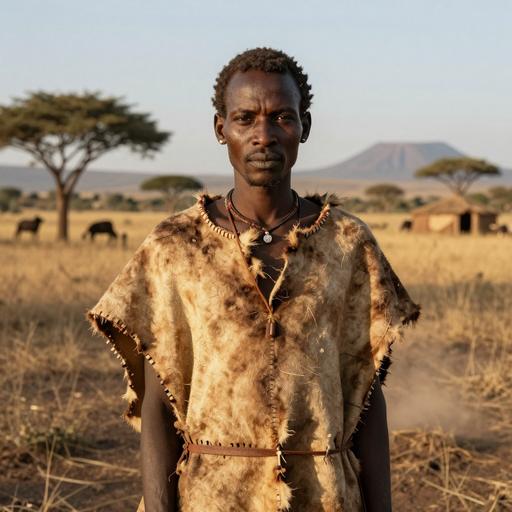
The Pastoral Neolithic period in Kenya, particularly associated with Nilotic cultures, is a fascinating phase in the region's prehistoric era, marked by significant social, cultural, and economic transformations. This period, generally dated between 3,000 to 1,400 years ago, witnessed the movement and adaptation of early pastoralist communities who brought with them a subsistence strategy centered around cattle herding, which greatly influenced the socio-economic landscape of East Africa.
Geography and Environment
The Pastoral Neolithic cultures in Kenya were primarily situated in the Rift Valley and surrounding highlands, regions that offered a variety of ecological niches favorable for herding. This geographical area includes what is today southern Kenya and northern Tanzania. The region's diverse climate, with its alternating wet and dry seasons, supported rich grasslands that were ideal for grazing livestock. This natural environment facilitated the movement and settlement of these pastoralist communities.
Cultural and Technological Developments
The Pastoral Neolithic era is primarily characterized by the introduction and development of pastoralism as a dominant mode of subsistence. Communities during this time relied heavily on domestic animals, particularly cattle, goats, and sheep. The presence of distinctive pottery styles, such as the \Elmenteitan" and "Narosura" wares, is a hallmark of the archaeological record from this period. These pottery types are often finely made and decorated, indicative of cultural expression and possibly social status.
Another significant advancement was the development and use of stone tools specific to pastoral lifestyles. These tools include microlithic implements used for processing animal products and other everyday tasks. The lithic technology indicates a high level of skill and adaptation to the pastoral lifestyle as opposed to hunting-gathering.
Social Structure and Settlement Patterns
Social structures in Pastoral Neolithic societies were likely organized around kinship and clan systems, with cattle playing a central role in defining wealth, status, and social relations. Cattle were not only a source of milk, meat, and hides but also served as a social currency, crucial in marriage negotiations, conflict resolution, and as offerings in spiritual practices.
Settlement patterns during this era diverged from the more sedentary or semi-nomadic camps of earlier hunter-gatherer communities to more mobile lifestyles. Pastoral Neolithic communities often established temporary camps to follow and manage their herds across the landscape, although there were also more permanent settlements that indicate a mixed subsistence strategy of pastoralism and limited agriculture or foraging.
Rituals and Beliefs
Evidence suggests that these communities had rich ceremonial and ritualistic traditions. Cattle played a significant role in spiritual life, symbolizing wealth and divine favor. Archaeological finds, such as stone cairns and burials, sometimes include cattle remains or cattle-shaped artifacts, indicating the central role of livestock in spiritual and mortuary practices.
Interactions and Trade
During the Pastoral Neolithic era, there was likely significant interaction between different groups, including hunter-gatherers like the Eburran, as well as between different pastoral communities. Trade networks facilitated the exchange of goods such as pottery, livestock, stone tools, and possibly even cultural practices. The migration and mixing of populations suggest a dynamic cultural landscape marked by both cooperation and competition.
Legacy of the Pastoral Neolithic
The developments during the Pastoral Neolithic period laid the foundation for subsequent cultural and economic transformations in East Africa. The adaptation to a pastoral lifestyle allowed for greater mobility and the ability to exploit new ecological zones, which were crucial strategies for survival in the variable climate of the region. The societal emphasis on livestock has persisted through the centuries and continues to influence contemporary Nilotic cultures, highlighting the enduring legacy of pastoralism in shaping social identities and economic practices.
In summary, the Pastoral Neolithic in Kenya, particularly among Nilotic cultures, was a pivotal period marked by the establishment and expansion of pastoralism as a dominant mode of life. This era was characterized by the development of unique cultural expressions, innovative adaptations to the environment, and complex social structures centered around livestock, setting the stage for the rich cultural tapestry that characterizes the region today."