Menu
Currency
Main
Store
Blog

Loading Report

Preparing your ancestry journey

Connecting to ancient matches...

Preparing your report

Skip to main content
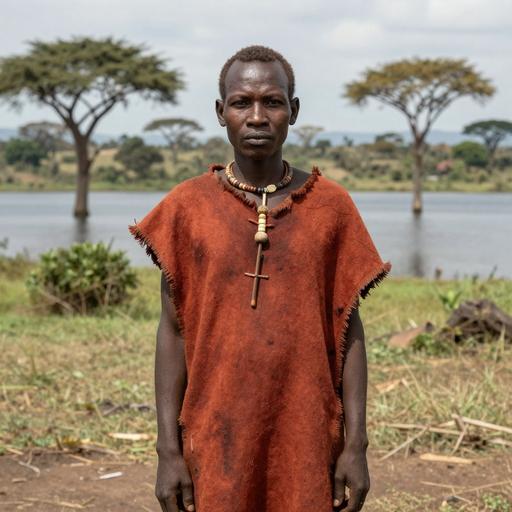
Portrait reconstruction of A man buried in Kenya in the Africa East Pastoralist era
Ancient Individual

A man buried in Kenya in the Africa East Pastoralist era

A man buried in Kenya during the Kansyore Era in Kenya

A fragment of the ancient world, preserved across millennia in strands of DNA.

I8930
3300 BCE - 1700 BCE
Male
Kenya
Scroll to begin
Chapter I

Identity

The biological and cultural markers that define this ancient individual

Sample ID

I8930

Date Range

3300 BCE - 1700 BCE

Cultural Period

Kansyore Era in Kenya

Biological Sex

Male

mtDNA Haplogroup

L2a4

Y-DNA Haplogroup

B-M8500

Chapter II

Place

Where this individual was discovered

Country Kenya
Locality Victoria Nyanza. Homa Bay. White Rock Point. GrJb2
Coordinates -0.4500, 34.3210
Chapter III

Time

When this individual lived in the broader context of human history

I8930 3300 BCE - 1700 BCE
Chapter IV

Story

The narrative of this ancient life

The Kansyore Era refers to a fascinating archaeological phase within the Holocene epoch, primarily identified through the Kansyore pottery tradition, prevalent between approximately 1000 BCE and 1000 CE. This culture flourished around the regions of East Africa, particularly around the Lake Victoria basin in what is today Kenya. The Kansyore culture is a part of the broader Nilotic cultural and historical spectrum, which encompasses various societies and ethnic groups connected through linguistic and cultural traits originally linked to the Nilotic peoples.

Archaeological Findings

Pottery: The most distinctive feature of the Kansyore culture is its highly decorated pottery. Kansyore pottery is characterized by its fine craftsmanship, with thin walls and intricate geometric patterns. These patterns were typically impressed onto the surface using a combination of techniques, such as rouletting and carving. The aesthetic quality and distinctiveness of Kansyore ceramics suggest a well-established pottery tradition with significant cultural importance.

Settlement Patterns: Archaeological evidence indicates that Kansyore communities were closely associated with aquatic environments, such as lakeshores, riverbanks, and wetlands. Their settlements likely revolved around fishing and other forms of aquatic subsistence, supplemented by hunting and gathering. The proximity to water bodies not only provided resources but also facilitated trade and communication with other groups.

Subsistence Strategy: The Kansyore people engaged in a subsistence strategy that combined fishing, gathering of aquatic resources, and possibly limited agriculture. The presence of fish bones and shellfish remains at Kansyore sites underscores the importance of aquatic resources. Additionally, the use of grinding stones found at some sites suggests that the processing of plant materials was also part of their subsistence activities.

Social and Cultural Aspects

Kinship and Social Structure: While direct evidence of social structure is sparse, the development of sophisticated pottery suggests a community with specialized craftspeople. The social organization may have been centred around family or clan units, with certain individuals or groups possessing specialized roles, perhaps tied to pottery production, fishing, or spiritual leadership.

Spiritual and Ritual Practices: Though specific details about Kansyore spiritual practices are limited, the care invested in pottery design might suggest a spiritual or ritual significance associated with these artifacts. Rituals could have been tied to water bodies, which were central to their way of life, reflecting a deep spiritual connection to their environment.

Interaction with Other Cultures

The Kansyore culture interacted with other contemporary cultures and groups in the region, such as the early Iron Age Bantu-speaking communities. These interactions likely involved trade, cultural exchange, and possibly competition for resources. The exchange of ideas and goods would have influenced Kansyore's technological and cultural developments, including the gradual transition towards more agricultural-based economies.

Challenges of Interpretation

The Kansyore Era is primarily reconstructed through fragmented archaeological evidence, which presents challenges in fully understanding the complex nature of this culture. The lack of written records requires reliance on material culture and comparative studies with ethnographic analogies from related Nilotic or East African groups.

Legacy

The Kansyore culture is an essential part of the prehistory of East Africa, contributing to our understanding of early human adaptation, technology, and social organizations. It represents a key phase in the human settlement of the Lake Victoria basin and offers insights into the dynamic cultural landscapes that preceded more centralized and stratified societies in the region.

Overall, the Kansyore Era in Kenya remains a subject of ongoing research, with each new archaeological discovery contributing to a more nuanced understanding of its cultural richness and historical significance.

Context

Related Samples

This individual exists within a broader network of ancient samples. No ancient genome stands alone.

Sample ID Culture/Period Date Location Action
I8802 Iron Age Pastoral in Kenya 772 BCE Nakuru. Deloraine Farm. GqJh6, Kenya View
I8805 Pastoral Neolithic Elmenteitan in Kenya 122 BCE Nakuru. Egerton Cave. GrJh10, Kenya View
I8808 Late Stone Age in Kenya 84 BCE Victoria Nyanza. Kisumu. Jawuoyo Rockshelter, Kenya View
I8904 Pastoral Neolithic Nderit in Kenya 2500 BCE North Horr. Kokurmatakore, Kenya View
I12394 Pastoral Neolithic Elmenteitan in Kenya 431 BCE Nakuru. Keringet Cave. GrJg4, Kenya View
I12391 Iron Age Pastoral in Kenya 892 BCE Kasiole 2. GvJh54, Kenya View
I12381 Iron Age Pastoral in Kenya 1296 BCE Laikipia District Burial Site. GoJl45, Kenya View
I12379 Historic Era 2 in Kenya 1527 CE Emurula Ole Polos Cairns. GvJh 122, Kenya View
I12384 Pastoral Neolithic in Kenya 215 BCE Nyandarua. Ol Kalou, Kenya View
I12533 Early Pastoral Neolithic in Kenya 2138 BCE Prette John's Gully, Kenya View
I12534 Early Pastoral Neolithic in Kenya 2129 BCE Prette John's Gully, Kenya View
I8901 Iron Age Pastoral in Kenya 892 BCE Laikipia. Kisima Farm. KFR-C4, Kenya View
I8874 Pastoral Neolithic in Kenya 1407 BCE Nakuru. Cole's Burial. GrJj 5a, Kenya View
I8809 Pastoral Neolithic in Kenya 1111 BCE Laikipia. Kisima Farm. KFR-A5/Porcupine Cave, Kenya View
I13972 Prehistoric in Tanzania 245 CE Gishimangeda Cave, Tanzania View
I8922 Pastoral Neolithic Elmenteitan in Kenya 800 BCE Nakuru. Rigo Cave. GrJh3, Kenya View
I13980 Prehistoric in Tanzania 776 BCE Gishimangeda Cave, Tanzania View
I13981 Prehistoric in Tanzania 768 BCE Gishimangeda Cave, Tanzania View
I12398 Pastoral Neolithic Elmenteitan in Kenya 767 BCE Nakuru. Rigo Cave. GrJh3, Kenya View
I8804 Pastoral Neolithic in Kenya 757 BCE Nakuru. Keringet Cave. GrJg4, Kenya View
I8758 Pastoral Neolithic in Kenya 756 BCE Nakuru. Naishi Cave, Kenya View
I8923 Pastoral Neolithic Elmenteitan in Kenya 748 BCE Nakuru. Rigo Cave. GrJh3, Kenya View
I13979 Prehistoric in Tanzania 721 BCE Gishimangeda Cave, Tanzania View
I8814 Pastoral Neolithic in Kenya 541 BCE Nakuru. Naivasha Burial Groud, Kenya View
I13978 Prehistoric in Tanzania 414 BCE Gishimangeda Cave, Tanzania View
I8919 Pastoral Neolithic in Kenya 391 BCE Nakuru. Naivasha Burial Groud, Kenya View
I8918 Pastoral Neolithic in Kenya 382 BCE Nakuru. Naivasha Burial Groud, Kenya View
I13762 Prehistoric and Iron Age in Tanzania 200 BCE Gishimangeda Cave, Tanzania View
I10719 Pastoral Neolithic Elmenteitan in Kenya 91 BCE Nakuru. Central Rift Valley. Njoro River Cave II, Kenya View
I13970 Prehistoric in Tanzania 50 BCE Gishimangeda Cave, Tanzania View
I13977 Prehistoric in Tanzania 47 BCE Gishimangeda Cave, Tanzania View
I8892 Iron Age Pastoral in Kenya 772 BCE Nakuru. Ilkek Mounds. GsJj66, Kenya View
I8931 Kansyore Era in Kenya 3300 BCE Victoria Nyanza. Homa Bay. White Rock Point. GrJb2, Kenya View
I8930 Kansyore Era in Kenya 3300 BCE Victoria Nyanza. Homa Bay. White Rock Point. GrJb2, Kenya View
I8820 Pastoral Neolithic in Kenya 898 BCE Laikipia. Kisima Farm. KFR-A5/Porcupine Cave, Kenya View
I8759 Pastoral Neolithic in Kenya 795 BCE Nakuru. Naishi Cave, Kenya View
I8920 Pastoral Neolithic in Kenya 405 BCE Nakuru. Naivasha Burial Groud, Kenya View
I8830 Pastoral Neolithic in Kenya 409 BCE Nakuru. Naivasha Burial Groud, Kenya View
I13763 Prehistoric and Iron Age in Tanzania 175 BCE Karatu District. Northeastern shore of Lake Eyasi. Gishimangeda, Tanzania View
I13982 Prehistoric and Iron Age in Tanzania 800 BCE Gishimangeda Cave, Tanzania View
I13983 Prehistoric and Iron Age in Tanzania 800 BCE Gishimangeda Cave, Tanzania View
I8904 2500 BCE North Horr. Kokurmatakore, Kenya View
I8892 772 BCE Nakuru. Ilkek Mounds. GsJj66, Kenya View
I8930 3300 BCE Victoria Nyanza. Homa Bay. White Rock Point. GrJb2, Kenya View
I8931 3300 BCE Victoria Nyanza. Homa Bay. White Rock Point. GrJb2, Kenya View
I8820 898 BCE Laikipia. Kisima Farm. KFR-A5/Porcupine Cave, Kenya View
I13982 800 BCE Gishimangeda Cave, Tanzania View
I13983 800 BCE Gishimangeda Cave, Tanzania View
I8759 795 BCE Nakuru. Naishi Cave, Kenya View
I8830 409 BCE Nakuru. Naivasha Burial Groud, Kenya View
I8920 405 BCE Nakuru. Naivasha Burial Groud, Kenya View
I13763 175 BCE Karatu District. Northeastern shore of Lake Eyasi. Gishimangeda, Tanzania View
Sample ID Culture/Period Date Location Action
I8931 Kansyore Era in Kenya 3300 BCE Victoria Nyanza. Homa Bay. White Rock Point. GrJb2, Kenya View
I8930 Kansyore Era in Kenya 3300 BCE Victoria Nyanza. Homa Bay. White Rock Point. GrJb2, Kenya View
Sources

References

Scientific publications and genetic data that inform this profile.

Scientific Publication

Ancient DNA reveals a multistep spread of the first herders into sub-Saharan Africa

Authors Prendergast ME, Lipson M, Sawchuk EA, Olalde I, Ogola CA et al.
Abstract

How food production first entered eastern Africa ~5000 years ago and the extent to which people moved with livestock is unclear. We present genome-wide data from 41 individuals associated with Later Stone Age, Pastoral Neolithic (PN), and Iron Age contexts in what are now Kenya and Tanzania to examine the genetic impacts of the spreads of herding and farming. Our results support a multiphase model in which admixture between northeastern African-related peoples and eastern African foragers formed multiple pastoralist groups, including a genetically homogeneous PN cluster. Additional admixture with northeastern and western African-related groups occurred by the Iron Age. These findings support several movements of food producers while rejecting models of minimal admixture with foragers and of genetic differentiation between makers of distinct PN artifacts.