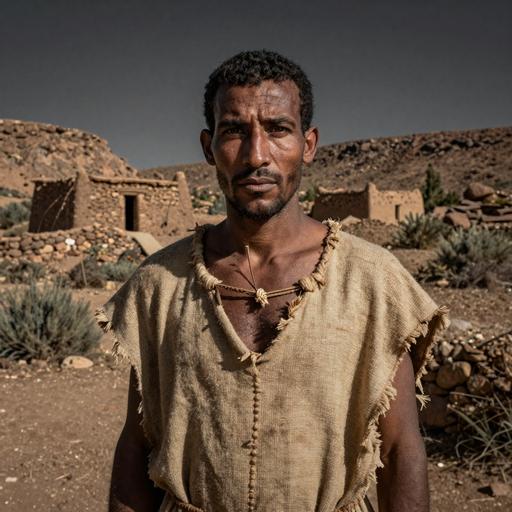
The Early Neolithic Cardial culture, predominantly recognized in Southern Europe and the Western Mediterranean, is known for its unique pottery, often decorated with shell impressions. When referencing the Early Neolithic Cardial culture in relation to North Africa and Berber communities, we must consider the broader context of Neolithic transitions in the region and the influences that may have traversed the Mediterranean.
Overview of the Neolithic Transition in North Africa
The Neolithic era marks the transition from hunter-gatherer societies to more settled agricultural communities. In North Africa, this transformation occurred at varying paces and in somewhat different forms compared to Europe or the Near East. The Maghreb region, home to the indigenous Berber populations, experienced these changes through a combination of indigenous developments and external influences, including those from the Mediterranean Cardial culture.
Neolithic Cardial Influences
Pottery and Ceramics: Pottery is a defining characteristic of Neolithic cultures. Cardial pottery, named after the Latin word \Cardium" for cockle shells, often features decorative impressions made by pressing shells into soft clay. While the most classic examples of Cardial pottery are found in Southern France and the Iberian Peninsula, there is significant evidence of ceramic influences across the Mediterranean. In North Africa, pottery independently evolved, but exchanges through trade and migration likely brought Cardial pottery techniques and styles to Berber communities.
Agricultural Techniques: The spread of agricultural practices across the Mediterranean was a gradual process. In North Africa, early farming was influenced both by indigenous practices and by techniques from across the sea. The Berber regions eventually adopted grain cultivation, pastoralism, and other agricultural tools and practices that were likely influenced by Mediterranean counterparts, possibly including Cardial connections.
Settlement Patterns: The Cardial culture often established small, semi-permanent settlements. In North Africa, the move from nomadic to more permanent settlements also characterized the Neolithic period, as communities oriented around water sources, fertile land, and trade routes. Some aspects of settlement organization may mirror those seen in the Cardial regions of Europe.
Berber Influence and Adaptation
The Berbers, indigenous to North Africa, are not a monolithic group but rather a collection of diverse communities with varying languages and customs. Their adaptation to the Neolithic way of life illustrates a blend of maintaining traditional practices while adopting new innovations. The Berber people played an active role in shaping how Neolithic practices evolved locally, ensuring that while there might have been external influences, these were integrated into the local context.
Key Archaeological Sites and Findings
Several Neolithic sites in North Africa provide insights into the region's cultural transformations during this era. Sites such as Capsian culture locations in Algeria and Tunisia show evidence of early Neolithic technological and cultural developments. These sites have revealed artifacts, burial practices, and settlement patterns that reflect the mingling of indigenous and foreign influences, including those that might be attributed to Mediterranean interactions.
Conclusion
The Early Neolithic Cardial culture in the context of North African Berber communities represents a fascinating period of cultural exchange and adaptation. While the direct influence of Cardial elements might be less pronounced compared to Southern Europe, the interconnectedness of the Mediterranean facilitated the sharing of ideas, technologies, and commodities. The Berbers, with their distinct cultural identity, absorbed and transformed these elements to suit their unique environments and social structures, contributing richly to North Africa's Neolithic heritage."