Menu
Currency
Main
Store
Blog

Loading Report

Preparing your ancestry journey

Connecting to ancient matches...

Preparing your report

Skip to main content
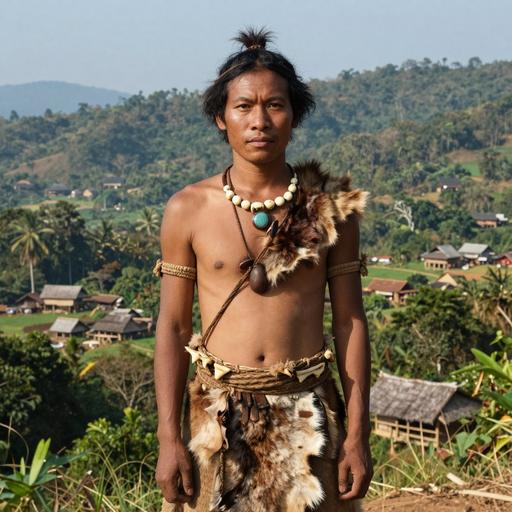
Portrait reconstruction of A man buried in Thailand in the Iron Age era
Ancient Individual

A man buried in Thailand in the Iron Age era

A man buried in Thailand during the Iron Age Log Coffin Culture of the Lahu (Mussur) Iron Age

A fragment of the ancient world, preserved across millennia in strands of DNA.

LHP002
240 CE - 375 CE
Male
Thailand
Scroll to begin
Chapter I

Identity

The biological and cultural markers that define this ancient individual

Sample ID

LHP002

Date Range

240 CE - 375 CE

Cultural Period

Iron Age Log Coffin Culture of the Lahu (Mussur) Iron Age

Biological Sex

Male

mtDNA Haplogroup

M23'75

Y-DNA Haplogroup

FGC29900/Y9322/Z23667

Social Role

Farmer (AI estimate, era-typical)

Chapter II

Place

Where this individual was discovered

Country Thailand
Locality Lahu Pot/Moa Mussur (Mae Hong Son Province)
Coordinates 19.6100, 98.2700
Chapter III

Time

When this individual lived in the broader context of human history

LHP002 240 CE - 375 CE
Chapter IV

Story

The narrative of this ancient life

The Iron Age Log Coffin Culture of the Lahu, also referred to as the Mussur, presents a unique intersection of technological development, cultural practices, and social structures that were predominantly evident from around the early Iron Age period extending into later eras in Southeast Asia. This culture is particularly notable for its mortuary practices, utilization of iron, and complex societal organization influenced by both indigenous traditions and interactions with neighboring cultures.

Geographical Context: The Iron Age Log Coffin Culture of the Lahu predominantly spanned areas in what is today northern Thailand and parts of Myanmar, specifically in the rugged terrains and forested regions inhabited by the Lahu people. The geography, characterized by mountainous landscapes, fostered a society skilled in managing challenging agricultural environments, as well as in acquiring and working with iron.

Technological Aspects: The term \Iron Age" denotes a period in which the Lahu demonstrated advanced metallurgical skills, primarily focusing on the production and usage of iron tools and weapons. The knowledge of iron smelting and forging represented a significant technological advancement that had profound impacts on their way of life, from agriculture, through enhanced tool efficiency, to warfare and hunting, where iron weapons offered a substantial advantage over earlier bronze implements.

Cultural Practices and Mortuary Traditions: The most distinguished and characterizing aspect of the Lahu Iron Age culture is their mortuary practice involving log coffins. This funerary practice entailed the use of large, hollowed-out tree trunks fashioned into coffins to inter the deceased. These coffins were often placed in elevated positions, such as on cliffs or in caves, reflecting beliefs in ancestor veneration and the afterlife. The choice of specific tree species and the craftsmanship involved in creating these log coffins not only highlight the Lahu's woodworking skills but also their spiritual connection to nature.

Social Organization: The log coffin culture suggests the existence of a hierarchical society, where such elaborate burial practices were likely reserved for individuals of higher status or particular significance within the community. This implies a structured societal framework, potentially with distinct roles and responsibilities distributed across the community. Such a society would have required coordinated efforts in various domains such as agriculture, metallurgy, and funerary practices.

Cultural and Historical Interactions: The Lahu's location facilitated cultural interactions with neighboring groups and trading networks that stretched across the region. This exposure likely influenced their cultural practices, including funerary traditions, artistic expressions, and possibly even technological exchanges that enhanced their ironworking techniques. The mixed influence of indigenous traditions and external contacts presents a complex cultural mosaic that characterizes the Lahu's Iron Age society.

Archaeological Significance: Archaeological discoveries, including burial sites and remnants of settlements, provide critical insights into the Lahu Iron Age culture. Excavations revealing these log coffins, alongside iron tools, ceramics, and other artifacts, serve as a primary source of understanding their way of life. These findings help historians reconstruct aspects of their daily lives, societal organization, and interactions with the environment and other cultures.

Legacy and Influence: The Iron Age Log Coffin Culture of the Lahu offers valuable lessons in how ancient societies adapted to their environments, developed technological expertise, and cultivated rich spiritual and social traditions that resonate through time. Their legacy is not only visible in the archaeological record but also in the traditions and cultural narratives of the Lahu people today. Understanding this culture provides insight into the broader historical developments in Southeast Asia and the intricate tapestry of human development during the Iron Age.

In summary, the Iron Age Log Coffin Culture of the Lahu showcases the depth of human ingenuity and cultural richness, emphasizing how these ancient practices and advancements shaped not only their world but also offered a foundation for subsequent generations in the region."

Context

Related Samples

This individual exists within a broader network of ancient samples. No ancient genome stands alone.

Sample ID Culture/Period Date Location Action
BRB003 Ban Rai Log Coffin Culture Iron Age 176 CE Ban Rai (Mae Hong Son Province), Thailand View
LHP002 Iron Age Log Coffin Culture of the Lahu (Mussur) Iron Age 240 CE Lahu Pot/Moa Mussur (Mae Hong Son Province), Thailand View
THL002 Tham Lod Log Coffin Culture Iron Age 240 CE Tham Lod cave (Mae Hong Son Province), Thailand View
THL003 Tham Lod Log Coffin Culture Iron Age 265 CE Tham Lod cave (Mae Hong Son Province), Thailand View
THL004 Tham Lod Log Coffin Culture Iron Age 252 CE Tham Lod cave (Mae Hong Son Province), Thailand View
YPN001 Yappa Nhae Log Coffin Culture Iron Age 200 CE Yappa Nhae 2 (Mae Hong Son Province), Thailand View
YPN002 Yappa Nhae Log Coffin Culture Iron Age 200 CE Yappa Nhae 2 (Mae Hong Son Province), Thailand View
YPN003 Yappa Nhae Log Coffin Culture Iron Age 200 CE Yappa Nhae 2 (Mae Hong Son Province), Thailand View
YPN006 Yappa Nhae Log Coffin Culture Iron Age 200 CE Yappa Nhae 2 (Mae Hong Son Province), Thailand View
YPN007 Yappa Nhae Log Coffin Culture Iron Age 200 CE Yappa Nhae 2 (Mae Hong Son Province), Thailand View
YPN008 Yappa Nhae Log Coffin Culture Iron Age 255 CE Yappa Nhae 2 (Mae Hong Son Province), Thailand View
YPN009 Yappa Nhae Log Coffin Culture Iron Age 200 CE Yappa Nhae 2 (Mae Hong Son Province), Thailand View
YPN010 Yappa Nhae Log Coffin Culture Iron Age 200 CE Yappa Nhae 2 (Mae Hong Son Province), Thailand View
YPN011 Yappa Nhae Log Coffin Culture Iron Age 259 CE Yappa Nhae 2 (Mae Hong Son Province), Thailand View
YPN012 Yappa Nhae Log Coffin Culture Iron Age 200 CE Yappa Nhae 2 (Mae Hong Son Province), Thailand View
YPN013 Yappa Nhae Log Coffin Culture Iron Age 200 CE Yappa Nhae 2 (Mae Hong Son Province), Thailand View
YPN014 Yappa Nhae Log Coffin Culture Iron Age 200 CE Yappa Nhae 2 (Mae Hong Son Province), Thailand View
YPN016 Yappa Nhae Log Coffin Culture Iron Age 258 CE Yappa Nhae 2 (Mae Hong Son Province), Thailand View
YPN017 Yappa Nhae Log Coffin Culture Iron Age 200 CE Yappa Nhae 2 (Mae Hong Son Province), Thailand View
YPN018 Yappa Nhae Log Coffin Culture Iron Age 200 CE Yappa Nhae 2 (Mae Hong Son Province), Thailand View
YPN019 Yappa Nhae Log Coffin Culture Iron Age 200 CE Yappa Nhae 2 (Mae Hong Son Province), Thailand View
YPN020 Yappa Nhae Log Coffin Culture Iron Age 200 CE Yappa Nhae 2 (Mae Hong Son Province), Thailand View
YPN021 Yappa Nhae Log Coffin Culture Iron Age 200 CE Yappa Nhae 2 (Mae Hong Son Province), Thailand View
YPN022 Yappa Nhae Log Coffin Culture Iron Age 200 CE Yappa Nhae 2 (Mae Hong Son Province), Thailand View
YPN023 Yappa Nhae Log Coffin Culture Iron Age 200 CE Yappa Nhae 2 (Mae Hong Son Province), Thailand View
YPN025 Yappa Nhae Log Coffin Culture Iron Age 210 CE Yappa Nhae 2 (Mae Hong Son Province), Thailand View
YPN027 Yappa Nhae Log Coffin Culture Iron Age 200 CE Yappa Nhae 2 (Mae Hong Son Province), Thailand View
YPN028 Yappa Nhae Log Coffin Culture Iron Age 200 CE Yappa Nhae 2 (Mae Hong Son Province), Thailand View
YPN030 Yappa Nhae Log Coffin Culture Iron Age 200 CE Yappa Nhae 2 (Mae Hong Son Province), Thailand View
YPN031 Yappa Nhae Log Coffin Culture Iron Age 200 CE Yappa Nhae 2 (Mae Hong Son Province), Thailand View
YPN032 Yappa Nhae Log Coffin Culture Iron Age 200 CE Yappa Nhae 1 (Mae Hong Son Province), Thailand View
YPN033 Yappa Nhae Log Coffin Culture Iron Age 200 CE Yappa Nhae 1 (Mae Hong Son Province), Thailand View
YPN036 Yappa Nhae Log Coffin Culture Iron Age 200 CE Yappa Nhae 2 (Mae Hong Son Province), Thailand View
Sample ID Culture/Period Date Location Action
LHP002 Iron Age Log Coffin Culture of the Lahu (Mussur) Iron Age 240 CE Lahu Pot/Moa Mussur (Mae Hong Son Province), Thailand View
Sources

References

Scientific publications and genetic data that inform this profile.

Scientific Publication

Genomic portrait and relatedness patterns of the Iron Age Log Coffin culture in northwestern Thailand

Authors Carlhoff S, Kutanan W, Rohrlach AB, Posth C, Stoneking M et al.
Abstract

The Iron Age of highland Pang Mapha, northwestern Thailand, is characterised by a mortuary practice known as Log Coffin culture. Dating between 2300 and 1000 years ago, large coffins carved from individual teak trees have been discovered in over 40 caves and rock shelters. While previous studies focussed on the cultural development of the Log Coffin-associated sites, the origins of the practice, connections with other wooden coffin-using groups in Southeast Asia, and social structure within the region remain understudied. Here, we present genome-wide data from 33 individuals from five Log Coffin culture sites to study genetic ancestry profiles and genetic interconnectedness. The Log Coffin-associated genomes can be modelled as an admixture between Hòabìnhian hunter-gatherer-, Yangtze River farmer-, and Yellow River farmer-related ancestry. This indicates different influence spheres from Bronze and Iron Age individuals from northeastern Thailand as reflected by cultural practices. Our analyses also identify close genetic relationships within the sites and more distant connections between sites in the same and different river valleys. In combination with high mitochondrial haplogroup diversity and genome-wide homogeneity, the Log Coffin-associated groups from northwestern Thailand seem to have been a large, well-connected community, where genetic relatedness played a significant role in the mortuary ritual.

Use code for 25% off Expires Jul 15